
Cardstronaut Turns Deckbuilding Into Flamethrower Base Defense — Here’s the Real Deal
Game intel
Cardstronaut
A unique spin on the deckbuilding genre, where you must play cards and use strategy and tactics to activate ceiling mounted flame throwers to defeat the aliens…
Why Cardstronaut Caught My Eye
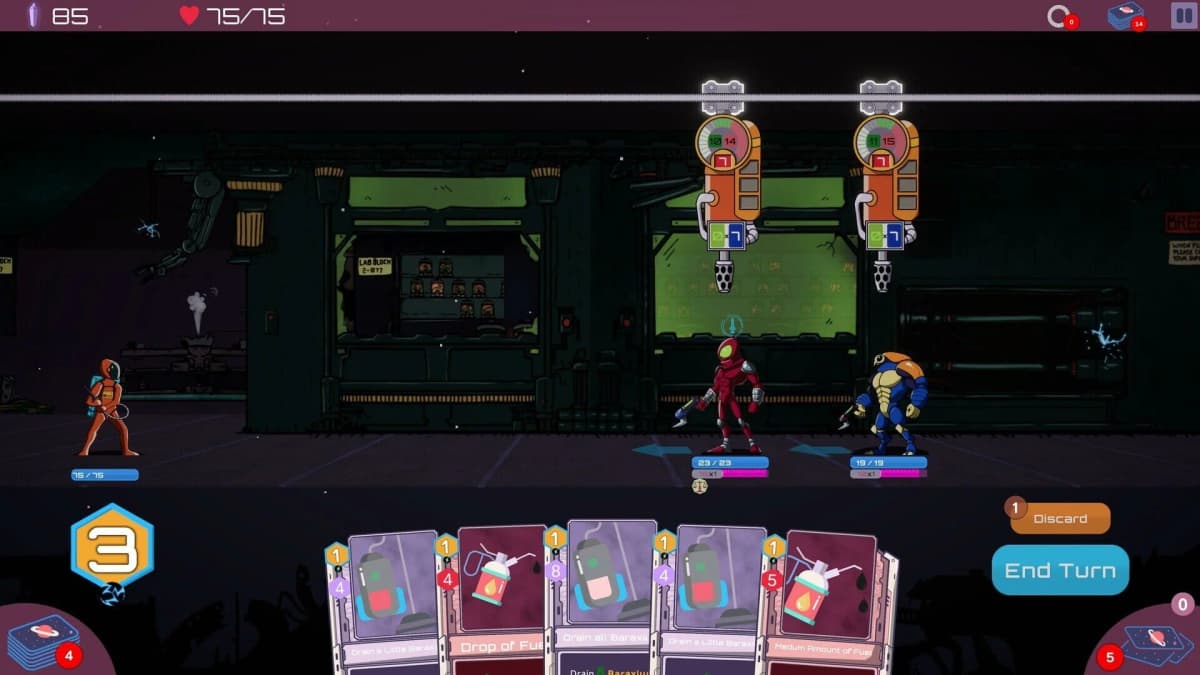
We’re drowning in roguelike deckbuilders, so it takes a weird hook to stand out. Cardstronaut has one: you’re an unarmed astronaut using ceiling-mounted flamethrowers inside a cloning station to roast invading aliens. It’s part Slay the Spire (tight card economy), part Monster Train (positional puzzles), and part tower defense chaos. The demo, now live on Steam, is our first proper look – and there’s more here than just a quirky pitch.
- Fuel is your “energy,” but it’s also a hazard – overfill a turret and you burn yourself.
- Enemy positioning isn’t optional; dragging foes into fire lines is half the game.
- Mods add deckwide synergies, acting like relics that change how your engine plays.
- Release is slated for later in 2025, with a demo available now.
Breaking Down the Announcement
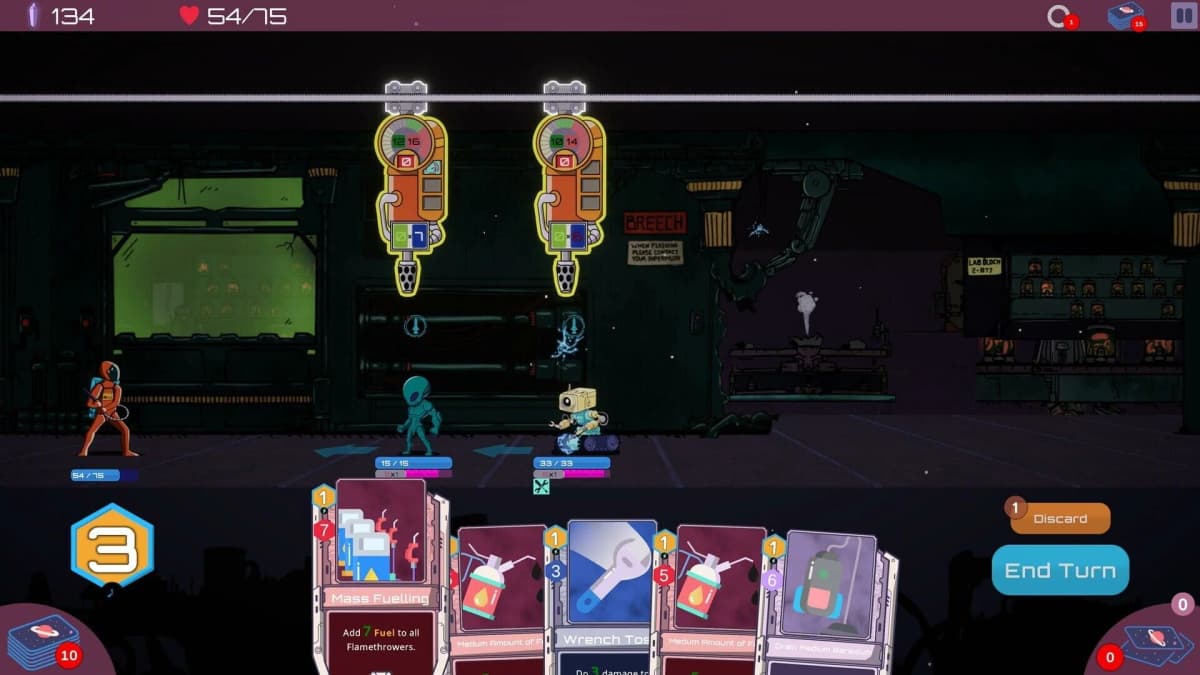
Developed by Cyquence Games, Cardstronaut is a roguelike deckbuilder wrapped around base defense. Instead of a sword-and-shield hero, you’re orchestrating room-scale traps. The flamethrowers are the stars: you feed them fuel cards to prime a blast, then line up enemies so the inferno lands just right. Fuel management is the central tension – flood a turret with too much gas and you’ll scorch your own base. It’s a clever risk-reward loop that turns the usual “play all your energy” instinct on its head.
There’s a strong spatial layer here. Positioning cards let you shove, pull, or corral aliens under the nozzles, making battles feel more like puzzles than damage races. If Monster Train taught you to care about lanes, Cardstronaut makes you obsess over ceiling coverage, timing, and line-of-fire. The result feels tactile — planning two turns ahead so a flamethrower mod procs right when a wave crowds the kill zone.
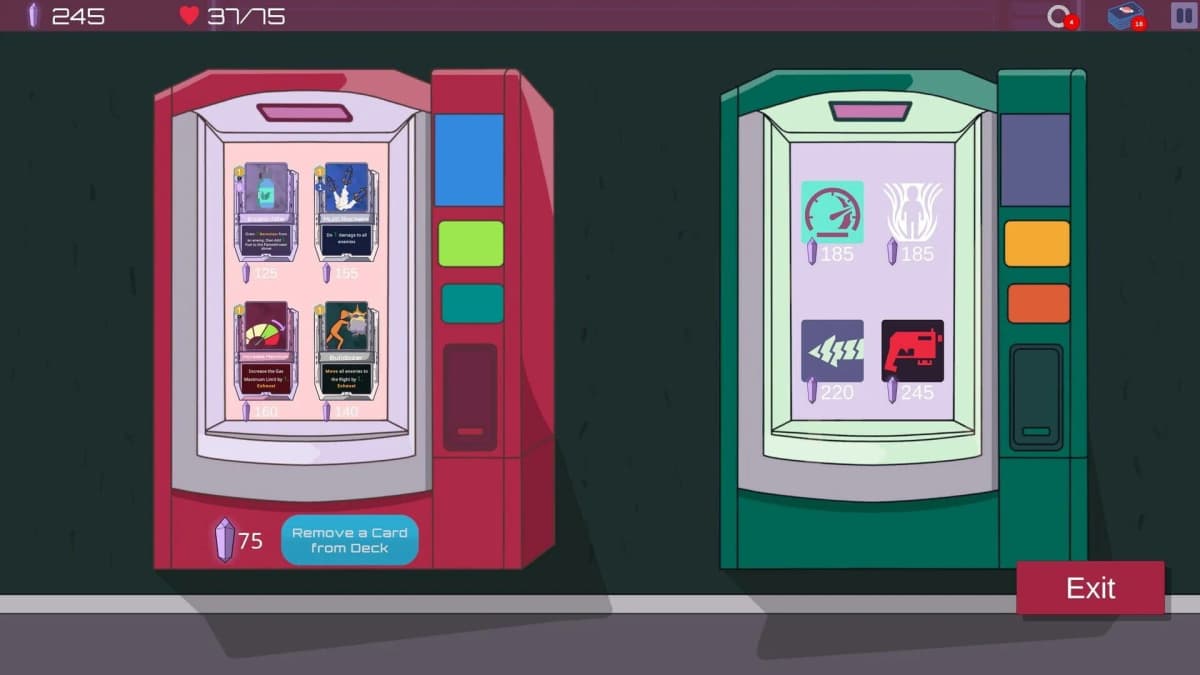
Speaking of mods: they’re the glue that holds the run-based buildcraft together. Mods bolt onto your flamethrowers and create synergies — extra cards when you ignite, bonus fuel efficiency, or straight-up area damage. Think relics in Slay the Spire, but focused on amplifying one deadly contraption. The promise is that a “fuel-first” build plays nothing like a “movement-heavy” build, which is exactly what deckbuilder fans want: divergent archetypes that reward commit-or-die experimentation.
On paper, it’s a smart remix: familiar tools with one big twist (fuel as danger) and a clear identity (sci-fi base defense with cloning-station vibes). The question is whether that twist keeps delivering across runs, or if it’s a one-note gimmick that peaks after your first “oops, I cooked myself” moment.
Why This Matters Now
Roguelike deckbuilders are having a second wind after years of Spire-likes that chased the same dopamine. The recent standouts either add a fresh layer (Monster Train’s lanes), reframe the battlefield (Into the Breach’s positional chess), or double down on strong theming. Cardstronaut is aiming for all three: spatial play, a distinct hazard economy, and a clean sci-fi hook that isn’t just “another fantasy slasher with cards.”
But the bar is high. Players expect robust RNG mitigation (scrying, tutoring, or consistent card draw), meaningful meta progression, and clarity in the UI. When fuel is both power and poison, the game has to communicate thresholds perfectly — think clear gauges, previewed damage, and warnings before you misplay yourself into a meltdown. If the demo nails readability and discovery — teaching you how to safely dance on the edge of overfill — it’ll convert skeptics fast.
I’m also watching enemy variety. If foes only serve as fuel pinatas to be herded into the same flamethrower pattern, the novelty fades. But if some aliens resist burn, split when heated, or force you to re-route them with movement cards, the positional layer stays fresh. That kind of design separates “neat demo” from “I lost a weekend to this.”
Want to Level Up Your Gaming?
Get access to exclusive strategies, hidden tips, and pro-level insights that we don't share publicly.
Ultimate Gaming Strategy Guide + Weekly Pro Tips
The Gamer’s Perspective: What’s Promising, What’s Unclear
- Promising: The push-pull of fuel management. Turning your own economy into a hazard creates delicious tension. Every “one more fuel” decision feels like gambling with a matchbook.
- Promising: Mod-driven archetypes. A movement-heavy setup that funnels mobs versus a high-octane build that chain-ignites rooms could feel radically different.
- Promising: Theme and tone. “Unarmed astronaut jury-rigs ceiling flamethrowers in a cloning station” is the kind of weird that sticks.
- Unclear: Long-term depth. Are there multiple turret types later, or is it flamethrowers all the way down? How many enemy families push different counterplay?
- Unclear: Meta progression. Are there unlocks, starter card variations, or difficulty modifiers akin to Ascension that keep veterans hooked?
- Unclear: Run cadence. Quick, puzzle-box runs or sprawling marathons? The genre tends to shine when runs hit the 30-45 minute sweet spot.
Cyquence says the full release is planned for later in 2025, with the demo first landing on June 26, 2025. That gives time to tune the economy, tighten UI clarity, and expand the enemy roster. If feedback loops into sharper mitigation tools — think safer fuel vents, conditional refunds, or preview lines that make complex setups readable — Cardstronaut could carve out a real niche rather than being “that flamethrower one.”
Looking Ahead
This caught my attention because it challenges a core deckbuilder habit: dumping resources is not automatically correct. That single inversion, plus Monster Train-style spatial play, gives Cardstronaut real legs. Now it has to prove it can scale — more enemies, more mods, more ways to misplay spectacularly without feeling cheap. If the demo leaves you curious rather than satisfied, that’s a good sign for a roguelike.
TL;DR
Cardstronaut mixes deckbuilding with base defense by turning fuel into both power and risk, and it works. The demo shows smart ideas and a strong identity; the full release will live or die on depth, variety, and UI clarity. Keep it on your radar if you love Spire’s brains but want more positional chaos.