

Table of Contents (8)
Castlevania’s Oldest Reward Loop Gets a Much Smarter Twist
Castlevania has always understood the value of a good boss reward. A new whip upgrade, a movement ability, a key that opens an ominous castle wing: those are the little jolts that make exploration click. Castlevania: Belmont’s Curse pushes that idea further through Rose Belmont’s arcane tarot deck. Bosses can become part of her kit, feeding spells and abilities into a build rather than serving only as another obstacle cleared from the map.
The important word is mercy. It reframes the reward after a major encounter. Instead of treating a boss as a dead end, Rose can absorb or transform that defeated threat into tarot-linked magic or a traversal-focused tool. That turns combat success into a planning decision: take the reward that makes the next fight easier, or take the one that opens a suspicious ledge, sealed route, or previously unreachable room.
For a series built on the Vampire Killer and hard-earned castle access, that is a sharp fit. Rose still has the Belmont family’s primary physical answer to monsters: the whip. Yet Evil Empire is layering in a fast-access spell deck that can alter how that whip is used, how a room is approached, and what counts as a worthwhile detour.
Tarot, Mercy, and Boss Rewards at a Glance
Specifications
What Counts as Mercy in Practice
Mercy is valuable because it gives a boss a second life inside Rose’s loadout. The practical outcome is not abstract morality; it is capability. A transformed boss reward can become a tarot spell for combat or an ability that changes Rose’s relationship with the map. That is the heart of the loop.
Every early boss decision should so be measured against the immediate problems in front of you. If standard enemies are crowding Rose, a damage-oriented card has obvious value. If the current area keeps presenting high platforms, gaps, blocked passages, or visual clues that suggest inaccessible secrets, a movement or exploration tool can pay off across several rooms instead of helping during one fight.
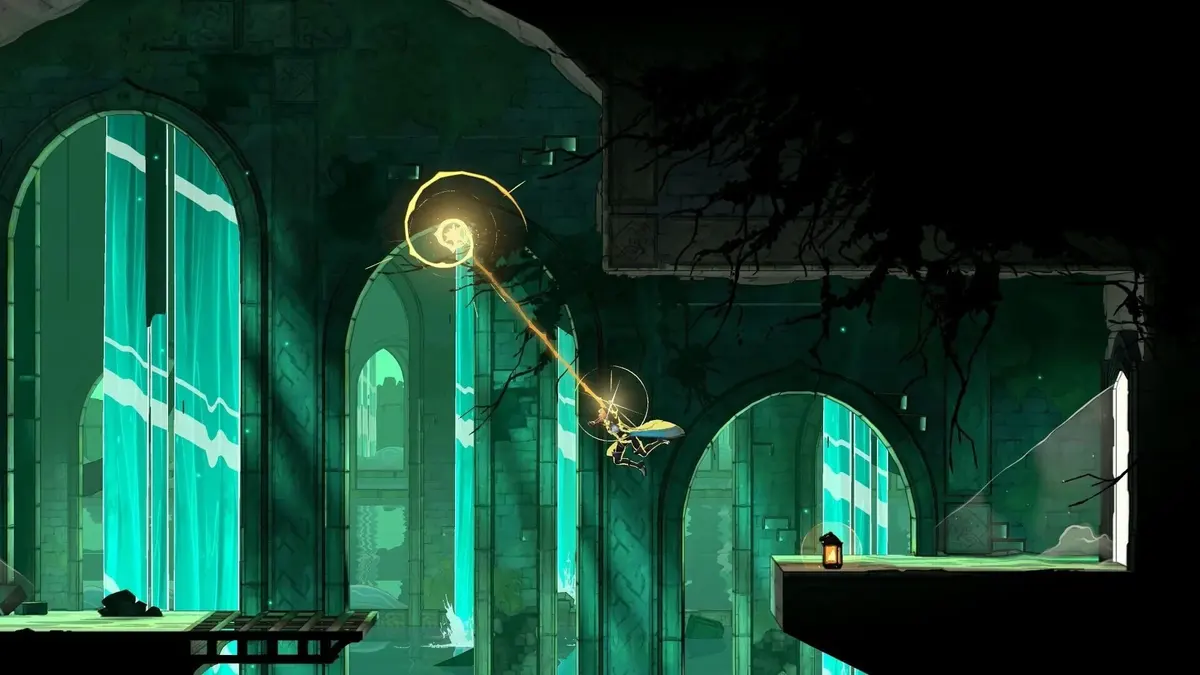
That distinction matters more than a raw “best reward” ranking. A powerful offensive spell can make a short combat stretch feel easier, but a traversal ability may expose upgrades, secrets, or routes that strengthen the whole build. In a castle designed around backtracking and layered paths, access compounds.
The Damage Route: Build Around Fast, Repeatable Pressure
Players who want Rose’s combat loop to stay aggressive should prioritize tarot rewards that solve fights cleanly and quickly. The goal is simple: preserve the whip as the dependable close-range tool, then use cards to cover the moments where whip range, enemy density, or boss mechanics create pressure.
- Prioritize direct combat cards first. A spell that adds immediate damage has the clearest early value because it gives Rose an answer beyond whip strings when an enemy’s position or behavior makes close range dangerous.
- Use tarot to complement the whip, not replace it. The Vampire Killer is still the stable option for spacing, combo flow, and physical interaction. Treat the deck as a force multiplier during openings rather than a substitute for mastering whip timing.
- Choose rewards that work in ordinary rooms. A flashy ability that only shines against a specific boss pattern is less useful than one that helps clear frequent encounters or safely creates room around Rose.
- Test cards against mixed enemy groups. Use early combat rooms to judge whether a new spell creates reliable openings, finishes targets efficiently, or leaves Rose exposed after activation. The card’s practical rhythm matters more than its theoretical damage ceiling.
The trap here is chasing every reward that sounds destructive while ignoring movement. A damage-first setup can become awkward if Rose repeatedly reaches routes she cannot fully explore. Keep one eye on environmental cues. A combat route should still claim utility when the map is clearly advertising a nearby payoff.
The Utility Route: Spend Mercy on Castle Access
A utility-focused path makes the most sense for players who enjoy the Castlevania side of the equation where suspicious architecture is practically a language. The strongest early exploration rewards are the ones that convert visible “come back later” spaces into active routes. Combined with Rose’s whip mobility and grappling, they make the castle feel less like a sequence of rooms and more like an interlocking machine.
- Prioritize movement and access tools when the map telegraphs a block. High ledges, unreachable platforms, awkward gaps, and sealed-looking paths are stronger reasons to take utility than a vague hope that an ability may prove useful eventually.
- Revisit nearby blocked routes immediately. The best way to confirm an exploration reward’s value is to return to the first obvious obstacle it can solve. This prevents a new card from becoming forgotten menu clutter.
- Pair traversal tools with safe whip fundamentals. Mobility creates new angles, but it also creates new ways to overextend. Use the whip to control landing zones and keep Rose’s positioning deliberate.
- Take combat rewards only when they solve a recurring problem. Utility builds still need damage, but the card should answer something concrete: crowded rooms, difficult enemy placement, or an encounter Rose cannot safely handle with whip range alone.
The cost is immediate. A utility pick may not make the next boss dramatically easier. Its value arrives over time through routes, secrets, and build resources that were otherwise left behind. Players who want the cleanest first pass through each area will get more from this approach than players focused solely on short-term combat efficiency.

How to Test a New Tarot Reward Early
Early play is where players should be ruthless. A tarot reward earns its slot only when it changes a real decision. There is no need to overthink a card’s long-term potential before it has survived basic field testing.
- Run it through a standard combat room. Check whether the spell gives Rose a safer answer than a whip combo and whether its timing fits the pace of the encounter.
- Use it during a movement sequence. For a traversal-oriented reward, revisit a known blocked area and confirm exactly what it reaches or bypasses.
- Watch what the card asks Rose to give up. If using it disrupts movement, leaves her stranded after an attack, or duplicates an answer the whip already provides, its place in the build is weak.
- Choose the reward that improves several future rooms. A good mercy choice should create repeated value. One strong boss interaction is welcome; a spell or tool that alters the whole route is better.
This is also where Evil Empire’s experience matters. After Dead Cells and The Rogue Prince, the studio understands that an ability system lives or dies by whether players can read its value in motion. In Belmont’s Curse, tarot cards and whip movement are positioned to create that readable loop without losing the deliberate, gothic platforming identity that makes Castlevania work.
Rose Belmont’s Build Is the Real Boss Reward
Trevor Belmont’s legacy looms large over any game carrying the family name, but Rose’s tarot deck gives Castlevania: Belmont’s Curse a more personal combat language. The whip grounds her in tradition. Mercy gives her a reason to look at defeated bosses as material for the next build.
That should make the best route depend on the player’s priorities rather than a single universal answer. Damage-first players should favor cards that create consistent combat pressure and retain enough mobility to avoid leaving obvious paths unfinished. Exploration-first players should grab access tools as soon as the castle starts showing them why, then use the whip and a carefully chosen combat card to keep the journey stable.
FinalBoss // Gear
Level up your setup
01Top-rated gaming headsetson Amazon→02High-refresh gaming monitorson Amazon→03Gaming chairson Amazon→04Discounted game keyson Kinguin→
Affiliate links · As an Amazon Associate, FinalBoss earns from qualifying purchases.
Want to Level Up Your Gaming?
Get access to exclusive strategies, hidden tips, and pro-level insights that we don't share publicly.
Ultimate Tech Strategy Guide + Weekly Pro Tips