
Every so often, a prequel announcement actually feels like a genuine expansion rather than a cash-in. That’s exactly the vibe I got from Cathedral: Crow’s Curse, the standalone prequel to Decemberborn Interactive’s retro action-adventure hit. Instead of simply tapping nostalgia, this new chapter leans into fresh mechanics, a bold art upgrade, and deeper worldbuilding. Here’s an in-depth look at how Crow’s Curse could shake up the Metroidvania scene—and why stealth and skill might just be its secret weapons.
Table of Contents (7)
Premise and Pixel-Perfect Visuals
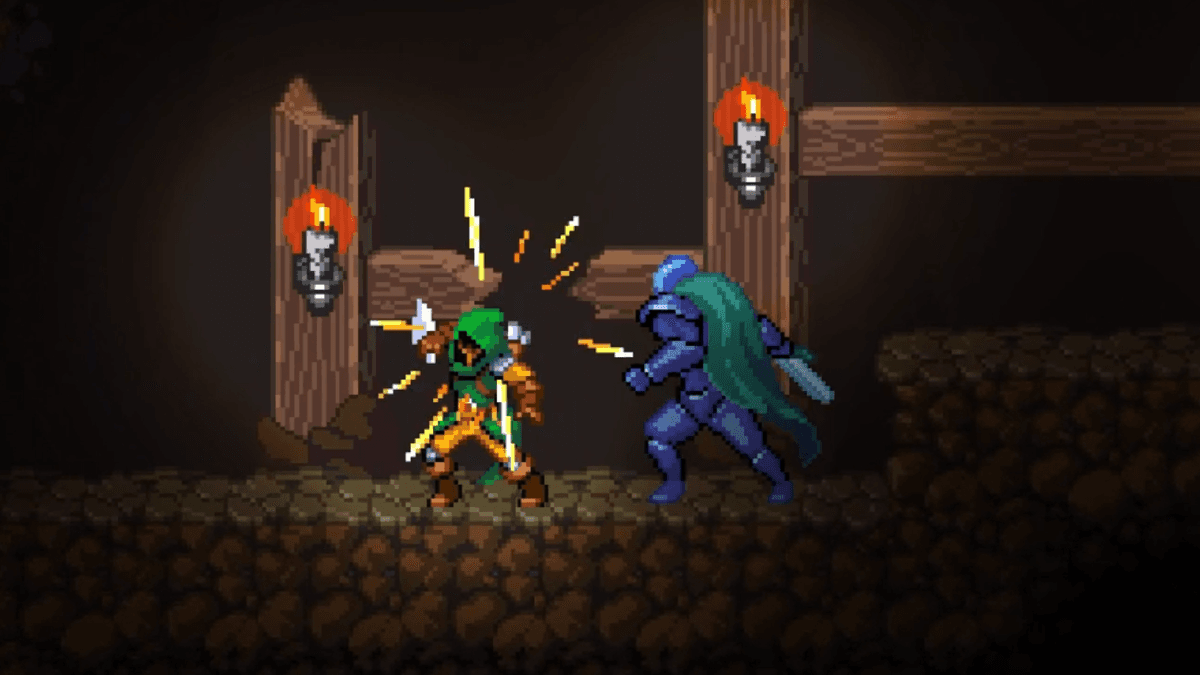
If you’ve wandered Cathedral’s shadowy halls, you know its “8-bit plus” style: chunky sprites, moody backgrounds, and just enough modern flair to feel both familiar and new. Crow’s Curse ditches the limited NES palette for a richer, more nuanced color range. We’re talking dynamic lighting that casts long, flickering shadows, parallax backgrounds that give depth to cathedral spires, and fluid animations that sell every feather-prick and blade slash.
It’s a smart evolution. Many indies stick to static palettes and rigid tilework, but Decemberborn is pushing its pixel artists to treat every frame like a micro canvas. The result so far: environments that feel alive—rain-drenched courtyards gleam with reflected lantern light, while cavern walls pulse with bioluminescent fungi. This isn’t just a prettier Cathedral; it’s a reinvention of the art style that defined the original.
A Crow in the Shadows: Stealth Mechanics Explored
One of the boldest pivots in Crow’s Curse is the stealth focus. Traditionally, Metroidvanias flirt with stealth by simply downplaying enemy aggro or adding one-off surprise kills. Here, stealth is woven into level design and enemy AI. Guards patrol set routes, reacting to sound and sight—if you crash through a broken fence, expect reinforcements fast. Sound carries, too: walking on metal grates or knocking over barrels can draw foes from adjacent rooms. Light and shadow play a role: duck into dark corners to break line of sight, use crow feathers to distract or lure guards, and exploit noise—toss a stone to create a decoy sound for a backstab.
It’s an ambitious system that calls to mind the tension of Mark of the Ninja and the environmental tricks of Dishonored, but translated into 2D pixel corridors. If implemented well, Crow’s Curse could force you to plan each encounter: scout patrol paths, memorize reaction times, and master the timing of your silent takedowns. And because ceilings and walls cast their own shadow zones, maps feel less like flat grids and more like tactical arenas.
Sharper Blades: Skill-Based Combat vs. Button-Mashing
Stealth might open fights on your terms, but Crow’s Curse still demands you earn every victory. The term “skill-based combat” gets thrown around, but here it appears to mean precise parries, dodge windows, and enemy patterns that reward study over spamming attacks. Imagine the tight timing of Hollow Knight nail deflections meeting the deliberate weight of Salt and Sanctuary shields. Combos have rhythm—chain a light slash, parry mid-air, then finish with a heavy overhead strike for massive stagger damage.
Compared to other Metroidvanias like Bloodstained or Blasphemous, which often emphasize spell loadouts and equipment swaps, Crow’s Curse seems to place pure input mastery front and center. It’s less about whether you have the right weapon and more about whether you can read an enemy’s tells. This could feel like a breath of fresh air for veterans tired of trading gear every few minutes. Instead, each new enemy type introduces a distinct beat to learn, and bosses demand pattern memorization plus flawless execution.
Mapping the Curse: Interconnected World Design
We’ve all hit the wall of backtracking fatigue: running through the same rooms between upgrades, hoping for a new shortcut. Crow’s Curse promises a more thoughtful layout. Early teases show branching pathways that loop back via hidden passages or breakable floors, and teleport crystals that warp you between key hubs. Legacy areas from the original Cathedral—like the Ancient Crypt and the Grand Library—reappear in flashback sequences reimagined for stealth gameplay. Meanwhile, fresh zones such as the Moonlit Grove and the Sunken Spire open new narrative threads and gear options.

What stands out is the integration of stealth and traversal: rooftops and overgrown aqueducts aren’t just scenic—they’re alternative routes, letting you bypass towering sentinels or set up ambushes. This design recalls how Guacamelee! mixed platforming with combat, but here the emphasis is on verticality and hiding spots. If Crow’s Curse nails the pacing—rewarding exploration without punishing detours—it could outshine some modern Metroidvanias that err either on the overly linear or the labyrinthine.
The Console Choice: Indie Audience & Platform Strategy
Decemberborn’s decision to target Nintendo Switch, PS4, and PC (versus pushing for PS5/Xbox Series X exclusivity) speaks volumes. The core Metroidvania crowd skews toward accessible hardware that supports crisp 2D action. Switch’s portable mode, in particular, suits quick stealth runs and trial-and-error gameplay. At the same time, PC offers mod-friendly potential and smooth frame rates crucial for tight parries. Skipping next-gen bells-and-whistles keeps development focused on mechanics and level polish, rather than expensive lighting engines or ray tracing.
This strategy aligns with what we’ve seen from other successful indie Metroidvanias: deliver responsive controls, prioritize load times and frame stability, then let artistry and gameplay depth carry the show. Crow’s Curse seems to lean heavily in that direction—and for fans who want substance over spectacle, it’s a welcome sign.

What Crow’s Curse Means for Metroidvania Fans
The Metroidvania genre is bursting at the seams these days. Every week brings a new pixel-art adventure shouting “inspired by Symphony of the Night!” Breaking through that noise demands more than charming sprites. Cathedral: Crow’s Curse may have found its edge by combining real stealth systems with duel-ready combat and an interconnected world that rewards cunning as much as reflexes.
Of course, execution is everything. If stealth feels tacked on or parries become frustrating frame-perfect chores, the novelty could unravel fast. But if Decemberborn builds on the original Cathedral’s reputation for tight controls and thoughtful design, Crow’s Curse might be the fresh take the genre needs.
TL;DR
- Upgraded Pixel Art: Dynamic lighting and fluid animations bring Cathedral to life.
- Stealth as Core Mechanic: Sound, sight, and shadow shape how you approach each encounter.
- Skill-Based Combat: Parry timing and pattern mastery over endless gear grinding.
- Smart World Design: Branching paths, shortcuts, and legacy areas integrate stealth and exploration.
- Platform Focus: Switch, PS4, and PC deliver the responsive, polished 2D gameplay fans crave.
If Cathedral: Crow’s Curse can balance its ambitious stealth features with rewarding combat and clever level design, it could stand out in an overcrowded field. I’ll be watching every new reveal—and I suspect stealth-hungry Metroidvania veterans will be too.
| Feature | Detail |
|---|---|
| Publisher | Decemberborn Interactive |
| Release Window | TBA (Announced July 3, 2025) |
| Genres | Action-Adventure, Metroidvania, Stealth |
| Platforms | PC (Steam), Nintendo Switch, PlayStation 4 |
FinalBoss // Gear
Level up your setup
01Top-rated gaming headsetson Amazon→02High-refresh gaming monitorson Amazon→03Gaming chairson Amazon→04Discounted game keyson Kinguin→Affiliate links · As an Amazon Associate, FinalBoss earns from qualifying purchases.
Want to Level Up Your Gaming?
Get access to exclusive strategies, hidden tips, and pro-level insights that we don't share publicly.
Ultimate Gaming Strategy Guide + Weekly Pro Tips