
Table of Contents (6)
Why a new Witcher 3 expansion in 2026 would be less about nostalgia and more about narrative and revenue
Players buzzing about a new Witcher 3: Wild Hunt expansion aren’t just chasing a nostalgia fix. The chatter – fed by a CD Projekt Red nod to “new content” in 2026 financials, an analyst’s public revenue target, and a string of YouTube leaks – points to a paid DLC designed to do one practical thing: bridge Wild Hunt to the next mainline game. That makes this more of a strategic handoff than a throwback expansion, and that matters for what fans should expect to pay and how canonical story threads might be handled.
- Key takeaway: Multiple signals (financial comments, analyst forecasts, and leaks) point to a paid Witcher 3 expansion in 2026 – likely sold at roughly $25-30 and pitched as an interlude to Witcher 4.
- Scale is unclear: Early whispers compared it to Hearts of Stone/Blood and Wine, but recent reports pull back from promises of a brand-new continent — Velen expansion is the likeliest candidate, not Zerrikania.
- Watch for motive: CDPR’s fiscal need and Game Pass timing suggest the move is as much about revenue and player engagement as it is about completing narrative bridges.
This smells like a deliberate bridge, not fan service
The strongest single signal isn’t a leak of a map or a trailer; it’s an analyst’s spreadsheet. Polish analyst Mateusz Chrzanowski publicly tied CD Projekt Red’s incentive targets to roughly PLN 412 million and forecast “significant new content” for Witcher 3 in 2026 — later saying he was 100% certain it would be a paid expansion. Couple that with a flurry of January-February YouTube leaks and Steam community posts claiming a May 2026 window and a price similar to past paid expansions, and the pieces fit a commercial play: monetize a proven title while priming the audience for Witcher 4.
The uncomfortable observation: this is as much corporate plumbing as storytelling
CDPR has the right to keep its cash cow active. The Witcher 3 still drives engagement, and adding an interlude DLC that stitches narrative threads into Witcher 4 reduces onboarding friction for the sequel. But that same logic raises the uncomfortable question the PR pitch will avoid: will this be a substantive new region and meaty story expansion, or a premium “handover” with lots of cinematic setup and less open-world invention?
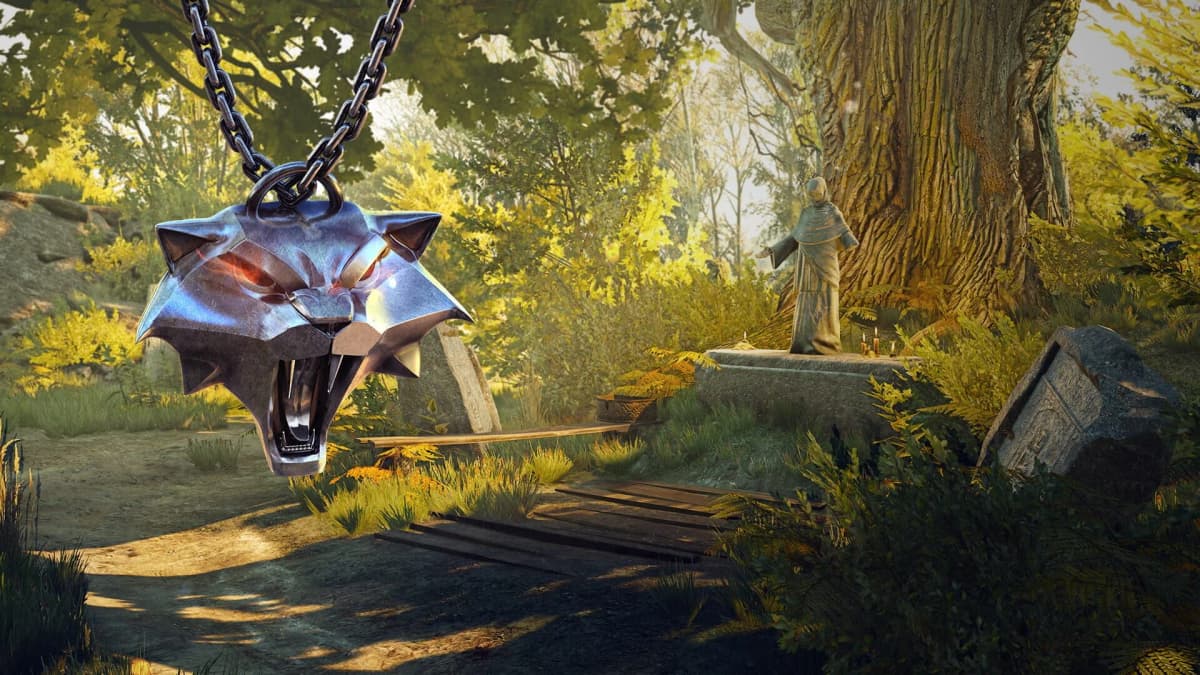
Leaks diverge. Earlier speculation floated Zerrikania — an exotic, headline-grabbing new region — but the latest, more cautious reports favor a large Velen-focused addition: a massive map slice, new quests, cinematics and branching dialogue that nod at player endings without trying to overwrite them. In other words: narrative closure without canonizing a single save. That fits a bridge product — it acknowledges player choices in flavor but protects the sequel’s narrative latitude.
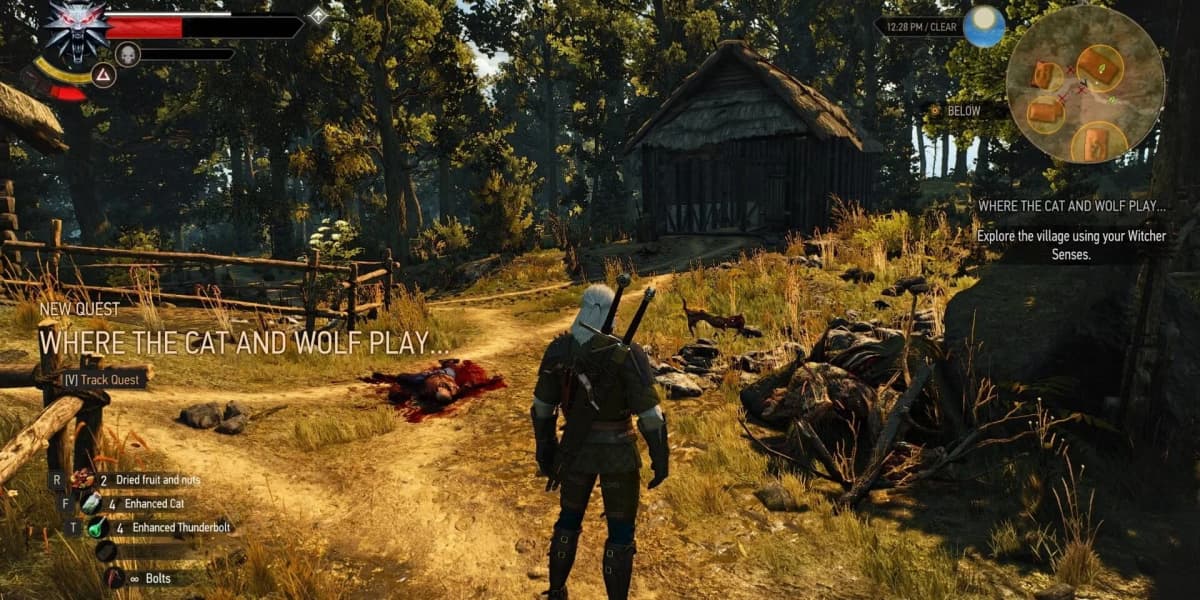
Where the sources agree — and where you should stay skeptical
Across Steam News posts, PC Gamer notes, and community threads, a few things line up: CDPR mentioned “new content” in 2026 financial commentary; analysts and leakers publicly expect a paid release; and the timing makes sense given recent promotions (the Complete Edition hitting Xbox Game Pass in Feb 2026 looks like audience-warming). But none of the signals are an official confirmation. No developer statement, no devblog, no trailer. That gap matters.
What to watch next (and why each item matters)
- CD Projekt Red Q1 / Q2 2026 financials (expected May): if the company lists project line items or marketing budgets tied to “Witcher 3 content,” the rumor gains hard credence.
- Major showcase windows (State of Play, Summer events): a teaser or even silhouette reveal would move this from rumor to launch plan.
- Any official hires, contracts, or rating board filings mentioning new Witcher 3 content: they’re low-signal but often the first smoke before fire.
Also watch how CDPR frames the release. If it’s sold explicitly as a paid “interlude” with clear meta-text about connecting to Witcher 4, expect criticism about monetizing narrative continuity. If it arrives as a full-blown expansion with a new region and hours of gameplay, expect fan applause — but demand proof in the form of playable systems, not cutscene-heavy bridge scenes.
TL;DR
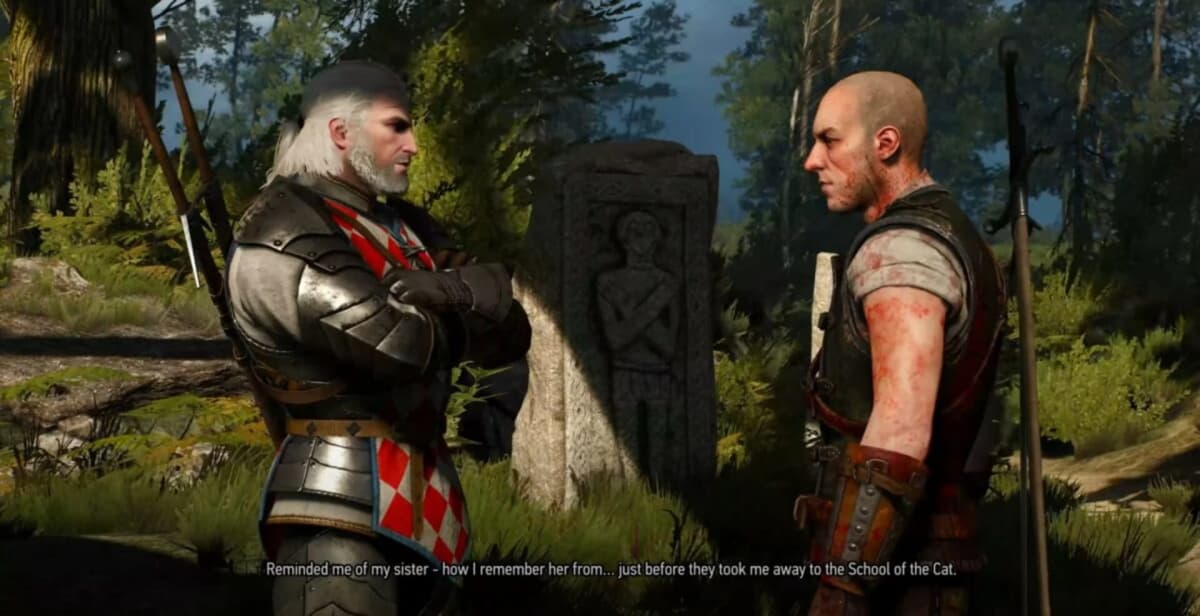
CD Projekt’s financial hint, an analyst’s revenue math and months of leaks make a paid Witcher 3 expansion in 2026 plausible — and likely pitched as a bridge to Witcher 4. The debate now is scale: massive Blood-and-Wine-level add-on or a cinematic “handover” sold at full DLC price. Watch CDPR’s Q1/Q2 financials and any official showcases this spring; those will tell you whether this is genuine content or a polished stopgap designed to prime players (and revenue) for the sequel.
FinalBoss // Gear
Level up your setup
01Top-rated gaming headsetson Amazon→02High-refresh gaming monitorson Amazon→03Gaming chairson Amazon→04Discounted game keyson Kinguin→Affiliate links · As an Amazon Associate, FinalBoss earns from qualifying purchases.
Want to Level Up Your Gaming?
Get access to exclusive strategies, hidden tips, and pro-level insights that we don't share publicly.
Ultimate Gaming Strategy Guide + Weekly Pro Tips