
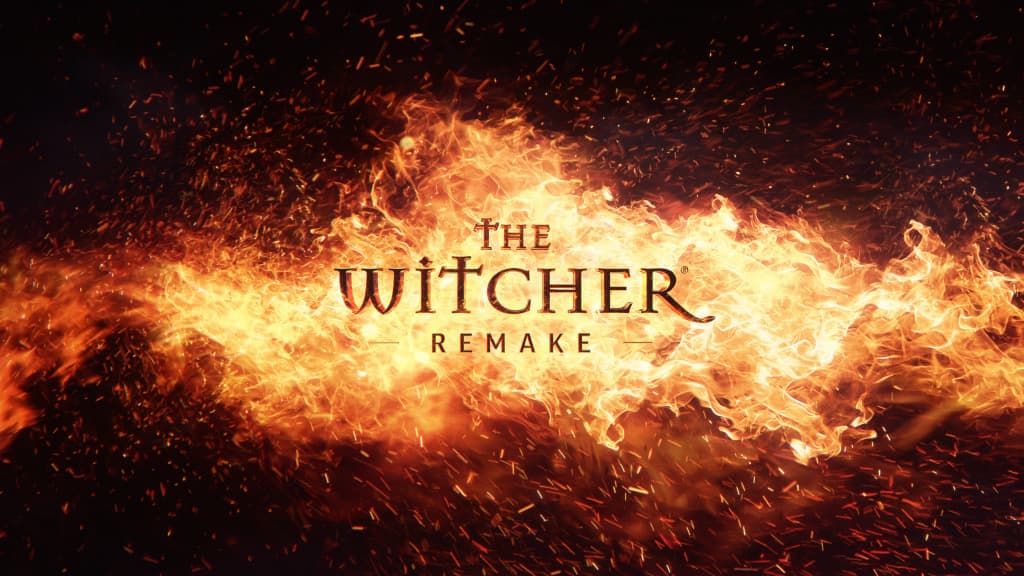
CDPR’s Witcher Remake is going open‑world in UE5 — but the timeline might shock you
Game intel
The Witcher Remake
Previously codenamed Canis Majoris, The Witcher Remake is being built from the ground up in Unreal Engine 5. It is being developed by the Polish studio Fool's…
The Witcher Remake is real-here’s the gamer reality
The Witcher Remake is the right kind of remake: a ground-up rebuild in Unreal Engine 5 by Fool’s Theory under CD Projekt Red’s “full creative supervision,” and confirmed to be open-world instead of the original’s segmented hubs. That’s the exciting part. The inconvenient truth? Don’t expect to play it anytime soon. CDPR has said the remake lands after The Witcher 4 (codename “Polaris”), and based on the studio’s long development cycles, the realistic window looks like 2028 at the earliest. Great news for quality, brutal for patience.
Key takeaways
- Earliest sensible estimate: 2028-CDPR has stated the remake follows The Witcher 4.
- Open-world + UE5 means a modernized, not 1:1, take on 2007’s cult classic.
- Fool’s Theory brings veteran Witcher devs and BG3 support experience; CDPR oversees.
- If you’re new: it’s fine to start with The Witcher 3 now; a remake isn’t around the corner.
Breaking down the announcement (minus the fluff)
CDPR’s own wording sets expectations: the remake is “being rebuilt from the ground up in Unreal Engine 5,” and the team asked for “patience” because it’ll be “a while” before they talk details. On a quarterly call, CDPR also confirmed it will be an open-world game, aligning it with The Witcher 3 rather than the original’s act-based hubs and endless loading screens. That alone signals a reimagining of how the first game flows-from Kaer Morhen to Vizima, the swamps, and beyond.
The studio making it matters. Fool’s Theory isn’t a random support house; it includes Witcher veterans and shipped Seven: The Days Long Gone, while also contributing gameplay and tools support to Baldur’s Gate 3 and level work on Outriders. That’s a useful pedigree for systems-heavy RPGs. CDPR keeping “full creative supervision” should help ensure it still feels like Witcher, not just a Witcher-adjacent UE5 showcase.
What this actually changes for Witcher 1
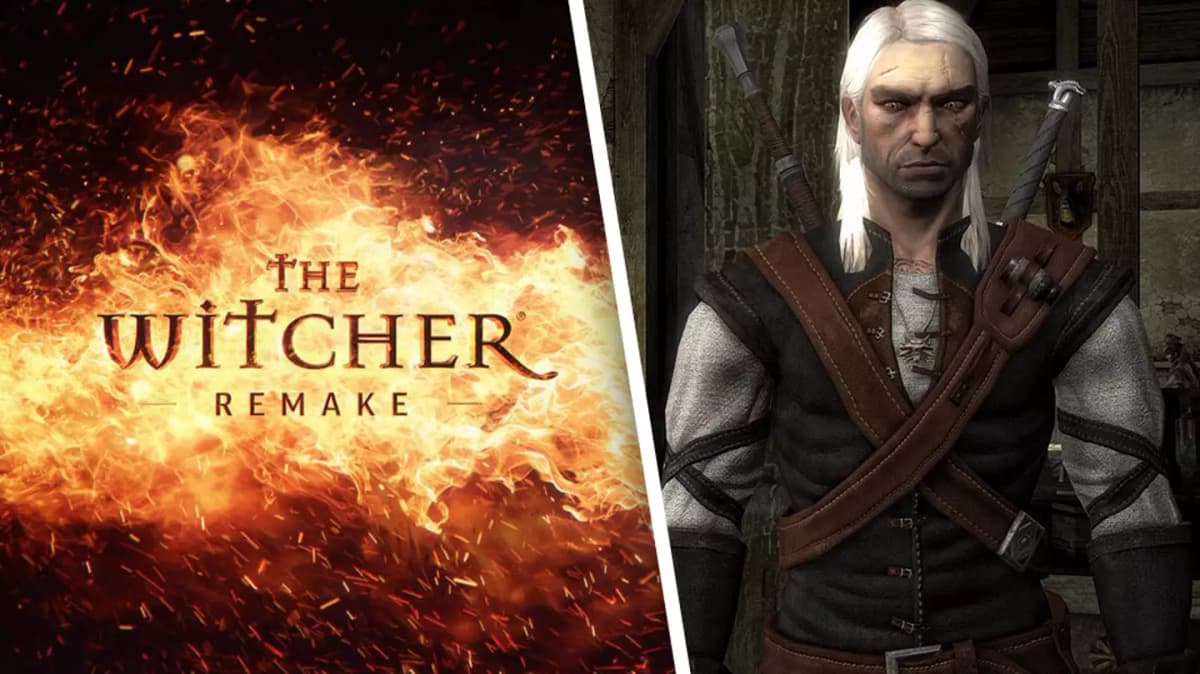
The 2007 original is beloved, but let’s be honest: it’s rough. The timing-based click combat, the clunky UI, the infamous “collectible cards” romance system—none of that has aged gracefully. Even the Enhanced Edition couldn’t fully fix the creaky Aurora Engine bones. An open-world rebuild means the team can rework exploration, quest pacing, and combat from the ground up while keeping the core story: Geralt waking at Kaer Morhen with amnesia, the attack by Salamandra, and the chase that tees up The Witcher 2.
Fool’s Theory has already said they’ll remove outdated parts, so this isn’t a museum piece. The real question is scale. Do they go Resident Evil 2-style faithful reimagining or push closer to Final Fantasy VII Remake territory, with broader structural changes? The move to open-world hints at some deviation—potentially a more dynamic Vizima and countryside, contracts that behave like Witcher 3’s best monster hunts, and a combat system that blends strong/fast styles into something more fluid without losing the alchemy-heavy identity that defined Witcher 1.
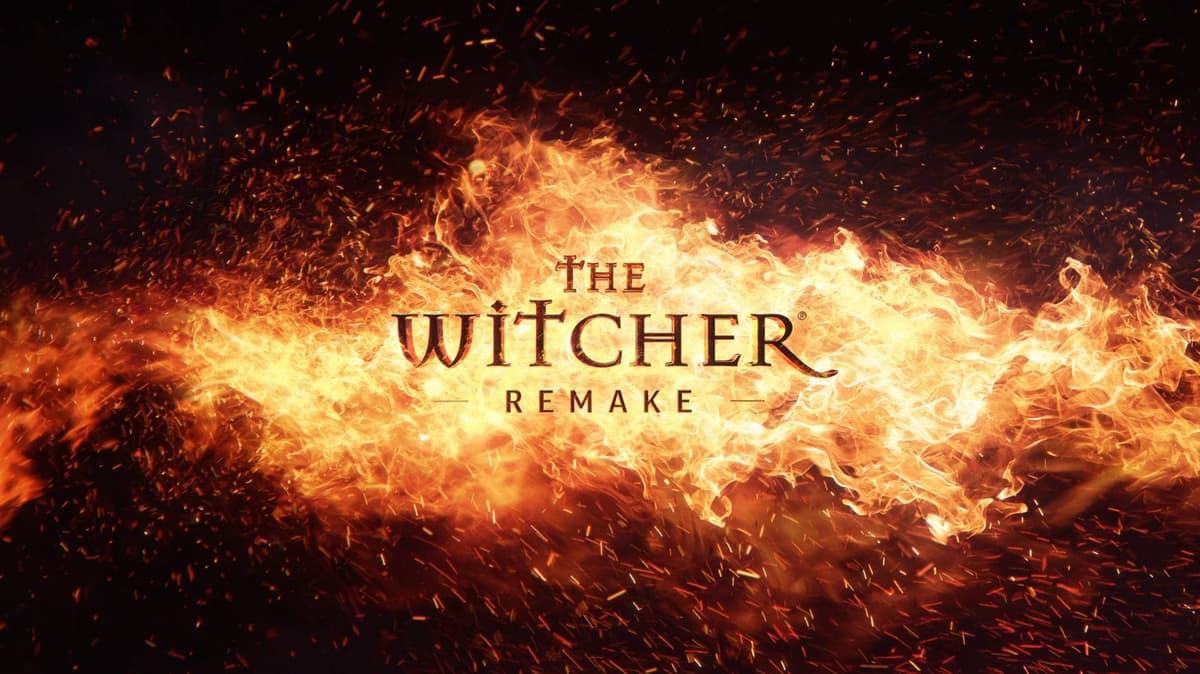
- Must-fixes: timing-click combat, awkward inventory, loading times, and the “cards.”
- Must-keep: the gritty tone, meaningful choices, and alchemy/toxicity as a real build pillar.
- Nice-to-have: Witcher 3-tier contracts, readable bestiary-driven prep, better sign depth.
Why the wait will be long (and probably worth it)
CDPR historically plays the long game. Cyberpunk 2077 was teased in 2012 and launched in 2020, with The Witcher 3 arriving in between. The current roadmap prioritizes Polaris (The Witcher 4) as the foundation of a new saga—also on UE5—which makes sense from a tech standpoint. Build the shared tools, pipelines, and open-world chops once, then apply those lessons to the remake. That minimizes risk and asset churn, but it also pushes the remake behind a full mainline release and likely at least one expansion cycle. Translation: years.
There’s also a smart business angle. Dropping a remake before Witcher 4 could cannibalize attention. Releasing it afterward turns the remake into a clean on-ramp for new fans who bounce off 2007’s jank but want to experience the full saga in a modern format. It’s the same logic that made Resident Evil 2 and 4 remakes such evergreen sellers: a fresh entry point that respects the legacy.
Want to Level Up Your Gaming?
Get access to exclusive strategies, hidden tips, and pro-level insights that we don't share publicly.
Ultimate Gaming Strategy Guide + Weekly Pro Tips
What gamers should do now
If you’re Witcher-curious, don’t wait on this for years. The Witcher 3 remains one of the best RPGs ever, and it’s a perfectly valid starting point. If you care about series chronology, The Witcher 2 still holds up with sharper combat than 1 and a great branching mid-game. The 2007 original is worth a historical tour if you’re patient (or mod-happy), but most players will bounce off its systems in 2025. The remake aims to fix that—but you’ll be older and grayer by the time it arrives.
Open questions we’re watching
- How faithful is “faithful”? Open-world structure could reshape entire acts and quest flow.
- Combat identity: Will styles return, or will it lean into Witcher 3’s action with deeper alchemy?
- Continuity tweaks: Does the story shift to better align with Witcher 3 lore and characters?
- Performance ambitions: UE5 is gorgeous, but can they avoid next-gen bloat and shader stutter?
- Voice and tone: Will returning talent and a grittier script keep that Witcher 1 edge without the cringe?
TL;DR
The Witcher Remake is a full UE5, open-world reimagining by Fool’s Theory with CDPR oversight. It’s exactly what Witcher 1 needs—just not anytime soon. Expect it after Witcher 4, which makes 2028 the earliest realistic window. In the meantime, there’s no shame starting with Witcher 3 or revisiting Witcher 2 while we wait.