
Table of Contents (8)
Why This Anime Surprise Actually Matters
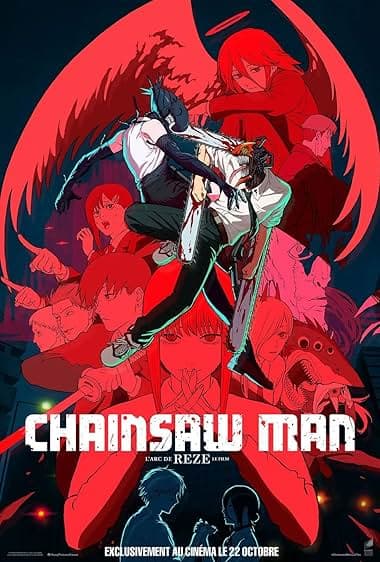
I didn’t expect Chainsaw Man’s return to hit like this. Three years after season one, MAPPA dropped Chainsaw Man – The Movie: Reze Arc, and it immediately surged to #2 on MyAnimeList with a 9.21 as of October 1, 2025. That’s not just an applause line—it’s a statement. We’ve seen hype spikes before, but this one’s backed by a film that takes one of the manga’s most beloved arcs (volumes 5–6) and actually does something braver than bigger fights: it slows down and cuts deeper.
- MAPPA went feature-length to adapt the Reze/Bomb Girl arc—a smart pick over a rushed season two.
- It’s topping MAL now, but staying power will be the real test—recency bias is real.
- Expect brutal action, yes, but the emotional hit is what lingers.
- If you’re new, it’s not the ideal entry point; for fans, it’s the payoff you hoped for.
Breaking Down the Release
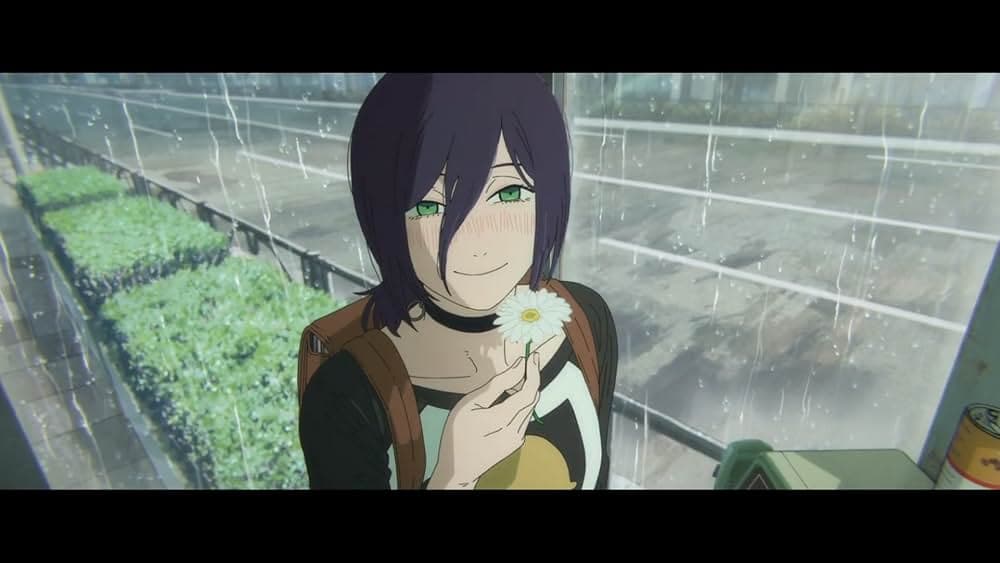
Released in Japan on September 19, 2025, and rolling out internationally via Crunchyroll later that month, the 100-minute film is directed by Tatsuya Yoshihara and produced by MAPPA. It picks up after the Katana Man showdown, centering on Reze—a chance meeting in the rain that turns Denji’s world inside out. No spoilers here beyond the trailers: romance, betrayal, and a finale that hurts in the way Tatsuki Fujimoto fans almost crave.
The numbers explain the noise. MyAnimeList: 9.21, currently #2 of all time behind Frieren: Beyond Journey’s End and edging past Fullmetal Alchemist: Brotherhood. Rotten Tomatoes sits at 97% from critics and 99% from audiences (as of October 10, 2025). By mid-October, the box office cleared $113 million worldwide, with an opening weekend north of ¥1 billion in Japan—not Demon Slayer: Mugen Train levels, but huge for a darker, weirder shōnen film after just one TV season.
Critical chatter lines up with what I felt watching it. Timothy Lee (Geeks of Color) called it “both the year’s best and one of the most impactful animated films,” while Jeffrey M. Anderson (Common Sense Media) praised it as a “thrilling, tightly edited, emotionally strong” feature. Kate Sánchez (But Why Tho?) nailed the balance, saying it “juggles bloody action with sincere romance,” reminding viewers that Chainsaw Man “isn’t spectacle for spectacle’s sake—it’s storytelling.”
On the audio side, Kensuke Ushio returns with a score that leans into aching motifs and anxious electronics, while theme tracks from Kenshi Yonezu and Hikaru Utada give the film that mainstream-meets-melancholy vibe fans associate with big anime events. It’s less “kick the door in” and more “twist the knife,” in the best way.
Scene-by-Scene Highlights
To understand why this adaptation resonates so deeply, let’s zero in on three pivotal sequences:
- The Rainy Reunion: The film opens with Denji stepping off a crowded Tokyo street into a downpour. The camera lingers on raindrops splattering against the pavement, then cuts to Reze’s hesitant smile under a crumbling umbrella. Here, Yoshihara uses tight close-ups—uncommon for MAPPA’s usual wide-angle flair—to capture the tender vulnerability between the two. The score drops to barely a whisper, making every word feel like a confession.
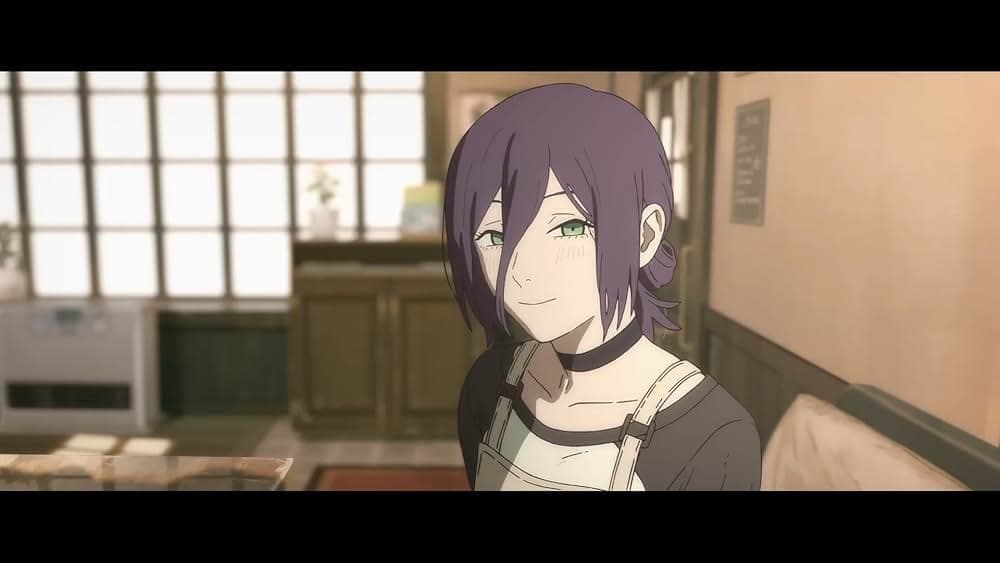
- Café Conversation Turned Trap: Later, a seemingly innocuous coffee date shifts into a breathless game of cat and mouse. MAPPA’s composite work shines in the dynamic camera sweep as tables crash and coffee splatters—yet the real terror is in Reze’s shifting gaze, lit by harsh window light. The editing tempo increases in staccato bursts, echoing Denji’s pounding heart.
- Final Confrontation: When the plot’s stakes snap into focus, the fight choreography is brutal yet elegant. Yoshihara intercuts Denji’s chainsaw frenzy with flash flashes of Reze’s flash bomb ability, each cut timed to Ushio’s pulsing synth. It’s violent, yes, but it’s also achingly personal—the film never lets you forget the emotional tether between hunter and hunted.
Directorial Masterstrokes and Season One Comparison
Season one under Ryu Nakayama introduced us to Denji’s world with a grounded, almost guerrilla-style camera that threaded carnage through gritty realism. Here, Tatsuya Yoshihara leans into cinematic choreography without losing that intimacy. He amplifies the mood through color shifts—a cold, bluish palette for moments of doubt, warming to crimson during bursts of violence. Yoshihara’s restraint is the counterpoint to MAPPA’s signature kinetic flair: he knows when to freeze a frame on a character’s haunted eyes, letting silence speak volumes.
Volume-to-screen fidelity matters, too. The manga’s pacing in volumes 5–6 is merciless, but the film runs at a trim 100 minutes. That discipline forces each beat to count. By contrast, a hypothetical season two could have padded the arc with filler or diluted its impact. This feature feels purpose-built, a surgical adaptation that respects Fujimoto’s storytelling rhythm.
Counterarguments and Limitations
No film is perfect, and Chainsaw Man – The Movie: Reze Arc comes with caveats. First, newcomers may find the context confusing. Without season one’s character groundwork, Denji’s choices land with less punch. Second, the 100-minute runtime—while admirably concise—means secondary characters and world-building details get short shrift. Some viewers have noted that Exorcist Devil cameo lines feel shoehorned, lacking the texture they had in print.
Production concerns also linger. MAPPA’s workload has become legendary, and there’s chatter about tight schedules affecting backstage morale. While the on-screen output remains top-notch, sustaining this level of artistry through a full season two will be a tall order. Lastly, the film’s emotional brutality—its blend of graphic gore and psychological torment—won’t be everyone’s taste. If you came for a straightforward action flick, you might leave unsettled rather than exhilarated.
Why It Matters and What’s Next
So why does the Reze Arc matter beyond its immediate hype? First, it proves that anime films can deliver mature, character-driven narratives without bloating. Second, it sets a creative benchmark: thoughtful pacing, thematic coherence, and emotional weight are box-office draws, not liabilities. For studios eyeing the next anime event, the lesson is clear—pick the right arc, give it breathing room, and trust your audience’s appetite for depth.
Looking ahead, season two will have huge expectations. Will MAPPA maintain this synergy of style and substance over a 12-episode run? The pressure is on, but the success of the Reze Arc feature offers a blueprint. Fans can reasonably expect season two to build on this emotional groundwork, exploring Denji’s psyche with the same visual inventiveness.
Whether Chainsaw Man – The Movie: Reze Arc holds its #2 MAL slot long-term is almost beside the point. Its real triumph is proving the series is more than edgy meme fuel—it’s an emotionally resonant shōnen that can thrive in any format. If dark, visceral storytelling with a beating heart is your lane, this film delivers—and it’s just the beginning.
TL;DR
Chainsaw Man – The Movie: Reze Arc earns its hype with focused storytelling, superb direction, and a score that cuts deep. It might not convert total newcomers, but for fans it’s the definitive version of a crucial arc—and proof that this series is built for more than shock value.
⚡ Related articles ⚡
FinalBoss // Gear
Level up your setup
01Top-rated gaming headsetson Amazon→02High-refresh gaming monitorson Amazon→03Gaming chairson Amazon→04Discounted game keyson Kinguin→Affiliate links · As an Amazon Associate, FinalBoss earns from qualifying purchases.
Want to Level Up Your Gaming?
Get access to exclusive strategies, hidden tips, and pro-level insights that we don't share publicly.
Ultimate Gaming Strategy Guide + Weekly Pro Tips