
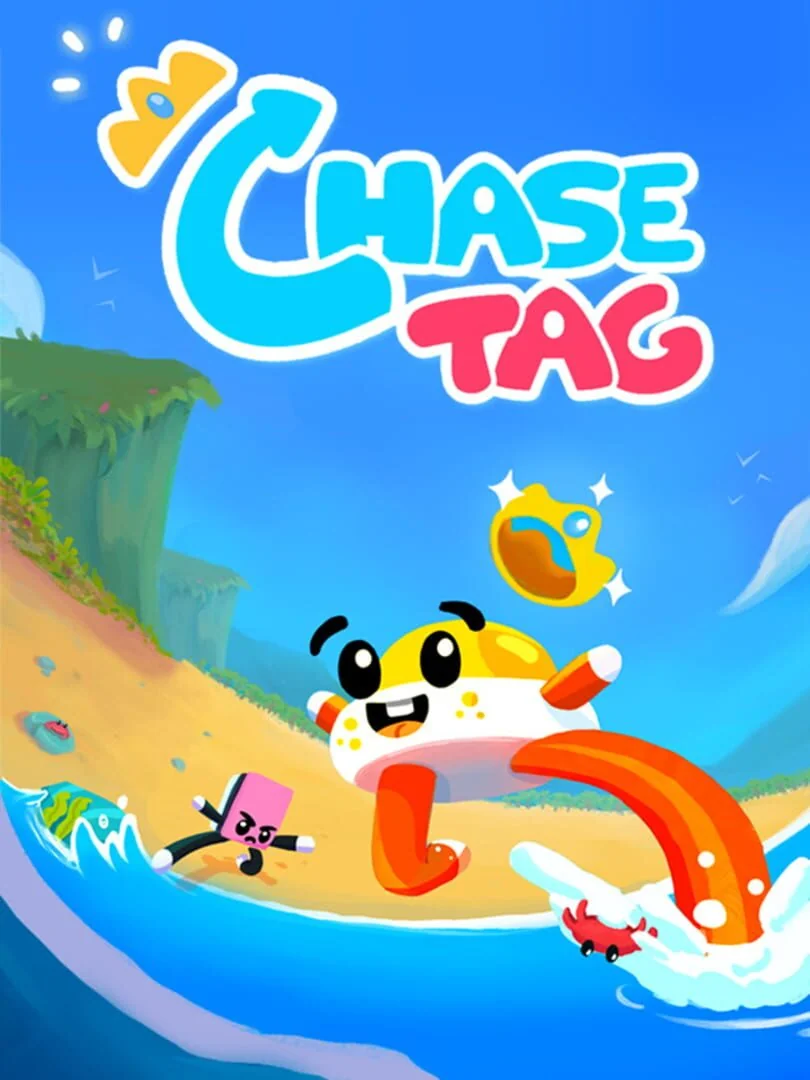
This one jumped off the screen for me-ChaseTag isn’t just another “wacky multiplayer” project trying to cash in on the party game boom. It’s a parkour-fueled reinvention of the playground classic, aiming for that rare mix of instant fun and actual skill ceiling. After seeing the first gameplay trailer and diving into the developer interview, I’m honestly intrigued by how this one could carve out its own niche on PC and Switch.
| Feature | Specification |
|---|---|
| Publisher | Zero Games Studios |
| Release Date | 2025 (exact date TBA) |
| Genres | Competitive Multiplayer, Party, Parkour, Action |
| Platforms | PC, Nintendo Switch |
Let’s get this out of the way: yes, the “zany multiplayer” space is crowded. You’ve got Fall Guys, Boomerang Fu, Rubber Bandits, and a dozen others all chasing that magic “easy to stream, fun with friends, but not shallow” formula. So why does ChaseTag stand out in this swarm of party games?
ChaseTag’s core concept is beautifully simple: chase or evade, using movement and timing to outplay rivals in tight, colorful arenas. But talking with the game’s 3D artist Romain Henocque made it clear-this isn’t just about frantic button-mashing. The devs are obsessed with movement mechanics. Think air dashes, wall jumps, momentum tricks, and map-specific traps. It’s all about flow and outsmarting your opponents, not just raw chaos.
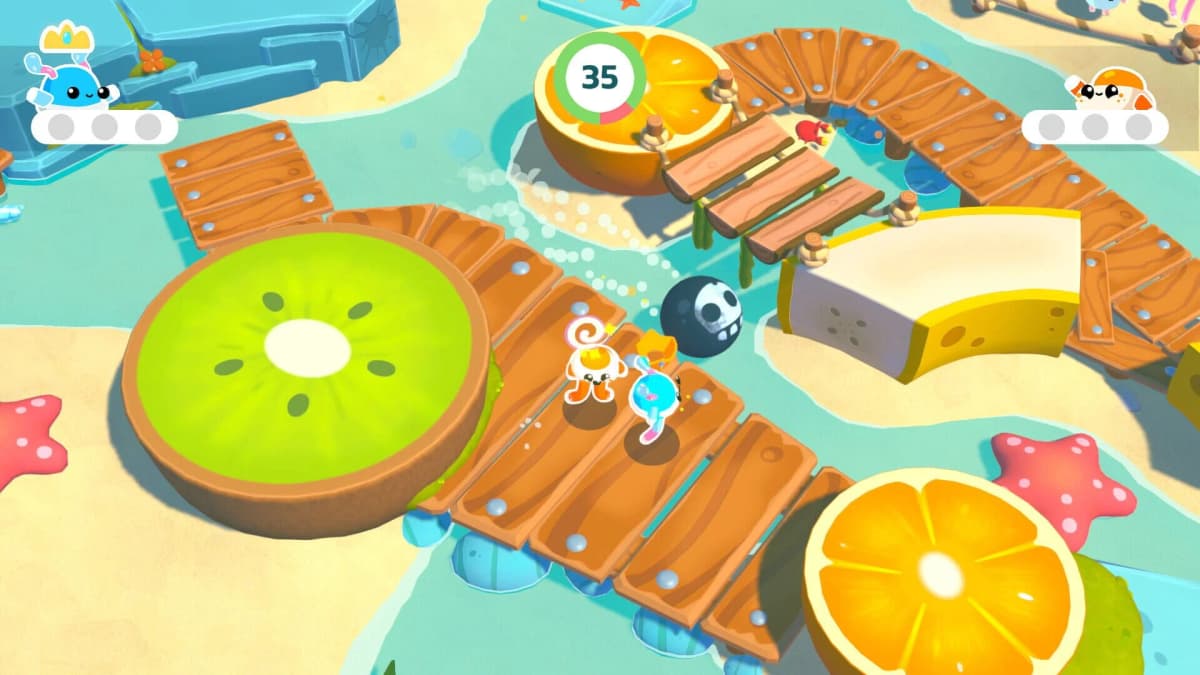
What I love is how ChaseTag pulls inspiration directly from the raw tension of World Chase Tag (yes, that real-life arena sport), then fuses it with the party game energy of Mario Kart or Super Smash Bros. The result? A format where every second counts, matches are short and punchy (3-5 minutes), and winning actually feels earned.
The devs aren’t just tossing in a single “tag” mode and calling it a day. There’s classic tag for 2+ players, but also team-based modes like “Épervier” where tagged players join the chasers, ramping up the stakes each round. Five distinct maps mean you won’t just be memorizing one layout, and each arena leans into verticality, hazards, and those all-important power-up spawns.
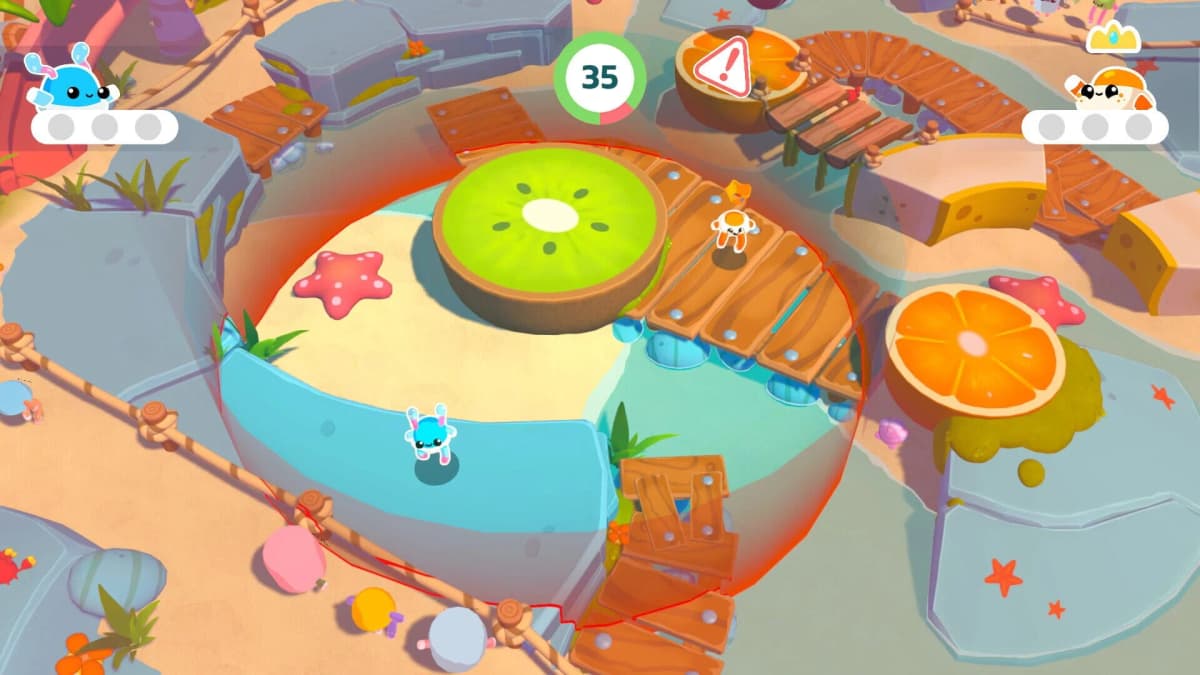
Power-ups aren’t just gimmicks, either. They’re deliberately placed to force tough decisions—do you go for the instant advantage and risk getting caught, or stick to your escape route? Importantly, the devs promise these power-ups won’t break the balance: they’re situational tools, not guaranteed win buttons. If this holds true, it could be a huge plus for competitive play and streaming.
Romain Henocque says accessibility is key: the controls are designed for newcomers to jump in and have a blast. But beneath that friendly exterior is a movement system with real depth—think clever dashes, environmental mastery, and those tiny timing tricks only repeat players will pick up. This is the sort of design that makes or breaks replayability for party games: easy to learn, genuinely hard to master.
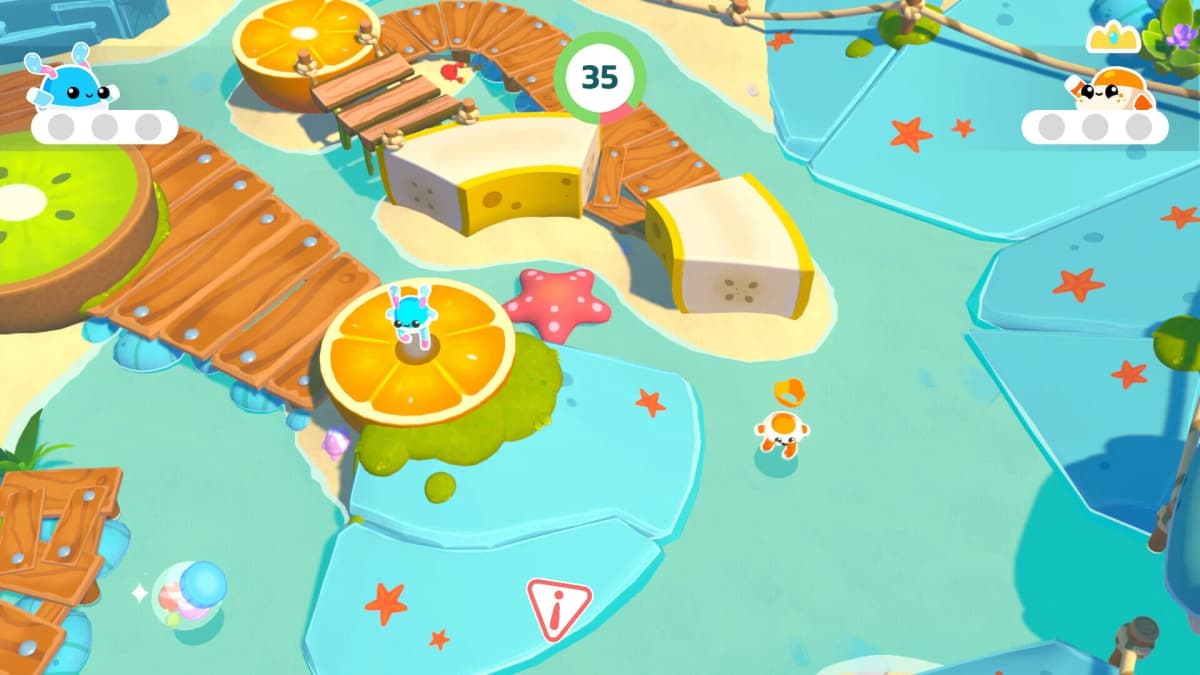
There’s no solo mode…yet. This is unapologetically a multiplayer experience, supporting local co-op or up to 10 online (depending on mode). That’s great for chaotic friend groups, but if you’re hoping to practice your parkour skills solo, you’ll have to wait and see if that’s added post-launch.
One thing that sets ChaseTag apart from throwaway party games? The team is openly planning for continued updates—think new cosmetics, arenas, modes, and maybe even new characters. It shows a welcome confidence, but as a gamer, I’m keeping an eye on how those updates play out. Is it meaningful new content, or just a treadmill of paid skins? Only time (and community feedback) will tell.
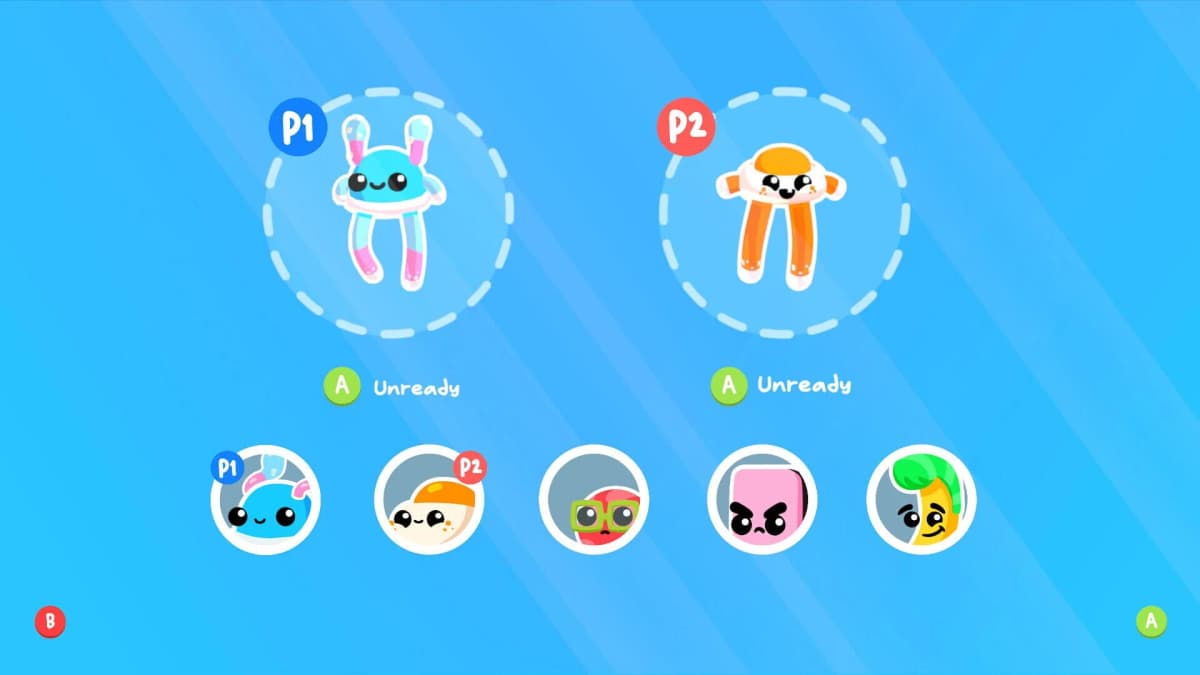
If you love party games but crave more than just button-mashing chaos, ChaseTag is genuinely worth watching. Its blend of movement skill, real-time decision making, and short-session design could make it a go-to for streamers, competitive players, and casual groups alike. That said, it’s launching into a highly saturated genre—if the movement feels as good as promised and the post-launch updates deliver, ChaseTag could run circles around the competition. But if the balance tips too far into gimmicks or shallow content, it might just be another blip in the party game flood. For now, color me cautiously optimistic—and ready to get embarrassingly sweaty in a round of neon-fueled tag.
ChaseTag stands out for its tight parkour movement, skill-driven gameplay, and vibrant arenas—think playground tag if it went full esports and Mario Kart. The polish and focus on replayability are promising, but the real test will be whether the movement and post-launch support match the ambition. If you’re hungry for a party game with real depth, keep this on your radar for 2025.
Source: Zero Games Studios via GamesPress
Get access to exclusive strategies, hidden tips, and pro-level insights that we don't share publicly.
Ultimate Gaming Strategy Guide + Weekly Pro Tips