
Table of Contents (8)
Why these cheap retro handhelds actually matter – and why the bundled microSD is the real danger
Cheap retro handhelds are having a moment. Supply squeezes on modern consoles and a bigger emulator community mean you can relive childhood classics without an expensive machine. That’s the headline. The less visible story: the value of these devices lives or dies on two small things you’ll probably ignore at checkout – community reputation and the microSD card that comes inside.
- Key takeaway: the hardware is cheap and often competent; the bundled storage and legal gray areas are where buyers lose time and money.
- Key takeaway: subscription libraries (Xbox Game Pass, Nintendo Switch Online) are expanding, making legal alternatives more attractive.
- Key takeaway: do community research, buy a trustworthy microSD, and back up saves immediately – not later.
What’s actually changed
Nostalgia + a thriving emulator scene = a flourishing market for handhelds that run everything from Game Boy Advance classics to early PlayStation titles. Models like the white‑label R36S, Anbernic’s RG-40XXH, the Miyoo Flip clamshell, and the Retroid Pocket 5 are the devices you’ll see again and again in community threads. They cost a fraction of modern consoles, often include decent screens and controls, and — crucially — don’t need cutting‑edge silicon to run older games well.
Don’t buy the box, buy the storage
This is the uncomfortable observation vendors don’t want you to make: most bundled microSD cards are garbage. No‑name cards commonly shipped with these handhelds suffer fake capacity, slow speeds, corrupted save files, or catastrophic failure. Long before you curse the emulation build or the controls you’ll lose progress because the card dies or is improperly formatted.
The practical fix is boring but effective: spend a little more on a reputable microSD (SanDisk, Samsung, or other known brands), format it yourself, and copy a verified backup of your saves. Treat these devices as platforms — you’ll be flashing firmware, swapping images, and relying on community guides. If that sounds like work, you’re better off with a subscription service.
Legal reality: emulators are fine; downloaded ROMs aren’t
Emulator software itself generally sits on solid legal ground. Creating and running a personal backup of games you own is defensible in many jurisdictions. Downloading and distributing ROMs from the internet is not — it’s piracy. If a handheld arrives with thousands of games preinstalled, the legal risk mostly falls on the seller and the storefront that hosted the listing, but that doesn’t mean you’re risk‑free. Import seizures and removed listings are real possibilities.
If you want to stay clearly legal: buy the games you own, use official collections, or pick a subscription. Microsoft’s Game Pass continues to add big titles (Cyberpunk 2077 arrived on March 10; Hollow Knight: Silksong moved to Premium in mid‑March), showing that subscription libraries are still growing — an argument for paying for access rather than chasing preinstalled ROMs. Nintendo’s Switch Online + Expansion Pack remains the only tidy way to play many Nintendo classics without gray markets.
How the popular models actually compare
R36S: A white‑label staple. Cheap, widely cloned, and surprisingly capable for 2D and early 3D systems like PS1. Expect variable quality and heavy community support rather than corporate warranty.
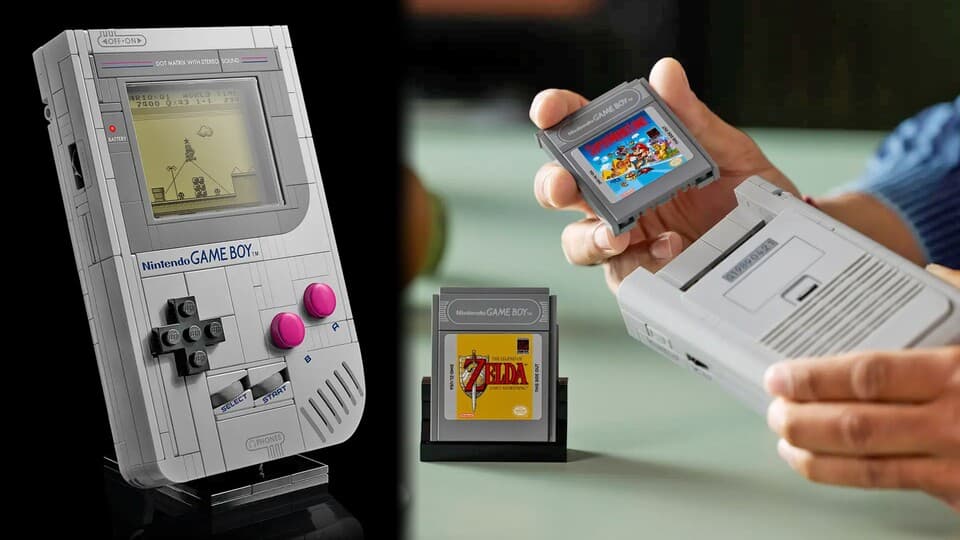
Anbernic RG‑40XXH: A safer middle ground. Better ergonomics and more predictable performance on DS/N64-era titles than white‑label units. Anbernic has a track record in the scene, which matters when you need firmware updates.
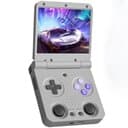
Miyoo Flip: Clamshell lovers will like this — form factor like a GBA SP with competent emulation. Generally favored for pocketability and battery life, though compatibility with heavier 3D titles is limited.
Retroid Pocket 5: The “do‑everything” pick if you accept a higher price. Android‑based, Snapdragon class SoC, and enough RAM to attempt heavier emulation (PS2, some Wii U/Switch indie titles) — though expect compatibility quirks and a need for community tuning.

The question vendors don’t want you to ask
“Who is responsible for the content on this device?” If the answer is vague, assume the games are unlicensed. Ask the seller explicitly. Ask whether the device ships with a known good microSD card brand and whether they provide backup tools. If they dodge those questions, that’s your cue to walk away.
What to watch next
- More subscription expansions — Xbox’s March additions (Cyberpunk 2077 on March 10; Hollow Knight: Silksong around March 12) underline how subscription libraries reduce the need for grey devices.
- Community firmware updates — follow device subreddits and handhelds.wiki for stability patches and compatibility lists before buying.
- Customs enforcement trends — increased seizures of ROM‑loaded imports would change the risk calculus for buyers outside China.
If I were interviewing a seller I’d ask: “Do you ship licensed games? What brand and capacity is the included microSD? Do you support refunds when cards fail?” If they can’t answer, that’s the answer you need.
TL;DR
Cheap retro handhelds are a great way back into older games — but don’t buy blind. Prioritize community-vetted devices, ditch the bundled microSD for a reputable card, back up saves immediately, and consider subscription services like Game Pass or Nintendo’s offerings if you want a fully legal, low‑fuss option.
FinalBoss // Gear
Level up your setup
01Retro consoleson Amazon→028BitDo controllerson Amazon→03Capture cards (Elgato & more)on Amazon→04Discounted game keyson Kinguin→Affiliate links · As an Amazon Associate, FinalBoss earns from qualifying purchases.
Want to Level Up Your Gaming?
Get access to exclusive strategies, hidden tips, and pro-level insights that we don't share publicly.
Ultimate Gaming Strategy Guide + Weekly Pro Tips