
Why Chief of War Feels Like a Grand Strategy Game
Why Chief of War Feels Like a Grand Strategy Game
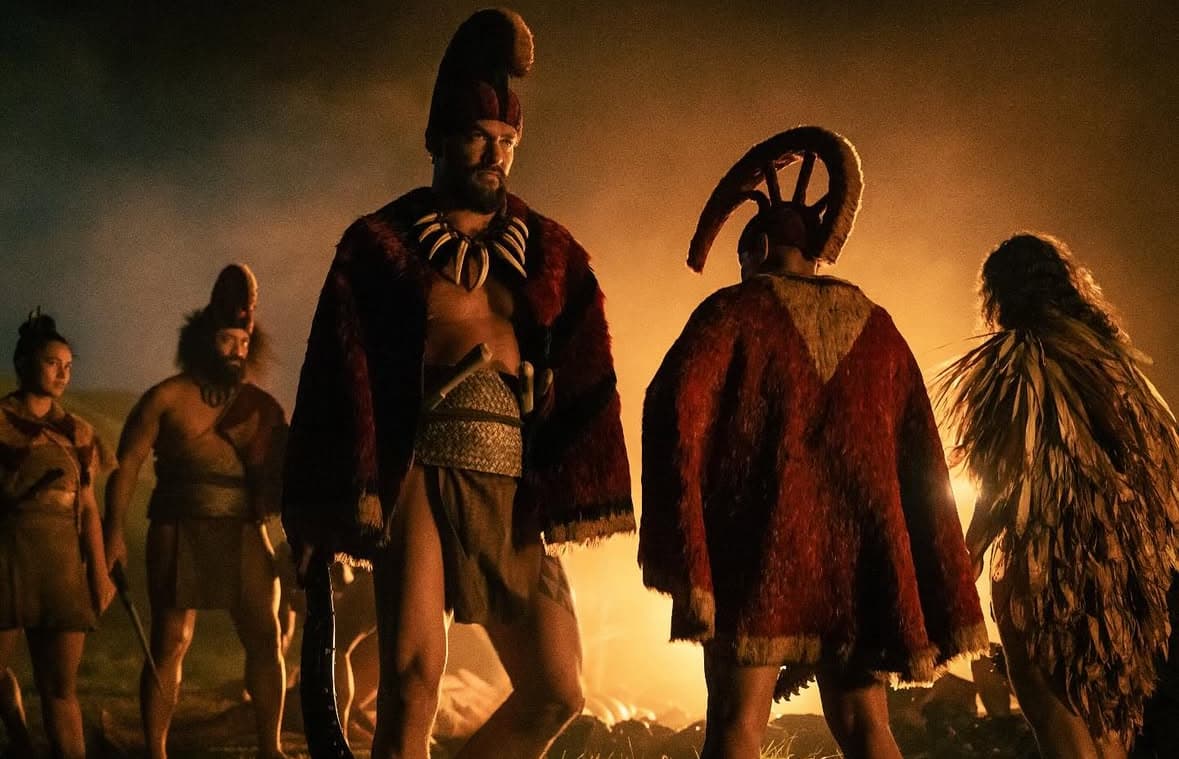
Apple TV+’s Chief of War bridges the gap between screen drama and grand strategy gaming, transporting viewers into late 18th-century Hawai‘i. There are no dragons or intergalactic fleets here—just ali‘i (chiefs) maneuvering for power through diplomacy, betrayal, and alliances. As the series climbs streaming charts worldwide, both hardcore strategy veterans and historical-drama fans are finding themselves utterly captivated.
A Living Sandbox for Strategy Fans
If you’ve ever lost sleep arranging dynastic marriages in Crusader Kings or micromanaging production chains in Civilization, Chief of War will feel like a real-time simulation. Instead of a graphical interface, you watch every council session, secret pact, and battlefield advance play out in cinematic detail. Viewers witness Kaʻiana—an ali‘i whose shifting loyalties ignite some of Hawai‘i’s fiercest regional conflicts—wrestle with resource scarcity, spy networks, and the art of negotiation without hitting a single button.
High-stakes power plays and sudden betrayals mirror the emergent storytelling that keeps strategy gamers hooked. Every dialogue hint, unattended outpost, or broken treaty can turn the tide, making you lean forward in your seat just as you might during a tense multiplayer match.
Anchored in Real History
What sets Chief of War apart is its rigorous attention to authenticity. Rather than slapping on a “Hawaiian aesthetic,” the production team enlisted respected historians, ʻōlelo Hawaiʻi (the Hawaiian language) experts, and cultural advisors at every stage. You’ll hear chiefs perform pule (prayers) in authentic cadence, see kapa (bark-cloth) robes hand-stitched by practitioners, and feel the weight of protocol breaches that could upend centuries-old governance.
This level of detail turns worldbuilding into a form of historical preservation. Viewers learn that kapa patterns signify social rank, that certain chants invoke ancestral guardians, and that strategic marriages carried real diplomatic weight—lessons that veteran gamers recognize as the lifeblood of any well-crafted scenario.
Crafting Cultural Authenticity
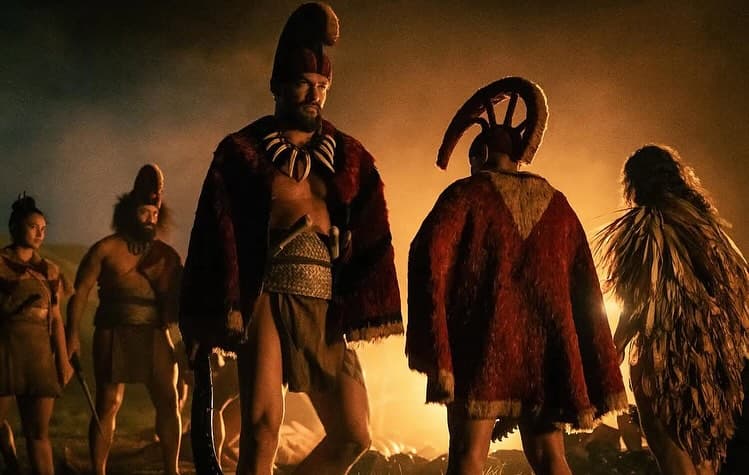
The series’ production design team traveled across O‘ahu and Kaua‘i, filming at ancestral sites to capture genuine backdrops—from volcanic shorelines to sacred groves. Costumes incorporate traditional lauhala (pandanus leaf) weaving and featherwork that denote high status. The musical score leans on pahu drums, ʻukulele, and oli (chants), reminding viewers that every sound carries cultural meaning.
By respecting physical spaces and intangible heritage, Chief of War transforms its environments into more than just scenic set pieces. They become active elements in the narrative, influencing how chiefs gather, how messages travel, and how loyalties shift under the canopy of banyan trees or within palace courtyards.
Momoa’s Role as Cultural Steward
Jason Momoa isn’t merely the show’s star—he co-created and co-writes the series, channeling his Native Hawaiian roots. He approaches props like the leiomano (shark-tooth weapon) not as mere stage accoutrements but as symbols of ancestral authority. Momoa’s hands-on work with cultural advisors and his public advocacy for Hawai‘i’s preservation imbue the production with a genuine spirit of stewardship.
Famously associated with roles like Khal Drogo and Aquaman, here Momoa adopts a different mantle: that of a guardian of heritage. His commitment echoes through every council scene and battlefield clash, ensuring Hawaiian voices guide the story rather than be mere adornments.
Want to Level Up Your Gaming?
Get access to exclusive strategies, hidden tips, and pro-level insights that we don't share publicly.
Ultimate Gaming Strategy Guide + Weekly Pro Tips
Early Reception and Impact
Although Apple TV+ has not released official viewership statistics, social media from Hawaiian communities and strategy-gaming forums is buzzing. Fans applaud the show’s refusal to shy away from the brutal realities of pre-unification Hawai‘i, while still honoring moments of ritual, relationship, and resilience. Comments often highlight how seeing strategy lessons unfold in human drama—versus a UI—reframes players’ understanding of diplomacy and warfare.
This enthusiasm suggests Chief of War could redefine how streaming dramas engage with non-Western histories, inviting both gamers and general audiences to reexamine familiar mechanics through a new cultural lens.
Lessons for Strategy Gamers
More than entertainment, Chief of War offers a masterclass in leadership, negotiation, and cultural intelligence. Key takeaways include:
- Cultural Literacy: Respect for local customs can win alliances as surely as military victories.
- Dynamic Alliances: Personal relationships often outweigh raw resources in swaying loyalties.
- Resource Management: Scarcity of food, weapons, or labor forces leaders to make difficult choices with lasting consequences.
- Adaptability: Unexpected betrayals or environmental factors demand swift strategic pivots.
Witnessing these principles in action—without the intermediary of menus or hotkeys—can deepen a gamer’s appreciation for the real-world complexities behind every conflict simulation.
Conclusion
Chief of War proves that authenticity, when handled with respect and scholarly rigor, can rival any fantasy epic. By weaving real Hawaiian history, strategic intrigue, and heartfelt cultural care into one seamless narrative, the series invites both strategy gamers and drama aficionados to experience a new kind of battlefield. Tune in on Apple TV+ and prepare for an adventure where every alliance, ritual, and council meeting feels as alive as the islands themselves.