
Chris Roberts’ defense of Star Citizen is simple: the project took forever and cost nearly a billion because Cloud Imperium had to build its own engine and server tech to hit an ambition other studios never attempted – not because the team ran off with crowdfunds. Trouble is, the explanation arrives while the game is still alpha and a January security breach has put six million accounts’ personal data in the open. That combination makes “we had to build it ourselves” a technically plausible excuse and a public relations risk at the same time.
- Key takeaway: Roberts framed delays and huge crowdfunding totals as the price of bespoke engine and server work, not malfeasance (Back Pocket/GameStar).
- Key takeaway: The codebase shows concrete movement – new ships, Nyx POIs, transport updates, and tentative crafting in alpha 4.7 – but core features remain “tentative” (MassivelyOP).
- Key takeaway: A January 21 intrusion exposed names, birthdates and account metadata for millions of players, amplifying calls for transparency about security and finances (JeuxVideo/CIG).
Table of Contents (6)
He’s selling bespoke tech, not excuses — but salesmanship only goes so far
On a February 20 Back Pocket podcast segment summarized by GameStar, Roberts leaned into an argument long familiar to anyone who’s watched the project: there was no off‑the‑shelf engine or networking stack that would let him build the persistent, high‑fidelity space sim he imagined. So CIG wrote its own — which, he says, explains the ballooning time and money. He repeatedly acknowledged past overpromises and a quieter public persona since those missteps, but insisted the payoff is a playable alpha and, eventually, a live service capable of thousands (Roberts has publicly aimed at 10,000 players per shard historically, and in this interview referenced server tech that should allow a few thousand in one area).
Progress is visible — but it’s still the kind of visible that keeps backers anxious
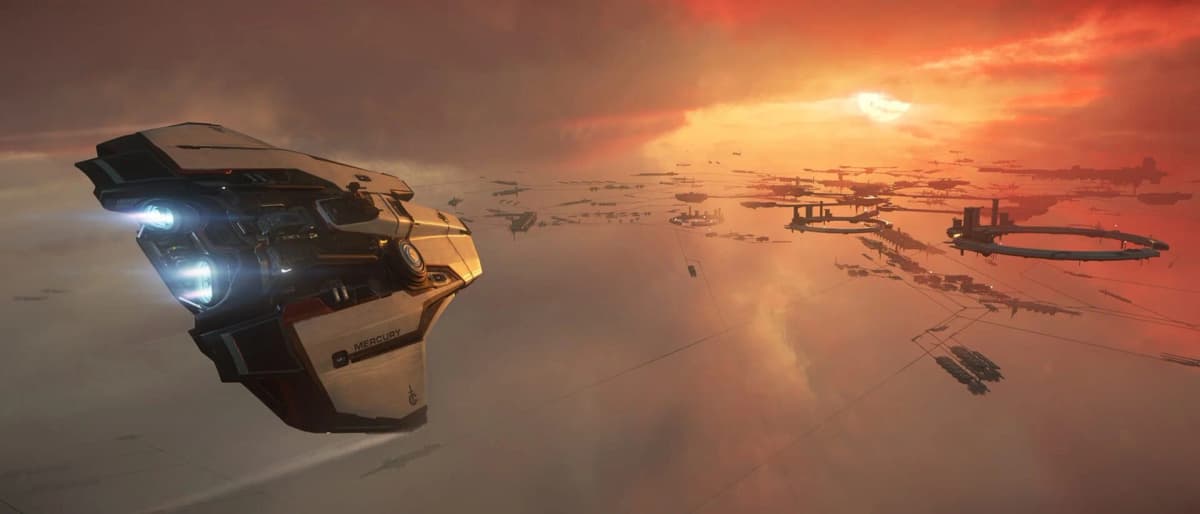
Massively Overpowered’s February roundup shows what “building from scratch” looks like in practice: four unannounced vehicles and a Hammerhead hitting gold, Nyx narrative work and POIs, transport system updates now in Evocati testing, and tentative first‑in‑game crafting listed for alpha 4.7. That’s real, incremental progress. It’s also exactly the sort of dripfeed CIG has relied on for years — visible wins, each one careful to remain “tentative” until it isn’t. Players see ships and systems arriving, and they still ask the practical question Roberts didn’t answer in the podcast: at what point does the sum of these tentatives become a finished product with a date?
The uncomfortable observation nobody in PR wanted amplified
Roberts’ explanation is coherent: bespoke tech costs time and money. The uncomfortable follow‑up is a governance one. When you repeatedly ask the public to fund a decade‑plus project that now totals near $900M, technical explanations stop being purely engineering problems and become accountability issues. The January intrusion that leaked names, birthdays and account metadata for roughly six million players (CIG says no passwords or payment data were exposed) doesn’t prove misuse of funds, but it does make the “trust us, we’re building something no one else could” argument harder to sustain without independent verification.
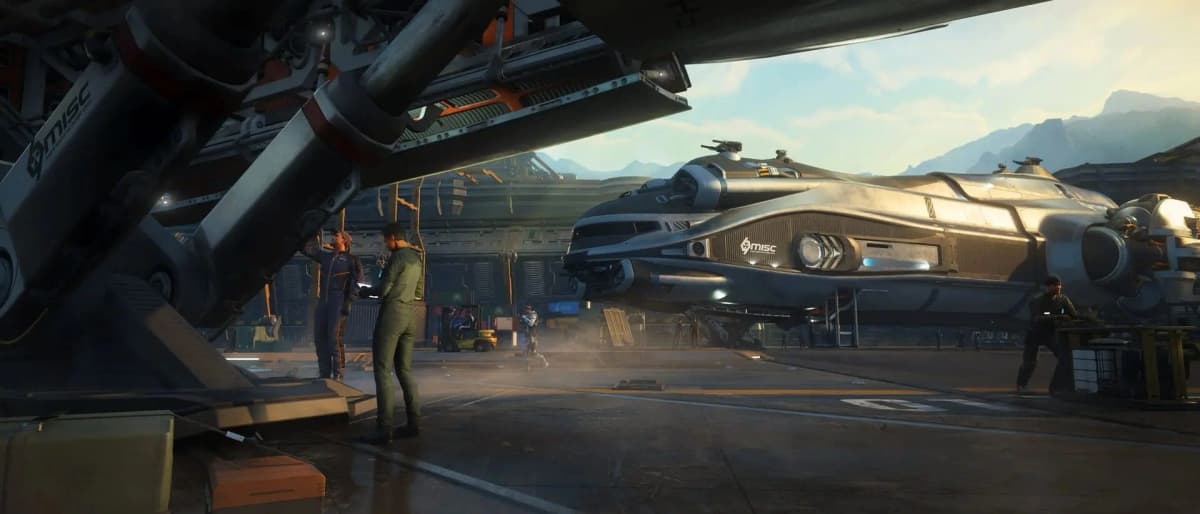
Put another way: Roberts can credibly say he needed custom servers. He can’t, from a PR perspective, afford for security and financial transparency to look like afterthoughts while delays continue.
What I would ask the CIG rep on record
- Publish a clear roadmap milestone for the new server tech and a non‑tentative timeline for mass‑area capacity tests (how many players, when, where).
- Commission or publish an independent audit summary of crowdfunding revenue and high‑level spending categories — not line‑item accounting, but enough to restore confidence.
- Detail the post‑breach remediation timeline and any third‑party forensics so backers know what was taken and what was done about it.
What to watch next
- Evocati transport system tests and any alpha 4.7 PTU windows — MassivelyOP flagged these as active signs of progress (watch build notes and on‑client test dates).
- Official updates after the CIG security disclosure — look for forensic reports, DMARC/2FA rollouts, and any evidence of dark‑web trades tied to the leak.
- Announcements around Squadron 42 “finalization” — Roberts said work is in the finishing stage; a release candidate or gold master declaration would be the clearest signal.
- CitizenCon or “Letter from the Chairman” events — historically where CIG sets major milestones or recalibrates expectations.
Roberts’ narrative — we had to build it ourselves — is plausible and matches the engineering updates CIG shows off. That plausibility, however, doesn’t negate the practical facts landing in players’ inboxes: the game remains unfinished, a large pot of public money is at stake, and a recent data breach has sharpened the question of whether backers are getting the governance and security that level of funding requires.
TL;DR
Chris Roberts defends Star Citizen’s long, costly build as necessary bespoke engineering rather than fraud. The alpha shows steady technical progress — ships, Nyx content, transport work and tentative crafting — but core features and timelines remain open. After a January data breach exposed millions of players’ personal info, demands for clearer timelines, security fixes and financial transparency are only going to grow.
FinalBoss // Gear
Level up your setup
01Flight sticks & HOTASon Amazon→02High-refresh gaming monitorson Amazon→03Gaming chairson Amazon→Affiliate links · As an Amazon Associate, FinalBoss earns from qualifying purchases.
Want to Level Up Your Gaming?
Get access to exclusive strategies, hidden tips, and pro-level insights that we don't share publicly.
Ultimate Gaming Strategy Guide + Weekly Pro Tips