
Table of Contents (7)
Blizzard’s controversial move might actually protect Diablo II – at least that’s Chris Wilson’s take
The short version: Blizzard put major gameplay changes and quality-of-life upgrades for Diablo II: Resurrected inside Reign of the Warlock, a paid expansion, rather than patching the base game. That choice sparked a debate about monetization and preservation. Chris Wilson – co-creator of Path of Exile and someone who built a hugely popular ARPG in dialogue with Diablo II – has publicly defended Blizzard’s call, saying keeping the original game intact is the respectful thing to do for a title that functions like a cultural artifact for the genre.
- Reign of the Warlock is the first paid Diablo II expansion in 25 years and adds a class, endgame changes, and inventory QoL.
- Wilson argues a preserved “vanilla” era per character keeps the original experience accessible — effectively treating the base game as a museum piece.
- This splits the community: some see DLC gating as cynical, others (including veteran devs) see it as a sane approach to change management and preservation.
Why this matters right now
Reign of the Warlock released to players on multiple platforms (PC, PS5, PS4, Xbox Series X/S, Xbox One, Nintendo Switch), and Blizzard’s decision to make several sweeping updates DLC-only immediately became a flashpoint. Fans who wanted modern conveniences like stacked inventory, tabbed stash, or new endgame content could buy the expansion — while purists could keep playing the untouched base game. That split is the source of the debate and the reason Wilson’s video answering critics landed in the discussion.
Breaking down Wilson’s defense
Wilson’s core argument is simple and rooted in reverence: Diablo II isn’t just another ARPG; it’s the foundation of the genre for a lot of players. In his words, translated from his message to fans, “When you make changes to Diablo 2, you have to be very careful. This is a very special game. It launched the whole ARPG genre.” He points out that Diablo II is a shared memory across decades, and that deserves respectful stewardship.
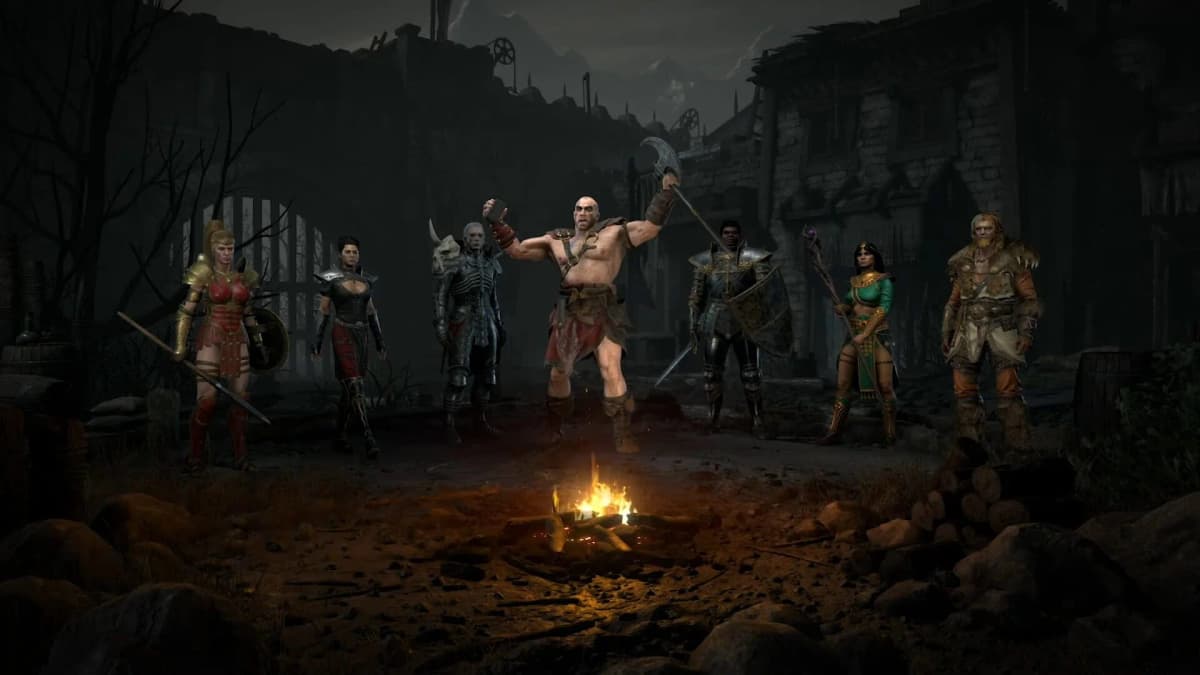
The concrete design decision Wilson highlights is the “era” selector Blizzard added — players can choose an era per character and opt into the Reign of the Warlock rule set or stay in the pre-DLC era. To Wilson, that is the difference between “ruining” a classic and offering a modern option: it preserves the original as a living museum exhibit while letting the community experiment with changes.
What’s actually in Reign of the Warlock?
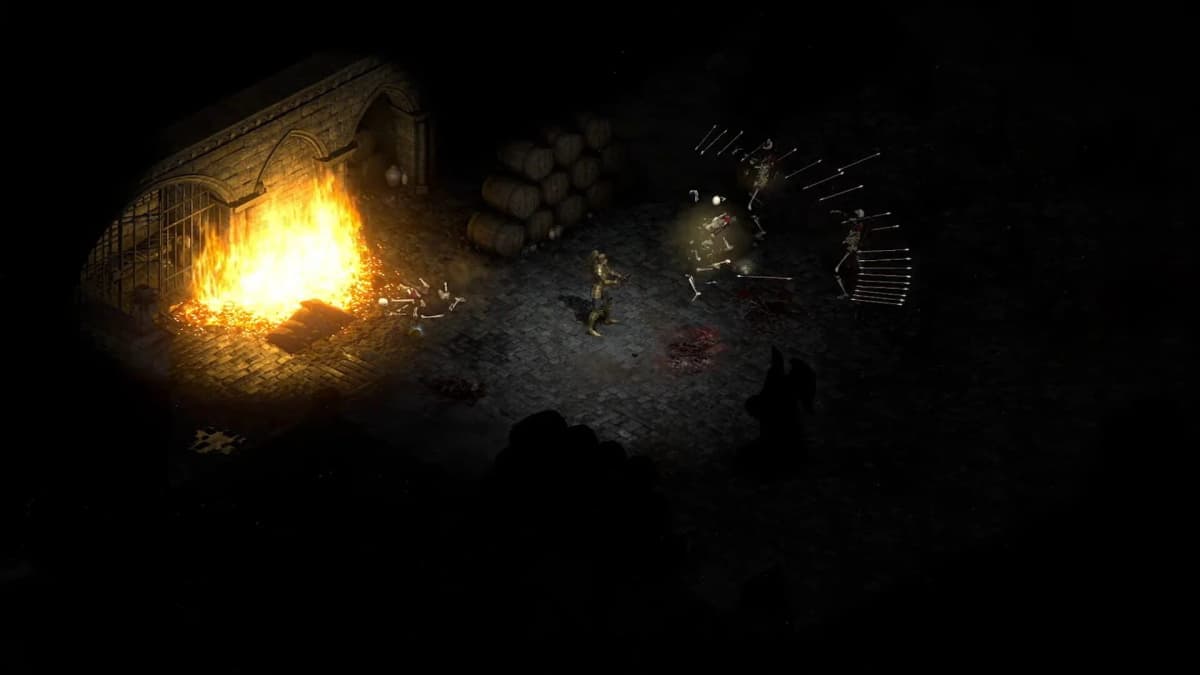
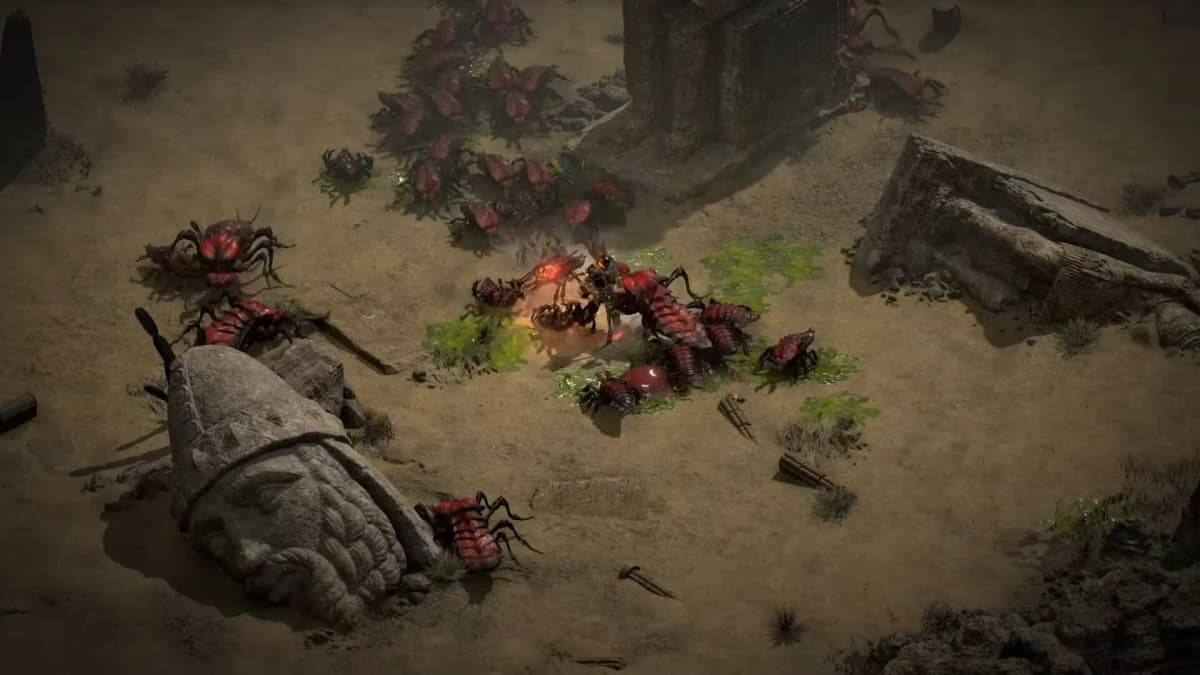
If you’re coming in purely for features rather than philosophy: Reign of the Warlock adds a new Warlock class that focuses on summoning demons and bonding to them for unique effects. It also brings tangible QoL updates — inventory stacking, dedicated stash tabs for materials, gems, and runes, plus better loot filters — and new endgame challenges such as Ancestor Colossals and revamped Terror Zones that let you tune acts for higher difficulty and rewards. For many ARPG players these are the sorts of updates that genuinely refresh long-term play.
Why preservation vs. monetization feels like a trap — and why it isn’t necessarily
It’s easy to be cynical: put desirable changes behind a paywall and you drive sales. That lens isn’t wrong — developers and publishers need revenue — but it’s incomplete. Wilson’s point reframes the DLC as a preservation tool: instead of rewriting the base game’s behavior for everyone, Blizzard created an opt-in modern layer. For players who care about the original feel, nothing changes. For players who want modern conveniences and new content, the DLC is there.
That approach matters for legacy titles. Unilateral changes to a classic can erase how a game was experienced; offering a toggleable era acknowledges that different players value different versions. It’s less about principle and more about practical respect for a community’s memories.
What this means for players
If you’re a purist and worried Blizzard will “update away” the Diablo II you grew up with, Wilson’s defense is encouraging: the vanilla game remains untouched for those who prefer it. If you want modern ARPG conveniences and new content, the expansion delivers measurable gameplay and QoL changes. If you fall somewhere in between, the era system gives you choice per character — which is a neat compromise.
TL;DR
Chris Wilson believes Blizzard’s decision to house major changes in Reign of the Warlock is an act of preservation, not just monetization. Whether you agree will depend on how much you value keeping the original Diablo II as-is versus paying for a curated modern update. Either way, the era-per-character model gives players real agency — and that’s the part I’m most interested to watch play out in the community.
FinalBoss // Gear
Level up your setup
01Top-rated gaming headsetson Amazon→02High-refresh gaming monitorson Amazon→03Gaming chairson Amazon→04Discounted game keyson Kinguin→Affiliate links · As an Amazon Associate, FinalBoss earns from qualifying purchases.
Want to Level Up Your Gaming?
Get access to exclusive strategies, hidden tips, and pro-level insights that we don't share publicly.
Ultimate Gaming Strategy Guide + Weekly Pro Tips