
Table of Contents (8)
Iceflake’s debut patch for Cities: Skylines 2 chooses realism over razzle-dazzle
When a new studio takes the reins of a fragile live game, you expect a big “look what we can do” update. Iceflake Studios did the opposite. Its first Cities: Skylines 2 patch, First Frost, is almost obsessively practical-patching how citizens die, age, and interact with the simulation-rather than delivering new features or flashy content. That matters because this is the kind of stability work that actually repairs the play experience, not the press release.
- Death mechanics fixed: time-of-day calculations, death frequency increases, and an easy-mode immortality bug squashed.
- Quality-of-life and visuals: autosave enabled by default, new UI icons, improved shadows and snow decals, and weather-aware fog.
- Simulation tuning: bike trips massively reduced and terraforming softened to avoid overpowered earthworks.
Key takeaways
- First Frost prioritises core simulation fixes-especially around death and aging—over new features.
- Autosave on by default and onboarding improvements show a focus on player experience and fewer avoidable frustrations.
- Steam reviews have already ticked up since Iceflake’s takeover, suggesting fixes are being noticed.
Breaking down First Frost
PC Gamer’s coverage of the patch lays out the oddly specific priorities: time-of-day wasn’t being used when the game decided who dies, which led to huge batches of citizens croaking between midnight and 6 a.m. Iceflake increased the number of death calculations from four to sixteen to avoid mass simultaneous fatalities and fixed an “easy mode” bug that left roughly 80% of citizens immortal. Those sound like niche simulation tweaks until you remember Cities is fundamentally a system of interacting loops—if the mortality loop is broken, housing, healthcare, pensions, and traffic flow all behave wrong.
Why Iceflake focused on death first
It’s telling that Iceflake didn’t prioritize a new district, a bundled DLC, or a high-profile partnership. Fixing death mechanics is the kind of invisible work that keeps a simulation believable. Players don’t cheer for it in trailers, but they notice when citizens stop vanishing in waves or when the population curve behaves sensibly. Iceflake’s approach is also a classic trust move: stabilize the base systems, then add content once the foundation is solid.
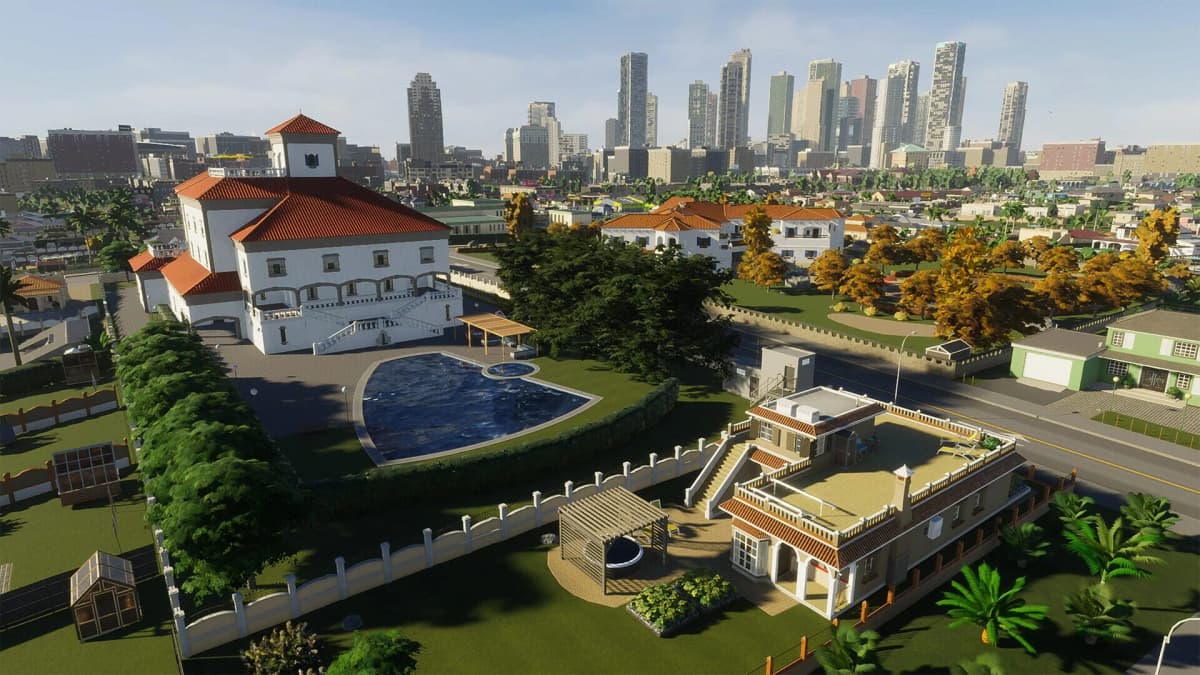
Other fixes that actually change play
First Frost also trims bicycle trips by about 80%, which is less glamorous than a new transit mode but meaningful—traffic models and commute patterns shift when one travel mode is suddenly overwhelming. UI icons for roundabouts, cul-de-sacs, and pollution types help readability, the onboarding tutorial was refreshed for new players, terraforming tools were made less aggressive, and a handful of graphical touches (better shadows, snow decals, weather-aware fog) smooth the visual experience. Perhaps the most eyebrow-raising change: autosave is now enabled by default—welcome, and weirdly late.
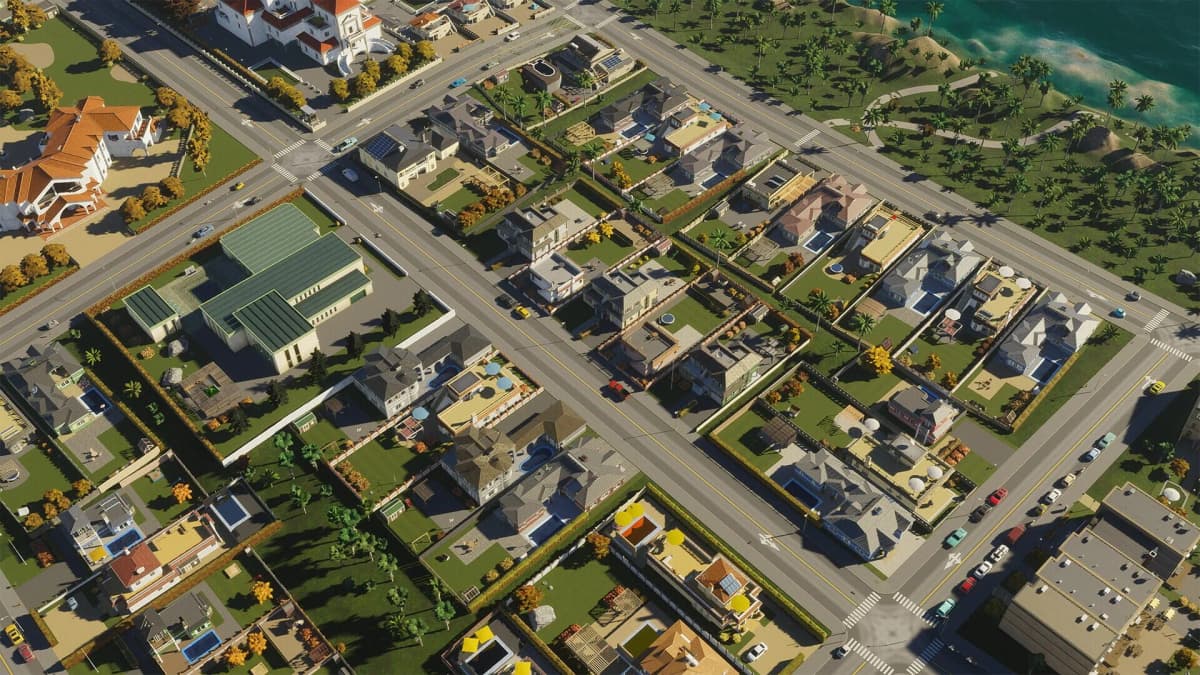
Context: small fixes, big signaling
This kind of post-launch triage is increasingly common: studios whose launches stumble often spend the early months proving they can deliver fixes before asking for goodwill on features or monetization. Digital Foundry’s forensic patch coverage and other examples in the industry show that methodical fixes can salvage player trust. PC Gamer notes the tangible result here—recent Steam review scores have climbed since Iceflake took over, from a long-term 54% positive to 67% positive at the time of reporting—an encouraging early sign, even if there’s more work to do.
What gamers should expect next
Don’t expect a content-packed expansion tomorrow. Iceflake’s choice to clean the simulation first means the game should feel more coherent and less prone to jarring, immersion-breaking bugs. If that foundation holds, the studio can reasonably move to larger gameplay systems and new content without repeating Colossal Order’s rushed post-launch mistakes. For now the patch is a neutral-but-necessary course correction: not glamorous, but exactly the kind of work a simulation-heavy game needed.

TL;DR
Iceflake’s First Frost patch for Cities: Skylines 2 fixes death, aging, and several systemic bugs, turns autosave on by default, and tightens simulation fidelity. It’s not flashy, but it’s the kind of stability-first move the sequel desperately needed—and the Steam reviews show players are starting to notice.
FinalBoss // Gear
Level up your setup
01Top-rated gaming headsetson Amazon→02High-refresh gaming monitorson Amazon→03Gaming chairson Amazon→04Discounted game keyson Kinguin→Affiliate links · As an Amazon Associate, FinalBoss earns from qualifying purchases.
Want to Level Up Your Gaming?
Get access to exclusive strategies, hidden tips, and pro-level insights that we don't share publicly.
Ultimate Gaming Strategy Guide + Weekly Pro Tips