
Game intel
Clair Obscur: Expedition 33
Lead the members of Expedition 33 on their quest to destroy the Paintress so that she can never paint death again. Explore a world of wonders inspired by Belle…
When French pixel artist Arunco dropped his HD-2D rendition of Sandfall Interactive’s forthcoming RPG Clair Obscur: Expedition 33, the community erupted. In less than a day, the piece racked up over 450,000 views and 17,000 likes across social feeds. But beyond the raw numbers, Arunco’s work raises bigger questions: How does nostalgia shape modern RPG design, and what power do fan creators really wield over an unreleased game’s expectations?
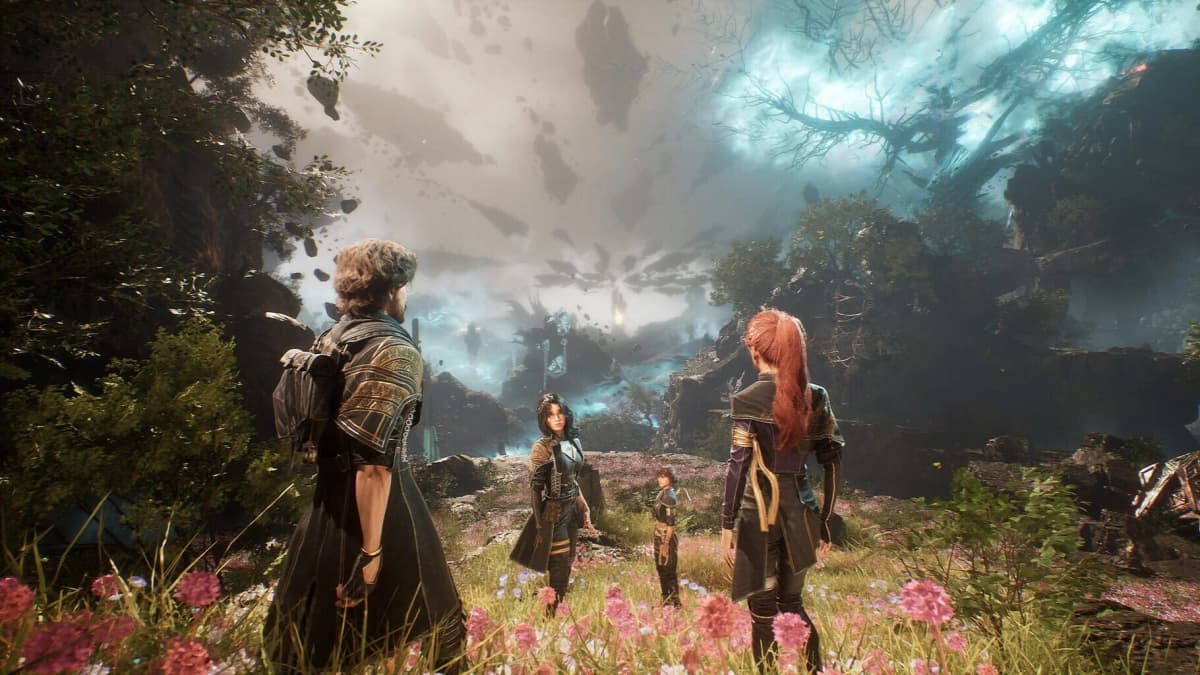
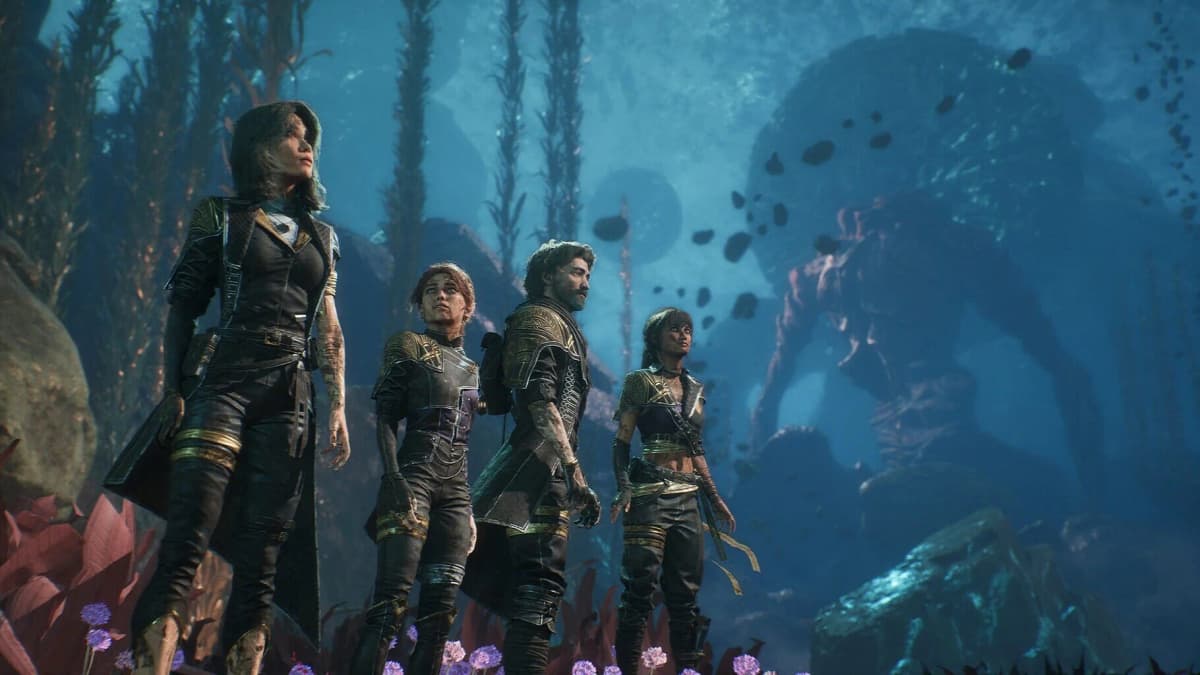
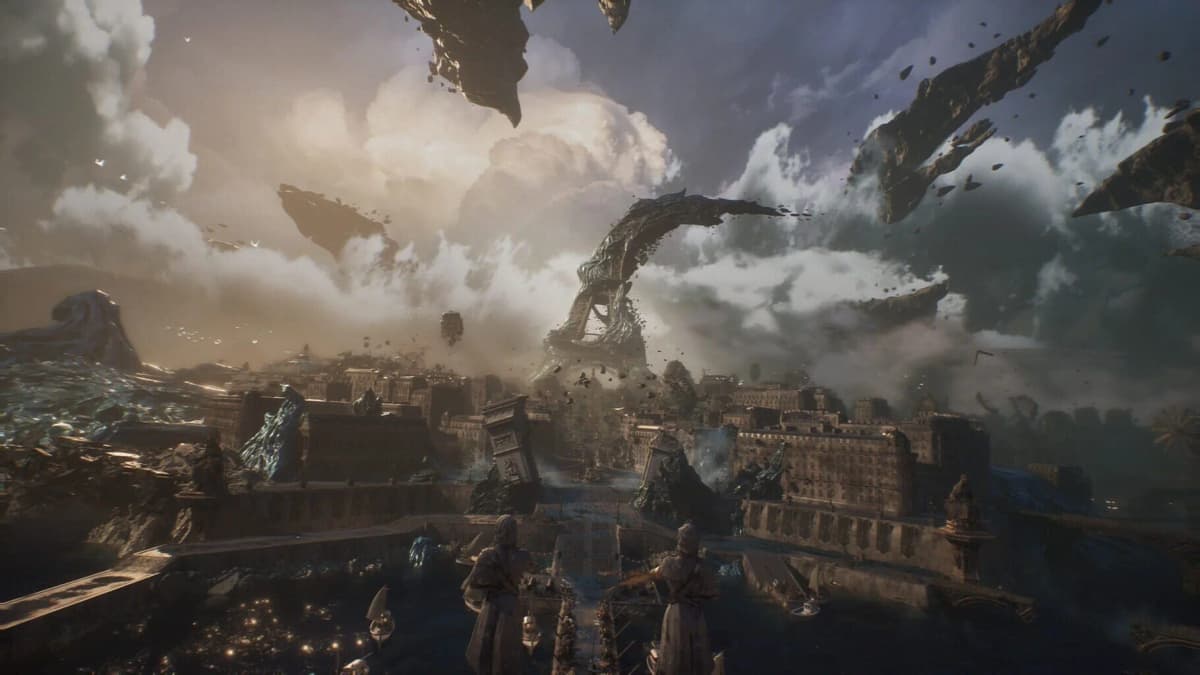
Clair Obscur: Expedition 33 is a turn-based RPG developed by French studio Sandfall Interactive and published by Kepler Interactive, due August 2025 on PC (Steam) and Xbox Series X|S (day one on Game Pass). Blending classic JRPG elements—six-member parties, tactical use of Ability Points (AP), and cinematic quick-time events—with real-time dodges and parries, the game promises a fresh twist on a beloved formula. Players choose from melee strikes to build AP, unleash ranged attacks with free-aim targeting, and dodge in real time when enemies strike.
Arunco isn’t new to pixel reinventions. A self-described “16-bit junkie,” he says he was “blown away by how pixel art can still move people when given modern flourishes.” For this piece, he shrank each of the six Expeditioners into 12×12-pixel sprites yet loaded every frame with personality—from their distinctive armor trims down to the sweep of their cloaks. He even staged a full six-on-one boss confrontation in a single HD-2D battle screen, showcasing his knack for tight yet expressive pixel choreography.
HD-2D isn’t just a buzzword—it’s a marriage of old and new. Pioneered by Square Enix’s Octopath Traveler, the style layers crisp 2D sprites over textured 3D backdrops, enriched with dynamic lighting, soft bloom filters, and subtle parallax scrolling. Arunco’s reinterpretation leans on these same techniques: watch how shafts of light speckle the mossy ruins, or how characters cast deep, organic shadows on stone floors. It taps into our collective SNES nostalgia while reminding us that modern effects can enhance, not replace, handcrafted charm.
Once the art went live, comments poured in. “I need this as an in-game retro mode,” one fan wrote, while another joked, “Where’s the patch button to switch between HD-2D and realistic renders?” That level of engagement underscores a broader reality: devoted communities don’t just consume—they co-create hype. Long before any official gameplay footage lands, fan creations like Arunco’s shape the conversation, giving developers and publishers early feedback on what fans want to see.
It’s no secret that studios pay attention to community trends. Over the past year, multiple developers have toyed with retro filters, pixel skins, and hybrid visual modes in early demos—moves often spurred by fan enthusiasm online. While Sandfall Interactive hasn’t commented directly on Arunco’s art, the sheer scale of engagement makes it hard to ignore. If enough voices clamoring for an HD-2D mode coalesce into a clear demand, who knows? We might one day see an official “Pixel Expedition” toggle.
The age-old debate resurfaces: do hyper-real visuals or stylized pixel worlds deliver deeper immersion? Arunco admits he’d dive into Clair Obscur either way—“Realism makes every moment feel weighty, but HD-2D proves that constraints can spark pure imagination,” he says. His art reminds us that emotional resonance comes from art direction, composition, and narrative context just as much as high-poly shaders.
As Clair Obscur: Expedition 33 heads toward its August 2025 launch, Arunco’s pixel remix serves as both fan salute and creative provocation. It challenges developers to consider alternate styles, invites players to reimagine familiar tropes, and reminds us how powerful a single piece of community art can be.
Arunco’s HD-2D transformation of Clair Obscur: Expedition 33 is more than eye candy—it’s a cultural touchpoint highlighting nostalgia’s pull, the creative spark behind pixel art, and the influence fans can wield. Whether you crave lifelike sheen or pixel charm, this fan art fuels the “what if”—and that collective daydream is what keeps RPG communities thriving.
Get access to exclusive strategies, hidden tips, and pro-level insights that we don't share publicly.
Ultimate Gaming Strategy Guide + Weekly Pro Tips