
Clair Obscur: Expedition 33 begins through Gustave’s perspective for a reason. He is the expedition’s practical, human anchor: a Lumière engineer who has spent his life maintaining systems that protect and sustain his city, then chooses to spend his final year confronting the Paintress so Lumière’s children can have a future. He is also the first playable character, the opening party’s leader figure, and the character who teaches the game’s central combat rhythm of AP management, enemy breaks, and high-impact burst turns.
In battle, Gustave is a fast sword-and-pistol attacker built around Overcharge. The efficient approach is to feed him AP, build charge through his skill loop, create or exploit a break window, then spend that momentum on the enemy that matters most. He is especially valuable through Act 1, where his straightforward kit gives a new party a reliable way to pressure bosses without needing a highly specialized setup.
Table of Contents (10)
Gustave at a glance
- Role: Lumière engineer, Expeditioner, swordsman, and one of Expedition 33’s original leader figures.
- Personal goal: Stop the Paintress and secure a future for Lumière’s children.
- Story position: The main playable protagonist during the opening act.
- Combat identity: A sword-and-pistol hybrid who builds toward Overcharge burst damage and break opportunities.
- English voice: Charlie Cox.
- French voice: Alexandre Gillet.
- Best strengths: Early-game boss pressure, AP-positive turns, critical-hit builds, and teams that can reliably create openings.
Gustave’s spoiler-safe story role
Gustave is more than the party’s starting fighter. His background as an engineer explains much of his personality: he approaches impossible circumstances through work, responsibility, and the belief that a difficult problem still deserves to be solved. Before joining the expedition, he devoted his life to Lumière’s defense and agricultural systems. His decision to leave that work behind and fight the Paintress gives the opening of the game its sense of urgency.
That perspective makes him the clearest entry point into Expedition 33’s central stakes. Gustave is protective without being reckless, practical without being detached, and committed to people who will inherit the consequences of the expedition’s failure. He also has a close bond with Maelle, his adoptive sister, who looks up to him deeply.
For the early campaign, treat Gustave as the character who establishes the expedition’s emotional purpose. The story’s later turns carry more weight because the game first lets you understand the mission through his sense of duty and sacrifice.
Major Act 1 story spoiler: what happens to Gustave
Stop here if you want to remain spoiler-free beyond Act 1.
Gustave dies at the end of Act 1 following the Lampmaster fight, when Renoir kills him. He is no longer a party member in Act 2, and Verso takes his place in the active roster. The change is deliberately abrupt: Gustave’s role is to establish the emotional stakes of the expedition before the story pivots into its larger conflicts and revelations.

This also changes how to think about his progression. Gustave is worth building properly for the encounters in front of you, particularly Act 1 bosses and elites, but he should not be treated as a permanent slot in the party’s long-term structure. Focus on getting practical value from his burst turns and break pressure while he is available.
How Gustave plays: the Overcharge loop
Gustave’s combat loop is built around momentum. His kit uses sword-and-pistol attacks to build toward Overcharge, while AP gives him the resources to keep acting, set up stronger turns, and take advantage of enemy vulnerabilities. His strongest moments come when the party has created a safe window rather than when he spends every resource as soon as it becomes available.
His starting profile supports that role. Gustave begins with 150 Health, 49 Attack Power, 212 Speed, 0 Defense, and 8% Critical Rate. Those numbers position him as an offense-first character who can act quickly and contribute pressure, but who benefits from careful defensive play. He is not built to absorb repeated heavy hits while the rest of the party recovers.
What Gustave wants from a fight
- AP generation: More AP means more opportunities to develop his charge and maintain offensive tempo.
- Break opportunities: A broken enemy is a much safer and more valuable target for Gustave’s burst damage.
- Critical rate and damage boosts: These increase the payoff when Overcharge is spent on a priority target.
- Teammate setup: Allies that create openings, apply useful effects, or help force breaks make Gustave’s turns more decisive.
- Survivable multi-turn encounters: Bosses and durable elite enemies give him time to build the momentum his kit wants.
The common trap is spending his resources without a plan. Gustave can feel underpowered when every turn is treated as an isolated damage check. His kit becomes much more effective when AP, charge generation, and break damage are aimed at the same target window.
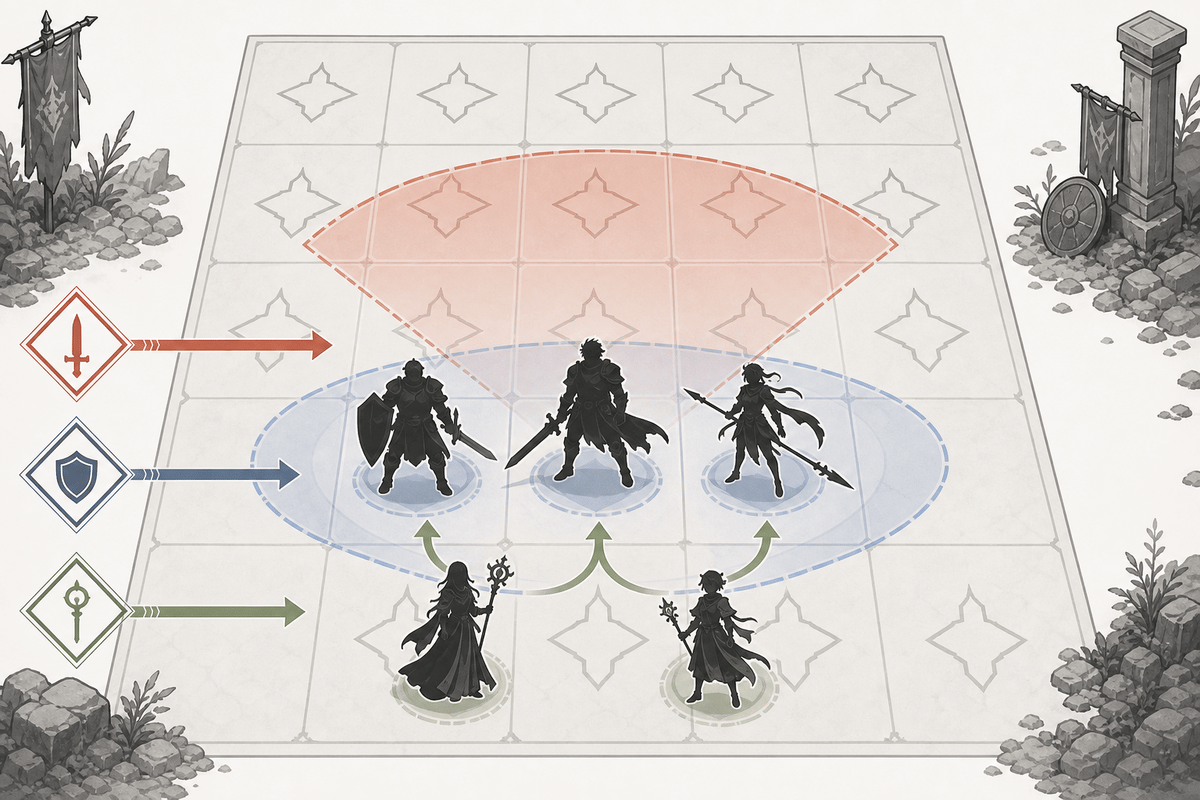
Best Gustave build direction: burst DPS
Burst damage is Gustave’s clearest and most accessible build direction. The goal is to accelerate his Overcharge loop, improve the damage of its payoff, and reserve that payoff for bosses, elite enemies, or targets that have been broken and cannot immediately retaliate.
- Prioritize critical rate and direct damage improvements.
- Use AP-positive Pictos so Gustave can start building pressure early in a battle.
- Spend his high-value damage when an enemy is broken or otherwise vulnerable.
- Let teammates create the opening instead of forcing Gustave to handle every part of the setup alone.
- Favor this route for boss encounters, where the enemy survives long enough for Overcharge to matter.
This setup is particularly effective against a single dangerous target. Gustave does not need to be the party’s only source of damage; he needs the party to give him one good moment to convert stored momentum into a large swing. When an enemy’s break is close, it is often better to play toward that break than to chase minor damage on a less important target.
Alternative build direction: support-damage hybrid
Gustave can also fill a more flexible role when another party member is carrying the main damage burden. This version still uses Overcharge and break pressure, but it places more emphasis on target marks, tempo support, and keeping the party’s AP economy moving. It trades some explosive damage for steadier contributions across the encounter.
- Use tools that mark targets or support the party’s tempo.
- Favor AP rewards tied to dodges, breaks, and enemy defeats.
- Keep Gustave active every turn instead of holding all resources for one large payoff.
- Use his damage to finish weakened targets or capitalize on openings created by a dedicated attacker.
This approach fits teams that already have a clear primary damage dealer. Gustave remains useful because he can still pressure enemies and contribute to break turns, while his utility helps the party maintain control over the pace of combat.
Pictos that improve Gustave’s AP economy
AP economy is the most important part of making Gustave feel consistently strong. The following Pictos directly reward the actions his kit already wants to take, which makes them practical choices during his Act 1 availability.
- Energizing Start: Grants extra AP at the beginning of combat. This is valuable when Gustave needs to establish pressure immediately.
- Dead Energy: Grants AP when Gustave defeats an enemy. It is most useful in encounters with multiple targets, where finishing a weaker enemy can fund his next action.
- Dodger: Grants AP for dodging once per turn. This rewards clean defensive play and helps keep Gustave’s action economy flowing.
- Energizing Break: Grants AP when Gustave breaks a target. This pairs naturally with his role as a character who wants to turn break windows into burst turns.
These Pictos work because they support a single plan: give Gustave more chances to act without draining the party’s resources, then make those extra actions matter through charge generation, breaks, and focused damage. If he is falling behind in a fight, an AP-focused adjustment usually provides more value than simply chasing a small increase in raw attack.
Practical combat tips for Gustave
- Open with intent: If Gustave has an AP-start bonus, use that early momentum to begin developing his Overcharge plan rather than saving every resource for an uncertain later turn.
- Prioritize breakable enemies: A break can create the safest possible moment for Gustave to commit his strongest damage.
- Use Dodger actively: If equipped, the AP reward only matters when you successfully dodge once during the turn cycle. Defensive execution directly improves his offense.
- Finish targets intelligently: With Dead Energy equipped, a kill can become an AP refill. Use that to keep his turn economy moving instead of treating weak enemies as irrelevant.
- Save major burst for priority targets: Overcharge has more value against a boss, elite, or vulnerable enemy than against a target that would fall to ordinary attacks.
- Respect his low defense: Gustave’s speed and offense do not make him durable. Avoid leaving him exposed to predictable heavy attacks solely to force one more damaging action.
When Gustave is strongest
Gustave shines when an encounter gives the party time and structure to build toward a decisive turn. Bosses, elite enemies, and break-focused fights are his best environments because they reward the exact things he does well: AP generation, repeated pressure, charge development, and concentrated burst damage.
He is less valuable in fights that end before he can establish momentum. In those short encounters, his Overcharge plan may never reach its meaningful payoff. That does not make him ineffective; it simply means his greatest strengths are designed around targets durable enough to justify setup.
For Act 1, build Gustave around AP, critical potential, and break opportunities, then use him to convert a controlled opening into a high-damage turn. His story role ends early, but his combat design makes the opening expedition’s toughest fights far more manageable when you play around Overcharge instead of treating him as a generic starter attacker.
FinalBoss // Gear
Level up your setup
01Top-rated gaming headsetson Amazon→02High-refresh gaming monitorson Amazon→03Gaming chairson Amazon→04Discounted game keyson Kinguin→
Affiliate links · As an Amazon Associate, FinalBoss earns from qualifying purchases.
Want to Level Up Your Gaming?
Get access to exclusive strategies, hidden tips, and pro-level insights that we don't share publicly.
Ultimate Guide Strategy Guide + Weekly Pro Tips