
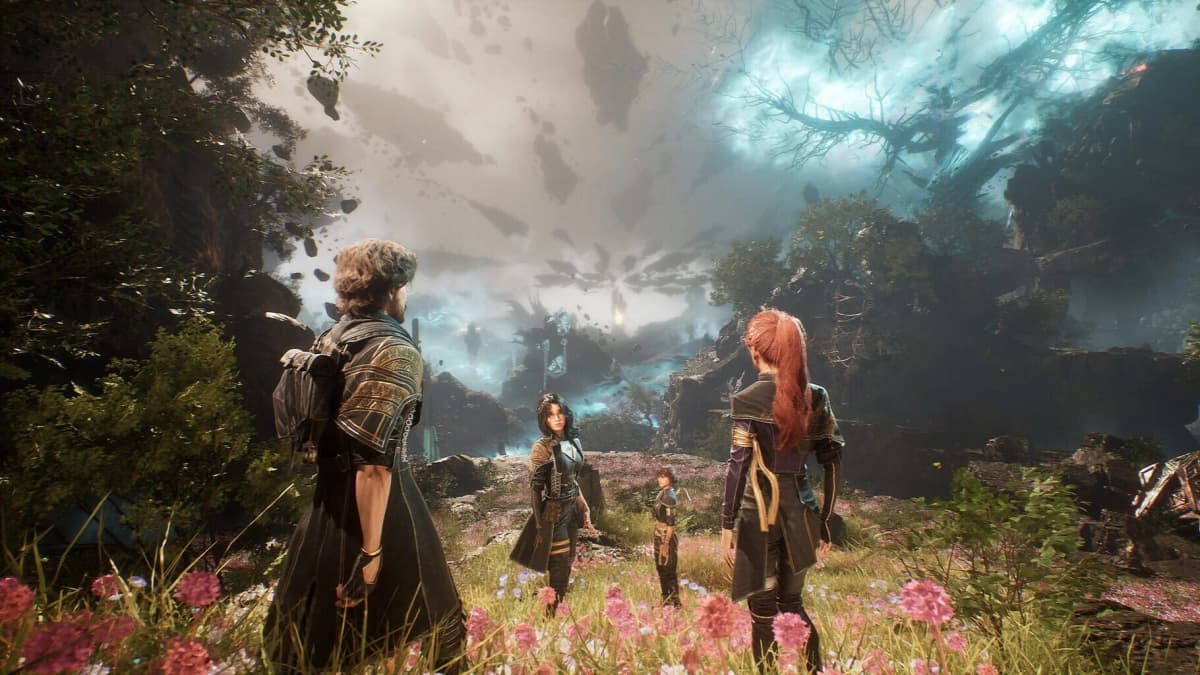
Clair Obscur just lost Indie GOTY — 10 AI-free indies to play right now
Game intel
Clair Obscur: Expedition 33
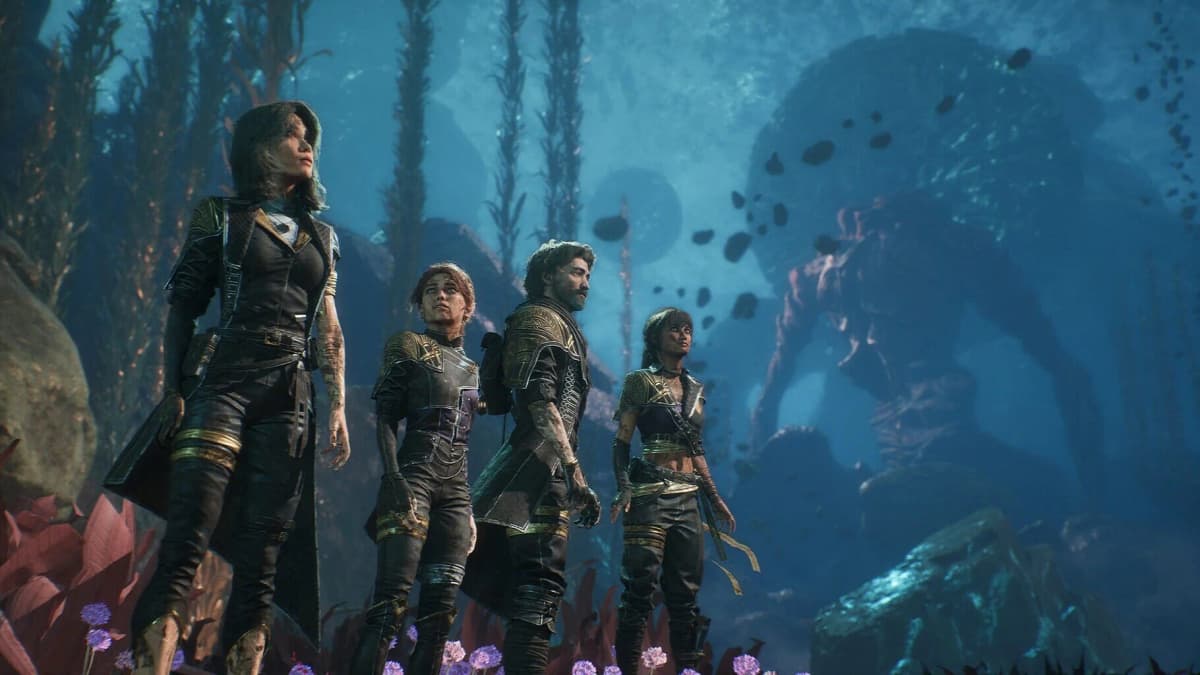
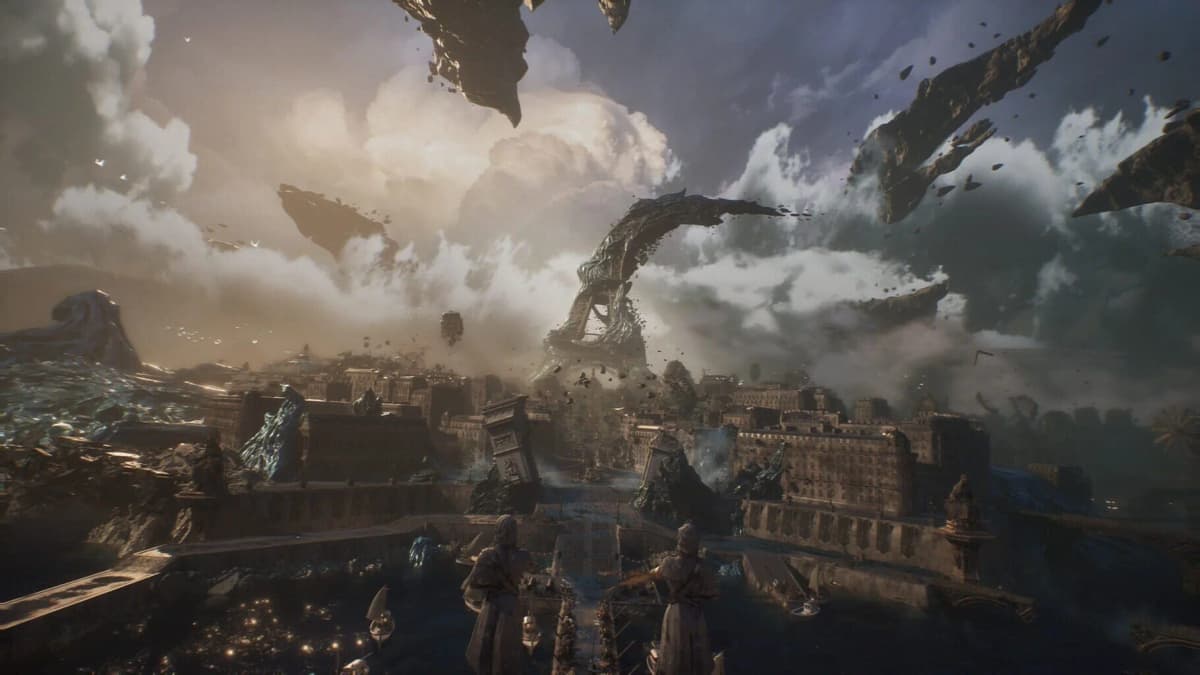
Lead the members of Expedition 33 on their quest to destroy the Paintress so that she can never paint death again. Explore a world of wonders inspired by Belle…
Why this matters for gamers right now
Clair Obscur: Expedition 33 – the turn-based, painterly RPG that had just snagged big trophies – suddenly lost two Indie Game Awards after its developer admitted using generative AI for temporary placeholder textures. The studio says those assets were removed before final QA, but the Awards’ strict no-AI rule cost Clair Obscur its Indie GOTY and Best Debut trophies, which were handed to Blue Prince and Sorry We’re Closed instead. For players that means one immediate truth: the indie scene is drawing a hard line on AI, and your next play choices may be about more than aesthetics.
- Key takeaway: Awards enforcement matters – even “placeholder” AI can disqualify.
- Practical impact: If you enjoyed Clair Obscur, the game isn’t being pulled — this is about award eligibility and industry standards.
- What to do next: Play vetted indies that won or rose in the shuffle — they’re creative, hand-crafted, and actively patched.
Breaking down the controversy — why this felt inevitable
This caught my attention because it exposes a messy gray area: studios using generative tools briefly during production, then cleaning them up before release. Sandfall Interactive admitted AI use for placeholders only, but the Indie Game Awards have a zero-tolerance rule — and enforcement had to happen somewhere. The result is both a statement about preserving “indie purity” and a warning shot to small teams: even short-term AI use can have long-term reputational costs.
I’m sympathetic to tiny teams juggling art, schedule, and crunch. But rules are rules: if awards declare no generative AI, their credibility depends on consistency. The bigger question now is whether the industry will adopt nuanced standards (temporary AI ok if fully replaced) or double down on bans. Gamers should care because these rulings shape what kinds of studios get celebrated — and what creative approaches get discouraged.
The real winners you should play right now
If you want to move past the controversy and play things that are widely celebrated, patched, and explicitly AI-free, these ten games are solid picks. I ranked them by critical acclaim, active player support, and the kind of handmade design work that matters when you want something authentic.
1. Blue Prince — the new Indie GOTY
Dogubomb’s roguelike mansion-builder took the crown after Clair Obscur’s disqualification. It’s a procedural puzzle deck where drafting room blueprints matters as much as combat. Pro tip: rush Mirror Room + Garden for infinite heals and use Flood Rooms to clear adds before the Estate Keeper fight.
2. Sorry We’re Closed — Best Debut winner
Team17’s indie arm delivers tight survival horror with an “echo vision” audio mechanic. Short, tense runs are great for quick sessions — practice the kitchen knife battery loop to speedrun bedroom escapes.
3-10. More AI-free must-plays
- Animal Well — pixel-art Metroidvania with physics secrets and deliberate, handcrafted secrets.
- Balatro — poker+roguelike deckbuilding that rewards creative combos and deep risk-reward play.
- Manor Lords — a medieval sim with real-time battles; watch for the 1.0 full release.
- Hades II — narrative-forward roguelike still shaping its meta in Early Access.
- UFO 50 — 50 tiny genre experiments in one package; great for variety hunters.
- Hyper Light Breaker — open-world roguelite that leans into momentum combat.
- Cassette Beasts — fusion RPG with enormous creature variety and free DLC support.
- Despelote — weird, brilliant soccer roguelite that scratches the chaotic sports itch.
Each of these is actively patched and maintains a clear development history without reported generative-AI shortcuts. You’ll find concrete build guides and boss strategies in community hubs for all of them — perfect if you like actionable tips right away.
What this means for gamers and developers
For players: nothing about buying or playing Clair Obscur changes — but awards and perception do. If you care about hand-made art and want to support teams that explicitly eschew generative shortcuts, pick from the list above. For devs: transparency matters more than ever. Say you used AI during early stages? Declare it. Edit and replace it? Show the work. The community will decide whether that’s enough.
Want to Level Up Your Gaming?
Get access to exclusive strategies, hidden tips, and pro-level insights that we don't share publicly.
Ultimate Gaming Strategy Guide + Weekly Pro Tips
Actionable next steps
- Start with Blue Prince for a gameplay loop that scratches the same strategic itch without controversy.
- Check current Steam discounts — Balatro and Animal Well often appear in bundles.
- Join Discords for meta builds (Hades II, Blue Prince) to shave hours off the learning curve.
- Track Manor Lords’ 1.0 if you want long-term city-builder investment.
TL;DR
Clair Obscur lost Indie awards after admitting temporary use of generative AI — a ruling that underlines how seriously the indie scene treats craft. If you want hand-made, award-winning indies that won (or inherited) the spotlight, start with Blue Prince and Sorry We’re Closed, then work down the list for dozens of hours of AI-free play.