
Table of Contents (6)
Clint Hocking’s departure is less a single loss than a flashing warning light
Ubisoft didn’t just lose a creative director – it lost a signal man. Clint Hocking leaving Assassin’s Creed Codename Hexe amid a brand-level leadership reshuffle matters because it exposes how deep and public the studio’s instability has become. Hexe can survive a director swap. The franchise can’t survive a drained talent pool and a leadership merry-go-round without changing how it ships games.
- Key takeaway: Hocking’s exit feeds into a pattern of senior departures and internal upheaval that sources say is tied to Ubisoft’s ongoing restructuring.
- Reality check: Ubisoft’s statement – “development continues with a seasoned team” – is standard PR. Multiple outlets reported it, but they also document previous losses, legal friction and leadership reshuffles that make continuity a lot harder than the wording suggests.
- Why it matters for Hexe: This is a creative change mid-build on one of Ubisoft’s marquee projects, during a period of company-wide cost-cutting and reorganization. That combination usually forces scope decisions or re-prioritization.
- What to watch: Jean Guesdon’s first roadmap as acting creative director, any public timetable changes for Hexe, and whether more senior staff leave or file legal claims.
This isn’t just a personnel change
Every outlet covering the story — GamesIndustry, IGN, PC Gamer and Steam News — agrees on the basics: Clint Hocking has left Ubisoft, Jean Guesdon will step in as acting creative director, and Ubisoft says Hexe remains in active development. Where reporting moves beyond the press release is in context. GamesIndustry and others point to a recent, protracted restructuring that has already shuttered studios and reshuffled Assassin’s Creed leadership. IGN frames Hocking’s exit as another turn in a larger leadership overhaul under new brand heads.
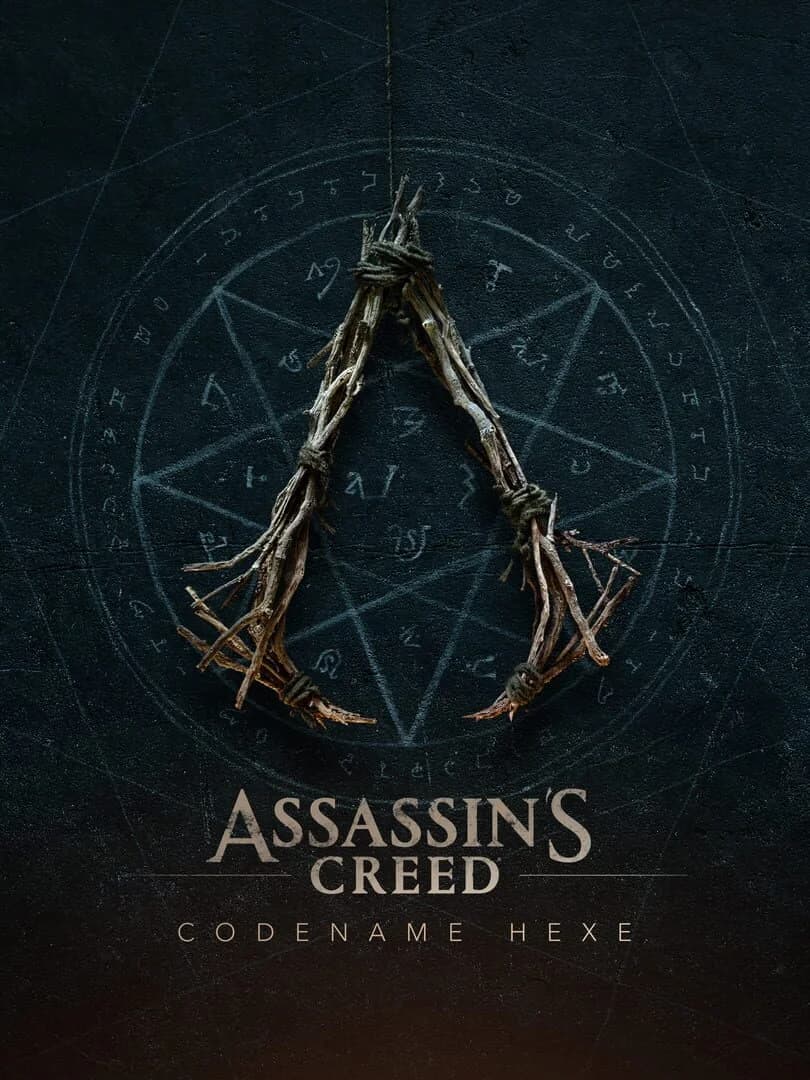
Hocking isn’t a middling hire. His CV — Splinter Cell: Chaos Theory, Far Cry 2, Watch Dogs: Legion — makes him the sort of auteur who can steer a risky, tonal shift in a franchise. Hexe is billed as a horror-tinged, distinctive Assassin’s Creed. Losing the creative voice who had been shaping that divergence is exactly the sort of thing that dilutes risk-taking into safer, more franchise-familiar choices.
Why Hexe is at particular risk
There are two pressures that crush ambitious projects fast: leadership churn and cost discipline. Ubisoft is publicly reorganizing its Assassin’s Creed leadership; Marc-Alexis Côté’s earlier departure and subsequent legal action (reported by GamesIndustry) already showed the changes weren’t smooth. Couple that with the company’s broader drive to cut costs and streamline output, and creative compromises become a near certainty.
When a project pivots from a known franchise template — Hexe’s supernatural bent — it needs a champion who can defend scope and experiments during crunch decisions. That champion just left. Guesdon is experienced inside the franchise, but internal promotions often signal a move toward consolidation, not reinvention.
The question nobody’s asking out loud
Ubisoft’s statement promises continuity. The harsher question is whether the company still has the bandwidth and appetite for risky entries in flagship franchises. The reporting so far is consistent: Ubisoft will keep making Assassin’s Creed games, and a “seasoned team” remains. What’s missing is evidence that the team has stable leadership, protected resources, and the runway to finish Hexe on its original creative terms.
If I were in the room with Ubisoft PR today I’d ask: who at the executive level is willing to sign off on the creative risks Hexe needs, and are those resources ring-fenced from the cost cuts being applied across the business?
What to watch next
- Jean Guesdon’s first public roadmap or deep-dive: will he defend Hexe’s horror identity or steer it toward safer franchise tropes? (Any substantive update in the next few months is material.)
- Official changes to Hexe’s timeline or scope. Delays, shrink-wrapping of features, or a shift in marketing positioning will tell you which way the project swung.
- Further senior exits or legal filings linked to Assassin’s Creed leadership changes; those will indicate the depth of internal friction beyond the PR line.
- Investor/earnings commentary from Ubisoft that ties restructuring and cost targets to product cadence — that will show whether Hexe is a protected priority or a cost center.
For now, Hexe survives on paper. But the real story is the pattern: a string of senior departures and an aggressive corporate restructuring that substitutes headlines for the hard work of making bold games. Ubisoft can still ship a great Assassin’s Creed if it chooses to protect the creative risks that made the series interesting in the first place. If it doesn’t, Hexe will likely arrive as a safer, blander version of what was promised — and that’s the loss the industry should be watching.
TL;DR
Clint Hocking leaving Assassin’s Creed Hexe is significant not because a single man is gone, but because it highlights a pattern of leadership churn and cost-driven choices at Ubisoft. Sources agree the team remains and Jean Guesdon will take over, but that continuity claim masks deeper risks to Hexe’s creative ambition. Watch Guesdon’s roadmap, any timeline changes, and further senior departures — those will tell you if Hexe stays bold or gets made safe.
FinalBoss // Gear
Level up your setup
01Top-rated gaming headsetson Amazon→02High-refresh gaming monitorson Amazon→03Gaming chairson Amazon→04Discounted game keyson Kinguin→Affiliate links · As an Amazon Associate, FinalBoss earns from qualifying purchases.
Want to Level Up Your Gaming?
Get access to exclusive strategies, hidden tips, and pro-level insights that we don't share publicly.
Ultimate Gaming Strategy Guide + Weekly Pro Tips