
Table of Contents (6)
Xbox spent years blurring the line, and now it wants the line back
For a while, Xbox exclusivity started to feel like an old argument from another era. Microsoft kept talking about the wider ecosystem, kept releasing some games beyond its own box, and kept training players to think of platform walls as negotiable instead of real. That change wasn’t imaginary. It affected how people bought hardware, how they planned libraries, and how they talked themselves into waiting. If you were a PlayStation owner watching Xbox showcases, it became pretty easy to shrug and say, “Yeah, I’ll probably get that eventually.”
That is exactly why Clockwork Revolution skipping PS5 matters. Not because one more game is missing from Sony’s store. Not because console-war weirdos need fresh ammunition. It matters because Microsoft used an official 2026 showcase to stamp the game as “An XBOX Console Exclusive,” and the reporting that followed made the point even harder to dodge: there is no PS5 release planned right now. Pair that with Gears of War: E-Day getting the same treatment, and the message stops being accidental. Xbox is trying to re-teach players that its console library has hard edges again.
I think that message is overdue, strategically speaking, even if I don’t love what it means for access. Because let’s be honest: a console brand that won’t defend any exclusivity at all eventually starts looking like a confused accessory. Useful, maybe. Convenient, sometimes. Necessary? Not really. Microsoft flirted with that problem for years. Clockwork Revolution is one of the clearest signs yet that it knows it.
This is not a PS5 power problem, and I’m tired of pretending it might be
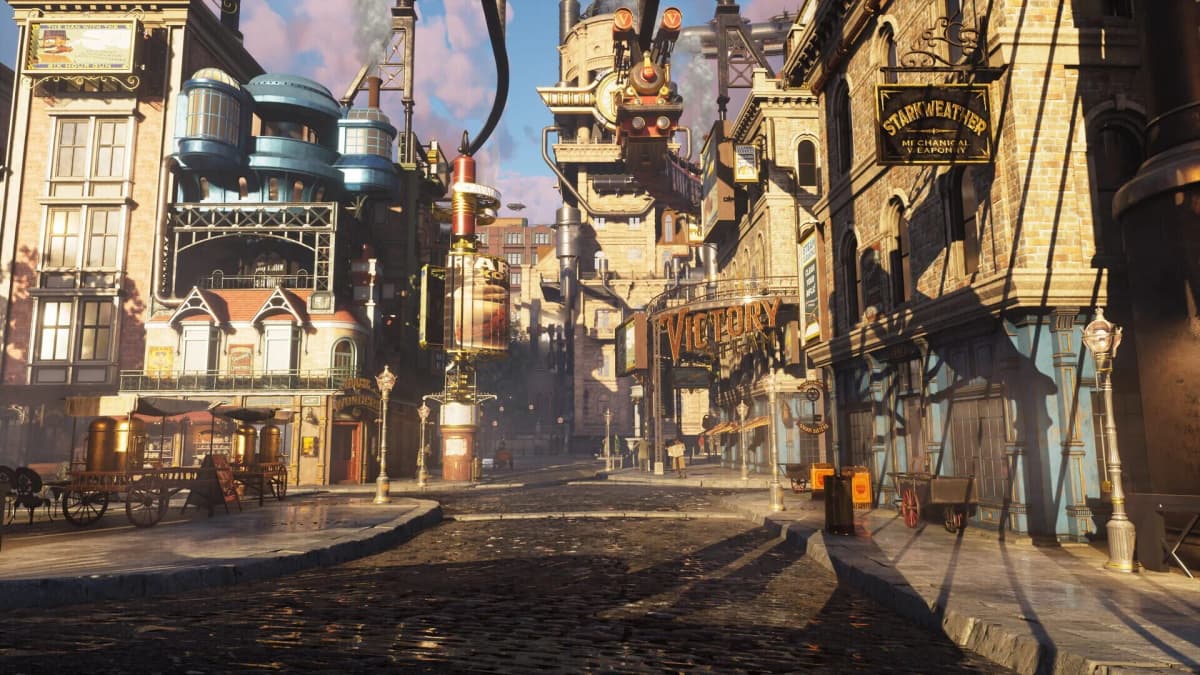
The weakest explanation for Clockwork Revolution missing PS5 is also the laziest one: that the game somehow couldn’t work there. I don’t buy that for a second. This is a first-person RPG from inXile, a studio known more for design ambition than for building around some weird proprietary hardware trick that only one box can handle. The game’s identity is its steampunk art direction, time-bending systems, role-playing choices, and immersive-sim DNA. None of that screams “impossible on PS5.”
So let’s call the technical-limitation theory what it is: comforting fan fiction. The much more obvious explanation is platform strategy. Microsoft wants software that makes the Xbox console feel distinct again, and Clockwork Revolution is now part of that push. It is being positioned alongside Gears of War: E-Day as software you get on Xbox and PC, not on PlayStation. That is not a rendering issue. That is a boardroom decision with a marketing budget behind it.
The exact duration of that exclusion is a little murkier than the loudest headlines make it sound. Some coverage framed the game as effectively a durable or permanent exclusive, while other reporting emphasized that no PS5 version is planned “anytime soon.” That difference matters if you’re trying to predict 2028 or 2029. It does not matter if you’re deciding what this game means right now. In practical terms, players should treat Clockwork Revolution as an Xbox-and-PC release unless Microsoft says otherwise. Betting your purchase decisions on a hypothetical late port is how people talk themselves into bad assumptions.
And that’s the bigger point: the absence of a PS5 version is not the story of a machine being unable to keep up. It is the story of Microsoft finally admitting that platform identity still matters, no matter how many executives spent the last few years acting like hardware borders were an embarrassing relic.
Why Clockwork Revolution is such a revealing choice
If this were some tiny side project, I wouldn’t care as much. If this were a niche remaster or a minor multiplayer experiment, the strategy would still be there, but the signal would be weaker. Clockwork Revolution is more interesting than that. It is a flashy new RPG from inXile, a studio with serious RPG pedigree, and it’s arriving with the kind of pitch that instantly lights up a certain kind of player brain: first-person perspective, alt-history flavor, time manipulation, class conflict, gadgets, choice-heavy framing, and enough style to invite the inevitable BioShock comparisons.
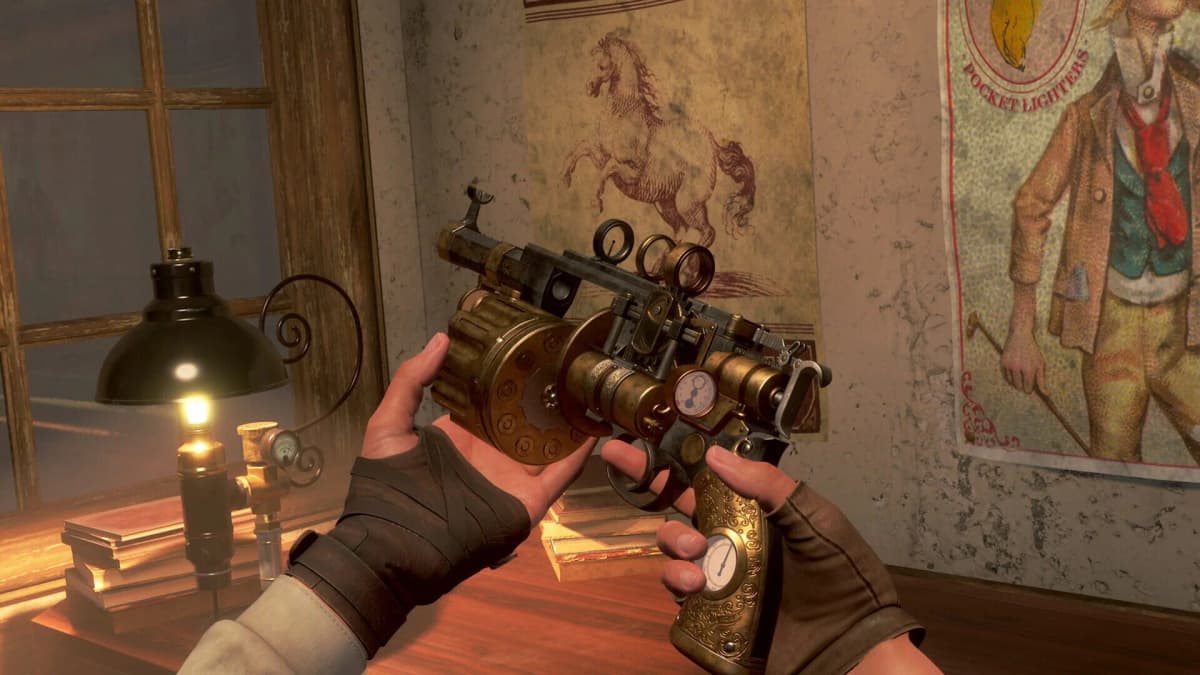
That matters because new IP says something old franchises can’t. Gears being exclusive is easy to understand; it has always been tied to Xbox’s identity. But Clockwork Revolution is different. It is not living off brand inheritance. It is Microsoft deciding that a high-profile, prestige-leaning new RPG is valuable as a console differentiator. That’s a much louder strategic statement than hiding a familiar mascot behind the curtain and calling it a day.
I also think Xbox is being smarter here than people realize. The company doesn’t just need exclusives. It needs the right kind of exclusives. It needs games that tell players the brand still has taste, still has range, still has something beyond military shooters and nostalgia bait. A weird, ambitious, time-twisting RPG from inXile does that. It tells a different story about what sits on the platform. Even if the game ends up divisive, its role in the lineup is obvious: it broadens what “Xbox exclusive” can mean.
The awkward truth: Xbox created the confusion that now frustrates everyone
Here’s where I stop being sympathetic. Microsoft is absolutely allowed to protect key games for its own platform. Sony does it. Nintendo practically built a religion around it. The problem is that Xbox spent so long muddying its own strategy that players stopped taking exclusivity claims seriously. That wasn’t the audience being irrational. That was the audience learning from the company’s behavior.
When a publisher sends enough software across rival platforms, the market adapts. People stop feeling urgency. They stop treating Xbox hardware as a must-have. They stop believing an “exclusive” label will still mean the same thing two years later. That mindset is not some internet delusion. It’s learned behavior. Microsoft taught it. So now, when Clockwork Revolution misses PS5, a huge chunk of the conversation becomes less “Interesting, Xbox is changing course” and more “Yeah, but for how long?”
That skepticism is earned. And this is where Microsoft’s repositioning gets difficult. You do not get to spend years downplaying the old exclusivity model, then instantly recover hardware urgency just by stamping a few trailers with a console-exclusive tag. Players have long memories when they feel like a company is playing shell games with access. If Xbox wants Clockwork Revolution to mean something beyond one news cycle, it has to be part of a consistent pattern, not a temporary mood swing.
In other words, this is bigger than one game. Clockwork Revolution is a test of whether Xbox is serious about being “console-first” again or whether it’s just trying to create a little short-term pressure while keeping the larger strategy flexible enough to reverse later. From a corporate perspective, I understand why they’d want that flexibility. From a player perspective, it’s exhausting. Ambiguity is great for executives. It’s terrible for hardware planning.
I don’t love exclusives, but pretending they don’t matter is even dumber
Let me be clear about something before people misread this as cheerleading locked doors: I am not emotionally attached to platform restriction as a moral good. More players having access to more games is, on its face, better. If every major RPG launched everywhere at once and ran well, I would not be mourning the death of exclusivity. Fragmentation is annoying. Owning multiple boxes is expensive. Waiting on ports is tedious. None of that changes because I understand why Xbox is doing this.
But there is a difference between disliking exclusives and denying their business function. A platform holder needs reasons for players to pick its ecosystem. Not vague promises. Not “maybe someday.” Not a corporate TED Talk about community. Actual software people cannot get on the other box. That’s the ugly, obvious truth underneath decades of PR spin. When Xbox stepped away from that truth, it weakened its own console proposition. I thought that was obvious then, and Clockwork Revolution makes it obvious again now.
The nonsense I have no patience for is the idea that Xbox can be everything at once forever: aggressively multiplatform, totally ecosystem-first, casually indifferent to exclusives, and still somehow maintain the same reason to buy its console as brands that guard their biggest games. That is fantasy. At some point, the company had to decide whether the box itself still mattered. Clockwork Revolution skipping PS5 suggests the answer, at least for now, is yes.
And frankly, that makes the Xbox market more legible than it was six months ago. Not friendlier. Not more open. Just more honest. I’ll take honest over muddled every single time.
What this means for players who are trying to plan ahead
This is the part that matters more than the headline drama. If you care about Clockwork Revolution, you should treat the current platform situation as real, not theoretical. Stop building your plans around wishful thinking. Stop assuming every Xbox-published game is automatically on a delayed conveyor belt to PS5. That assumption made sense for a while because Microsoft encouraged it. It makes less sense now.
- If you are a PS5-only player and Clockwork Revolution is on your must-play list, act as though there is no PlayStation version coming in the near term. Anything else is speculation dressed up as optimism.
- If you are choosing between platforms over the next couple of years, factor in the possibility that Microsoft is rebuilding a genuine exclusive lineup, not just dabbling in it for showcase optics.
- If you are an Xbox owner who felt the brand had lost its identity, this is one of the first signs in a while that Microsoft understands that criticism.
- If you are Microsoft, the obligation is obvious: keep the strategy consistent. Players can adapt to a hard rule. What they won’t keep trusting is selective ambiguity.
My take is simple. Clockwork Revolution skipping PS5 is not a weird one-off, not a secret performance story, and not a trivial platform note buried under a trailer. It is Xbox trying to restore a sense of consequence to choosing its hardware. That may frustrate PlayStation players. It may even irritate people like me who generally want games on more screens, not fewer. But I would rather argue with a company making a clear decision than squint at another year of strategic mush.
So treat this game accordingly. Not as a maybe-port. Not as an asterisk. Not as empty branding language. Treat it as a sign that Xbox wants its console exclusives to feel real again. If Microsoft follows through, Clockwork Revolution won’t just be an interesting RPG. It’ll be remembered as one of the moments when Xbox stopped acting embarrassed about being a platform holder and started behaving like one again.
FinalBoss // Gear
Level up your setup
01Best-selling Xbox Series X|S gameson Amazon→02Xbox controllerson Amazon→03Top-rated gaming headsetson Amazon→04Discounted game keyson Kinguin→
Affiliate links · As an Amazon Associate, FinalBoss earns from qualifying purchases.
Want to Level Up Your Gaming?
Get access to exclusive strategies, hidden tips, and pro-level insights that we don't share publicly.
Ultimate Gaming Strategy Guide + Weekly Pro Tips