
Table of Contents (8)
Cloud Gaming 2.0 Is Here-But Only If the Stars Align
Cloud gaming in 2025 finally feels like more than a tech demo. Between edge-accelerated streaming and smarter infrastructure, the dream of playing premium games on a toaster-or a phone on the train-doesn’t sound ridiculous anymore. But let’s cut through the marketing: 4K at 120fps and “console-equivalent” input latency are possible, not guaranteed. Your experience still lives and dies on the distance to an edge node, your network, and how each platform handles the messy parts of reality: bitrate spikes, controller latency, and inconsistent game support.
Key Takeaways
- Edge-accelerated streaming reduces latency, but last-mile Wi‑Fi and controller choice can erase those gains fast.
- NVIDIA GeForce Now is the performance leader; Xbox Cloud Gaming wins on value and games you’ll actually play.
- 4K/120 is real in best-case setups; most services still top out at 1080p and 60fps for wide compatibility.
- Library rules matter: BYO-storefront (NVIDIA) vs bundled access (Xbox, Luna) affects cost and availability.
Breaking Down the Hype vs. Reality
Cloud Gaming 2.0 leans on edge computing—servers closer to you—to shave off precious milliseconds. That’s the right move, because input latency is the cloud’s final boss. In ideal cases, you’re looking at latency that feels shockingly close to local play for single-player and most co-op. Fast shooters and fighters? Still playable, but your tolerance matters. If you get salty over a 10ms difference in Valorant, you’ll notice when a stream drifts into the 50-80ms range.
Another truth: codecs and bitrate decisions change the feel of a game. When services push higher bitrates with smart scaling, foliage and particle effects look clean. When they don’t, motion blur and macroblocking ruin dark scenes and fast pans. Promises of 4K/120 are great, but if your ISP has jitter or your TV has post-processing on, the extra frames are wasted.
The Real Story Platform by Platform
NVIDIA GeForce Now remains the performance king. The Ultimate tier hits high frame rates and crisp image quality, and crucially, it lets you stream games you already own from Steam, Epic, and Ubisoft Connect. It’s the closest thing to a high-end PC in the cloud. Downsides: availability of specific titles still hinges on publisher opt-ins, and the best experience lives behind the pricier tier.
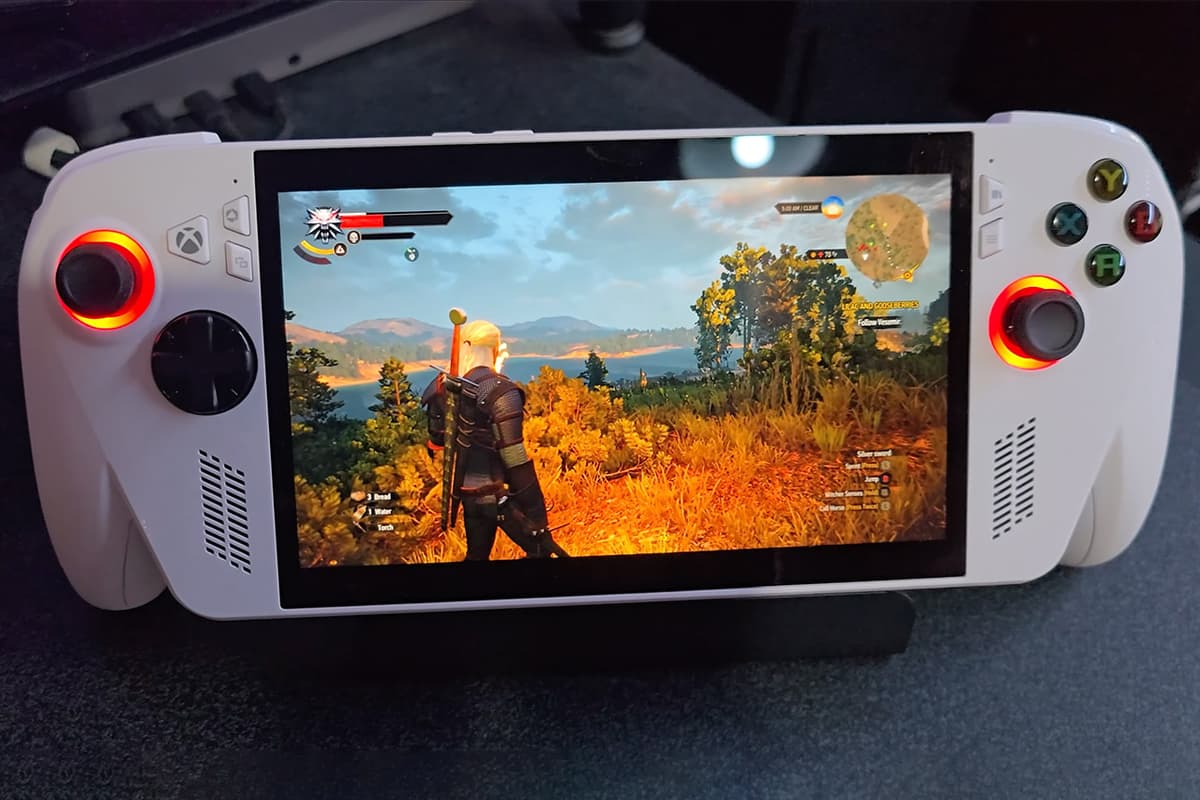
Xbox Cloud Gaming (via Game Pass Ultimate) is the best bang for your buck. Day-one first-party drops, a rotating catalog, and seamless play across console, PC, and mobile make it the “Netflix of games” pitch that actually works. The cap at 1080p is the biggest limiter—and some titles feel smoother than others—but if you want choice and convenience, it’s hard to argue against.
Boosteroid is the scrappy alternative that’s grown fast, especially across Europe. It’s not touching NVIDIA on raw fidelity yet, but its regional edge deployments and straightforward pricing make it a solid mid-tier pick if it has servers near you. It’s the kind of service that shines for mainstream staples rather than pushing visual extremes.
Amazon Luna is stable and friendly for Prime households, with channel-style add-ons like Ubisoft+. Performance is fine at 1080p, but without 4K and with a smaller library, it’s more a “hop in and play for an hour” option than a home for hardcore sessions. It pairs well with a Fire TV stick in the living room—just don’t expect esports-grade response.
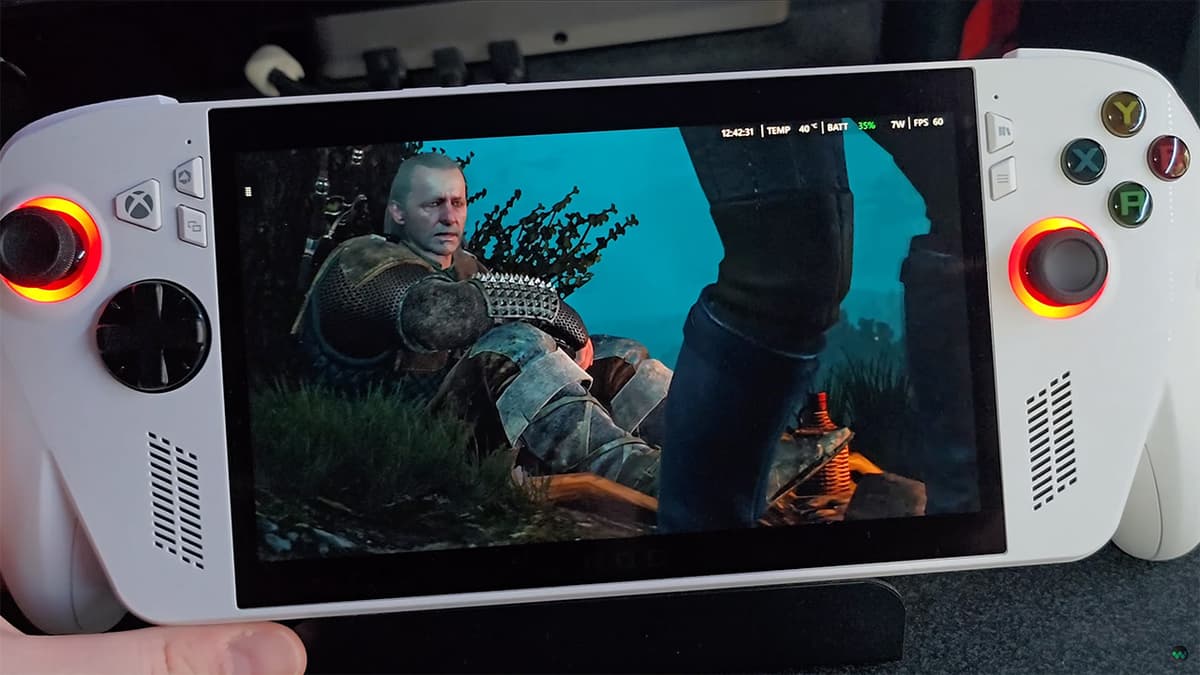
PlayStation Plus Premium remains the nostalgia lane. Streaming classics and select newer titles at up to 1080p is great for revisiting the back catalogue, but it’s not chasing the cutting edge. If you’re here for God of War marathons without redownloading 100GB, it does the job; if you want 4K/120 bragging rights, look elsewhere.
How to Actually Get a Great Cloud Session
- Prioritize your network: wired Ethernet beats Wi‑Fi; if wireless, use Wi‑Fi 6/6E on 5GHz and avoid congested channels.
- Use a low-latency controller: a wired pad or a 2.4GHz dongle often outperforms Bluetooth on TVs and phones.
- Kill TV processing: enable Game Mode, disable motion smoothing and extra “clarity” settings.
- Mind your data: high-quality streams can chew through multiple GB per hour. Hotspot throttling will wreck your session.
- Pick the right tier for your taste: competitive players should spring for NVIDIA’s top tier; variety hunters lean Xbox.
Why This Matters Now
We’ve seen the cautionary tale—Stadia proved great tech means nothing without a sustainable library, ownership clarity, and reliable performance for everyday players. The 2025 crop learned that lesson. The best services either respect your existing library (NVIDIA) or bundle value in a way that makes sampling games painless (Xbox). Edge nodes shrink the latency gap, but the deciding factor is still practical: can you slam a round of Halo on your phone at lunch without the stream faceplanting?
If you’re hardware-averse or travel a lot, Cloud Gaming 2.0 finally passes the sniff test. It won’t replace a local rig for the most sensitive competitive players, but for story games, co-op, racing, and even most shooters, it’s shockingly viable—assuming you set up your environment right.

Looking Ahead
Expect wider 4K/120 support, smarter adaptive streaming, and deeper hooks into VR and living-room apps. The big unlock will be more edge locations and better ISP peering agreements; until then, the experience will still vary by zip code. The winners won’t be the loudest marketers—they’ll be the ones that make a Tuesday-night session feel invisible, like the cloud isn’t even there.
TL;DR
Cloud Gaming 2.0 is legit when edge nodes are close and your setup is dialed. NVIDIA leads on performance; Xbox wins on value and library. Treat the 4K/120 promises as “possible with care,” not guaranteed out of the box.
FinalBoss // Gear
Level up your setup
01Capture cards (Elgato & more)on Amazon→02USB microphoneson Amazon→03Gaming keyboardson Amazon→04Gaming deskson Amazon→Affiliate links · As an Amazon Associate, FinalBoss earns from qualifying purchases.
Want to Level Up Your Gaming?
Get access to exclusive strategies, hidden tips, and pro-level insights that we don't share publicly.
Ultimate Gaming Strategy Guide + Weekly Pro Tips