
Cloverpit Turns Balatro’s Chill Vibes Into a Grim Debt Spiral — And It Works
Game intel
Cloverpit
You wake up in a rusty, narrow cell, standing over a dangerously unstable grate. Someone has kidnapped you, demanding payment, and your only way out is to pla…
A grimdark slots roguelike that actually has teeth
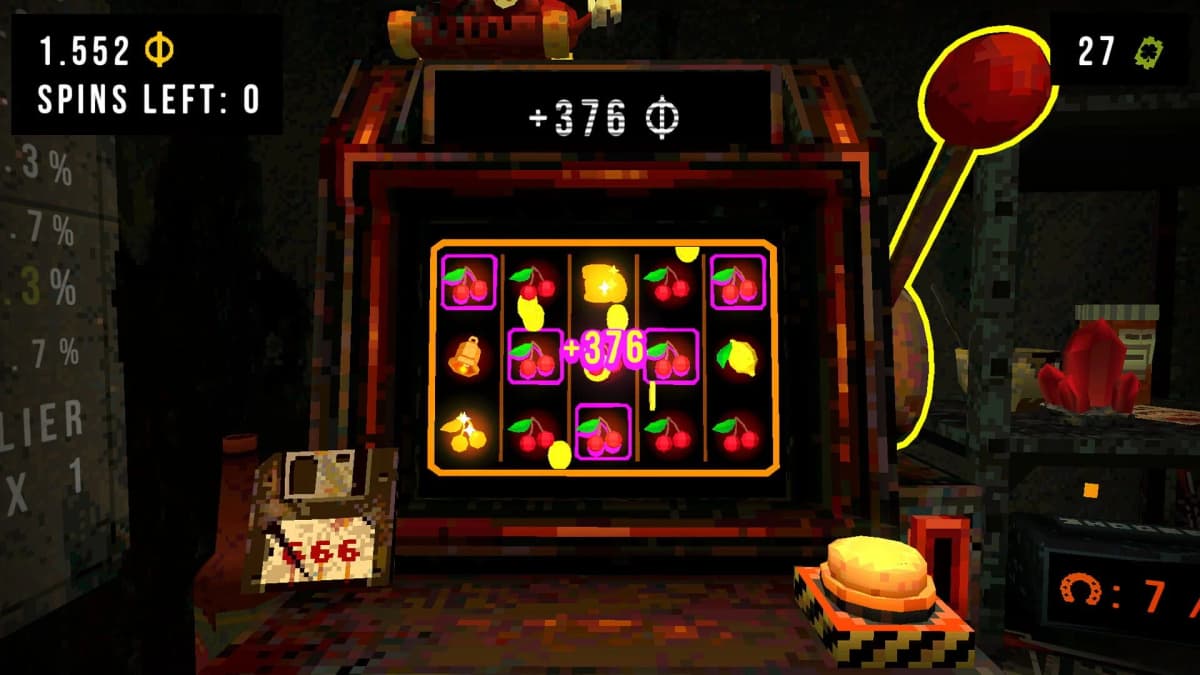
Cloverpit grabbed me because it takes the dopamine of spinning reels and drags it through a rusted, industrial nightmare. If Balatro is the bright, clever poker kid who turned 2024 upside down, Cloverpit is the chain-smoking older cousin who learned to count reels in the back of a pawn shop. It launched on Steam with a 96% “Overwhelmingly Positive” rating, 100,000+ sales, and half a million wishlists – and after a few tense runs, I get why.
Key takeaways
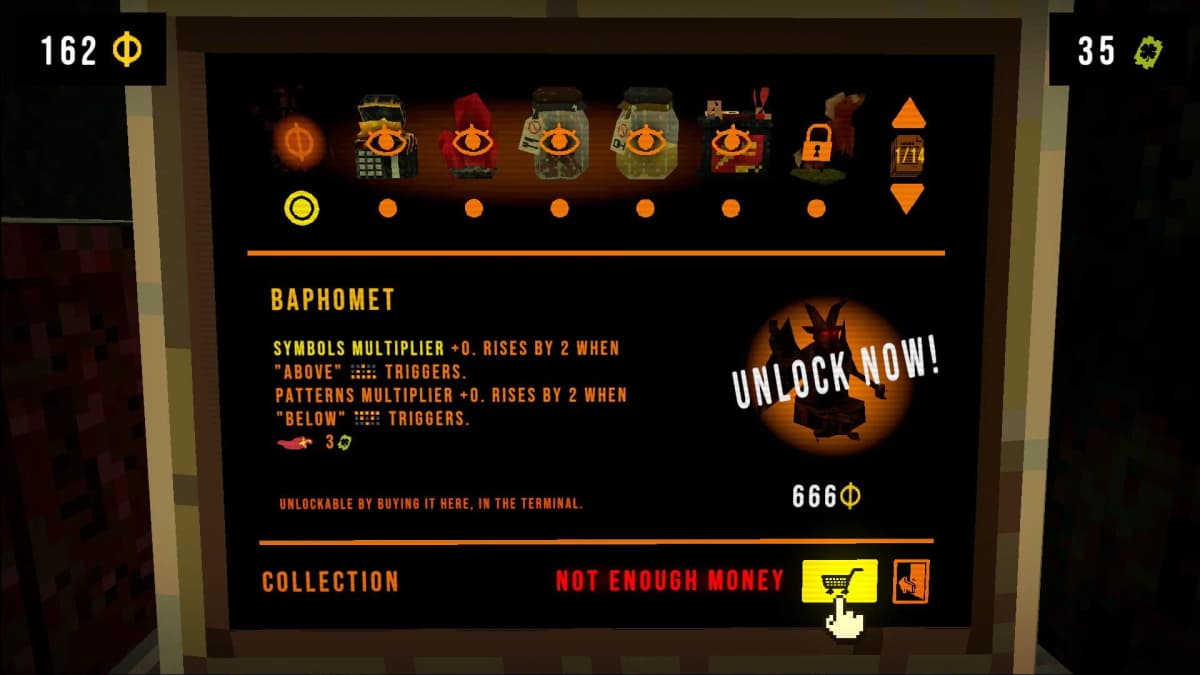
- It’s a slots-centric roguelite with over 150 items that let you break the machine – memory cards, relics, desperate phone calls, the works.
- Every round is a debt check; fail the payout and you’re yeeted into the pit. That timer pressure gives runs real stakes.
- Seeded runs and meta-progression support both theorycrafting and long-term grind without leaning on RNG alone.
- No real-money gambling or microtransactions – despite the casino dressing, this is a traditional premium roguelite.
- Launch price is $8.99 / £7.65 with a 10% discount through Friday, October 10; optional bundles with Balatro, Inscryption, and Buckshot Roulette add another 10% off.
Breaking down the loop: pay the debt or meet the pit
The pitch is simple and mean: every round you have to earn enough from your slot pulls to pay an ever-growing debt. Fall short and the floor opens. That looming number is what makes Cloverpit sing — you’re not just chasing high scores, you’re buying survival one spin at a time.
Where skill actually lives is in the levers you pull around those reels. The item pool is large and deliberately explosive: memory cards can rewrite the rules mid-run; relics snowball tiny payouts into jackpots; a last-ditch phone call can salvage a whiffed round. The tone is pure grime — ATMs that feel like they’re judging you, slot machines that look like they’d bite your hand — but the mechanics are clean. This isn’t a passive slot-autoplay; it’s an engine builder with reel timing and payout manipulation as the verbs.
Seeded runs are a smart inclusion. They let streamers and theorycrafters pick apart the same puzzle, test synergies, and create community challenges. That’s a page straight out of the Balatro and Spire playbooks, and it’s where roguelites live or die after launch.
Not just another Balatro chaser
After Balatro detonated this year, we all expected a wave of “card + luck” clones. Cloverpit reads like a cousin rather than a copy. Mechanically it leans closer to Luck be a Landlord’s symbol synergies, but with far more direct ways to rig the machine and a harsher, round-by-round debt economy. Tonally, it’s closer to Buckshot Roulette — claustrophobic, mean, and stressy in a way that makes small wins feel illicit.
The devs even called it the “demonic lovechild of Balatro and Buckshot Roulette,” which for once isn’t just a spicy store blurb. Balatro’s joy is in crafting point explosions from poker hands; Cloverpit’s joy is in corrupting a hostile system until it spits out rent money. If you like the sensation of turning desperation into momentum, this scratches a different itch than Balatro’s cozy crescendo.
“Is this gambling?” and other fair questions
Panik Arcade is clear: there’s no real-money gambling here, no microtransactions, no in-game cash shop. It’s a premium roguelite wrapped in casino aesthetics. Still, the theme will be a non-starter for some. If slot imagery is a trigger, the game doesn’t shy away — it leans in with a deliberate, oppressive vibe. For everyone else, the slot machine is just a skin over probability puzzles and buildcraft — closer to a deterministic puzzle-box than a casino sim.
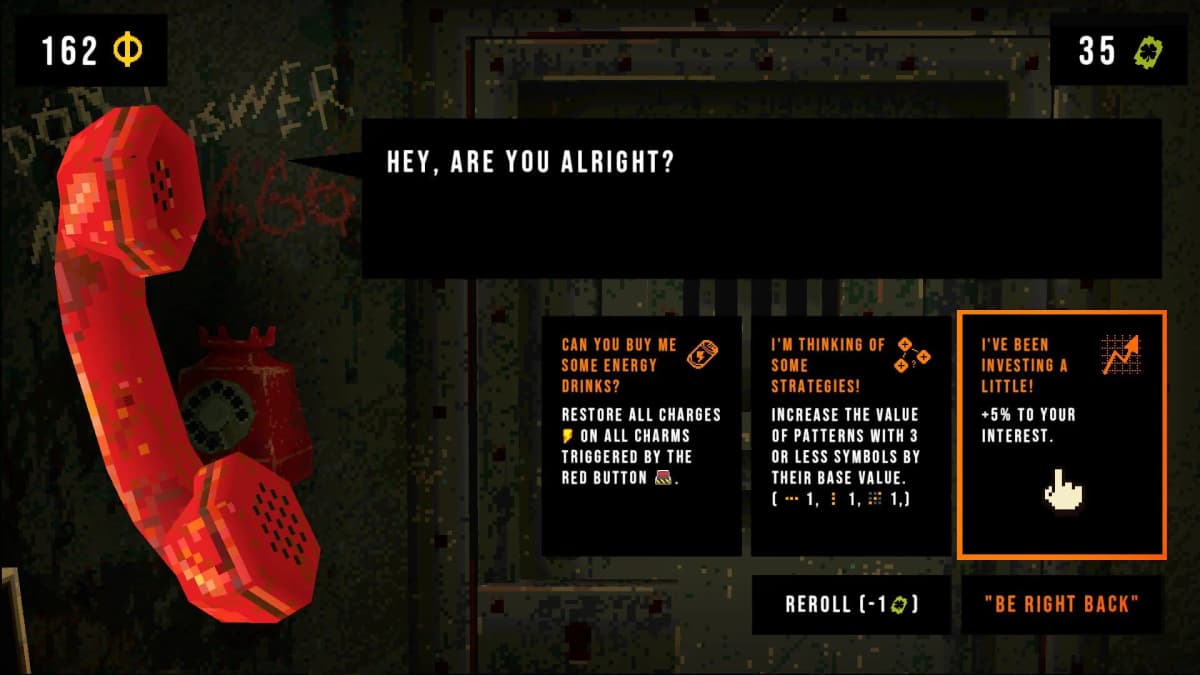
Worth noting: with 150+ items, early metas can get busted. That’s part of the fun, but also where balance patches matter. The 96% rating is great momentum; let’s see if Panik keeps the cadence to sand down degenerate loops without neutering the power fantasy. Balatro’s post-launch balance was a masterclass in this. The bar is high.
Want to Level Up Your Gaming?
Get access to exclusive strategies, hidden tips, and pro-level insights that we don't share publicly.
Ultimate Gaming Strategy Guide + Weekly Pro Tips
Why this launch matters now
The roguelite space is crowded, and “luck-manipulation indie” might as well be its own shelf in 2025. Cloverpit stands out because it commits to mood and mechanics equally. The debt clock forces decisions, the item pool rewards planning, and seeded runs invite community problem-solving. Hitting 100,000 sales out of the gate isn’t fluke territory — it’s signal that players want more than just cozy vibes from their probability toys.
Pricing helps. At nine bucks with a launch discount and smart partner bundles, it’s a low-friction buy-in for “one more run” addicts. The studio even cheekily shifted its release window to avoid a certain bug-themed behemoth’s hypothetical splash — whether joke or not, the new date clearly worked.
The gamer’s perspective: who should jump in?
If you bounced off Balatro’s chipper tone but loved the feeling of breaking a scoring system in half, this is your lane. If you loved Luck be a Landlord but wanted more agency and a nastier feedback loop, same deal. If the idea of failing a payment and plummeting into a pit stresses you out, fair — Cloverpit is built on that anxiety.
For me, the hook is control. I’ve spent far too many hours on virtual slots in everything from Pokémon’s old game corners to janky browser games, and Cloverpit finally gives that itch a proper roguelite skeleton. It’s not about praying to RNGesus; it’s about stacking relics until the machine begs for mercy.
TL;DR
Cloverpit turns spinning reels into a sharp, grim roguelite with real stakes and a deep item sandbox. It’s not gambling, it’s a premium puzzle-box about bullying probability — and the early numbers back it up. At the current price, it’s an easy recommendation for anyone who likes breaking systems and living on the edge of a debt clock.