
Feed a Kaiju Stew in This Chaotic Co-Op Cooking Adventure
Game intel
Co-Op Kaiju Horror Cooking
In this absurd co-op horror game you are medieval monks--and the only chefs who can prevent the apocalypse. Feed enormous monsters with a catapult, evade super…
Introduction
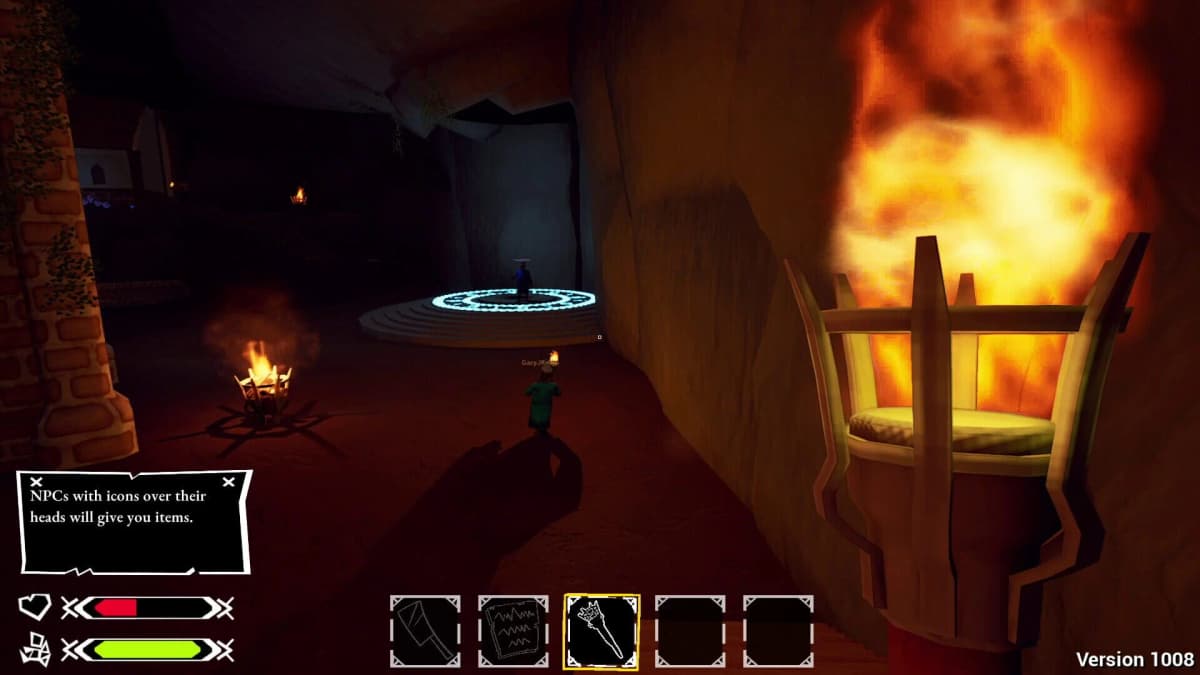
When Strange Scaffold drops a teaser, I lean in—and their latest, Co-Op Kaiju Horror Cooking, might be their boldest stunt yet. Imagine a brigade of robed monks sprinting through maze-like corridors, scavenging eerie ingredients, then hurling bubbling stews into the gaping jaws of colossal sea monsters. It sounds utterly bonkers, but beneath the riotous colors and frantic laughter sits a deep cooperative romp that fuses party-cooking chaos with pulse-pounding kaiju horror.
Game Overview
- Title: Co-Op Kaiju Horror Cooking
- Developer: Strange Scaffold
- Publisher: Frosty Pop
- Release Date: July 29, 2025
- Platform: PC (Steam)
- Genre: Cooperative multiplayer, horror, cooking
- Players: 1–4 online co-op
Core Gameplay Loop
Every session begins in a shadowy chamber, where your team of medieval monks breaks into Gregorian chant to summon a titan from the depths. Once the kaiju’s massive silhouette looms, a strict timer kicks in—usually three feeding windows. Your goal? Gather unpredictable ingredients, whip up the perfect stew, and fire it skyward into the beast’s open maw. Miss a window and environmental chaos ensues: bridges collapse, acid rain pours, and elemental creatures spawn to slow you down.
This loop—gather, cook, deliver—then repeats in brisk succession. Between feedings, you can ignite buffs at ritual altars. Some extend your cooking time, others amplify ingredient effects. Do you risk spelunking for elusive “eldritch mushrooms” in flooded catacombs, or stick with familiar root vegetables that never disappoint? The stakes stay sky-high.
Level Design & Environmental Hazards
Strange Scaffold has built thirteen handcrafted arenas that constantly test your wits and reflexes. In the Fungal Catacombs, glowing mushrooms light the way while sudden geysers erupt beneath your feet. At the Storm-Lashed Promontory, fierce winds threaten to blow you off slick cliffs. And the Skull-Spire Arena is packed with trapdoors that hurl you across yawning chasms if you step in the wrong spot.
Obstacles aren’t mere backdrops—they demand on-the-fly adaptation. One misjudged leap can end you in corrosive acid pools, while the kaiju’s seismic footsteps shake platforms to their breaking point. Environmental hazards evolve between feedings, so staying flexible is not a choice—it’s survival.
Tag-Based Cooking Mechanics
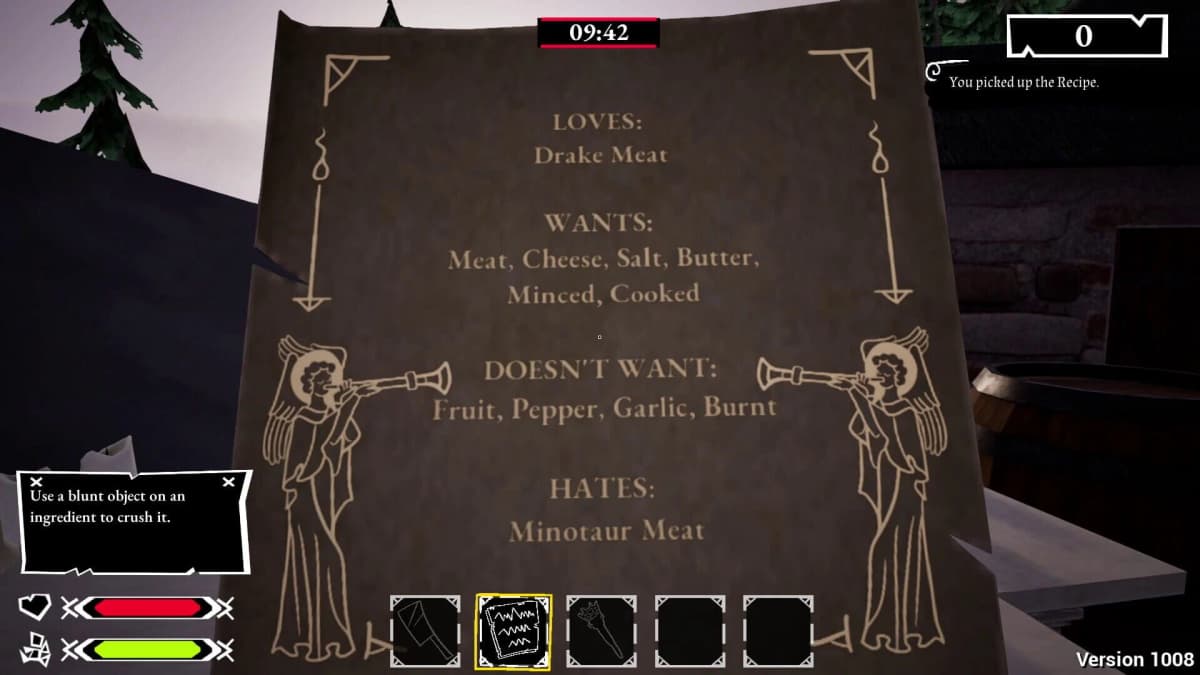
Instead of memorizing static recipes, ingredients feature dynamic tags like “smoked,” “cursed,” “fermented,” or “sanctified.” A “smoked seaweed” broth might soothe an agitated kaiju, while a “cursed berry” blend could provoke an all-out rampage. Each decision sparks debate: carve out extra seconds for a perfectly chopped “holy herb,” or gamble on a half-raw potion to hit the next feeding window?
This emergent cooking system ensures every run is fresh and unpredictable. I’ve watched teams clash over whether to toss in a “blessed onion” for a protective shield or risk a “burnt pumpkin” to blind the beast long enough to snag constellation-mapped mushrooms.
Co-op Dynamics & Winning Strategies
The real magic happens in four-player mode. One monk dashes for forage, another mans the cauldron, a third loads the gargantuan catapult, and the fourth keeps watch for hazards. Communication is non-negotiable—a single missed warning can turn a triumph into a spectacular faceplant. As one Steam playtester put it, “It’s equal parts Overcooked-level panic and monster-hunting thrill.”
Teams that assign roles upfront run like clockwork. Designate a gatherer, a chef, a catapult engineer, and a spotter. Spotters shout out incoming dangers—lava surges, trapdoor activations, shifting ledges—so no one gets blindsided. Solo or duo runs ramp up difficulty by shrinking feeding windows and adding hazards, turning every attempt into a high-speed multitasking gauntlet.
Want to Level Up Your Gaming?
Get access to exclusive strategies, hidden tips, and pro-level insights that we don't share publicly.
Ultimate Gaming Strategy Guide + Weekly Pro Tips
Difficulty Modes & Replayability
Beyond the base “Apprentice” setting, two brutal tiers await: in Heretic mode, unpredictable curses like teleporting mushrooms and poison clouds keep you on edge, while Armageddon mode flips the script with dual kaiju that must be fed in alternating windows under relentless time pressure. Integrated leaderboards track fastest clear times and craziest mana-buff combos, sparking a lively speedrunning community.
Daily Rituals offer rotating modifiers—imagine “All ingredients are cursed” or “Solo-only challenge”—that unlock unique cosmetic rewards and special cauldron skins. Combined with randomized portal gates, these features deliver near-endless replay value.
Visuals, Audio & Performance
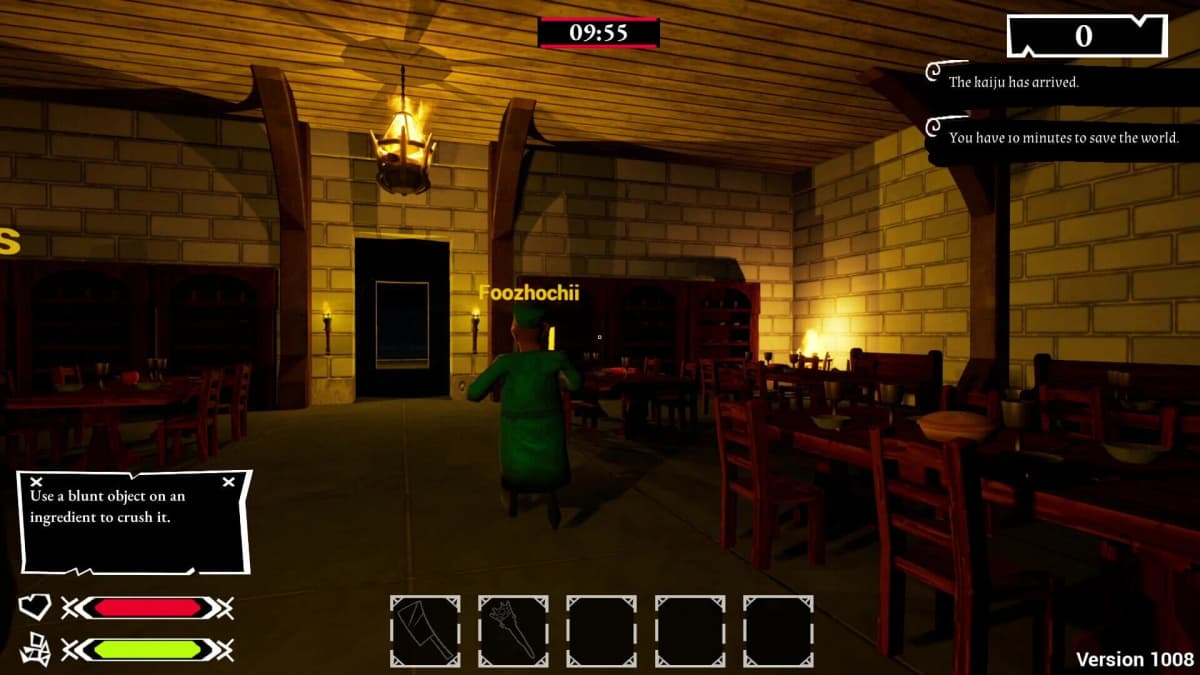
The game’s art style blends fairy-tale whimsy with gruesome charm—neon broths bubble in worn cauldrons, vibrant moss carpets damp stone floors, and the kaiju’s lumbering approach shakes the very ground. Dynamic weather, from acid rain to swirling fog, alters both visibility and monster behavior.
Sound design is equally ambitious. Gregorian chants meld into dissonant horns and tribal drums, while every chop, stir, and catapult launch triggers crisp, gratifying cues. The result is a sensory feast that amplifies the ritual-cooking spectacle.
On mid-range PCs, the game holds a steady 60 fps at 1080p. Older machines can dial back shadows and particle effects without compromising core gameplay. Accessibility options include colorblind filters for ingredient tags and fully remappable controls for keyboard and gamepad users.
Strange Scaffold’s Indie Evolution
In just two years, Strange Scaffold has morphed from narrative specialists behind El Paso, Elsewhere into masters of kinetic co-op chaos. Their open playtest on Steam wasn’t merely a bug hunt—it shaped level pacing, balance, and even core mechanics. Community feedback honed everything from catapult reload times to the potency of cursed ingredients, proving that small teams can punch well above their weight.
Why It Stands Out
Most party-cooking titles rely on rote recipes and kitchen fires. Co-Op Kaiju Horror Cooking shreds that formula, layering emergent improvisation, tower-defense tension, and apocalyptic stakes. Subtle themes of faith, sacrifice, and collaboration thread through the madness, giving each lobbed stew unexpected narrative weight.
Whether you’re an Overcooked veteran or just crave something profoundly different, this medieval-meets-monster mash-up will keep you coming back. Unique difficulty modifiers, daily rituals, and a vibrant leaderboard scene ensure the kitchen-kaiju carnage never grows stale.
Conclusion
Co-Op Kaiju Horror Cooking delivers a feast for all senses: whimsical horror, heart-pounding teamwork, and a dash of existential dread. Rally your friends, don your monk robes, and prepare to feed—or enrage—a ravenous kaiju. One thing’s certain: lunchtime will never feel the same again.