
Table of Contents (9)
Code Vein 2 Preview – A Sharper Take on the Anime Soulslike Comfort Food
Code Vein 2 isn’t trying to surprise you with a dramatic overhaul. The three-hour preview from Bandai Namco makes that clear right away: this is still an unapologetically anime-flavored soulslike about stylish vampires in flowing coats wielding massive weapons. What’s new is how confidently it doubles down on that identity.
Instead of chasing Elden Ring–scale ambition or ripping up its own foundations, Code Vein 2 leans into deep character customization, flexible build swaps, a generous companion system, and a melodramatic story featuring time travel and cosmic moon gods. From the early hours on show, it feels less like a gamble and more like a fine-tuning of the original’s strengths.
TL;DR: Code Vein 2 plays like a bolder, louder anime soulslike with freeform builds, twin-blade and rune-blade combat twists, and smarter AI allies that cushion the sting of failure.
Key Takeaways from the Preview
- Checkpoint system: Mistles (think bonfires) restore health but respawn foes, and Haze (the souls equivalent) drops on death.
- Flexible classes: Blood Codes let you respec on the fly, boosted further by an extensive pool of Formae skills.
- New weapons: Twin blades for swift, dodge-heavy play and telekinetic rune blades for flashy, ranged assaults.
- Adaptive companions: Bring NPC allies into battle or assimilate them for passive buffs and on-the-spot revives.
- Exploration upgrade: Multi-layered zones with a footstep trail marker that highlights visited areas.
- Story reboot: A fresh narrative reset—no prior series knowledge needed—centered on Revenants, vampiric undead, and a corrupt moon entity.
Soulslike Fundamentals with an Anime Heart
Bandai Namco might call Code Vein 2 a “dramatic exploration action RPG,” but its core loop still sings soulslike: rest at a Mistle, regain health, respawn enemies, then risk everything to reclaim your lost Haze. Die, and that Haze is left at your corpse’s fall spot until you make a one-shot recovery.
Six main attributes govern your build—strength, dexterity, willpower, etc.—but Code Vein 2’s real twist is how little it forces you into one identity. Blood Codes act like classes you can swap at any checkpoint, reshaping your stats and gear requirements. Layer on up to four boosters that tweak damage, defense, or special effects, and you’ve got a system that encourages experimentation rather than punishing it.
Combat: Faster, Flashier, Still Tactical
The sequel’s combat feels punchier than the original’s measured pace. The fundamental rhythm remains: land hits to build bleed, trigger a Jail attack (the new name for Blood Veils) to convert bleed into Ichor, then spend Ichor on Formae—your active skills and spells.

When you nail a perfect Jail drain, fill your Ichor, and chain into a massive Formae attack, it creates a momentum-driven dance that rewards timing over button-mashing. Twin blades push you toward agile, dodge-centric skirmishing, while rune blades orbit your character telekinetically. One highlighted skill, Stalking Saber, sends those floating swords to shred enemies over time—at the risk of leaving you weaponless while they spin.
Defensively, you can block with shields, go for high-risk parries with bracers, or dodge via quickstep. Missing a parry in a new area can cost you dearly, but landing one feels spectacular. Boss encounters, like the Metagen Remnant preview, punctuate this with dreamlike flashbacks that add story context before unleashing punishing attacks that can flatten you in a heartbeat.
Buildcraft and Customization: Candy for Tinkerers
From the moment you tweak iris reflections in the character creator to your tenth build swap, Code Vein 2 celebrates personalization. The editor goes deeper than ever—multi-layered irises, adjustable sclera shading, and reflection tweaks that let you lose track of time crafting your avatar.
Then come Blood Codes and Formae. With over 200 Formae skills teased, you can mix aggressive melee moves, ranged magic, or niche tools like a greataxe that slows foes. Bequeathed Formae often feel like signature combos unique to each class, so pairing a parry-focused bracer with Stinger Jail and rune blades yields a radically different feel than a classic greatsword-and-shield bruiser.
Companions and the Cozy Soulslike Twist
Code Vein 2 doubles down on its “anime co-op” identity by letting you bring AI allies into missions or absorb them for passive buffs. Each companion can draw aggro and dish out damage without overshadowing you—Josée, for example, keeps crowds manageable while still demanding your full attention.
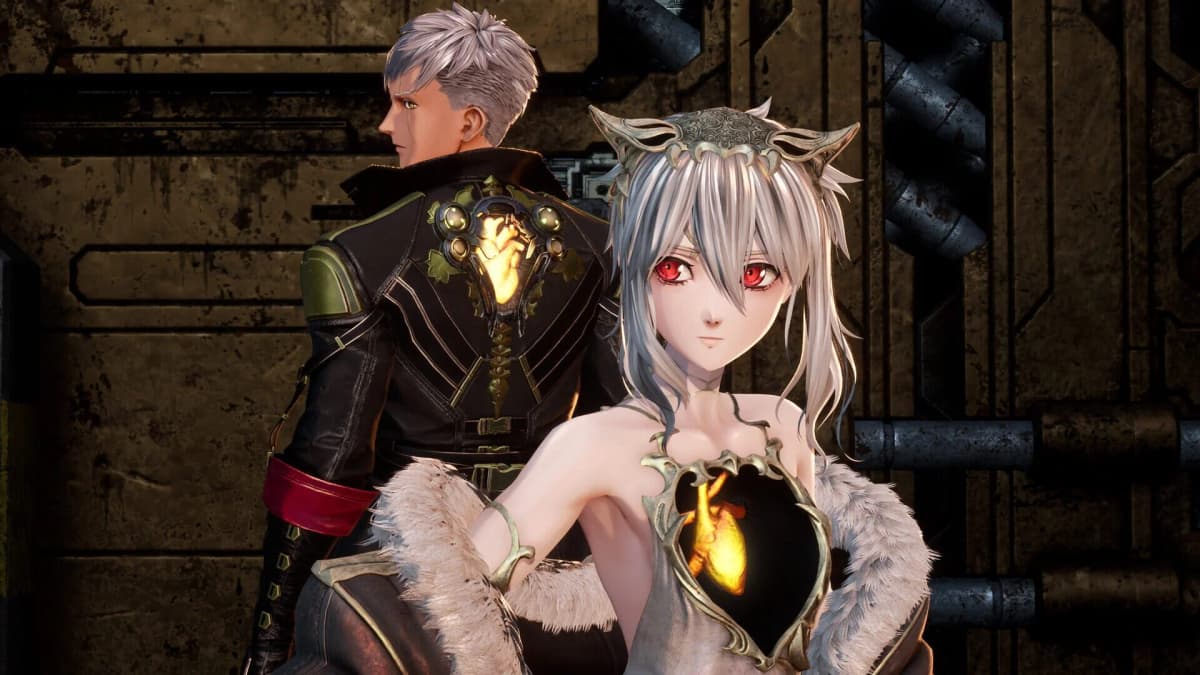
You can also spend restorative offerings to let companions revive you mid-battle. Each revival has a cooldown that lengthens with use and returns you at reduced health, so it never trivializes death. This system softens the brutal edge of a one-shot boss kill, making the game more inviting for anyone who craves action with a safety net.
Exploration Upgraded: Layered Mazes, Not Corridors
The Sunken Pylon preview area ditches the original’s corridor-heavy design for a multi-floor industrial ruin you navigate via collapsing catwalks and rusted platforms. Instead of brute-forcing every hallway, you weave across levels and keep track of a footstep trail that highlights your path. It doesn’t hold your hand but stops you from endlessly rechecking side passages.
Story Reboot: New World, Same Blood-Soaked Drama
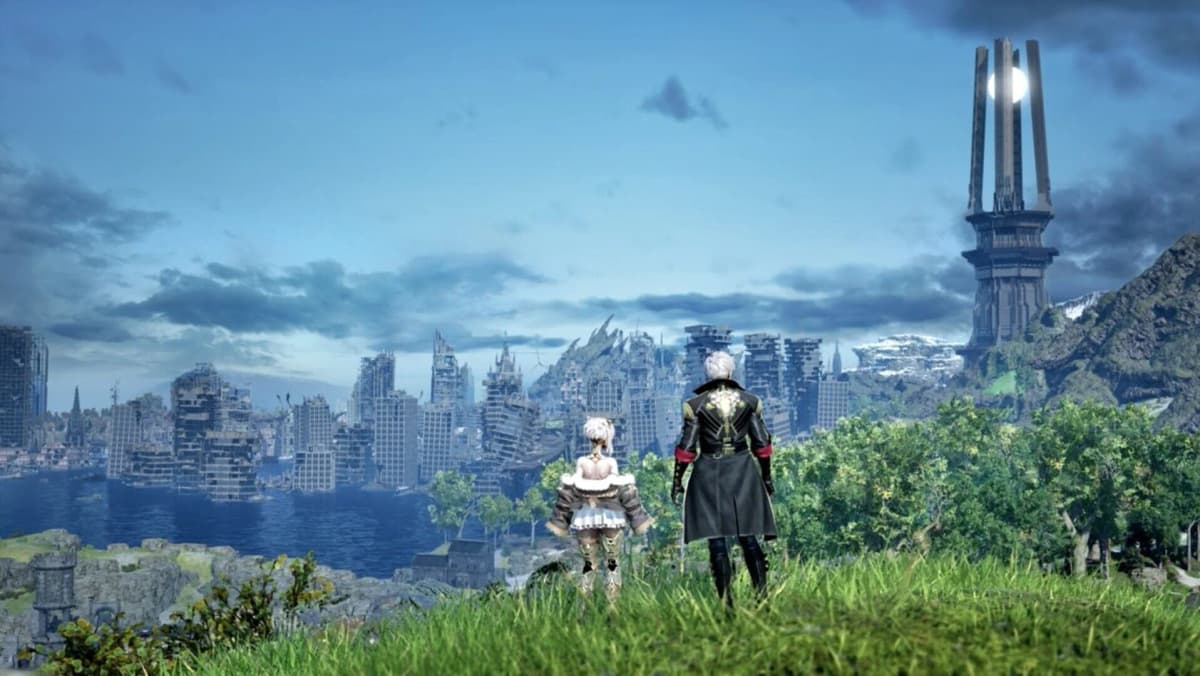
You don’t need prior Code Vein experience to follow this saga. The Resurgence twisted humanity into bloodthirsty Revenants, and a botched cure birthed the Lunar Rapacis, a corrupt moon entity that eats away at a Revenant’s self. You awaken centuries later, literally fused to Lou—your companion whose heart half lives in you—forcing an inseparable bond that drives both narrative and gameplay stakes.
Conclusion
Code Vein 2’s three-hour preview paints a picture of a polished, self-assured anime soulslike. It doesn’t break new ground, but it sharpens every facet of its predecessor—from build freedom and combat tempo to story beats and level design. Fans of the original who crave more mechanical depth and a softer landing pad for missteps will find a lot to love here.
Whether you’re a Bloodborne-style dodger or a Dark Souls guard-and-counter veteran, Code Vein 2 feels like a comfort meal served up with extra spice. The sequel is shaping up to be a must-play for anyone who enjoys punishing action RPGs with an unapologetic anime flair.
FinalBoss // Gear
Level up your setup
01Top-rated gaming headsetson Amazon→02High-refresh gaming monitorson Amazon→03Gaming chairson Amazon→04Discounted game keyson Kinguin→
Affiliate links · As an Amazon Associate, FinalBoss earns from qualifying purchases.
Want to Level Up Your Gaming?
Get access to exclusive strategies, hidden tips, and pro-level insights that we don't share publicly.
Ultimate Reviews Strategy Guide + Weekly Pro Tips