
Code Vein II locks Jan 30, 2026 — what Bandai’s anime Souls-like is actually changing
Game intel
Code Vein II
An epic adventure awaits, where you and your chosen partners explore a vast world, face fierce battles against powerful enemies, and uncover an epic story that…
Why This Reveal Actually Caught My Eye
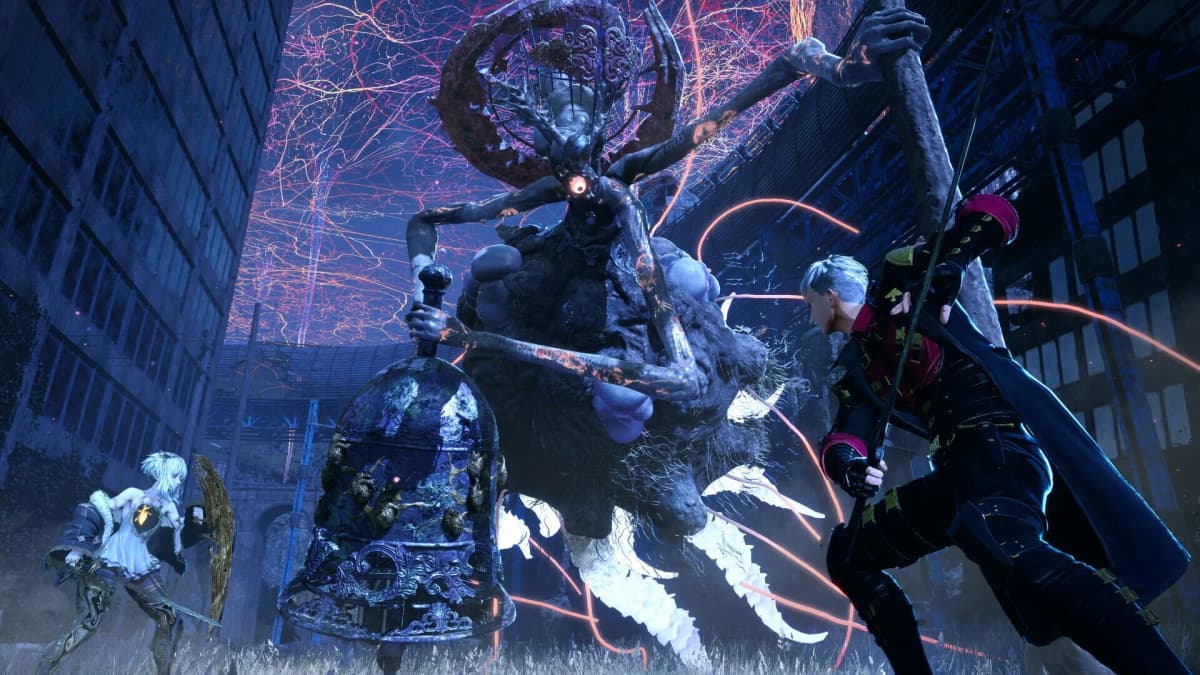
I liked Code Vein for what it was: a 2019 anime Souls-like with a killer character creator, bombastic Gifts, and a buddy system that made the genre more approachable-even if the level design had that “copy-paste labyrinth” feel and combat could be floaty. Code Vein II landing January 30, 2026 on PS5, Xbox Series, and PC isn’t just a victory lap. Bandai (with the God Eater veterans at Shift) is promising a real rebuild: dual-timeline storytelling, a remodeled combat kit with new weapon archetypes, a system called Forma, a blood-draining mechanic dubbed “The Jail,” and a rethink of companions via Summon and Assimilation. If that list sounds like more than marketing garnish, it’s because these are exactly the areas fans wanted fixed.
Key Takeaways
- Release date: January 30, 2026 (PS5, Xbox Series X|S, PC).
- Two-timeline structure aims to deepen narrative and vary level design.
- Combat overhaul: new weapons, Forma customization, and “The Jail” for blood-drain risk/reward.
- Companions reimagined with Summon (physical aid) and Assimilation (buff-centric support).
- Early access tied to Deluxe edition and a post-launch “Mask of Idris” expansion-manage expectations.
Breaking Down the Announcement
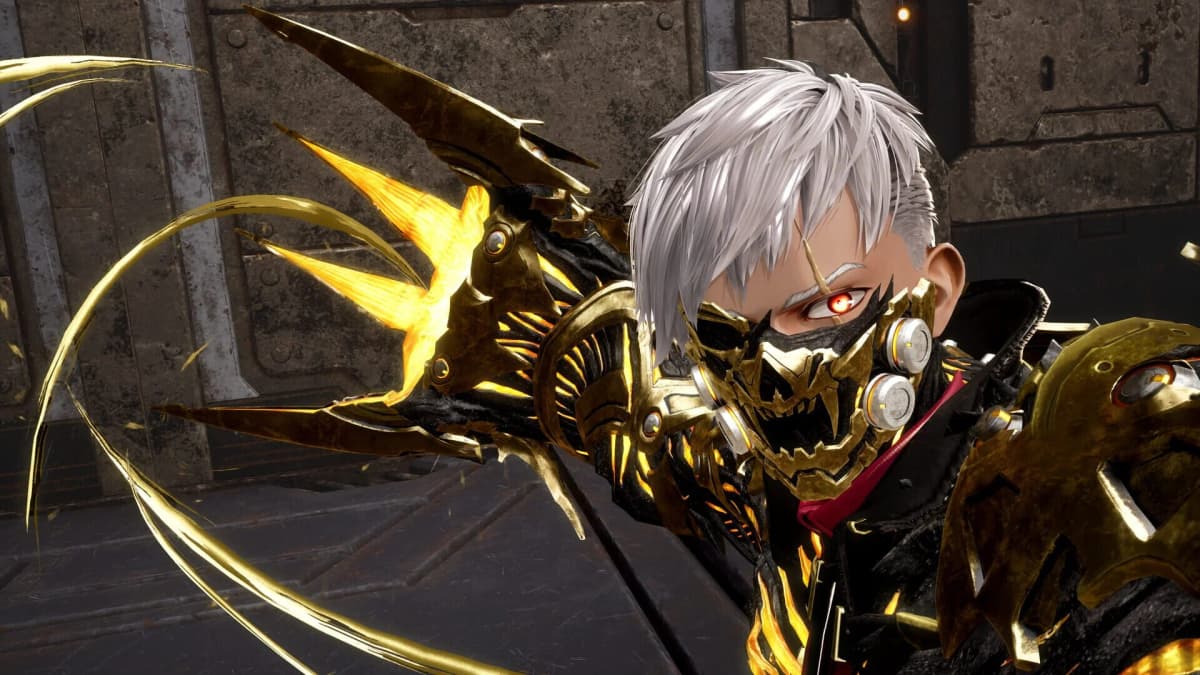
The new footage and developer commentary sketch a sequel that remembers why people stuck with the original. Weapon variety looks broader: a heavy two-hander for clean stance breaks, a lance with charge mechanics for space control, and those floating blade sets that shred over time, letting you play a more methodical, defensive style. That’s a meaningful lane for players who like to kite and punish instead of roll-canceling into R1 spam.
Forma reads like the backbone of buildcrafting-think modular tweaks that push weapons or abilities into specialized roles rather than flat stat sticks. Pair that with “The Jail,” which lets you drain blood in combat for power spikes, and you’ve got an obvious risk-reward loop. Code Vein’s old Ichor economy could snowball; if The Jail truly demands positioning and timing to fuel your kit, it could tighten the power curve and make boss fights less bursty and more tactical.
The Companion Rethink
The original’s buddy system was a double-edged sword: great vibe, but your AI pal could trivialize encounters. The sequel splits companions into Summon (they fight beside you) and Assimilation (they sacrifice their own skills to amplify yours). That’s a smart pivot. It preserves the series’ identity—adventuring with a partner—while letting challenge-seekers lean into Assimilation for self-reliant builds. It also echoes Shift’s God Eater DNA, where party synergies mattered but didn’t erase mechanical mastery.
Dual Timelines: Variety or Backtracking?
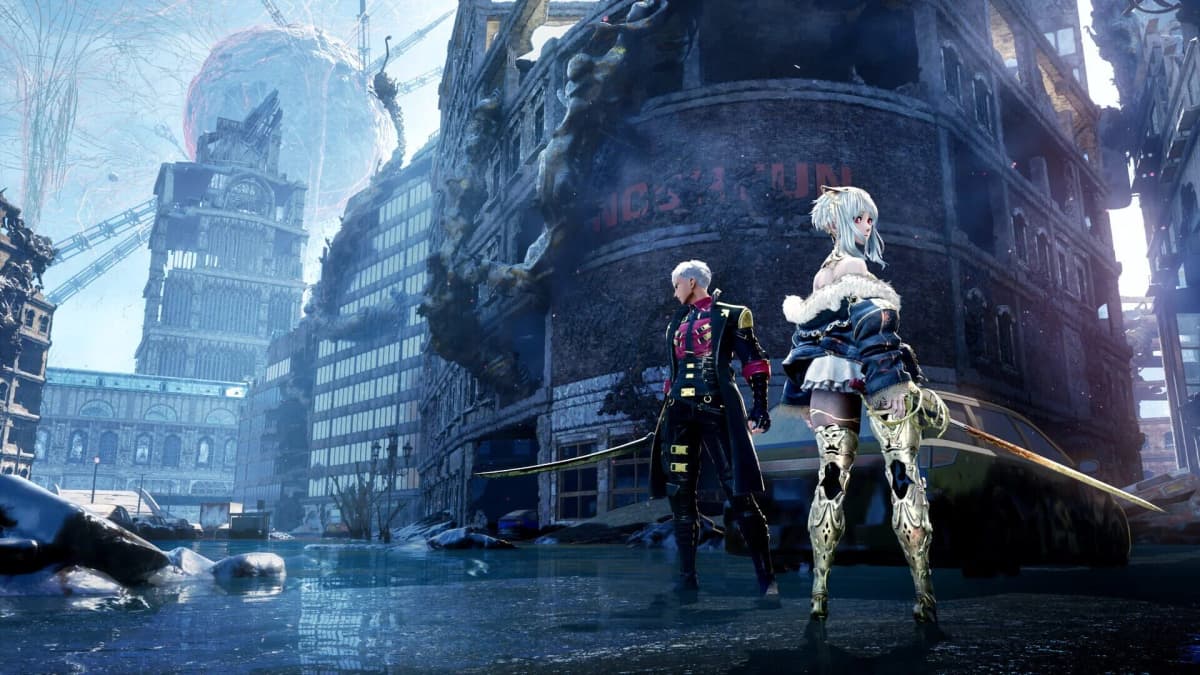
Narratively, you’re a Revenant hunter pairing with Lou, a time-bending companion, jumping between present and past to head off a catastrophe linked to Luna Rapacis. The hook is cause-and-effect design: change something in the past, pathing and encounters shift in the present. If Shift uses that to remix enemy types, traversal options, and shortcuts, it could solve Code Vein’s biggest sin—repetitive corridors. Worst-case, time travel becomes an excuse to retread maps with new filters. Best-case, we get Soulsian loops where a tweak in one era unlocks creative routes and bespoke boss phases in the other.
The Gamer’s Perspective: Promises vs. Pitfalls
What I’m listening for isn’t just new nouns—Forma, Jail, Assimilation—but whether the fundamentals feel better. Cleaner hitboxes, readable i-frames, a consistent stagger system, and fewer hallway ambushes will matter more than any flashy trailer slash. With current-gen-only hardware, a locked 60 fps should be the default, not a “performance mode” caveat. And if those floating blades apply DoTs, I want exact numbers in tooltips—not vague “increased damage over time.” Souls-likes live and die by clarity.
On the less exciting side, Deluxe buyers get three days early access and a named expansion, Mask of Idris, telegraphed before launch. That’s the industry now, but it raises eyebrows. I’d love to see a time-limited network test instead—let players hammer the netcode and difficulty tuning ahead of release. Co-op exists (AI or player), but details are thin. Cross-play, password systems, boss walls, and how Summon/Assimilation interact with human partners will determine whether this is a weekend staple with friends or a solo-first experience with optional help.
Customization Returns in Force
Let’s be real: Code Vein’s character creator was half the fun. Bandai is talking up avatar customization again, and if it expands with more body types, layered outfits, dye channels, and better face/hair sliders, that’s a win. The trick is marrying fashion with function. If Forma and The Jail let me build a parry-focused lance duelist or a bleed-stacking blade conductor without ugly stat penalties, we’re cooking. Also, keep cosmetic microtransactions in the “optional drip” lane—don’t hide the coolest sets behind paywalls.
What I’ll Be Watching
- Boss design and camera sanity when arenas get busy.
- Level variety—fewer mazes, more memorable landmarks and shortcuts.
- Co-op friction: cross-play, quick matchmaking, and clear scaling rules.
- Performance targets and robust graphical settings on PC.
- Difficulty options and accessibility (remappable inputs, colorblind aids, toggle holds).
- How Summon/Assimilation impacts challenge—and speedrun potential.
Want to Level Up Your Gaming?
Get access to exclusive strategies, hidden tips, and pro-level insights that we don't share publicly.
Ultimate Gaming Strategy Guide + Weekly Pro Tips
Release Details and Value Check
Code Vein II launches January 30, 2026 on PS5, Xbox Series X|S, and PC. Expect Standard, Deluxe (with three-day early access), and a Digital Ultimate tier. A 2026 post-launch expansion, Mask of Idris, is already on the roadmap. If you’re day-one curious, consider waiting for previews or a demo/network test. If Shift nails the feel, the dual-timeline progression plus the new companion systems could push this series from “cult favorite” to legitimate Souls-like contender.
TL;DR
Code Vein II isn’t just more anime coats and big swords. The dual timelines, Forma, The Jail, and Summon/Assimilation show real intent to address the first game’s shortcomings. Now it’s on Shift to deliver crisp combat, smarter levels, and co-op that’s worth sticking with past the opening hours.