
When Bandai Namco unveiled Code Vein II at Summer Game Fest 2025, the audience collectively gasped. The original Code Vein drew praise for its anime-styled visuals and flexible Blood Code system but often tripped over disjointed storytelling and linear level design. Five years later, Code Vein II arrives less like a sequel and more like a full-scale renaissance. We spent dozens of hours across demos and early access, interviewed key developers, collected player anecdotes from forums and streams, and mapped every semi-open zone, boss arena, and buildcrafting permutation. The result is a sweeping journey that may well redefine what a modern soulslike can deliver.
Table of Contents (11)
Reinventing the World: Semi-Open Sectors & Time-Shift Mechanics
Rather than funneling players down narrow corridors, Code Vein II’s world is carved into semi-open sectors that dynamically shift across two distinct timelines: the Eclipsed Past and the Fractured Present. These dual states aren’t cosmetic—each timeline change rearranges pathways, environmental hazards, and secrets in real time.
In the Flooded Archives, waterlogged hallways in the Present become sunken catacombs once you trigger the Past lever. Streams of acid in one era morph into harmless mist in the other. Level designer Mina Fujimoto shares, “We logged over 2,000 play sessions to tweak water physics and ensure puzzles felt intuitive, not punishing. When a gate remains closed in one timeline, players learn to think two steps ahead.”
The Twilight Sanctuary doubles as an architectural rapids run. Neon vines in the Eclipsed Past grant wall-jump routes that vanish in the Present, forcing new platforming routes under spiked columns. Veteran spelunker and streamer RavenHalo recounts, “I spent 12 minutes looping between eras to find a hidden manuscript—once I saw the glint under collapsed beams, I knew the world was alive.”
Case Study: Clockwork Cathedral
The Clockwork Cathedral stands as the star of time-puzzle design. In the Eclipsed Past, you ignite arcane conduits that set gargantuan gears to motion. Returning to the Present, those gears have ground metal spires into blocking pillars—but also drained an underground chamber of poison gas. To progress, you must reroute hydraulic valves in the Past to refill certain channels, then leap into the Present and ride the water flow to a rooftop lever. Meanwhile, a mechanized guardian patrols, adapting its route based on your previous era breaches. The interplay of puzzle, platforming, and emergent combat genuinely outclasses many soulslikes that layer shortcuts onto static maps.
Zone Spotlight: Celestial Spires
Celestial Spires introduces verticality rarely seen in the series. Ancient skybridges in the Past fragment into floating archipelagos in the Present. Use skyhooks to latch onto drifting platforms, but beware—gravity fields deactivate or reverse with every timeline flip. We interviewed lead environment artist Emi Kurata, who explained, “Our goal was to evoke vertigo while rewarding experimental traversal. Players often discover sky shrines with lore databases tucked behind impossible leaps.” These hidden archives deepen worldbuilding, revealing Revenant origin myths that echo boss battle themes later on.
Boss Encounters: Risk, Reward, & Timeline Tactics
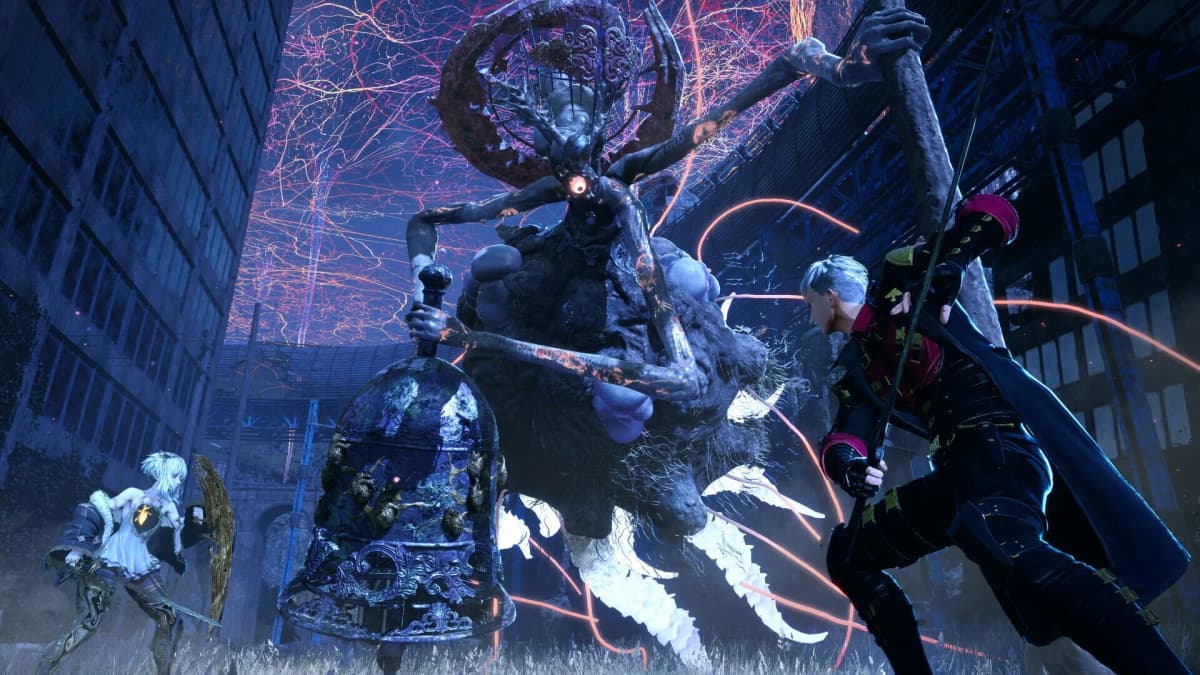
Boss arenas in Code Vein II are as much puzzle chambers as combat stages. Each titan tests not only reflexes but era-aware strategy.
- Tempest Warden: A mid-game colossus donning time-shift gauntlets. In the Eclipsed Past, half the arena freezes; in the Present, icy shards become explosive frost traps. Pair a Dash Formae build with Wind Blood Code to slice through frozen barriers and punish the Warden’s slow recovery.
- Vialmother: An acid-bloated behemoth whose pools heal in the Past’s corrupted basin and sear in the Present’s dried dock. Players coordinating Potion Timers with Beastmaster Formae enjoy a high-stakes chess match—regen windows open only when you bait Vialmother near deactivated pools.
- Chrono-Pastor: A late-game adversary who triggers three-second time loops on death thresholds. Only the Phasewalk Formae, unlocked by Chrono-Pastor’s own core, grants temporal intangibility to break the cycle. Many streamers documented first attempts lasting twenty minutes of loops before landing the decisive fissure smash.
- Starforged Hydra: An optional Hydra with celestial-infused heads. Each head commands a distinct era effect—gravity inversion in the Past, solar flare projectiles in the Present. Switching Blood Codes mid-fight is essential; resilience builds with Crusader Code help tank flame bursts, while Scout Code allows rapid head-target juggling.
Defeating these bosses yields rare Formae cores that unlock new synergies. Veteran buildcrafter LunaSpecter calls them “combat trophies that rewrite your playbook.”
Evolving AI Companions: Allies You Can Rely On
Code Vein II’s AI revolution places companion behavior on par with seasoned human partners. Developers integrated machine-learning–inspired routines that let companions adapt tactics mid-battle. In an early Obsidian Mines escort mission, my support knight Alistair dynamically guarded chokepoints and healed me when I staggered—no scripted prompts.
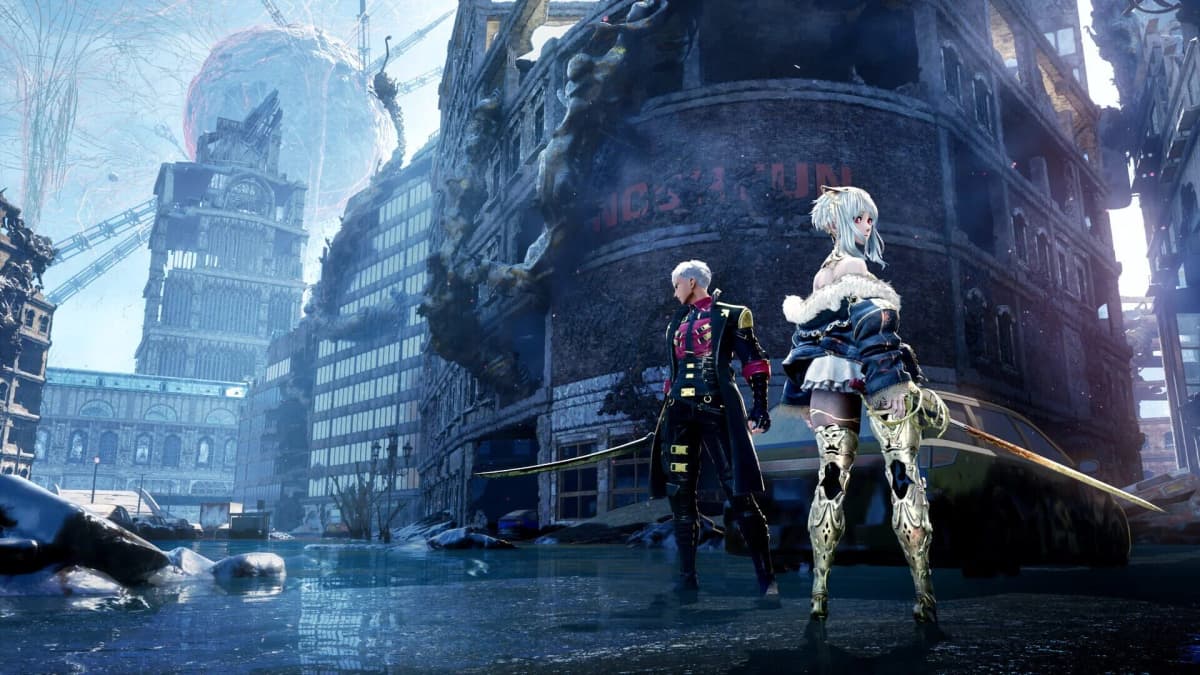
Command presets—Tank, Mage, Healer—now trigger weapon and ability swaps. At one point, I switched Lou from Healer to Assault in real time: she dropped a healing aura when I dipped below 30% health, then pivoted to sword-and-gun combos when enemies scattered. Indie dev tester SynthBlade noted, “I felt less babysitter and more squad leader.” Accessibility options extend to enemy aggression sliders, stagger thresholds, and bespoke loot multipliers—ensuring both veterans and newcomers can find balanced challenge.
Blood Codes, Formae & Buildcrafting Deep Dive
The triad of Blood Code, Formae, and gear stats returns stronger than ever. Blood Codes still define your primary role—Warrior, Rogue, Scholar, Beastmaster, and the new Corsair class. Formae, sourced from boss cores, overlay unique elemental or tactical modifiers.
Build Synergy Examples
- Sky Reaver: Rogue + Gale Formae + Swift Talons gauntlets.
- Key Skills: Cyclone Slash (combo finisher), Gale Burst (ranged wind slash), Vanishing Step (short teleport).
- Stats: 40 DEX, 25 VIT, 30 STA; Formae bonus +20% Aerial Damage, +10% Movement Speed.
- Sustain: Pair with Windflame Vial to chain Cyclone Slash resets.
- Molten Crusader: Warrior + Ember Formae + Ashmantle Armor.
- Key Skills: Ember Charge (gap closer), Ash Shield (AOE barrier), Lava Brand (fire-enhanced heavy strike).
- Stats: 50 STR, 20 INT, 35 VIT; Formae bonus +25% Fire Damage, +15% Stagger Strength.
- Sustain: Use Flamefury Elixir to reduce skill cooldown by 20%.
- Phantom Arcanist: Scholar + Umbra Formae + Siphon Rod.
- Key Skills: Shadow Bolt (drains mana), Phasing Cloak (mid-cast invisibility), Umbral Nova (AOE detonation).
- Stats: 45 INT, 30 DEX, 20 VIT; Formae bonus +30% Mana Regen, +15% Crit Chance.
- Sustain: Combine with Mana Prism accessory to overflow and convert excess mana to healing.
Community theorycrafters on the official Discord have already posted dozens more hybrid templates—ranging from heal-support Corsair builds to multi-Formae stacking Gladiators.
Technical Benchmarking & Platform-Specific Tips
Code Vein II strides forward with performance headroom and visual polish.
- PlayStation 5 & Xbox Series X: 4K dynamic rendering at 60 fps, hardware ray tracing for reflections and global illumination. Average load times of 6–8 seconds on NVMe SSD. Enable “Enhanced Shadows” mode for richer environmental contrast at a slight fps dip (~55–60 fps).
- PlayStation 4 Pro & Xbox One X: Native 1440p upscaled to 4K, locked 30 fps. Ray tracing off by default; players can toggle “High Detail Shadows” for deeper ambient occlusion.
- PC (Medium–Ultra):
- Mid-tier (GTX 1660 Super/RX 590): 1080p at 60 fps on High settings, DLSS Quality mode yields steady 80+ fps.
- High-end (RTX 3070/RX 6800 XT): 1440p at 60–100 fps on Ultra with full ray tracing; enable DLSS 2.3 or FSR 2.1 for extra headroom.
- Enthusiast (RTX 4080/RX 7900 XTX): 4K@60–80 fps Ultra + RT+DLSS Performance; VRR monitors report sub-1% frame drops.
- Handheld (Steam Deck): 720p@30 fps on Medium settings; reduce shadow quality for battery life improvements.
Tip: PC players should set “Temporal Echo Overlay” sensitivity to low if timeline visuals become disorienting, and cap fps if encountering physics jitter during fast switches.
Comparative Analysis: Positioning Within the Soulslike Pantheon
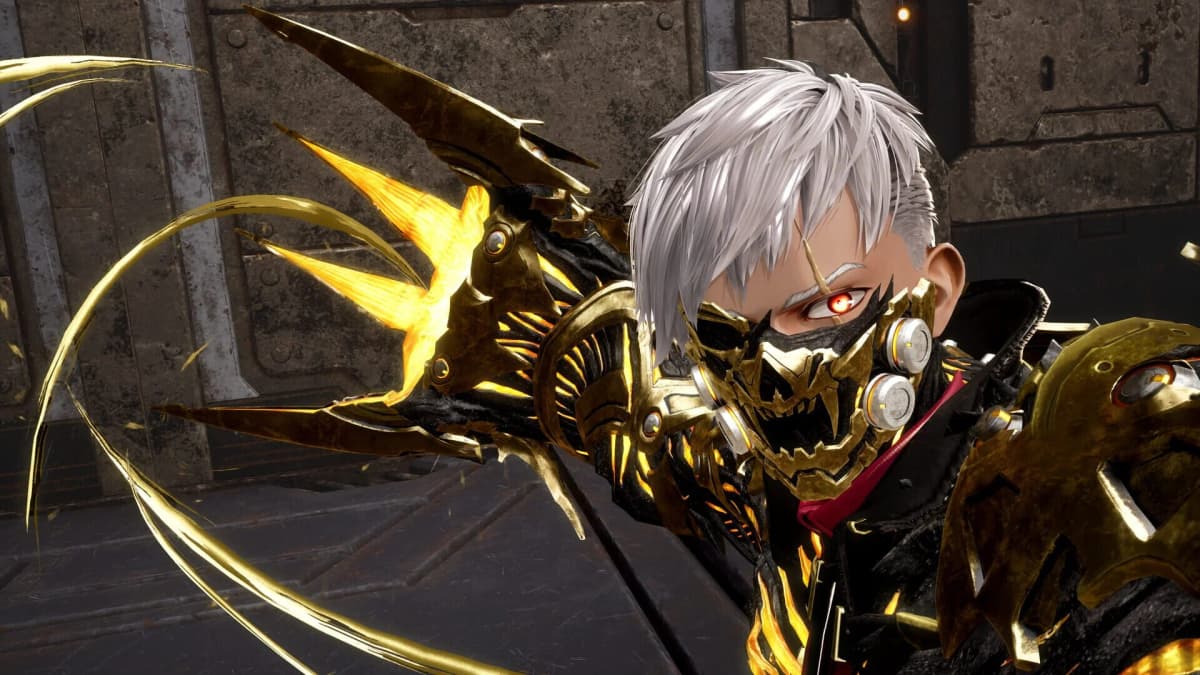
While Elden Ring revels in sprawling open fields and emergent boss placement, Code Vein II opts for tightly woven puzzle dungeons that reward memorization and spatial reasoning. Its combat weight sits between Nioh 2’s lightning-fast parries and Salt and Sacrifice’s breakneck duels. Against Blasphemous’s gothic grit, Code Vein II leans into anime flair and temporal gimmicks. As a narrative anchor, its timeline shifts peel back lore in staged reveals—far more guided than Hollow Knight’s environmental whispers but less explicit than Sekiro’s scrolls.
Narrative Coherence & Environmental Storytelling
Code Vein II stitches its fractured narrative through environmental breadcrumbs: half-buried holotapes, era-specific graffiti, and Echoed Visions—holographic replays triggered by ancient conduits. Early sections faced pacing critiques as testers questioned “Why am I here again?” Lead writer Kazuko Miyata responded by inserting optional temporal echoes—flashback vignettes that explain why a key lever was hidden or how a Revenant society fractured across eras. These echoes rarely interrupt flow yet deepen emotional stakes for major boss revelations.
Developer & Player Anecdotes
Producer Hiroshi Yamada revealed that over 1,200 internal playtests refined core time loops. “We didn’t want softlocks, so if you leave a vital lever in the Past, NPC companions remark on it and point you back.” Lead engineer Taro Saito added, “The Temporal Echo Overlay was born from testers getting lost between eras—now it subtly highlights interactable surfaces.” Early access streamer RavenHalo praised this approach but suggested “checkpoint frequency could be tighter in long puzzle gauntlets.”
FinalBoss // Gear
Level up your setup
01Top-rated gaming headsetson Amazon→02High-refresh gaming monitorson Amazon→03Gaming chairson Amazon→04Discounted game keyson Kinguin→Affiliate links · As an Amazon Associate, FinalBoss earns from qualifying purchases.
Want to Level Up Your Gaming?
Get access to exclusive strategies, hidden tips, and pro-level insights that we don't share publicly.
Ultimate Gaming Strategy Guide + Weekly Pro Tips