
Table of Contents (6)
Why Code Vein II actually matters to souls fans
This caught my attention because Bandai Namco is trying something a little braver than just slapping a new coat of armor on another souls-like. Code Vein II keeps the vampire-anime aesthetic of the original but layers in time travel, a deeper partner system, and new combat resources that feel designed to break the “spam the same move” rut so common in the genre. After a hands-on demo during The Game Awards week, I walked away impressed-especially by how the game ties mechanical choices to character relationships in a way that actually changes how you fight.
- Formae + Jails create a tidy resource loop that rewards varied playstyles.
- Partner system (Summon/Assimilation) meaningfully affects survivability and builds.
- Time-travel story gives emotional stakes to boss fights, not just spectacle.
- Still worth watching for AI/balance questions and whether the narrative momentum holds over a full game.
Breaking down the combat: Formae, Jails, and weapon variety
If you only remember one thing from the demo, it should be the Formae-Jail interaction. Formae are weapon-tied special abilities-think charged slashes, area effects, status triggers-and they all consume Ichor. Jails act like the old Blood Veils: separate gear that you use to siphon Ichor from enemies so you can keep slinging Formae. That loop forces you to juggle aggression and utility instead of leaning on one overpowered trick, which is a neat quality-of-life and design evolution for this style of game.
Weapons run the expected gamut: one-handed swords for baseline feel, twin blades for fast combos, greatswords and hammers for slow, satisfying wallops. Two standouts in the demo were Bayonet—your pseudo-ranged tool that lets you craft ammo on the fly—and floating Rune Blades, which pair a stylish aesthetic with a learning curve. Some weapons felt instantly usable; others demand time and precision. That’s good. Souls-likes need tools that reward mastery, not just better stats.
The Partner system: Summon, Assimilate, and Link Points
Code Vein II’s Partner mechanic is the demo’s smartest move. Partners are not just combat puppets—they’re tied to social investment. Bring a character into battle often enough and you increase Link Points (LP), a buffer that takes damage before your main health. That’s a simple but elegant way to make relationships mechanically meaningful in a genre that typically reduces NPCs to loot and flavor text.
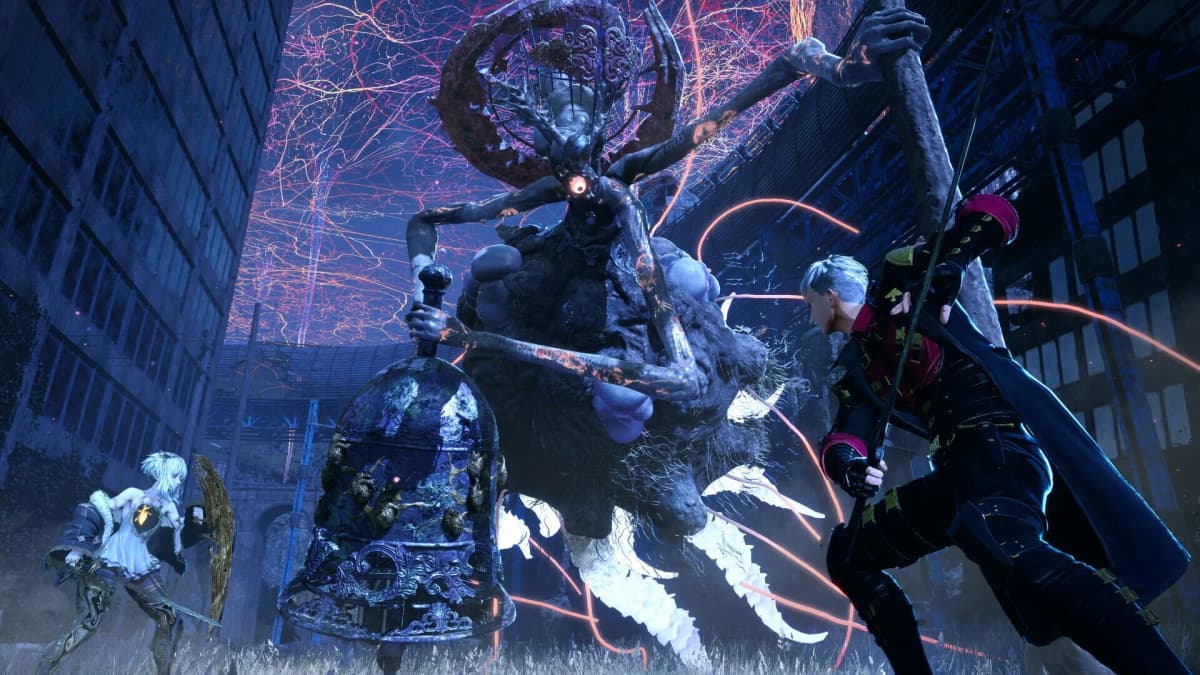
You can Summon partners to fight alongside you (useful for distractions and heal windows) or Assimilate them—sacrifice their presence on-screen for a personal power boost. That design instantly accommodates players who want help and those who prefer solo glory. It also raises design questions: will Assimilation become the dominant meta? Is partner AI good enough for bosses? The demo suggested Summoning is valuable in practice, but full balance will be something to watch for launch.
The story actually has teeth—time travel and emotional stakes
Code Vein II isn’t hiding behind cliché: its time-travel conceit is used to punch through the usual “dead warrior” setup. You go back to help past heroes, then return to fight their corrupted present-day selves. The demo’s two big fights—first the Metagen Remnant in the past, then a tragic, second-phase Rosee in the present—show how gameplay and narrative can collide. The moment Rosee recognizes you and begs for release is the rare souls-like beat that lands emotionally, not just theatrically.
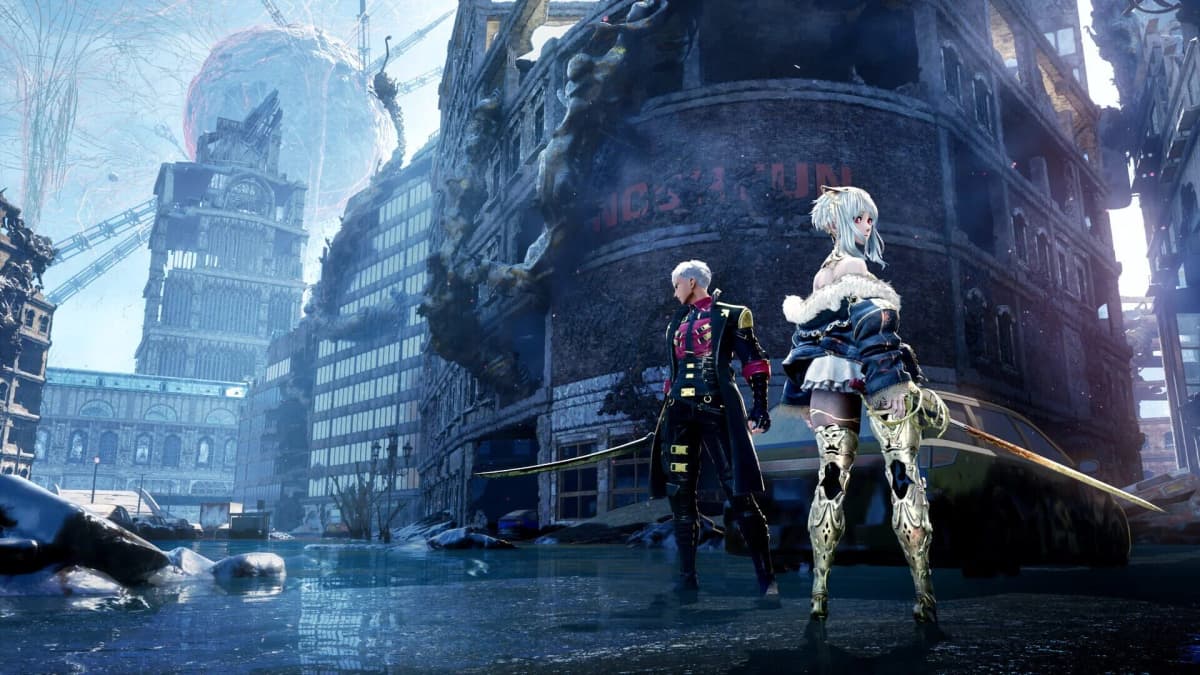
That emotional thread is the biggest reason this sequel might matter. The original Code Vein had charm and a flashy combat hook, but its story and pacing were hit-or-miss. Here, the team seems intent on making the narrative choices matter—literally—by folding them into health and power mechanics. If the momentum holds across the full campaign, Code Vein II could be the best argument yet for story-forward souls design.
What to watch for and why now
The souls-like market is crowded—FromSoftware’s shadow is long, and everyone is trying variations on difficulty, loot, and multiplayer. Code Vein II’s anime style and relationship mechanics are its differentiators. What I’m skeptical about: partner AI polish, long-term balance between Summon and Assimilation builds, and whether the emotional highs we saw in two boss encounters can be sustained across dozens of hours. Also worth watching: how the game rewards experimentation with Formae and unique weapons without forcing one “correct” loadout.
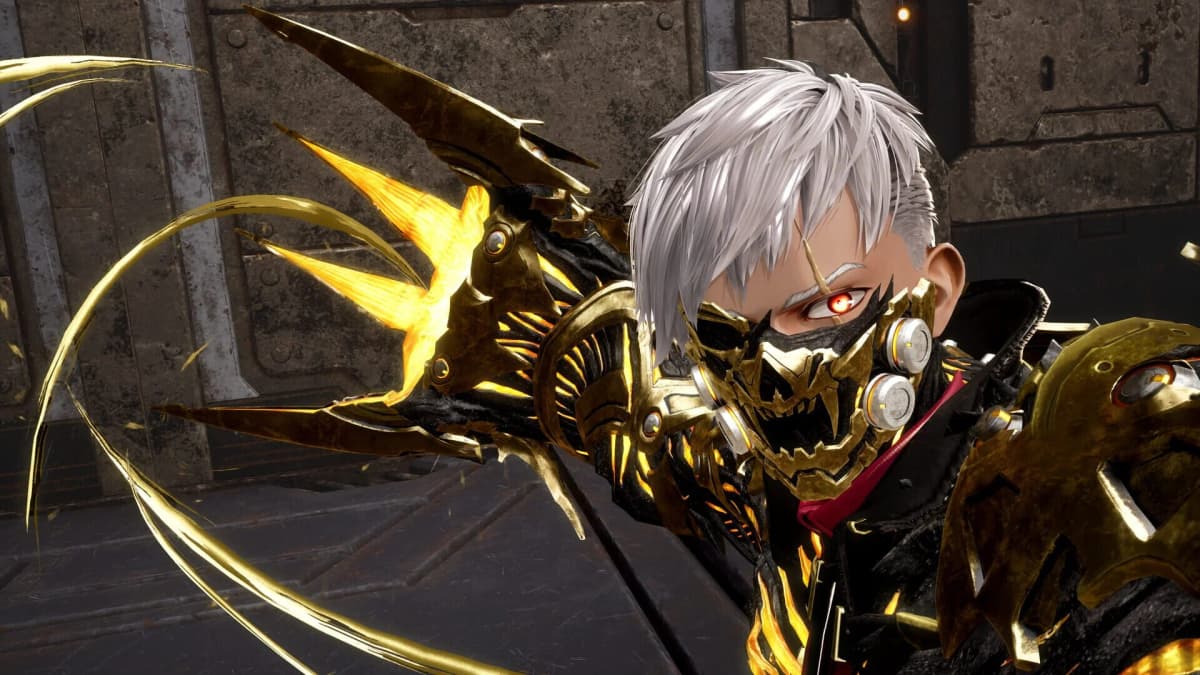
Release note: Code Vein II launches January 30 on Xbox Series X|S, PS5, and PC. If you liked the first game’s aesthetic but wanted more mechanical depth and a story that actually bites, this one’s likely worth a preorder watch—but hold off on full verdicts until we see post-launch balance patches and player-run builds.
TL;DR
Code Vein II takes the anime-souls idea and sharpens it: Formae and Jails create a satisfying combat loop, the Partner system makes relationships mechanically meaningful, and time-travel story beats deliver real emotion. It’s not flawless—balance and AI remain open questions—but the demo shows a sequel that’s learning from its predecessor and trying to push the genre in interesting directions.
FinalBoss // Gear
Level up your setup
01Top-rated gaming headsetson Amazon→02High-refresh gaming monitorson Amazon→03Gaming chairson Amazon→04Discounted game keyson Kinguin→Affiliate links · As an Amazon Associate, FinalBoss earns from qualifying purchases.
Want to Level Up Your Gaming?
Get access to exclusive strategies, hidden tips, and pro-level insights that we don't share publicly.
Ultimate Gaming Strategy Guide + Weekly Pro Tips