
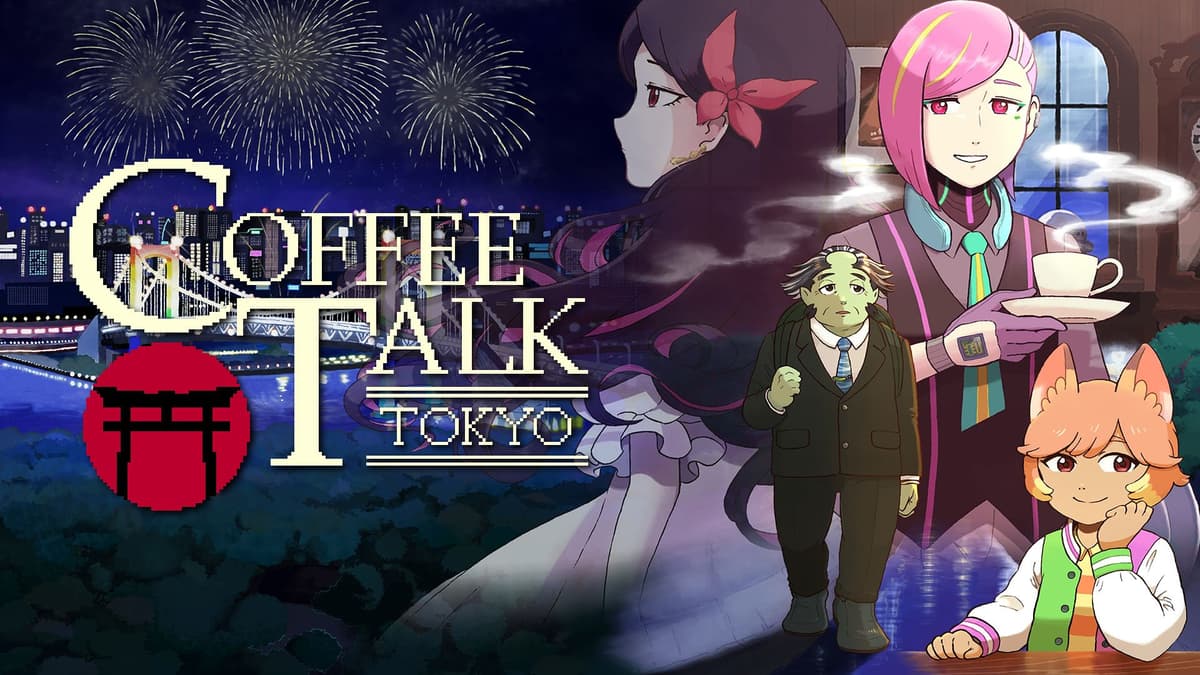
Coffee Talk is heading to Tokyo in 2026—and I’m both excited and nervous about Tomodachill
Game intel
Coffee Talk Tokyo
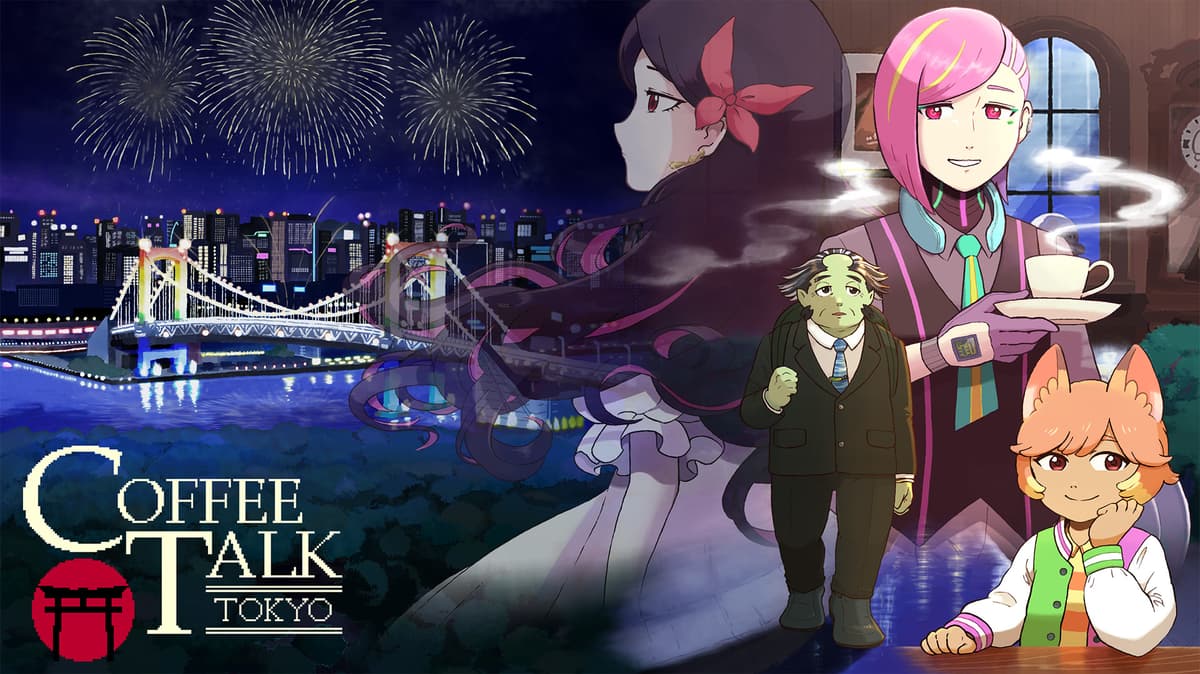
Coffee Talk: Tokyo is the newest instalment of the beloved coffee brewing and heart-to-heart talking simulator. It brings the warmth, heart, and delicious drin…
Why Coffee Talk’s Tokyo jump actually matters
Coffee Talk is packing up from rainy Seattle and opening late in Tokyo on March 5, 2026, and that’s a bigger shift than it sounds. The cozy barista VN has always been about quiet nights, warm cups, and gentle conversations with elves, succubi, and stressed-out humans. Moving the whole vibe to Tokyo-plus adding a social feed called “Tomodachill” and deeper drink systems-could refresh the formula in all the right ways. Or it could mess with the magic. I’m cautiously optimistic.
- New city, new cast: the clean break Coffee Talk needed after Episode 2.
- Hot and cold drinks plus latte art stencils could finally give mixing real mechanical teeth.
- Tomodachill social feed sounds helpful-but risks crowding the game’s signature intimacy.
- AJ Jeremy’s lo-fi soundtrack returns, and a City Pop album in the Collector’s Edition is pitch-perfect Tokyo vibes.
Breaking down the announcement (minus the fluff)
Chorus Worldwide, working with original creator Toge Productions, is calling Coffee Talk Tokyo a standalone chapter. That’s smart branding: not just DLC, but a fresh entry you can jump into on Steam (PC), PlayStation 5, Xbox, and Nintendo Switch the same day worldwide. Expect a new cast, branching chats shaped by your brews, and tools that go beyond Coffee Talk’s familiar three-ingredient recipes. You can now experiment with hot and cold drinks, and latte art gets a glow-up with sprinkle stencils—streamers are going to have a field day with that.
Tomodachill—the name mashes “tomodachi” (friend) with “chill”—is an in-game social feed that unlocks clues about customers, which could nudge you toward better drink choices or alternate dialogue. Used lightly, that’s a neat way to coax players into experimenting without a wiki. Used aggressively, it risks turning those quiet barista moments into checklist gaming. The line between “cozy guidance” and “busywork UI” is thin.
Composer Andrew “AJ” Jeremy returns with lo-fi jazz and soft beats “inspired by Tokyo’s summer nights,” which sounds exactly right for the late-night kissaten atmosphere they’re aiming for. There’s also a Collector’s Edition with a 10-track City Pop album, a “Seattle Prologue Chapter,” and an in-game digital artbook. City Pop is a smart pull—if you’ve ever brewed a pour-over at 1 a.m. while Tatsuro Yamashita plays, you get it. I’m curious what that Seattle prologue is: a short bridge with familiar faces? A tutorial cameo? No pricing or format details yet, so manage your FOMO.
Localization will ship in nine languages (English, Japanese, Brazilian Portuguese, Korean, French, German, Spanish, Simplified Chinese, Traditional Chinese). That matters. One of Coffee Talk’s strengths is cultural specificity without gatekeeping; getting Tokyo slang, work-life rhythms, and hospitality nuances across languages will make or break the immersion.
Why now, and why Tokyo?
The narrative-bartending niche has had a wild run: VA-11 Hall-A made snarky cyberpunk cocktails cool, Necrobarista spun visual-novel melancholy around espresso, and Coffee Talk carved out the “listen first, fix gently” space. After two Seattle entries, the series needed fresh streets to wander. Tokyo’s late-night scene is perfect for people-watching: last trains, convenience-store neon, cramped third-wave cafés tucked above karaoke bars. If Chorus and Toge lean into the city’s texture—the salaryman night shift, indie musicians, manga assistants on deadline—they’ll get real stories without losing the series’ kindness.
The timing also tracks. Cozy games have matured past “wholesome, period.” Players want mechanics with meaning. Coffee Talk’s original drink system was charming but shallow; Episode 2 layered more complexity but still felt gentle. Hot/cold variants and cosmetic tools are great, but I’m hoping ingredients and temperature genuinely branch conversations—think a cooling hojicha for someone anxious versus a punchy cold brew for a musician racing a deadline. If Tomodachill nudges you toward those reads without spelling everything out, the loop could finally sing.
Want to Level Up Your Gaming?
Get access to exclusive strategies, hidden tips, and pro-level insights that we don't share publicly.
Ultimate Gaming Strategy Guide + Weekly Pro Tips
The gamer’s perspective: excitement with a side of skepticism
What grabbed me is the promise of discovery without losing the quiet. Coffee Talk works because listening feels rewarding, not gamified. A social feed that “reveals hidden insights” sounds handy, but I don’t want to feel like I’m stalking my regulars between pours. The best-case scenario? Tomodachill is diegetic—maybe it’s what the characters publicly post—and it adds color rather than turning NPCs into quest logs.
I’m also watching for quality-of-life upgrades. Recipe recall was opaque for new players; Tokyo is a good moment to onboard better. Multiple endings should feel earned, not gated behind obscure combos. And please let the latte art tools be fun, not finicky—the point is expression, not mastery-mode precision. On platforms: targeting PS5, Xbox, Switch, and PC from day one is a win. Coffee Talk has always fit the Switch handheld groove, and Episode 2 ran well there; fingers crossed for parity and snappy text speed across the board. No mention of pricing or subscriptions, and nothing about microtransactions—which, honestly, is exactly what I want to hear.

What I’ll be looking for at launch
- Do hot/cold mechanics and ingredients materially change conversations and endings?
- Is Tomodachill optional flavor or a mandatory breadcrumb trail?
- How deeply does the writing embrace Tokyo’s night culture without turning it into postcard tourism?
- Does the Collector’s Edition’s “Seattle Prologue” add meaningful bridge content for returning fans?
Chorus Worldwide knows this space—they’ve published Coffee Talk, Episode 2, When the Past Was Around, and A Space for the Unbound—so the curation instinct is there. With Toge Productions collaborating, the tonal throughline should hold. If Tokyo gives the series sharper, more personal stories—struggling manga assistants, bar band regulars, overworked convenience-store clerks—I’m in for another dozen sleepy nights behind the counter.
TL;DR
Coffee Talk Tokyo arrives March 5, 2026 with a new city, new cast, hot/cold drinks, spruced-up latte art, and a Tomodachill social feed. I’m excited for the fresh setting and deeper brews, but I’ll be watching to see if the social feed enhances the cozy listening loop instead of turning it into a checklist. If the writing nails Tokyo’s midnight heartbeat, this could be the series’ best cup yet.