
This Women-Run Magazine Revived the NES—Now Read Every Issue Free
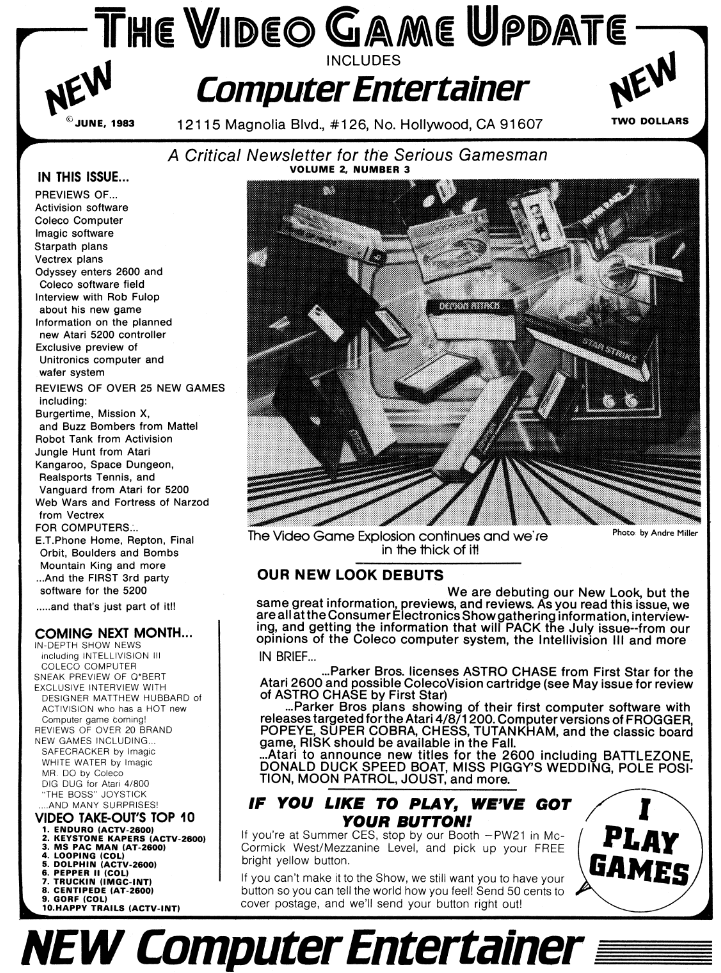
Calling all video game history fans and retro collectors: a literary time capsule just went live. The Video Game History Foundation (VGHF) has digitized every issue of Computer Entertainer, the groundbreaking console magazine founded and run by Marylou Badeaux and Celeste Dolan. Published from 1982 to 1990, these issues chronicle the industry’s darkest hours and triumphant comeback—right alongside the Famicom/NES revolution that reshaped gaming forever.
What Was Computer Entertainer?
Far more than a glossy preview pamphlet, Computer Entertainer blended insider interviews, candid reader letters, and upfront analysis of both hardware and software. At a time when magazines often shied away from controversy, this women-owned publication dove headfirst into debates on game quality, pricing wars, and licensing disputes. Its pages were the first English-language spotlights on the Famicom before it became the NES, offering early glimpses of what would become household franchises.
Surviving the Great Video Game Crash
In 1983, North America’s video game market collapsed under a flood of subpar titles and eroded consumer trust. While many magazines folded or pivoted to other tech coverage, Computer Entertainer launched smack in the middle of the chaos. Issue after issue, it charted the fallout of the Great Crash: oversaturated shelves, bankrupt companies, and nervous retailers. Yet amid the gloom, its writers spotted sparks of innovation—arcade ports, joystick prototypes, and whispers of a console from Japan that might just reboot the industry.
Trailblazers at the Helm
Marylou Badeaux and Celeste Dolan weren’t just editors—they were pioneers. In an era when few women held bylines in gaming journalism, they built a platform that celebrated both technical expertise and passionate fandom. Readers tuned in for feature stories on arcade cabinet design and dev interviews that peeled back the curtain on cartridge production. Their unwavering focus on accuracy and authenticity helped legitimize video games as a serious cultural medium.
A Front-Row Seat to the NES Revival
When Nintendo’s NES finally arrived in North America, Computer Entertainer was already primed to report. Early hands-on impressions gave gamers a sense of the controller’s responsiveness, the 8-bit graphics’ charm, and the stakes behind each licensed title. Developer spotlights revealed behind-the-scenes struggles—and victories—on games we now regard as classics. Flip through these issues and you’ll catch the original rumors about a carpenter-hero named Mario, debates over puzzle difficulty in The Legend of Zelda, and the thrill of seeing a brand-new console cartridge slot glow to life.
Beyond Nostalgia: Modern Impact
This archive isn’t just a nostalgia playground; it’s a living resource. Game design students mine early ads to study marketing legacies. Indie developers pore over reader feedback columns for insights into difficulty tuning and community engagement. Educators can cite primary sources under Creative Commons, weaving firsthand accounts into lectures on industry resilience. And content creators—streamers, podcasters, bloggers—are digging out rare ads and interviews to enrich their retrospectives.
How to Explore the Archive
Accessing the full collection is simple and free. Head to the VGHF website, where a powerful full-text search lets you track every mention of “Mario,” “arcade port,” or “floppy disk” across 90+ issues. Browse by date, keyword, or feature type—whether you’re hunting old-school editorials or fan-favorite reader letters. Every page is available under a Creative Commons license, so you can quote, share, and learn without legal headaches.

Your Invitation to Gaming’s Most Defining Decade
If you’ve ever wondered what the games media looked like before E3, online streaming, and blockbuster budgets, this is your chance. Dive into the unfiltered, in-the-moment reporting of Computer Entertainer and witness how two women’s vision helped shape the NES phenomenon. From gritty crash coverage to ecstatic launch-day commentary, these pages deliver surprises, lessons, and a fresh appreciation for the industry’s roots.