
Table of Contents (9)
Counter-Strike 2, high-end mice, and why every millisecond suddenly matters
The thing that finally made Counter-Strike 2 “click” for me wasn’t a patch or a new map. It was when I caught myself obsessing over my mouse actuation distance at 2 a.m., trying to squeeze a few milliseconds out of my first bullet in pistol rounds. CS2 is that kind of game: the kind that turns you into a weirdo who cares about polling rates, sub-ticks, and whether your clicks reset faster.
That’s the headspace I was in while grinding CS2 ranked and swapping to Logitech’s new G Pro X2 Superstrike with its Haptic Inductive Trigger System (HITS) – a mouse that literally lets you change when and how your clicks fire. Counter-Strike has always been the series that exposes every flaw in your aim, your movement, your decision-making… and now, even your hardware.
But put the hardware arms race to one side for a second. Underneath all the esports-grade gear and Source 2 buzzwords, Counter-Strike 2 is still trying to answer a simpler question: can it replace CS:GO as the default, no-questions-asked competitive FPS?
Key takeaways after living in CS2’s ranked trenches
- Core gunplay is still unmatched: recoil control, peeking, and economy juggling feel as punishing and satisfying as ever.
- Source 2 brings better lighting and those reactive smokes that genuinely change how rounds play out.
- Sub-tick netcode and movement tweaks make firefights feel different enough that CS:GO muscle memory doesn’t fully transfer.
- The content offering and quality-of-life tools still lag behind what CS:GO built up over a decade.
- If you’re willing to sweat the details – from grenade lineups to hardware like HITS-enabled mice – CS2 is absolutely worth the grind.
First matches: familiar maps, unfamiliar feeling
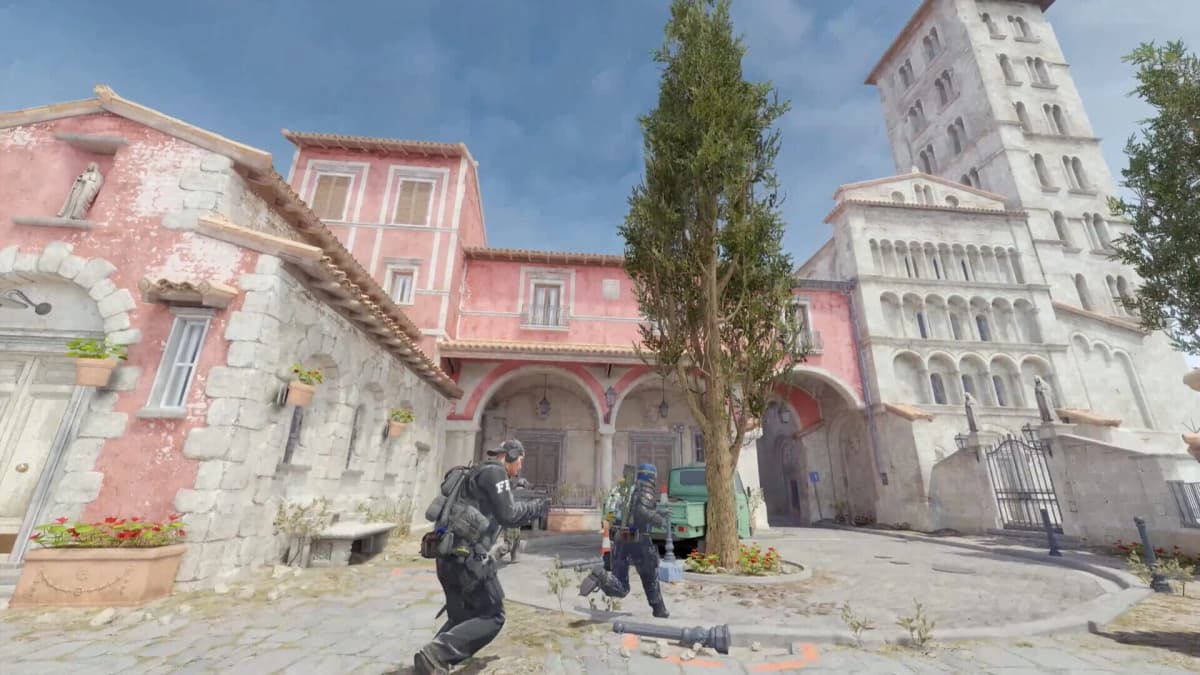
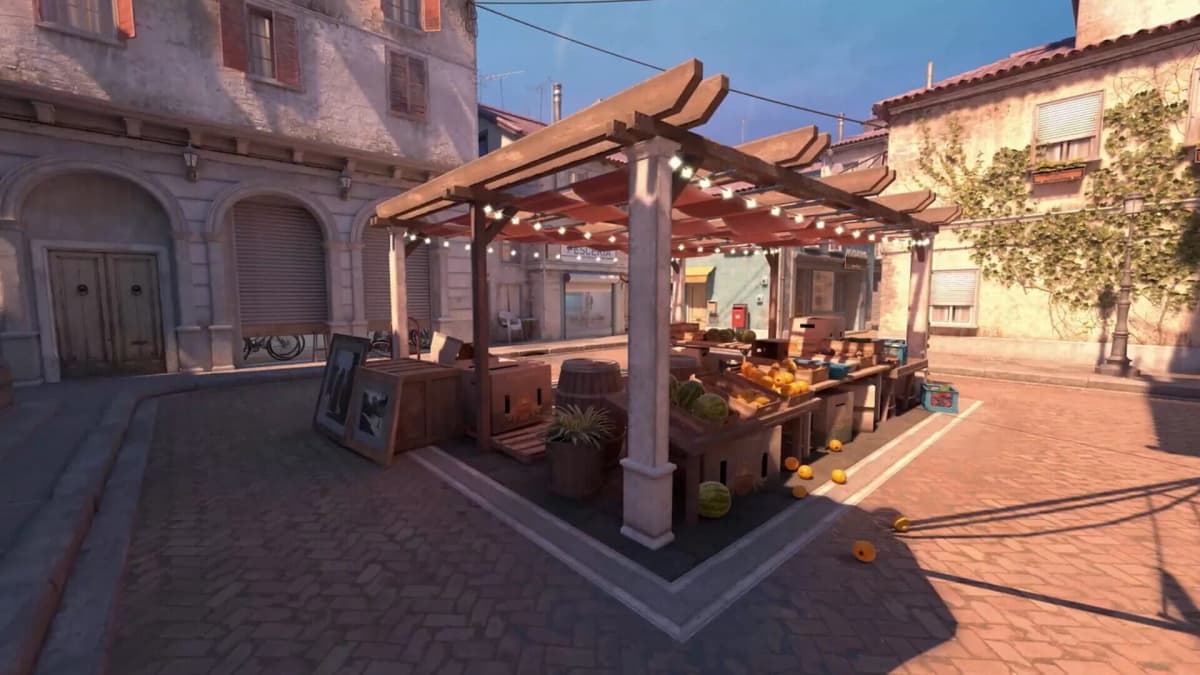
Booting into CS2 for the first time is a weird mix of déjà vu and culture shock. The maps are mostly the same names we’ve been calling mid and B site on for years, but Source 2’s lighting and materials make them look like someone pressure-washed your memories. Mirage and Inferno in particular feel like they’ve gone through a deep clean, with clearer visibility and stronger contrasts that actually help with spotting heads peeking off angles.
The real “oh, this is different” moment doesn’t come from visuals, though. It’s the first time you throw a smoke grenade and watch it bloom like a living thing: filling tunnels, reacting to gunfire, being carved open by an HE. Instead of static, perfect spheres of safety, CS2’s volumetric smokes are more like dense fog that behaves just enough like real smoke to force you to rethink every lineup you memorized in GO.
The first couple of nights felt rough. Movement is slipperier than in CS:GO, with subtle changes to acceleration that make micro-adjustments on jiggle peeks feel off until your brain recalibrates. Add Valve’s new “sub-tick” architecture, which promises more accurate input timing than 64 or 128 tick servers, and you end up with fights that feel… odd, especially if you’ve spent thousands of hours on community 128-tick servers in GO.
Once you push through that adjustment period, though, the old Counter-Strike magic starts leaking back in. Dry contact plays around smokes, last-second bomb defusal attempts, that heart-stopping moment when you full commit through a flash you know shouldn’t have worked – it’s all still here. CS2 just wraps it up in a slightly different physics and timing model that takes your hands a while to trust.
What’s actually changed from CS:GO?
The biggest shifts in CS2 aren’t flashy features, they’re subtle structural changes that alter how rounds flow.
- Smokes: Reactive, volumetric, and shared across all players. Shooting and HE grenades carve temporary gaps, which means “one-way” smokes are far less reliable and retake utility matters more.
- MR12 rounds: Ranked and competitive play have moved to 12 rounds per half (MR12), shrinking the comeback window and making every lost eco or misplayed force-buy sting more.
- Loadouts instead of full buy menus: You assign a limited lineup of CT and T weapons and can only pick from those in the buy phase. No more having every rifle at your fingertips, which pushes you to commit to roles.
- New UI and buy menus: Cleaner, more modern, and less cluttered, but if you’re used to old-school quick-buys and exact muscle memory, there’s a relearning curve.
The gunpool itself is mostly familiar. AKs and M4s still anchor the mid-round, the AWP still warps the map around it, and pistols remain capable of those brutal eco upsets. Tuning changes have shuffled some second-tier options around, but you’ll feel at home if you’ve played any recent era of CS:GO.
What surprised me most is how much more punishing the shorter MR12 format feels. Bad starts are harder to dig yourself out of, and you don’t get as many “feel-out” rounds to test defaults, which makes coordination – even in solo queue — more important. Solo heroes who used to take over an entire half now have less room to brute-force their way back into a game.
Gunplay, smokes, and the sub-tick debate
Mechanically, CS2 is still Counter-Strike — and that’s both a compliment and a warning. If you’re coming from Valorant or more forgiving arena shooters, the first thing you’ll notice is how brutally honest the recoil and movement systems are. You don’t just spray; you learn patterns, you commit to bursts, you counter-strafe like it’s a religion.
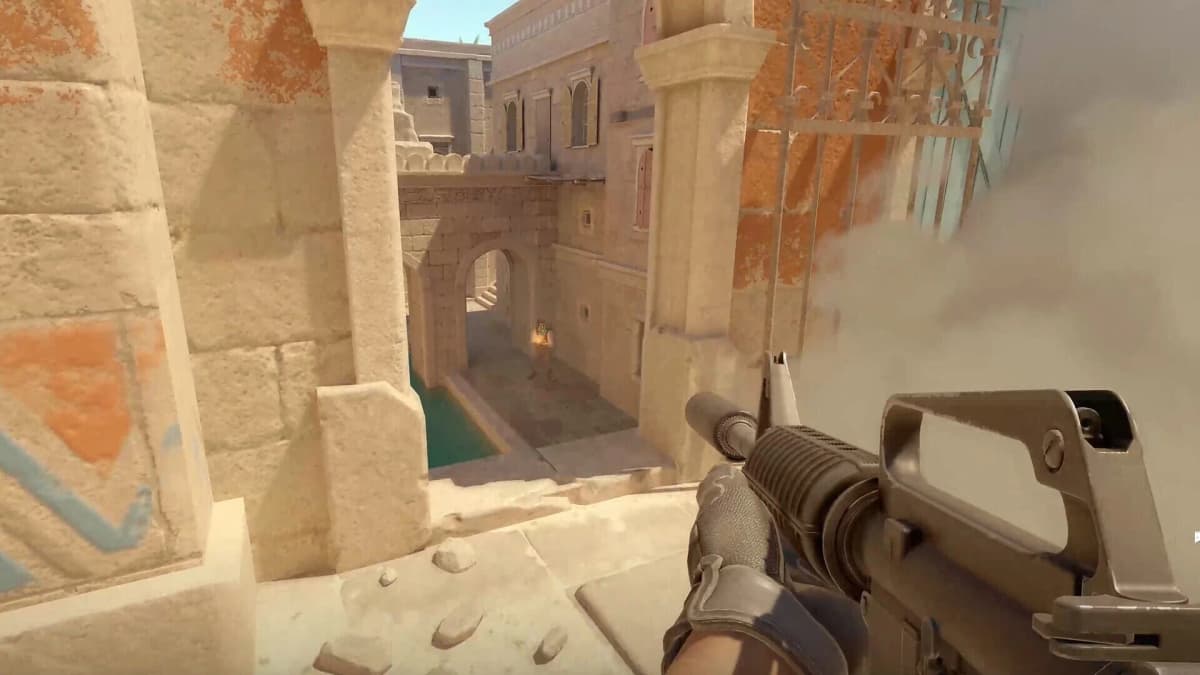
The integrated recoil patterns in the HUD are a nice onboarding trick, especially for newcomers. You can see how your gun wants to climb and zigzag, and translate that into your mouse hand. From a pure mechanical standpoint, CS2 gives you the tools to learn the system instead of just insisting you “get good” with no guidance.
Sub-tick is where things get messy. On paper, Valve’s system should register your inputs at the exact moment they happen instead of snapping them to a server tick. In practice, especially early on, players reported weird peeker’s advantage moments, ghost bullets, and shots feeling like they landed late or not at all. Over time, patches have smoothed a lot of the roughest edges, but firefights still don’t feel identical to 128-tick CS:GO servers.
Is that bad? It depends on what you’re used to. If you’re new or you mostly played official matchmaking in GO, you might actually prefer how responsive CS2 feels once you acclimate. If you’ve got years of FACEIT or ESEA muscle memory, you may spend your first few weeks feeling like your bullets land half a frame earlier or later than you expect. It’s not broken, it’s just different enough that your aim habits get exposed.
Ranked grind, maps, and the day-to-day loop
CS2’s Premier and competitive modes are where most players will live, and the structure is straightforward: MR12 matches, map vetos, and a visible rating that creeps up or down depending on your wins. The shorter halves make it much easier to squeeze in “just one more game” and much harder to convince yourself to log off when the tilt sets in.
The map pool is smaller than CS:GO’s bloated end-of-life list, but that’s not necessarily bad. Fewer maps means you actually learn mid-round protocols instead of half-memorizing angles on ten different layouts. The issue is more about missing variety modes and the sense that, right now, CS2 is very “all business.” Casual playlists, weird modes, and the kind of silly side-content GO built up over a decade just aren’t at the same level yet.
If your main reason to play is the pure 5v5 bomb defusal experience, CS2 more than delivers. If you used to treat GO as a social sandbox — surfing, community modes, endless workshop maps — CS2 still feels thinner, even now. Valve has slowly been nudging tools and features across, but there’s a noticeable gap between the legacy ecosystem and what CS2 currently offers out of the box.
The good news is that the skin economy, for better or worse, made the jump. Your inventory carries over, your absurdly expensive AWP skin still glows like a status symbol, and cases and cosmetics continue to feed that “one more match, then I’ll open this” loop. The bad news is that, structurally, a lot of CS2’s metagame systems (missions, side objectives, events) feel like they’re still catching up to the raw quality of the matches themselves.
Hardware matters: playing CS2 with HITS-enabled mice
CS has always been brutal enough to expose every flaw in your setup, and CS2 is no different. This is where newer hardware like the Logitech G Pro X2 Superstrike with its Haptic Inductive Trigger System (HITS) starts to feel less like a gimmick and more like a natural escalation of how far players will go for consistency.
HITS replaces traditional mechanical or optical switches under your left and right mouse buttons with inductive sensing. In plain language: instead of a physical microswitch with a fixed actuation point, the mouse senses how far you’ve pressed the button and lets you decide when it should count as a “click.” You can drop actuation down to tiny distances, enable “Rapid Trigger” so your clicks reset the moment the button starts coming back up, and even tweak haptic feedback so the mouse generates a satisfying “click” sensation without the classic microswitch noise.
In a game like CS2, where split-second tap timing and fast follow-up shots can decide rounds, that kind of customization is not just a party trick. Rapid resetting feels particularly relevant on pistols and semi-auto rifles, where being able to tap-fire at your physical limit without worrying about the switch’s mechanical reset can make your shots feel more in sync with what your hand is doing.
The flip side is that this level of sensitivity takes tuning. If you crank actuation too low in G Hub, every tiny finger twitch turns into an input. Emergencies like panic-spamming a deagle can accidentally become extra shots you didn’t intend, and in a game where ammo counts and timing matter as much as in CS2, that’s a real downside until you land on a sweet spot. You’re effectively moving some of CS2’s difficulty curve into your hardware settings.
Pair that with the HERO 2 sensor, 8,000Hz polling, and a 61g shell, and you end up with a mouse that feels like it’s designed specifically for games like CS2 and Valorant. It doesn’t make you a better player — no mouse can fix bad crosshair placement or terrible grenades — but it does reduce the excuses. When you die after whiffing a clean one-tap on A site, it’s hard to blame latency or inconsistent clicks when you’ve literally customized when your mouse should fire.
At the highest levels, that matters. By 2026, you’ve already got pros on big stages using this tech in CS2, chasing those extra 20-30ms advantages in first-shot time. For the rest of us, it mainly underlines how uncompromising CS2’s competitive experience is: if you love it, you end up optimizing everything, from your smoke lineups to your mouse haptics.
Performance and technical state
Counter-Strike has never been about bleeding-edge visuals, and CS2 is no exception. Source 2 brings nicer global illumination, more realistic materials, and those showpiece smokes, but this isn’t a game you boot up to admire ray tracing. What you want is consistency — stable frame times, low latency, and clear visibility.
On a mid-to-high tier PC, that’s mostly what you get. CS2 scales fairly well, and with sensible settings (shadows not maxed, clutter and post-processing reduced) you can push high framerates even on 1440p. Competitive players will still slam almost everything to low for clarity, and CS2 responds the same way GO did: it looks a bit worse, but your frame graph stabilizes.
The areas where CS2 still feels rough are the little technical paper cuts. Occasional stutters when new assets load, weird hitching around certain utility interactions, and the lingering sense that the engine isn’t quite as lean as GO was in its final years. None of it makes the game unplayable, but when you’re trying to grind rating and every frame matters, you notice those hitches more than you would in a casual shooter.
Who CS2 is really for
CS2 is not trying to be everything to everyone. It’s not a hero shooter with ultimates, it’s not a progression treadmill packed with unlocks every round, and it’s not especially welcoming if you’re allergic to losing.
- If you loved CS:GO: CS2 is both a forced upgrade and, eventually, a worthy one. You’ll grumble about movement changes, relearn smokes, and then, one day, realize you haven’t launched GO in months.
- If you’re coming from Valorant: You’ll find a harsher, less guided game with no agent abilities to bail you out. But if you’ve ever wished Valorant would get out of its own way and just let the guns and maps breathe, CS2 will scratch that itch.
- If you’re a casual FPS player: CS2 can absolutely be fun in bites, but it’s at its best when you commit. Dropping in once a week is a recipe for frustration; you’re battling both the enemy team and your own rust.
The common thread is that CS2 rewards obsession. Whether that’s studying nade lineups for every site, perfecting your pre-aim routes, or dialing in your mouse actuation distance until your clicks feel like an extension of your thoughts, the game gives the most to players who give the most back.
FinalBoss // Gear
Level up your setup
01Graphics cardson Amazon→02Gaming laptopson Amazon→03High-refresh gaming monitorson Amazon→04Discounted game keyson Kinguin→Affiliate links · As an Amazon Associate, FinalBoss earns from qualifying purchases.
Want to Level Up Your Gaming?
Get access to exclusive strategies, hidden tips, and pro-level insights that we don't share publicly.
Ultimate Reviews Strategy Guide + Weekly Pro Tips