
There’s a specific sound that lives rent-free in my brain: the old CS 1.6 AK-47 burst on de_dust2 long A. I grew up on that echo in dingy LAN cafés, watched CS:GO swallow the scene and become an esport monolith, and then watched Valve unceremoniously pull the plug and replace it with Counter-Strike 2 overnight.
I didn’t hop into CS2 at launch for a quick look; I moved my entire nightly gaming routine over. Most of my time has been on a 360Hz 1440p monitor, backed by an RTX 4080 and AMD’s Ryzen 5 7500X3D – the kind of silly setup that lets CS2 burst past 400fps in Counter-Strike’s aim-lab heaven, especially at 1080p. In other words, I’ve been playing CS2 in its natural habitat: an esports sandbox where every frame and every pixel matters.
Living with the game like this for weeks made one thing really clear: Counter-Strike 2 is simultaneously the best way to play Counter-Strike and a constant reminder of everything precarious about tying your favourite competitive game to a single developer’s long-term whims.
Table of Contents (8)
Sliding back into the bombsites: a veteran’s first steps
My first evening in CS2 felt like breaking into my own house after someone changed the locks. Mirage loaded up, but the lighting was dramatically different, reflections pooled under windows, and the mid catwalk felt like it had been polished for a museum exhibit. My crosshair was the same, my keybinds were the same, but the game felt… floaty.
The very first firefight summed up the “new-but-not-new” feeling. Peeking top mid from window, I should have felt at home. Instead, the recoil pattern on the AK and that slightly altered movement acceleration made my muscle memory over-aim by a hair. My shots still landed, but it felt like someone had nudged gravity and time by a few percent.
That dissonance defined my first 10-15 hours. It’s still unmistakably Counter-Strike: 5v5 bomb defusal, tight economy, unforgiving time-to-kill. But everything has been subtly remixed in Source 2’s engine: the soundscape, the movement, the way smokes behave, even how footsteps reverberate in corridors. You recognise it all, but your hands don’t trust it yet.
Gunplay and movement: sharper than ever, but with a learning tax
Once the “what did you do to my game, Valve?” panic wore off, the core gunplay started to shine. On a high-refresh monitor at 300-400fps, CS2 feels absurdly crisp. Flicking from a jiggle-peeking AWPer to a fast swing with the AK has that instant, brutal finality that few shooters manage. Mistakes aren’t softened by netcode sludge; you whiff, you die, you stare at the round timer and rethink your life choices.
The classic rifle identities are intact. The AK-47 still rewards controlled bursts and punishes greed. The M4A4 and M4A1-S are in their usual dance of “which one feels more fair this patch.” The AWP remains a moral question more than a weapon choice. The Desert Eagle still turns eco rounds into highlight reels and emotional damage.
Movement is where veterans will either adapt or bounce. CS2’s acceleration and air-strafing feel slightly different to CS:GO. It’s not a cartoon slide-fest, but the inertia on counter-strafes and peeks is altered enough that my usual angles on Inferno’s banana or Overpass connector were getting me punished early on. Micro-adjustments to stop timing and pre-aim became mandatory.
After about 20 hours, the new feel clicked. I stopped thinking about how the recoil “used to” behave and started treating CS2 as its own beast. That’s when the game opened up: spray transfers felt consistent, jiggle-peeks were crisp, and even my sloppy silver-brain jumps onto Mirage’s bench were back on script.
The catch is that CS2 absolutely assumes you’re willing to relearn muscle memory. As someone who has thousands of hours across 1.6 and GO, that felt both exciting and slightly exhausting. New players won’t care; returning players will spend a week arguing with their own fingers.
Smokes, sub-tick, and the server rules you can’t see
CS2’s most obvious “next-gen” selling point is the volumetric smoke grenades. They’re not just prettier clouds; they interact with bullets and HE grenades, expand realistically into spaces, and block vision more consistently.
In practice, they’re a mixed blessing. On Mirage A, tossing a jungle smoke and seeing it naturally billow around the doorway is amazing. Throwing a deep CT smoke on Inferno B and watching an enemy pop a gap in it with an HE, then punish you through the hole, is an “oh right, this is deeper now” moment.
They make utility interactions richer, but they also raise the skill floor. My buddies who drift in for a few games a week constantly misjudge how smokes behave around corners or doors. A lot of old CS:GO one-ways just don’t work, but there are new, less obvious angles and timings that feel like you need a YouTube PhD to fully exploit.
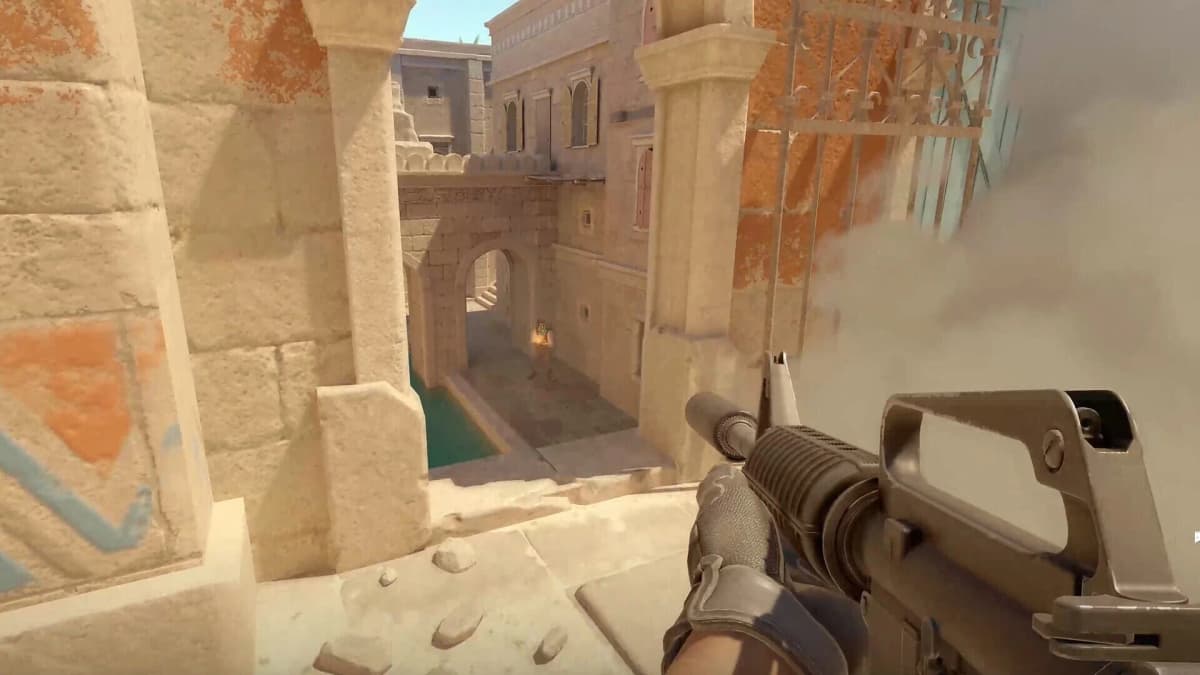
Under the hood is Valve’s sub-tick system – instead of the old 64/128-tick world, the game now simulates input and actions with more precise timing. On a good day, this feels fantastic: peeks and counter-strafes register cleanly, and that frustrating “I was behind cover on my screen” death feels rarer.
But when things go wrong – your ping spikes, the server stutters, or you’re on a weaker connection – it can feel eerily off. I’ve had rounds in Premier where headshots didn’t land in ways that screamed “desync” more than “you potatoed that spray.” Because the system is less transparent than a simple tickrate number, it’s harder to know whether you played badly or the netcode wobbled.
Maps: museum pieces, glow-ups, and awkward lighting
Valve rebuilt or touched up the classic map pool for CS2, and the results vary from “wow” to “why is everything glowing.”
Mirage, the eternal pub grinder, is the best kind of remaster. Angles are familiar, timings are basically identical, but the upgraded materials and lighting make mid fights more readable on a good monitor. Molotovs lick up walls more clearly, and enemy silhouettes pop better against certain backgrounds.
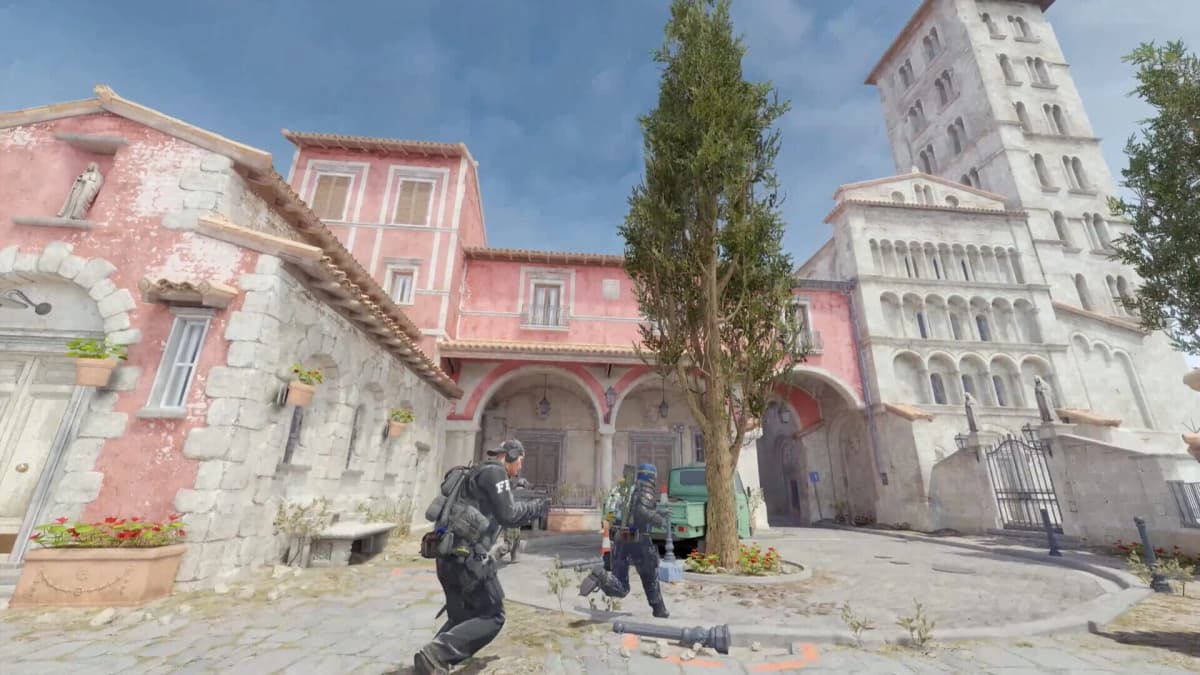
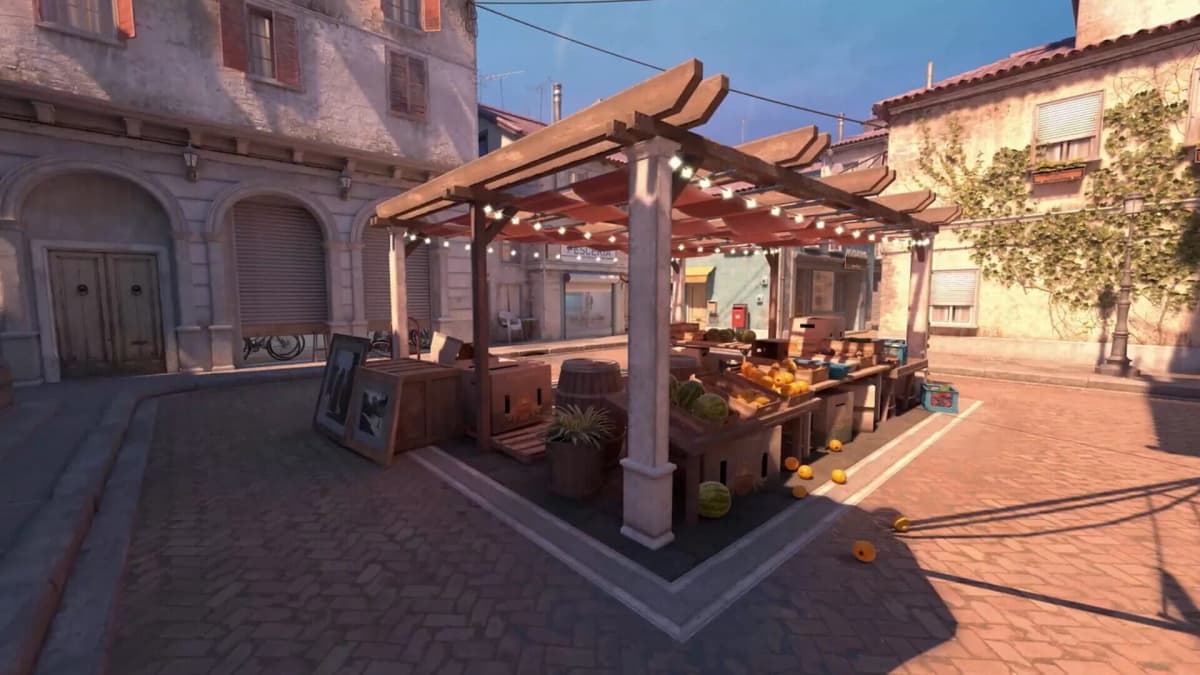
Inferno is gorgeous but busy. New subtle shadows, warmer lighting, and high-res textures make it feel like an actual European village instead of a 2012 art-pass. But there are spots – like the shaded area under banana’s half-wall or the clutter around pit – where visual noise made it a bit harder for my eyes to snap to targets. After tweaking my digital vibrance and brightness, it improved, but the learning curve was real.
Overpass benefits massively from Source 2, especially around water and long sightlines. Anubis, which was already one of CS:GO’s better-looking maps, feels almost like a showcase piece here.
Pathing and layout changes are restrained overall, which is both a blessing and a curse. Competitive integrity is preserved, but the sense of discovery is limited if you’ve been grinding these maps for years. For me, the appeal wasn’t “new maps” as much as “my usual stomping grounds, finally dragged into the modern rendering era.”
Ranked, Premier, and the daily grind
CS2 folds the old ranked ecosystem into a more unified system, with the Premier mode and a visible CS Rating number acting as your public MMR. On paper it’s cleaner than CS:GO’s sometimes opaque ranks. In reality, it’s still Counter-Strike matchmaking: streaky, wildly swingy, and emotionally expensive.
My climb started in that awkward middle band where half of your teammates have 10-year veteran coins and the other half still ask which side buys the defuse kit. The rating system at least makes wins and losses feel more transparent – you see the number go up or down every match, which is better than waiting for arbitrary rank recalculations.
The problem is still the same as ever: solo queue is a coin flip. When I queued as a five-stack with friends, CS2 was magical. Trading utility on Nuke, setting up mid-round calls, abusing the new smokes on retakes – it felt like the best tactical shooter in the world. When I solo queued, I alternated between some of the best clutch moments I’ve ever had and silent, tilting stomps where half the team muted each other by round six.
Valve’s anti-cheat remains a trust issue. Over dozens of hours I only had a handful of truly suspicious matches, which is better than the apocalypse some Reddit threads suggest, but the very existence of that doubt colours close losses. CS has always had this problem; CS2 hasn’t magically solved it.
Performance and visuals: CS2 as a hardware stress test
One of the reasons CS2 is still the default benchmarking tool for esports-grade CPUs and GPUs is that it scales like crazy with high-end hardware. On my Ryzen 5 7500X3D and RTX 4080 setup, dropping to 1080p on competitive settings, I frequently saw frame rates in the 400–450fps range in CS2 – especially on maps like Mirage and Inferno. That’s the same ballpark reviewers quote when they say this CPU hits around 445fps in CS2.
At more sane 1440p settings, I usually sat in the 300–380fps zone with minor dips during heavy utility spam or 10-man brawls in chokepoints. On a 360Hz monitor, that translates into a sense of absolute immediate response. Swapping back to a more cinematic 144Hz screen genuinely felt sluggish after a week of high-FPS CS2.
Source 2 brings a very specific look: sharp, almost clinical visuals, punched up by physically-based lighting and better materials. It’s not as flashy as something like Modern Warfare, but that’s by design. CS2 is aiming for clarity above spectacle. In most situations, it succeeds. Character models are defined cleanly against backgrounds, muzzle flashes aren’t overly blinding, and the new smoke and molotov effects are legible even in chaotic retakes.
The main downside is hardware expectations. CS:GO would run on a toaster and a prayer. CS2 will boot on low-end rigs, but you pay for it with inconsistent frame pacing and muddy visuals. On a midrange system you’re forced to make harder trade-offs between clarity and performance than older Counter-Strikes ever demanded. In a game where every millisecond counts, that gap between “budget PC” and “esports PC” matters more than ever.
Friction points: UX gaps, removed modes, and the sense of loss
Beyond pure gameplay, a lot of CS2’s criticism comes from what it took away when it replaced CS:GO. Community servers, workshop maps, niche modes, and the sense that you could treat CS as a big toybox – all of that was dented at launch, and even as more features return, there’s a lingering feeling of absence.
Some of the friction is just menu design. The UI is prettier, but slower to parse in places. Switching between Premier, casual, and other modes is clunkier than it should be. The buy menu is more visual and controller-friendly, but takes a few rounds to become second nature again. None of this is a deal-breaker, but for a game that lived in players’ muscle memory for over a decade, any delay feels worse than it is.
Then there’s the economy. All your CS:GO skins carried over, which is great if you already owned an AWP Dragon Lore and terrible if you were hoping CS2 might be a clean slate where every player didn’t look like a walking investment portfolio. The skin market is still absurd, still thriving, and still slightly at odds with the game’s otherwise austere, no-nonsense design philosophy.
What hit me hardest personally was the knowledge that you can’t just “go back” to CS:GO. Even if you prefer its feel, its smokes, its community servers, that world is gone on Steam. CS2 has improved steadily since launch, but it launched as a replacement, not a sequel. That makes every change – good or bad – feel permanent in a way that leaves less room for experimentation.
Who CS2 really serves in 2026
Playing CS2 nightly for weeks alongside other shooters – Valorant, Apex Legends, even the occasional tactical detour into Rainbow Six Siege – clarified where it actually sits now.
If you live for high-FPS competitive shooters, CS2 is still the standard. No other game combines this level of mechanical depth, tiny economy edges, and brutally clean gunplay. It’s the title you install first when you buy a new CPU or monitor “just to see what it can do,” and it’s the one that exposes input lag and bad habits with equal enthusiasm.
If you want a social shooter to relax in after work, CS2 is… harsher. Casual modes exist, deathmatch is still a great warm-up, and community content is slowly filling in gaps, but the overall experience is unforgiving. One bad teammate, one tilt spiral, and your night can go sideways fast.
If you’re curious about tactical shooters and don’t have a history with Counter-Strike, there’s a weird barrier to entry. CS2 doesn’t explain itself particularly well. Economy management, nade lineups, angle discipline – most of that knowledge lives on third-party sites, YouTube channels, and ancient forum threads. The in-game onboarding is minimal. You can absolutely start fresh in CS2 in 2026 and have a blast, but you’ll be alt-tabbing a lot.
FinalBoss // Gear
Level up your setup
01Graphics cardson Amazon→02Gaming laptopson Amazon→03High-refresh gaming monitorson Amazon→04Discounted game keyson Kinguin→Affiliate links · As an Amazon Associate, FinalBoss earns from qualifying purchases.
Want to Level Up Your Gaming?
Get access to exclusive strategies, hidden tips, and pro-level insights that we don't share publicly.
Ultimate Reviews Strategy Guide + Weekly Pro Tips