
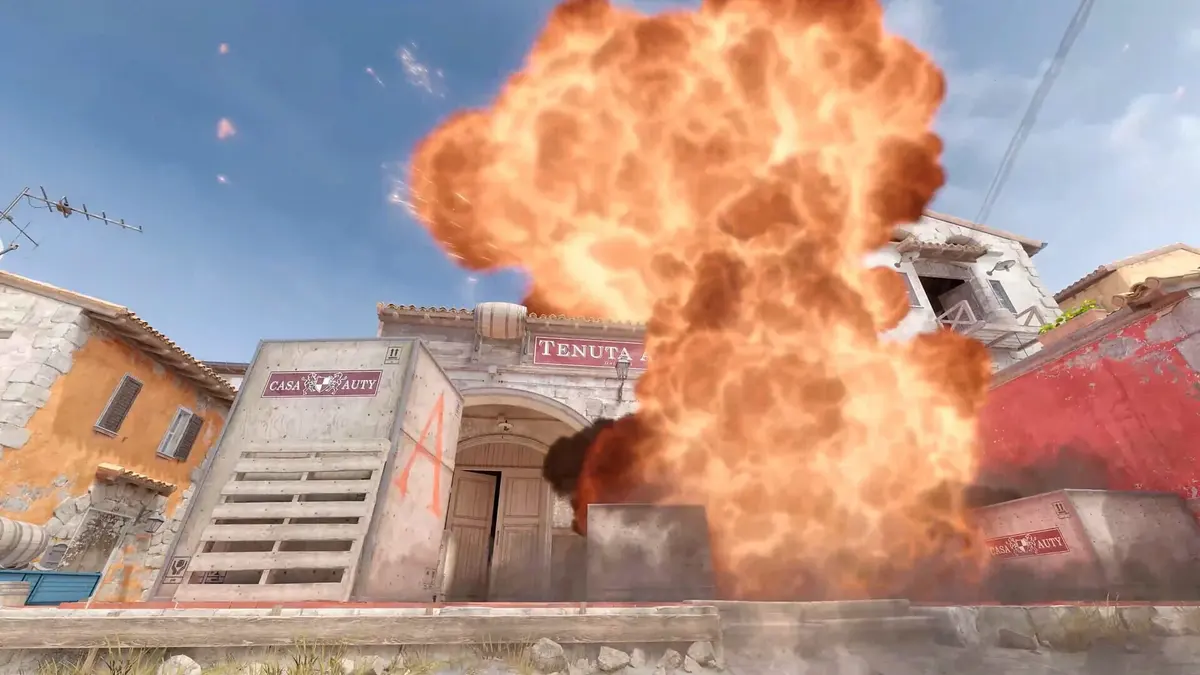
A Chicken Egg hatches about seven days after you claim it, but only if Chicken Feed is still active when that hatch date arrives. Keep feed stocked through the chick and pullet stages too, because stalled growth is a food problem first, not a timer problem.
A Chicken Egg uses both Weekly Drops reward slots in the week you claim it, so plan the follow-up care before you take it. The egg sits in the Counter-Strike 2 main menu, where you can inspect it, read its Hatchbook details, and track its status; if feed stays available, it hatches automatically at roughly the one-week mark.
Table of Contents (7)
Get the Chicken Egg and protect the first hatch window
Chicken Eggs come from Weekly Drops. Claiming one spends both available reward selections, which means that weekly cycle is now about the pet, not the usual alternatives. That trade matters because Chicken Feed is tied to the same weekly reward economy through Weekly Care Packages.
Once the egg is in your inventory, inspect it immediately and treat the Hatchbook’s displayed hatch date as your real schedule. “About seven days” is a useful rule of thumb, but the important part is simpler: the egg needs Chicken Feed available when that date arrives. Checking the egg often helps you monitor status; it does not replace feeding and it does not speed the timer up.
Chicken Egg evolution timeline
The pet has four life stages: egg, chick, pullet, and hen. The egg phase is the shortest, so hatching is only the first deadline in a much longer care cycle.
- Egg — about 7 days from claim to hatch: Keep Chicken Feed active so it can hatch into a chick on schedule.
- Chick — about 22 days after hatching: Keep feeding so the chick can continue progressing toward the pullet stage.
- Pullet — about 28 days after becoming a chick: Maintain feed until it reaches adulthood and reveals its breed and colour.
- Hen — about 90 days after becoming an adult: Keep feeding if you want it to remain active through its adult lifespan instead of leaving early from hunger.
Those estimates add up cleanly in two different ways: roughly 147 days from claiming the egg to retirement, or roughly 140 days from hatching to retirement. The math is 7 + 22 + 28 + 90. Use that as planning context, not as a substitute for the in-game display. Valve has not published a full official timer breakdown for every stage, so the Hatchbook’s date, food status, and growth indicators should outrank any community calendar once your pet moves past the initial hatch.
Use Chicken Feed at every stage
Chicken Feed is the care item that matters. It shows up as a blue Sunnyside feed bag, and it supports the egg and every stage after it. This is not a cosmetic interaction. Feed is what keeps the lifecycle moving.
- An egg needs feed available to hatch.
- A chick needs feed to keep progressing toward the pullet stage.
- A pullet needs feed to become a hen.
- A hen needs feed to stay active until retirement.
If food expires before an immature bird reaches its next stage, its growth can stop. Once the chicken is an adult, hunger becomes a harsher risk because the hen can leave permanently. Counter-Strike 2 gives hunger and food-expiration notifications, so treat those alerts like deadlines, not background inventory clutter.
Chicken Feed comes from Weekly Care Packages as a random reward. Feed rewards can include a 4 lb bag, an 8 lb bag, or two 8 lb bags. Selecting feed uses both reward picks in that package, so every refill is a deliberate trade against other weekly rewards. There is no documented separate food type that speeds evolution up or pushes the pet toward a specific breed or colour.
Set a care schedule that prevents stalled growth
The clean way to manage the pet is to schedule around the Hatchbook’s dates and the current food coverage, then use the stage estimates as a backup check. Calendar time alone is not enough because the lifecycle depends on the chicken staying fed.
- Claim week: Take the egg, open the Hatchbook right away, and write down the exact displayed Hatches date. Accept that both Weekly Drops picks are gone for that week; the only useful move now is making sure the egg will still have food when that date arrives.
- Your next Weekly Care Package before hatch day: Rank up to unlock it, inspect the offered rewards, and choose Chicken Feed if it is offered and your current food will not safely last through the hatch date. Feed also costs both picks, so do not assume you can take it alongside something else.
- Hatch week: Check the egg on the Hatchbook date. If feed stayed active, it should turn into a chick around then. The moment it hatches, inspect the pet again and use the updated status as your next care checkpoint rather than coasting on the original seven-day estimate.
- Every week as a chick: At each Weekly Care Package opportunity, compare the current food coverage with the chick’s needs and take Chicken Feed if your supply will run out before the next check-in. A chick that goes hungry can stop progressing, so this is where players who only planned for the hatch start losing time.
- Every week as a pullet: Repeat the same check with the longer pullet window in mind. Keep food active all the way to adulthood instead of trying to refill at the last possible moment.
- Every week as a hen: If you want the adult pet to stay around, keep checking hunger and food-expiration notices and take feed when coverage will lapse. The hen stage is the longest stretch, at about 90 days after adulthood, so this is maintenance rather than a quick final lap.
The main trap is planning only for the first hatch. The pet still needs feed through the chick’s roughly 22-day period, the pullet’s roughly 28-day period, and the hen’s adult lifespan. Reserve Weekly Care Package picks whenever your current coverage will not comfortably carry the chicken to the next check.

What happens when the chick becomes a hen
The adult evolution reveals the chicken’s breed and colour, and hens can begin appearing with you in matches. The collection is split across three breeds: Catalana, Silkie, and Polish. The catalog includes 41 variants in total: 15 Catalana, 13 Silkie, and 13 Polish.
The Hatchbook also lets you organize chicken photos by dragging and dropping them into the collection. Feed keeps the pet alive and moving through its stages; it does not give you a documented way to force a specific breed, colour, or rarity outcome. The reveal is the collection payoff. The ongoing feed is the price of keeping the hen active until retirement.
Why the chicken system matters in the latest CS2 update
The pet feature arrived in Counter-Strike 2’s September 22 update alongside the new 3v3 Rush mode. Rush uses randomly selected battle arenas and swaps bomb plants for a different objective: teams fight to control a small tower while eliminating the opposition. Matches pull from 15 arenas.
The same update changed Premier map selection so each team picks two maps and the resulting pool is randomly narrowed to the match map. It also added silent reloads when you hold the reload key, making the swap slower but quieter, plus silent unscoping for scoped weapons and clearer bullet-impact feedback. The chicken system is easy to miss next to those competitive changes, but it asks for a real weekly resource commitment once you opt in.
Practical plan for keeping the pet through retirement
Claim the egg only if you are ready to spend future Weekly Care Package selections on Chicken Feed. Use the Hatchbook’s displayed hatch date as the anchor, use hunger and food-expiration notices as your weekly alarms, and keep the pet fed through egg, chick, pullet, and hen stages. Think of the full lifecycle as roughly 147 days from claim or 140 days from hatch, then let the in-game status decide the exact timing from one week to the next.
FinalBoss // Gear
Level up your setup
01Graphics cardson Amazon→02Gaming laptopson Amazon→03High-refresh gaming monitorson Amazon→04Discounted game keyson Kinguin→Affiliate links · As an Amazon Associate, FinalBoss earns from qualifying purchases.
Want to Level Up Your Gaming?
Get access to exclusive strategies, hidden tips, and pro-level insights that we don't share publicly.
Ultimate Guide Strategy Guide + Weekly Pro Tips