
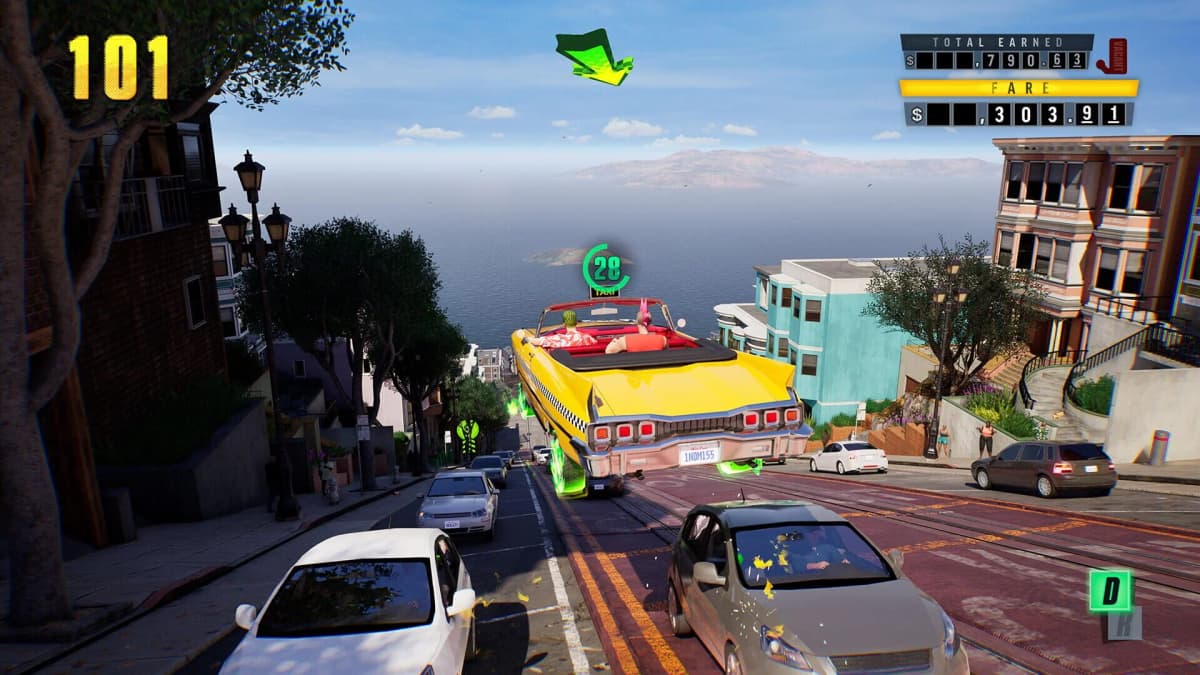
The trailer wanted you thinking about speed, nostalgia, and whether Crazy Taxi can still hit in 2027. The Steam page changed the conversation in one line. Sega disclosed that Crazy Taxi: World Tour used generative AI support tools during development, and that single notice instantly became the real story, because players have heard this corporate phrasing before: “support tool,” “auxiliary resource,” “helps creativity.” Translation: the publisher wants credit for transparency without giving you the part that matters – what, specifically, got made with it.
That disclosure is narrow, but it is not meaningless. Sega says generative AI was used “as an auxiliary resource for developers” to help them focus on “creative endeavors.” It also says AI “has not been applied in connection with the game’s performers,” and a fuller statement reported elsewhere adds that AI-generated assets were still reviewed by the development team. Good. That rules out the ugliest possibility – synthetic performers or completely unreviewed slop getting dumped straight into the build. It does not answer the question players are angry about, which is what kind of assets were touched, how much of the world was affected, and whether this is harmless production grease or the usual cost-cutting dressed up as innovation.
Table of Contents (4)
This is not about one disclosure box – it is about trust
If you are Sega, the temptation is obvious: point to the disclosure, say you were honest, remind everyone that humans reviewed the output, and move on. But the backlash exists because players are not reacting to the existence of an AI checkbox. They are reacting to the pattern behind it. Over the last two years, “AI-assisted” has become a wonderfully convenient umbrella phrase. It can mean reference generation. It can mean concept iteration. It can mean filler textures, signage, background art, localization drafts, UI roughs, or any number of production tasks that used to involve a human specialist getting paid for real work.
That ambiguity is the entire problem. Sega’s wording is careful enough to calm investors and vague enough to frustrate players. Saying AI was an “auxiliary resource” tells you almost nothing. A coffee machine is auxiliary. So is an outsourced art pass. One of those changes the game; the other just keeps the office awake. If Sega wants the benefit of “we disclosed it,” then it should accept the follow-up scrutiny that comes with it.
And yes, the performer carveout matters. The fact Sega felt the need to specify that performers were not involved tells you exactly where the public anxiety is. Nobody asked whether a spreadsheet was AI-assisted. They asked whether human likeness, voice, or performance-adjacent work was touched. Sega preemptively shut that door. Sensible move. But the uncomfortable observation is that this also highlights what the statement does not protect: environmental assets, incidental art, background materials, and all the stuff publishers love to classify as “non-core” right up until it starts shaping the whole feel of a game.
The phrase “human review” is doing a lot of heavy lifting
“Assets generated were still subject to review by the development team” sounds reassuring until you remember that review is the bare minimum. Review does not mean substantial rework. It does not mean high craft. It does not mean the asset pipeline wasn’t built around speed and savings first. It means someone looked at it before it shipped. That is not nothing, but it is also not the gold star publishers think it is.
This is where the industry keeps trying to sneak one past players. Executives frame generative AI as a way to free developers for more creative work. Sometimes that can be true in a limited, tool-level sense. But it also conveniently sidesteps the business incentive, which is reducing labor on the less glamorous parts of production. Background assets are exactly where companies test this stuff because they assume players will not notice or will not care. Then players notice immediately, because visual consistency matters even when an asset is technically “just in the background.”
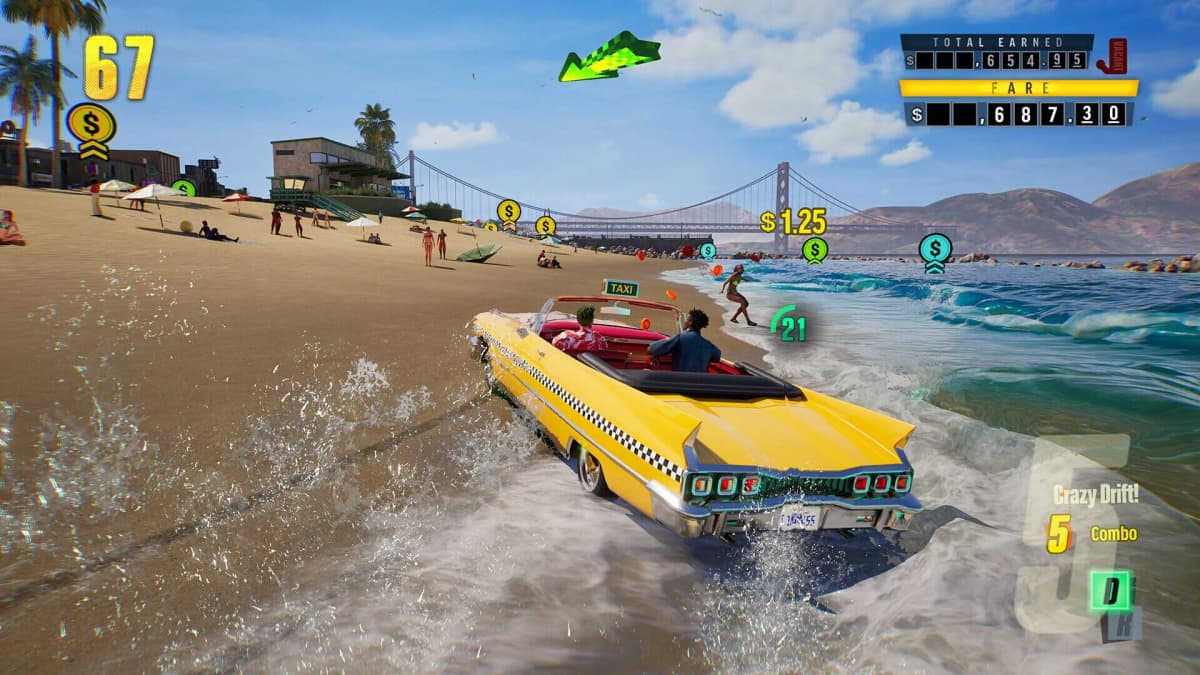
That matters even more for Crazy Taxi, a series built on vibe, exaggeration, and an instantly readable urban space. This franchise is not a photoreal military shooter where generic clutter can hide in a gray corridor. Crazy Taxi lives or dies on style, legibility, and momentum. If AI-assisted background work introduces weird signage, off-model props, inconsistent textures, or that now-familiar “almost right but spiritually wrong” look, players will clock it fast. You cannot outrun ugly asset decisions in a game about blasting through the city at full speed. If anything, you make them more obvious.
What Sega needed to say — and conspicuously didn’t
The missing piece is scope. Was this limited to placeholder ideation? Background signage? Environmental dressing? Marketing mockups during pre-production? Or are chunks of the final shipped world built on generative output that artists had to clean up afterward? Those are not minor distinctions. They are the whole argument.

If I were in the room with Sega PR, the question would be painfully simple: what shipped content in the final retail game was generated or materially derived from generative AI tools? Not “used during development.” Not “as a support tool.” What made it into the product people will pay for? Until Sega answers that cleanly, players are left to do what they always do when a publisher gets vague: assume the safest interpretation for the company is probably not the most flattering one for the audience.
There is also a broader credibility problem here. Publishers keep treating AI disclosures as if they are legal footnotes. They are not. They are product information now. For a growing chunk of the audience, AI use is part of the buy-or-skip calculation, especially in games trading on art direction, nostalgia, and creator pedigree. Sega revived an arcade name with genuine goodwill attached to it, then immediately attached modern baggage to the reveal. That is not just a communications fumble. It is a reminder that “transparent” and “trustworthy” are not the same thing.
What to watch before you buy
The smart move is not performative outrage or blind forgiveness. It is watching for specifics.
- Look for a clearer statement from Sega on scope. If the company starts naming categories of assets, that tells you the backlash landed.
- Watch extended gameplay, not cinematic trailers. Background signage, props, texture consistency, and environmental readability will tell you more than a hype reel ever will.
- Pay attention to developer interviews. If everyone keeps repeating “support tool” and nobody says what shipped, that is its own answer.
- Check whether store-page language changes over time. Publishers sometimes tighten wording once they realize the original disclosure raised more questions than it answered.
- Wait for hands-on previews and technical breakdowns closer to launch. This game is targeting 2027, which means Sega has time either to clarify the issue or let suspicion harden into the game’s identity.
My verdict is straightforward: Sega did the minimum responsible thing by disclosing generative AI use, and that still is not enough. The problem is not that players discovered some secret scandal. The problem is that the official explanation is so polished, so limited, and so obviously designed to narrow the blast radius that it ends up feeling evasive anyway. Crazy Taxi: World Tour might still turn out great. But until Sega explains what AI touched in the final product, the backlash is not overreaction. It is pattern recognition.
FinalBoss // Gear
Level up your setup
01Top-rated gaming headsetson Amazon→02High-refresh gaming monitorson Amazon→03Gaming chairson Amazon→04Discounted game keyson Kinguin→Affiliate links · As an Amazon Associate, FinalBoss earns from qualifying purchases.
Want to Level Up Your Gaming?
Get access to exclusive strategies, hidden tips, and pro-level insights that we don't share publicly.
Ultimate Gaming Strategy Guide + Weekly Pro Tips