
Creative Assembly says Medieval 3 is coming — but the real story is what else they teased
Game intel
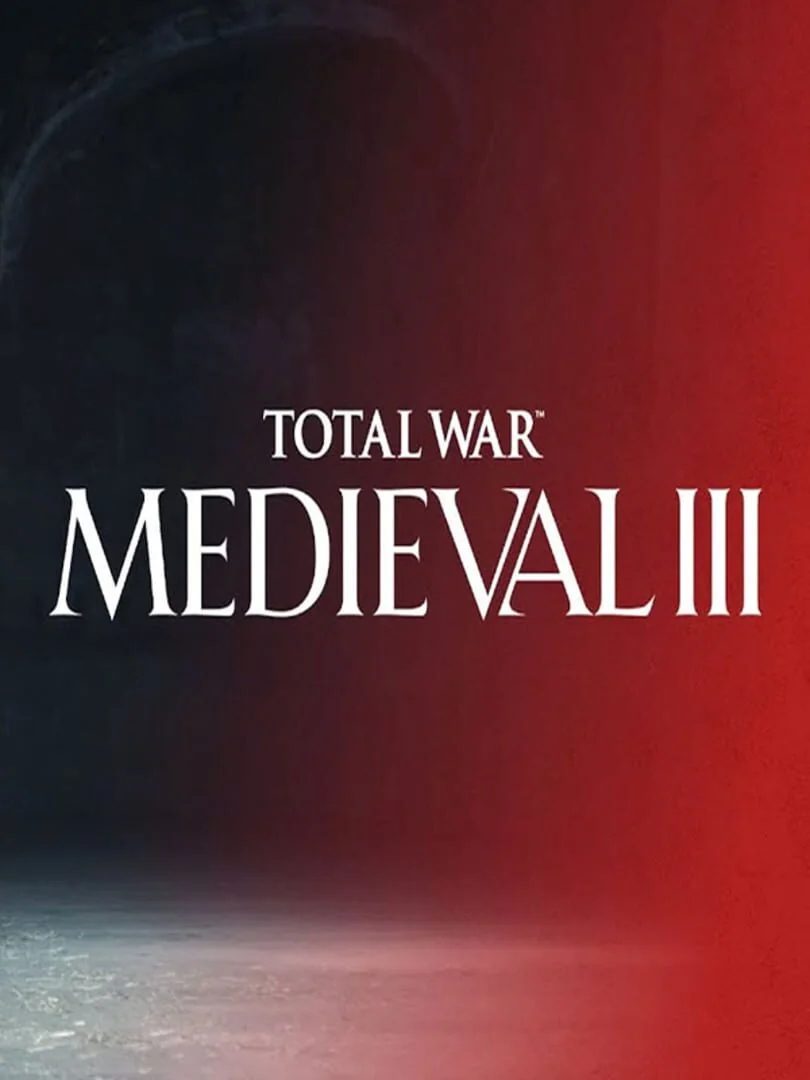
Total War: Medieval 3
We’ve been waiting a long time to say this: Total War is going back to the medieval era ⚔️ Total War: MEDIEVAL III is now in early development! This isn’t jus…
Why this announcement actually matters for Total War fans
This caught my attention because Creative Assembly just put three big pins on the map at once – a formal return to Medieval-era historical Total War, a lore-heavy Warhammer 3 DLC with free campaign changes, and a fresh Warcore engine plus a secret “ambitious” project. That’s not just business-as-usual; it signals a studio shifting focus across historical and fantasy lanes while preparing tech that could define the next era of the franchise.
- Total War Medieval 3 is confirmed but only in early pre-production – don’t expect a release window anytime soon.
- Warhammer 3 is getting a new paid Lords pack (Nagash leads it) plus free End Times-inspired campaign events.
- Warcore, Creative Assembly’s engine, is getting a refresh – big potential, but marketing claims need real-game proof.
- The studio has a secret, ambitious third project due for reveal at The Game Awards — could be historical, fantasy, or something entirely new.
Breaking down the Medieval 3 reveal — what it actually means
“More than a sequel; it’s the rebirth of historical Total War” is a headline-grabbing line, and it’s meant to land with older fans who remember the swagger of Medieval: Total War and Medieval II. For those of us who grew up on clunky but addictive LAN battles and campaign map strategizing, Medieval 3 is a comforting name. But CA was careful: the project is in early pre-production. Translation: concept work, prototyping, and lots of internal debate — not a playable beta.
Why now? Two reasons. First, historical Total War hasn’t had a blockbuster-numbered iteration in a while — the studio has swung heavily into Warhammer and DLC cycles. Second, the franchise is 25 years old: nostalgia sells, but revitalizing the historical branch could also be an attempt to re-balance the portfolio and reassure long-term fans that the studio hasn’t abandoned its roots.
The Warhammer update: fan service with a commercial twist
Warhammer 3 players get both a carrot and a nudge: Lords of the End Times is a paid four-pack of legendary lords headed by Nagash (a character whose inclusion is never subtle). Expect new units and legendary-lord mechanics tailored around necromancy and apocalypse theatrics. The studio is softening the blow by adding free “End Times-inspired” campaign events that reshape the map with cataclysmic scenarios — an attempt to create an eventful baseline for all players while monetizing vanity and roster expansions.
I like that CA is willing to alter the campaign by fiat; Total War campaigns can stagnate, and unpredictable events can make mid-to-late game far more interesting. Still, these “apocalyptic scenarios” raise a question: how permanent are these changes, and how will they impact multiplayer balance? Free content that reshapes single-player is great — paid lords that might tilt competitive scales less so.
Warcore refresh: promising, but caveated
CA calls the updated Warcore engine “more immersive, dynamic, and responsive.” That’s the sort of PR line every studio writes when they touch a rendering pipeline. In practice, an engine refresh can mean improved AI pathfinding, bigger battles without frame collapse, better unit behavior, or prettier particle effects — any of which would materially improve Total War. But I’ll reserve judgment until we see the new Warcore drive a full game rather than a tech demo.
Also worth noting: engine work takes time and risks introducing old bugs in new systems. If Medieval 3 is being built on a refreshed Warcore, expect longer development and a cautious rollout of features that leverage the new tech.
Want to Level Up Your Gaming?
Get access to exclusive strategies, hidden tips, and pro-level insights that we don't share publicly.
Ultimate Gaming Strategy Guide + Weekly Pro Tips
The secret third project — why it matters and what it might be
Creative Assembly calls this “one of the most ambitious projects in the franchise’s history” and promises a reveal at The Game Awards. That’s tantalizing because CA has two identities: purist historical strategy (Rome, Shogun) and full-throttle fantasy spectacle (Warhammer). The secret could be a big-budget historical open-world spinoff, a hybrid historical/fantasy Total War experiment, or even something outside of strategy entirely. For the studio to label it the most ambitious suggests scale or a departure in design philosophy, not just another DLC pack.
What players should expect next
- Medieval 3 will be years away — keep expectations grounded and watch for early previews and tech showcases.
- Warhammer 3’s new DLC is a solid content bump; the free End Times events are the real immediate win for players.
- Watch for Warcore demos; the engine’s capability will determine how bold CA can be in future designs.
- The Game Awards reveal could reshape how we view Creative Assembly — get ready for surprise speculation and cautious optimism.
TL;DR: Creative Assembly is juggling a respectful nod to its past (Medieval 3), ongoing support for its fantasy blockbuster (Warhammer 3 DLC and campaign events), and a technical reset (Warcore) — plus a mystery project that could be a genuine game-changer. I’m excited, but I’m not buying the “rebirth” headline until I see screenshots, deeper design talk, and a playable slice of whatever Warcore will enable.