
Game intel
Crimson Desert
Crimson Desert is an open-world action-adventure game set in the beautiful yet brutal continent of Pywel. Embark on a journey as the Greymane Kliff and restore…
Crimson Desert finally has a date: March 19, 2026. Shown during Sony’s State of Play on September 24, it’s coming to PC, PS5 (with a PS5 Pro-enhanced version), and Xbox Series. This caught my attention because Pearl Abyss makes combat feel fantastic-Black Desert’s impact and animation work still slap-and Crimson Desert’s new trailer doubled down on that: brutal melee, magic, martial arts, grappling, and yes, dragon-riding across the continent of Pywel. The question isn’t whether it looks slick. It’s whether this gorgeous, everything-and-the-kitchen-sink RPG can deliver cohesion and performance at launch.
Beyond the date, the trailer showed what Pearl Abyss wants Crimson Desert to be: a cinematic brawler-RPG where you chain weapon styles, parries, and contextual finishers with spells and relics, then pivot straight into exploration-climbing cliffs, riding horses through sandstorms, and taking to the skies on draconic beasts. The studio calls Pywel a “semi-open” world: big, interconnected regions that unlock as the story moves or as your choices open doors. That structure could keep pacing tighter than the usual bloat-dump.
On PS5, expect the usual slate: fast loads, 3D audio, and DualSense haptics/adaptive triggers (think weighty swings, bow tension, hoofbeats). A PS5 Pro-enhanced version is promised, but specifics—resolution targets, ray tracing, 60 fps modes—weren’t detailed. If you’re sensitive to frame rate in action combat, flag this as a must-check closer to launch.
Pearl Abyss is the Black Desert studio. Say what you will about its monetization, the feel of its combat and fidelity of its character tech are top-tier. Crimson Desert’s journey has been messy, though: initially pitched years ago with MMO DNA before pivoting to a narrative-driven, primarily single-player adventure. That explains why the systems look so broad—fighter-style combos, magic kits, survival-adjacent crafting, NPC routines, even weather systems that impact visibility and traversal. Ambition is exciting, but it’s also where open worlds go to die if the team can’t prioritize.
What I’m watching for is coherence. Do weapon archetypes truly change your approach or are they just animation swaps? Are spells another button press or a tactical layer with tradeoffs? The trailer teases grapples, juggles, takedowns, and crowd control—awesome on a sizzle reel, demanding to balance in a 50-hour game. Pearl Abyss has the animation and VFX to sell impact; now they need encounter design that asks you to use the toolkit, not mash one broken combo.
There’s a strong pitch here for players burned out by map-checklist design. A semi-open structure with NPC schedules and reactive wildlife could keep the world feeling authored rather than algorithmic. Side activities—cooking, fishing, mining, crafting—are in, and I’m fine with that if rewards tie back into the combat loop and narrative stakes. Give me a crafted meal that changes stamina regen so I can parry through a boss, not a dozen identical herbs to dump into a spreadsheet.
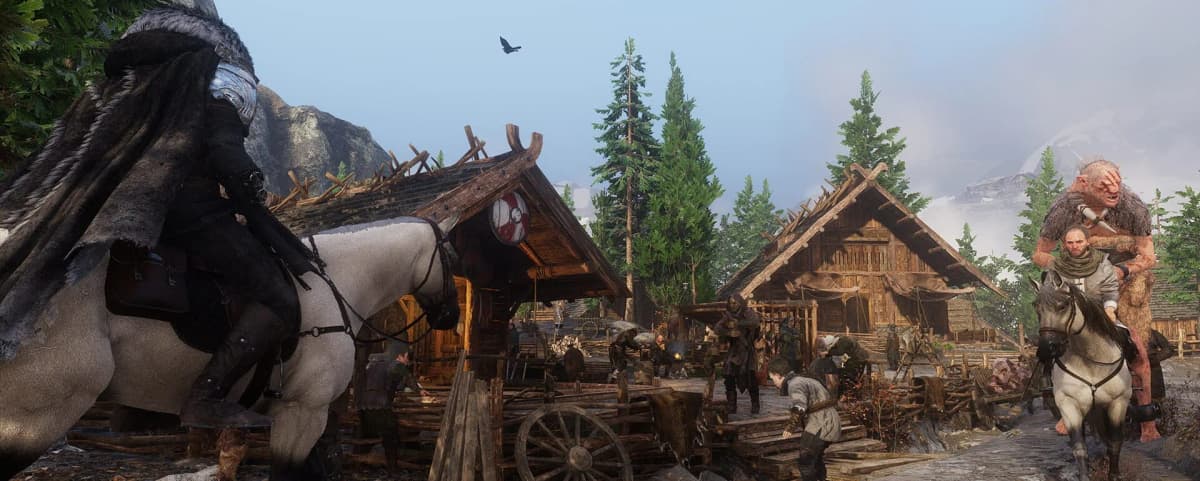
Traversal variety is the other hook. The climbing looked more freeform than “yellow ledge syndrome,” there was horseback travel through harsh weather, and airborne sequences on draconic mounts. If those aren’t just setpieces, they could meaningfully change how you approach objectives—scaling a storm-battered tower instead of brute-forcing the front gate, or taking a high-altitude angle to bypass patrols.
Preorders are open with a Deluxe pack offering cosmetics and early resources. I get the temptation—this world looks lush—but Pearl Abyss’s history in live games makes me cautious. Crimson Desert is pitched as a narrative-first adventure; if it ships with microtransactions, I hope they’re cosmetic-only and ignorable. Either way, avoid resource-boost preorders if you want the intended progression curve.
On the tech side, wait for hands-on. This engine pushes dense crowds, cloth, and physics; that’s expensive. The PS5 version touts haptics and quick loads, but the make-or-break will be stability and a clean 60 fps option, especially on Pro. PC players should watch for upscaler support and CPU scaling—big AI and simulation claims often bottleneck there.
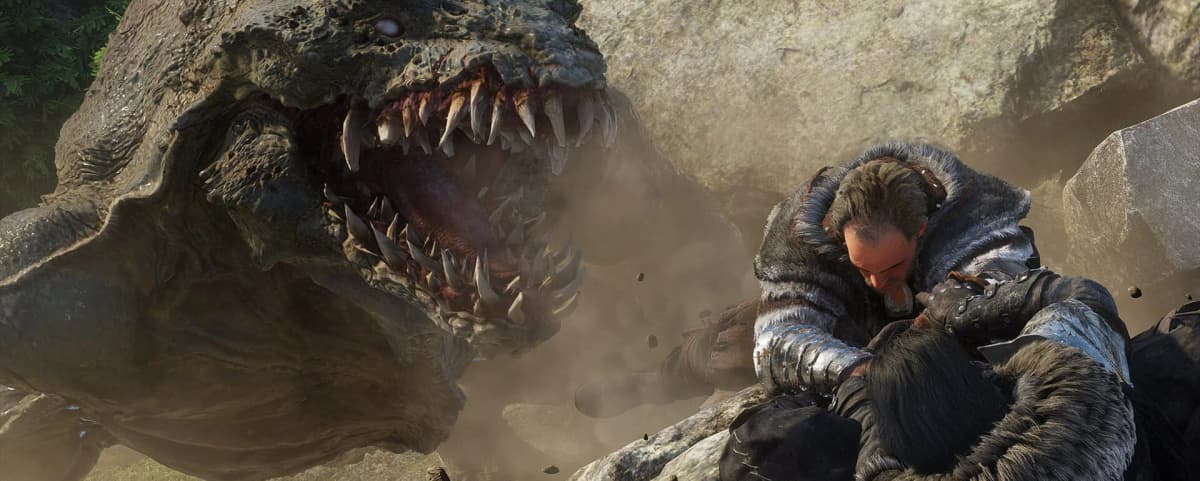
Between now and March, the useful signals will be extended gameplay, clear performance targets, and honest systems breakdowns. I want to see: a boss fight with readable tells and punish windows; an open-region loop that doesn’t devolve into busywork; and side quests with actual narrative teeth, not fetch chains dressed up with pretty lighting. If Pearl Abyss sticks the landing, Crimson Desert could be 2026’s big fantasy sandbox—less about map icons, more about impact and improvisation.
Crimson Desert launches March 19, 2026, and it looks stunning: heavy-hitting combat, magic, martial arts, and dragon-backed traversal across Pywel. I’m hyped but cautious—Pearl Abyss can make it feel great, now they need to keep it focused, performant, and free of progression-warping extras.
Get access to exclusive strategies, hidden tips, and pro-level insights that we don't share publicly.
Ultimate Gaming Strategy Guide + Weekly Pro Tips