
Crimson Desert just did something publishers are going to study for years: it turned a shaky, divisive launch into five million copies sold in under a month, and its player numbers are still climbing instead of collapsing. That is not the usual arc for a new, single-player open-world game with performance complaints and sevens across the review boards.
Table of Contents (7)
Key takeaways
- Crimson Desert hit 5 million sales worldwide in roughly 26 days, off the back of strong pre-orders and surprisingly resilient post-launch momentum.
- A rapid patch cadence – tweaking difficulty, fixing progression and cleaning up quality-of-life issues – clearly helped shift sentiment and sustain word of mouth.
- Steam data (daily peaks around 100k players, review average climbing from “Mixed” to “Very Positive”) shows a rare, genuine post-launch reputation recovery.
- The success validates “launch now, fix fast” as a business strategy – which is great for Crimson Desert, and a potential headache for anyone tired of buying games in beta condition.
Five million copies off sevens and eights is not normal
On April 15, Pearl Abyss announced that Crimson Desert has sold over five million copies worldwide. The timeline is the important part:
- Launch (March 19, 2026): around 2 million copies sold within hours.
- By day 4 (around March 24): 3 million.
- By roughly day 12–14 (end of March / start of April): 4 million.
- By day 26: 5 million.
Those are new‑IP numbers most publishers would happily trade a limb for. And they came without Elden Ring‑style universal acclaim, a massive legacy franchise behind them, or a live‑service tail to pad the pitch.
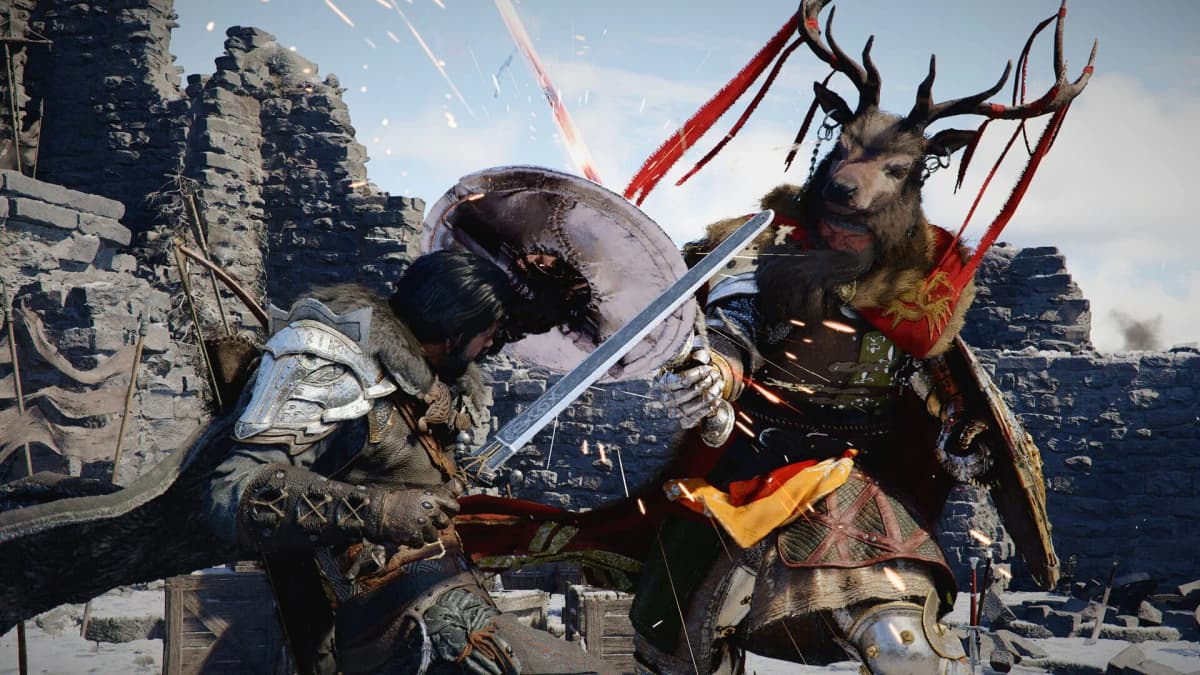
Crimson Desert launched on PlayStation 5, Xbox Series X|S, PC (Steam and Epic Games Store), and Mac as a cinematic open‑world action‑adventure set across the continent of Pywel, following mercenary protagonist Kliff. The selling points were obvious: striking visuals on the in‑house BlackSpace engine, high‑impact combat, and dense, “everything and the kitchen sink” open‑world design.
The problems were obvious too. Performance complaints on both PC and consoles, inconsistent controls, uneven difficulty spikes, and a story structure that reviewers across the board described as messy. Critical reception clustered in the 7–8/10 band – good, but not “drop everything and buy this” good – and Pearl Abyss’ stock reportedly dropped by more than 30% around launch week as investors reacted to the wobble.
In that context, hitting 5 million sold‑through units this fast is an outlier. New IPs that score in that range and release with technical baggage usually trend the other way: huge day one, aggressive fall‑off, maybe a cult audience left behind. Crimson Desert has the huge day one and it kept selling.
That says two things. First, Pearl Abyss clearly nailed the marketing – six years of trailers, spectacle reels, and “is it an MMO or not?” discourse built real curiosity. Second, what happened after launch mattered just as much as what happened before it.
Post-launch triage is now a sales strategy, not just damage control
Crimson Desert is not the first big game to stumble out of the gate and then improve. Cyberpunk 2077, No Man’s Sky, and Final Fantasy XIV all rehabilitated themselves to varying degrees. The difference here is speed and intent.
Pearl Abyss shifted into crisis‑response mode almost instantly. In the weeks after launch, the studio pushed out a stream of patches that went beyond basic hotfixes:
- Difficulty options for certain bosses and encounters that had been hard walls for some players.
- Quality‑of‑life improvements like better storage management and more reliable fast travel / teleportation behaviour.
- Adjustments to rewards and progression to smooth out early‑game grind and awkward spikes.
- Performance and stability work across PC and consoles, addressing crashes and inconsistent frame pacing.
The messaging was clear: “We hear you, and we’re going to ship fixes fast.” For players sitting on the fence after hearing about launch issues, that matters. For people who bounced off at hour three, it’s a reason to reinstall rather than refund.
It is worth spelling out the uncomfortable part. This kind of triage is no longer just about protecting a game’s reputation for the long term. It is part of how you squeeze the most out of your first‑month sales curve.
If you can survive the first wave of criticism with strong pre-orders, an aggressive marketing push, and a promise of rapid fixes, you can still convert the “I’ll wait and see” crowd before the news cycle moves on. Crimson Desert is now a textbook example of that playbook working: the patches didn’t just keep existing players happier, they created fresh headlines, creator content, and renewed attention during the most lucrative sales window.
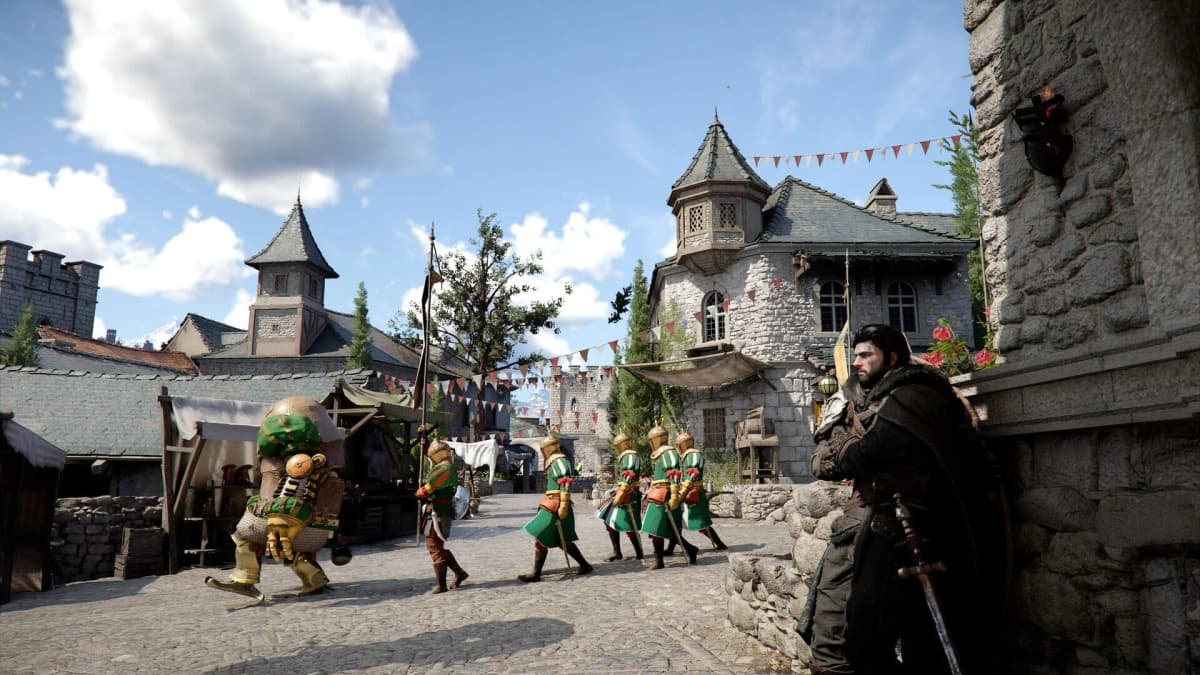
That is great news for Pearl Abyss. It is also a signal to other publishers that shipping on the edge of “ready” can still be commercially rewarded as long as your live‑ops and engineering teams are prepared to sprint for a month.
Steam numbers show word of mouth actually turned around
The other piece of the puzzle is player behaviour, and on PC we can see it fairly clearly.
At launch, Crimson Desert’s Steam user reviews sat in the “Mixed” range. Within a few weeks – and after multiple patches – that average had climbed to “Very Positive”, off the back of tens of thousands of reviews. That is not cosmetic. Shifting the sentiment needle that far, that fast, means a significant chunk of players were revising their expectations upwards after the fixes.
Concurrent players tell a similar story. SteamDB tracking shows daily peaks still holding around the 100,000 player mark weeks after release, with a 24‑hour peak north of 120,000 at one point. Usually, single‑player focused open‑world games see a sharp peak and then a drop as players roll credits. Crimson Desert’s curve is flatter – people are buying in after launch, and a substantial number are sticking around.
Pearl Abyss has been keen to highlight creator activity too: thousands of active Twitch streams, a steady flow of YouTube content dissecting builds, fights, and systems, and a lot of short‑form clips built around its more unhinged physics and combat moments. Those emergent “you have to see this” clips are free advertising, but they only land if the underlying game is stable enough to recommend without caveats.
Compare this to something like Starfield, which launched with more consistent technical performance and higher average scores but suffered from word‑of‑mouth fatigue as criticism of its structure piled up. Crimson Desert has the opposite problem set: its underlying design is divisive, but technical and ergonomic pain points are being sanded down fast. That makes it an easier sell over time.
Pearl Abyss bought breathing room – not a free pass
Financially, five million copies in under a month is a major win for Pearl Abyss. Even after platform cuts and discounts, that is a serious revenue injection for a studio that spent years and a lot of Black Desert Online cash pivoting Crimson Desert from MMO to single‑player epic.
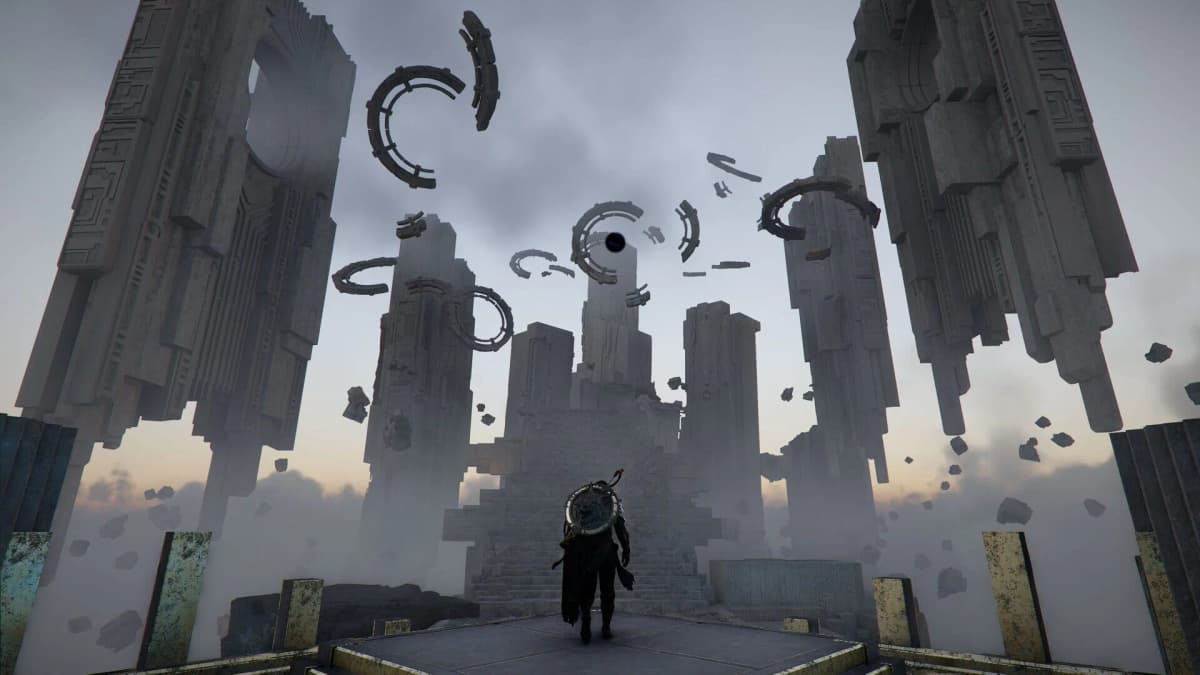
But the sales curve does not erase the structural questions around the game.
- The story pacing and tone shifts remain polarising, and that is not something patches easily fix.
- The game’s “everything everywhere all at once” design – side activity overload, UI density, constant spectacle – still feels noisy to a lot of players even after QoL updates.
- Combat, while flashy, has its own friction points around targeting and animation priority that can only be tuned so far without wholesale redesign.
In other words: the technical state is improving, but the core identity – for better and worse – is baked in. The audience that is on board now seems genuinely engaged; the people who bounced off because of deeper design issues are unlikely to be won back by smoother frame rates alone.
For Pearl Abyss, that creates a clear fork in the road. Crimson Desert is now a commercially proven IP, not an experimental spin‑off. The next moves – whether that is a substantial single‑player expansion, a sequel, or some hybrid live‑service layer – will show what lesson the studio thinks it has learned.
If the lesson is “we can launch big, patch fast, and be rewarded,” the risk is obvious: that future projects will be scoped and scheduled with the assumption that the first month after release is effectively paid beta. If the lesson is “we need to keep this quality bar at launch next time because the upside is huge,” players actually win.
For now, Crimson Desert sits in that rare space alongside games like Cyberpunk 2077: a title that absolutely stumbled, but also absolutely sold – and then clawed back more goodwill than it probably deserved on day one. The difference is that Crimson Desert pulled off that pivot in under a month instead of over years.
What to watch next
- Next major content update: If Pearl Abyss announces a sizeable free content patch or DLC this year, it will signal how committed they are to building Crimson Desert as a long‑term platform rather than a one‑and‑done single‑player release.
- Sales milestones beyond 5M: If the game approaches 8–10 million within its first year, it moves from “strong debut” to “genre‑defining success” and will heavily influence how other publishers scope open‑world RPGs.
- Console performance patches: Watch whether PS5 and Xbox Series X|S versions get the same level of optimisation love as PC. If console performance still lags months from now, it will underline where Pearl Abyss thinks its core audience lives.
- Design direction of any sequel: A follow‑up that reins in the excess and doubles down on what players actually like – combat, specific quest chains, standout regions – would show that the studio is reading feedback as more than just bug reports.
TL;DR
Crimson Desert has sold over 5 million copies in about 26 days, defying its rocky launch and mid‑tier review scores with strong marketing and aggressive post‑launch patching. Steam sentiment and player counts show a real turnaround rather than a dead‑cat bounce, making the game a case study in how fast, visible fixes can rescue a blockbuster release. The next big test is whether Pearl Abyss treats this as proof it can ship on the edge of “ready,” or as justification to aim for this level of polish on day one next time.
FinalBoss // Gear
Level up your setup
01Top-rated gaming headsetson Amazon→02High-refresh gaming monitorson Amazon→03Gaming chairson Amazon→04Discounted game keyson Kinguin→Affiliate links · As an Amazon Associate, FinalBoss earns from qualifying purchases.
Want to Level Up Your Gaming?
Get access to exclusive strategies, hidden tips, and pro-level insights that we don't share publicly.
Ultimate Gaming Strategy Guide + Weekly Pro Tips