
Five million sales in under a month is the kind of number that changes the conversation, even when the game itself is still arguing with players. That is where Crimson Desert sits right now: commercially undeniable, critically more divisive than the victory lap suggests, and suddenly carrying a lot more weight than just “Pearl Abyss finally shipped the thing.” The milestone matters. So does the public praise from South Korea’s prime minister. But the real story is simpler: Crimson Desert has already won the launch battle, and now it has to prove it can survive the scrutiny that comes after the hype.
By April 15, 2026, Pearl Abyss had sold more than 5 million copies worldwide after launching Crimson Desert on March 19 for PC, PS5, and Xbox Series X|S. That pace is no joke. The game reportedly hit 2 million almost immediately, kept climbing at roughly a million copies per week, and posted a Steam concurrent peak of 276,261 players. Those are blockbuster numbers by any sane standard, especially for a new single-player action game from a studio better known for Black Desert and years of development turbulence.
Table of Contents (5)
This is a sales story, but it is really a credibility story
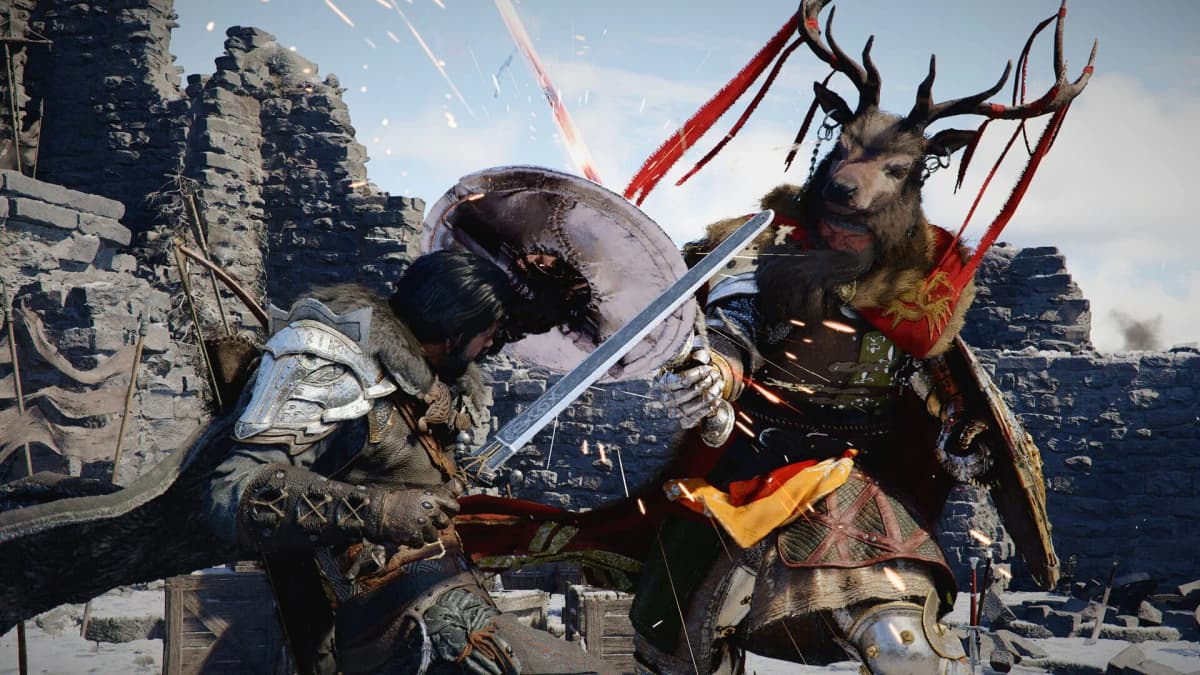
Most outlets will stop at the headline: 5 million sold, huge success, everyone clap. Fine. But what makes this interesting is that Crimson Desert did this after a launch that was not exactly clean. Pre-release hype had the game positioned like a genre event. The actual response was messier. Reviews landed in that dangerous “good enough to sell, not good enough to silence criticism” zone. Players praised the spectacle, scale, and technical ambition, while complaints about controls, performance, and uneven design showed up early and often.
That tension matters because it tells you what kind of hit this is. This was not a universally beloved launch in the way publishers dream about. It was a curiosity bomb. Pearl Abyss spent years building mystique around a project that changed shape over time, moving away from its earlier MMO-adjacent identity into a single-player open-world action game. When something like that finally arrives, a lot of people buy in to see whether the impossible project actually exists. In this case, it did. And millions showed up.
The uncomfortable observation Pearl Abyss would rather not foreground is that enormous launch sales do not automatically settle the argument about quality. They settle the argument about interest. Those are not the same thing. Cyberpunk 2077 taught this industry that a launch can be both a sales monster and a repair project at the same time. Crimson Desert is not facing that scale of disaster, but it is following a familiar modern pattern: sell first on anticipation, then fight for long-term reputation through patches.
The political praise is not random PR fluff
The other piece of this story is the one that sounds strange until you zoom out: South Korean Prime Minister Kim Min-seok publicly praised Crimson Desert, framing it as a meaningful moment for the country’s games industry and for Korean cultural exports. On paper, that looks like a nice ceremonial quote. In practice, it tells you how South Korea wants to position games right now.
K-pop, film, TV, and webtoons have already become pillars of Korea’s global soft-power strategy. Games were always part of that picture, but often more as a business success than a prestige export. Crimson Desert gives officials something easier to celebrate publicly: a large-scale, technically ambitious premium game with visible production value and Korean identity attached to it. That makes it legible as “national creative success” in a way that live-service monetization machines often are not.
There is also a domestic industry angle here. Korean publishers have long been associated internationally with MMOs, mobile games, and aggressive monetization loops. A globally visible premium action game selling this fast helps broaden that image. That does not mean the industry has transformed overnight. It means one successful release is being used as evidence that Korean studios can compete in the same prestige lane as big Western and Japanese publishers. Politicians love a symbol. Crimson Desert just became one.
The June roadmap matters more than the 5 million headline
If you are a player, the milestone is mostly trivia unless it turns into support. This is where Pearl Abyss now has real work to do. Background reporting around the launch points to frequent post-release patches, improvements to player sentiment on Steam, and an ongoing content-and-fix roadmap running through June. That is the part worth watching, because it will tell us whether the studio is responding to actual player pain points or just doing the standard post-launch optics routine.
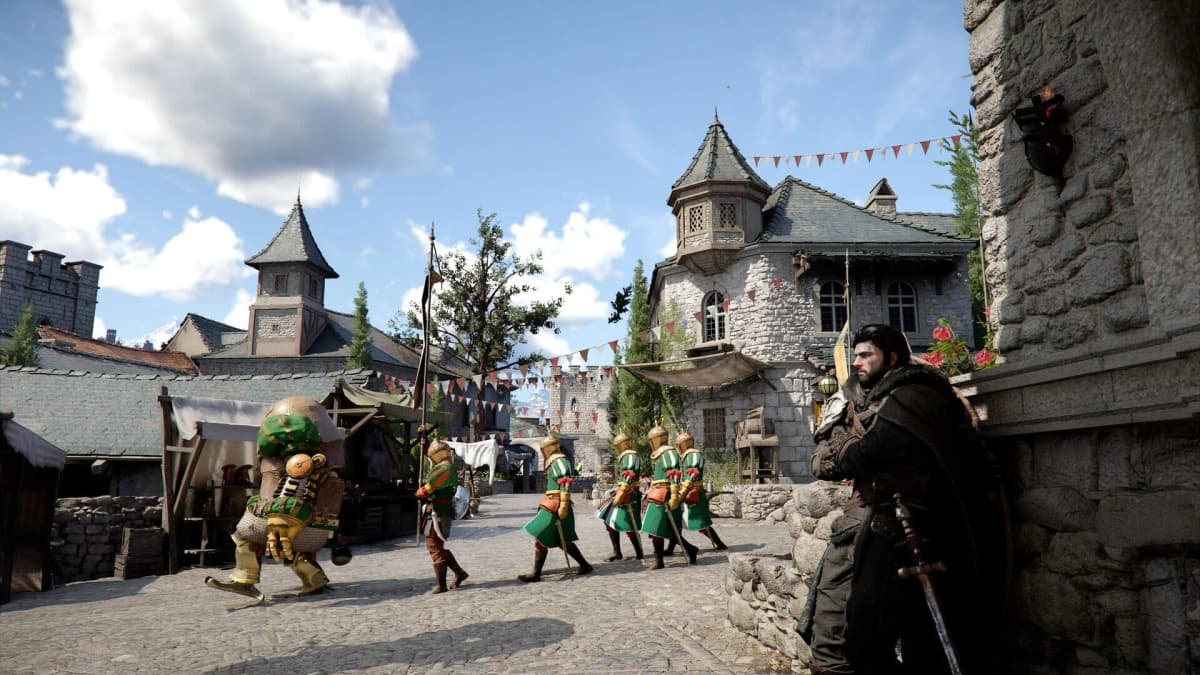
The question I would put to Pearl Abyss is blunt: what exactly is on the roadmap, and how much of it addresses systems that players already flagged as friction points? “Regular updates” is a phrase publishers hide inside when they do not want to commit to priorities. Players need something more concrete than that. Are the June updates focused on performance stability across platforms? Input and combat responsiveness? Camera behavior? Difficulty spikes? Quality-of-life fixes? New content is nice. Fixing the stuff that annoyed people enough to leave is more important.
- Performance consistency on PC and consoles needs to keep improving, not just benchmark well in patch notes.
- Combat feel and control responsiveness remain the kind of issues that can poison long-term word of mouth.
- Any content additions before June only matter if the foundation stops fighting the player.
- Pearl Abyss now has the money and momentum to support the game properly, which means excuses will age badly.
There is one encouraging sign here. Pearl Abyss appears to be acting like a studio that knows it has something valuable but imperfect on its hands. Frequent patches are the correct response. Reports that employee bonuses followed the sales surge also suggest internal confidence and a company trying to turn this launch into a wider morale boost. Good. But players do not benefit from celebratory internal memos. They benefit from fast fixes and a roadmap specific enough to hold the studio accountable.
What this says about Pearl Abyss, for better and worse
Crimson Desert clearing 5 million copies this quickly means Pearl Abyss has done something more significant than just release a hit. It has proven there was a global audience ready to follow the company beyond Black Desert. That matters for the studio’s future, especially after years of uncertainty, delays, and questions about whether the project could ever match its own trailers.
It also raises expectations immediately. Once a studio demonstrates it can launch at this scale, nobody is going to grade the next few months on a curve. The market will expect retention, polish, and a post-launch strategy that looks disciplined rather than reactive. Selling 5 million buys Pearl Abyss time. It does not buy forgiveness forever.
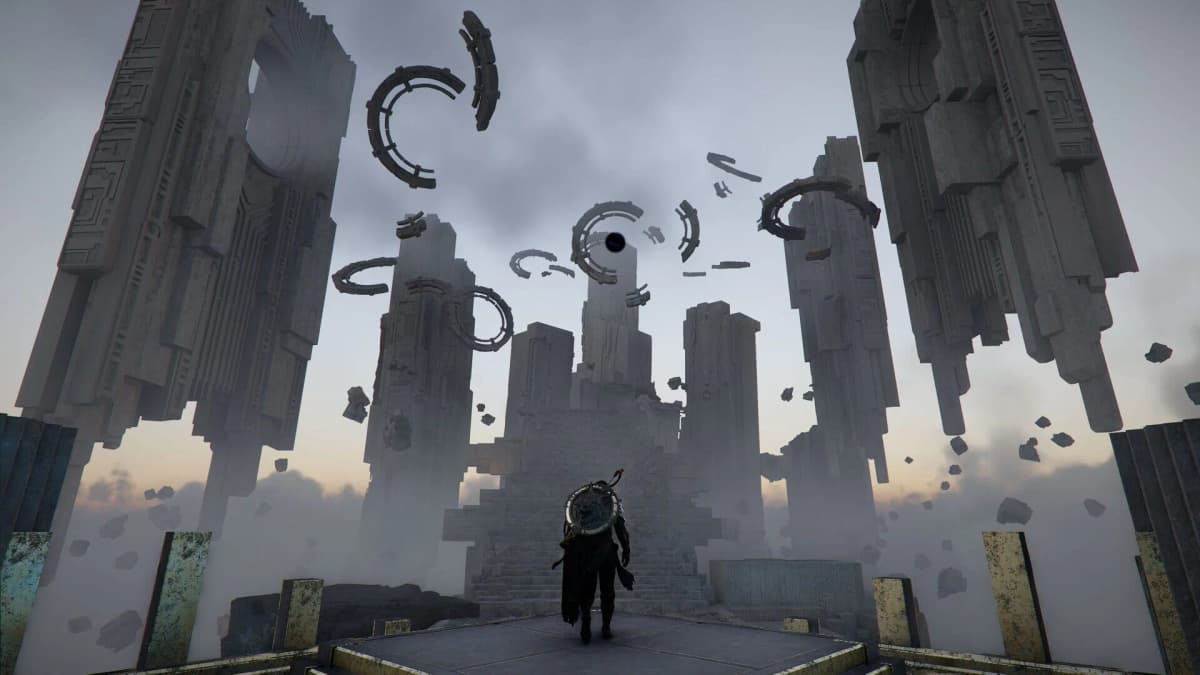
And that is the real split in this story. The game is a commercial success already. The broader cultural narrative around it is also turning favorable. What remains unsettled is whether Crimson Desert becomes a respected modern action RPG or one of those hugely successful releases people remember with an asterisk and a list of patch-history caveats. Plenty of games live in that second category. It is profitable. It is also a waste of potential.
What to watch next
The next meaningful checkpoint is not another celebratory sales press release. It is the June update path. Watch for three things: first, whether Pearl Abyss publishes detailed patch priorities instead of vague promises; second, whether player sentiment keeps improving after those updates rather than flattening out; and third, whether the studio starts talking about future content only after core technical and control complaints are clearly reduced.
For players, the practical takeaway is straightforward. If you already bought Crimson Desert and bounced off some of its rougher edges, June is the window that should tell you whether it is worth reinstalling. If you have held off, that is probably still the smart move unless the current version already looks like your kind of chaos. The 5 million milestone proves the game is a phenomenon. The next two months will show whether it is also a keeper.
FinalBoss // Gear
Level up your setup
01Top-rated gaming headsetson Amazon→02High-refresh gaming monitorson Amazon→03Gaming chairson Amazon→04Discounted game keyson Kinguin→Affiliate links · As an Amazon Associate, FinalBoss earns from qualifying purchases.
Want to Level Up Your Gaming?
Get access to exclusive strategies, hidden tips, and pro-level insights that we don't share publicly.
Ultimate Gaming Strategy Guide + Weekly Pro Tips