
The Mount Benus ruins puzzle in Crimson Desert punishes tiny mistakes more than big ones. The reliable solution is straightforward once you know the rule: clear the area, step on the western activation plate opposite the statue, and only move when the statue is looking away. If it turns back toward you and catches any movement, the puzzle resets. The safest version of the route is to put your weapon away, use short Roll bursts or very controlled Crouch steps, and switch to a first-person view so you can read the statue’s head movement without guessing.
Table of Contents (9)
Where to find the Mount Benus Ruins
The Ruins of Mount Benus are in the Delesyia region, generally described as northwest of the Delesyia Beacon and west of the Benus Bandit Camp. It is an early-to-mid exploration stop rather than a late-game gate, which is why this puzzle trips players up so often: you can reach it before the game has trained you to treat statue puzzles like stealth checks. If you are scanning the area and see overgrowth, blocked paths, and an elder-like statue at the far end of the ruin space, you are in the right place.
Before you think about the statue itself, treat the whole location like a cleanup job. The puzzle becomes much easier when the path is fully open and the local enemies are gone, because any panic movement or camera collision during the “don’t be seen” phase is what usually causes unnecessary resets.
- Bring or use a fire source to burn away the vines.
- Destroy or move the blocking tree trunks on the route.
- Deal with the aggressive “bush Abyss” enemies first.
- If available, use logs as improvised weapons or a Force Palm-type attack to clear them quickly.
- Make sure you can see the full lane from the start plate to the statue.
Step 1: Clear every obstacle before activating the puzzle
This is the part players skip because the actual statue mechanic looks like the main event. It is not. The prep is what makes the statue section consistent. Burn every patch of vines you can reach first. If a trunk is wedged across the lane, break it or shove it out of the way. Then remove the bush-type Abyss enemies around the site. They are not just random clutter; they create the kind of off-camera pressure that makes people rush the puzzle, and they can also clutter your view of the approach.
Several walkthroughs agree that using the environment helps here. Logs can work as quick melee tools against the bushes, and Force Palm-style attacks are also effective if you have them ready. If you are trying to be efficient, this is a good place to grab the enemy drops and tidy the ruin before the real attempt. The Mount Benus statue puzzle is not mechanically hard, but it becomes annoying if you keep forcing full resets through a half-cleared arena.
Important: do not start testing movement toward the statue before the route is clean. Even one leftover obstruction can force you into an awkward sidestep, and awkward sidesteps are exactly what the detection check punishes.
Step 2: Trigger the puzzle from the correct plate
The trigger is not at the statue. You need to step onto the plate or platform on the west side, opposite the statue. Once you do, the puzzle properly activates and the statue begins its watch pattern. The visual tell to look for is the statue turning its head, with blue-lit eyes indicating its active gaze. That head movement is the entire puzzle. If you are not watching the statue’s face, you are playing blind.
This is also the best moment to stow your weapon if the game allows it cleanly. A few guides note that moving with your weapon out can make your character feel less controlled during these small stop-start inputs. Whether that is because of animation noise or just player error, the practical advice is the same: simplify your movement before you start.
Step 3: Treat it like “red light, green light”
The core Mount Benus ruins puzzle rule is simple: move only when the statue is looking away, and freeze completely when it looks back at you. That is why so many players describe it as “red light, green light” or “1, 2, 3, Soleil.” The statue is not asking you to solve a code, rotate symbols, or interact with multiple devices. It is testing restraint.
You have two reliable movement styles:
- Crouch-walk method: safer if you like precision and want to take the route in short, readable advances.
- Roll method: usually safer for most players because it compresses your movement into a single committed action, which reduces accidental extra steps.
If you use crouch movement, make 4 to 5 careful steps whenever the statue looks away, then stop early rather than late. If you use rolls, do one short roll per safe opening and reassess. Rolling tends to be more consistent because the biggest cause of failure is not moving too slowly; it is overholding the input by a fraction of a second when the statue starts turning back.
For visibility, switch to a first-person camera if you can. That gives you a cleaner read on the statue’s head rotation and makes its blue-eyed gaze easier to track. In third person, the camera angle can make the turn look finished before it actually is, especially if the path is narrow or uneven. First person turns this from a guess into a timing check.
The safest rhythm to use
The safest rhythm is not “go as far as possible every time.” It is “take the free distance the game clearly gives you.” Wait for the statue to commit to looking away, move in one deliberate burst, then fully release your input before the head starts to swing back. This matters on both PC and console. On keyboard, quick taps are better than holding a movement key. On controller, a single clean roll input is often more reliable than trying to feather the stick forward.
Common mistakes that cause resets
Most failed attempts at Mount Benus come from a few repeat mistakes. The puzzle is easy once you stop feeding it those errors.
- Moving during the turn: the statue does not need to be fully facing you for this to go wrong. If the head is coming back, stop.
- Trying to sprint the entire lane: greed is the reset button here. The puzzle rewards clean segments, not speed.
- Leaving the path messy: unburned vines and uncleared debris create bad camera angles and awkward routing.
- Watching your character instead of the statue: your own position matters less than the gaze timing.
- Stopping short at the end: some players reach the final squares and hesitate. Keep going until the final area clearly registers the completion.
If the puzzle keeps failing and you feel like the timing is unfair, slow down and check your stop points. The current set of walkthroughs all agree on the mechanic, and there is no clear sign that a patch changed how the statue detects movement. In other words, if you are getting reset, it is almost always a timing or input issue rather than a hidden condition.
The final stretch is where players throw it away
The last section near the statue is the easiest place to choke the run because players assume they are already done. Do not treat the final tiles as a cutscene trigger. Cross them completely. Move onto the platform in front of the statue and keep advancing until you have unmistakably reached the statue or fully cleared the final marked section. If you pause one tile early because you are expecting automatic completion, you can still lose the attempt.
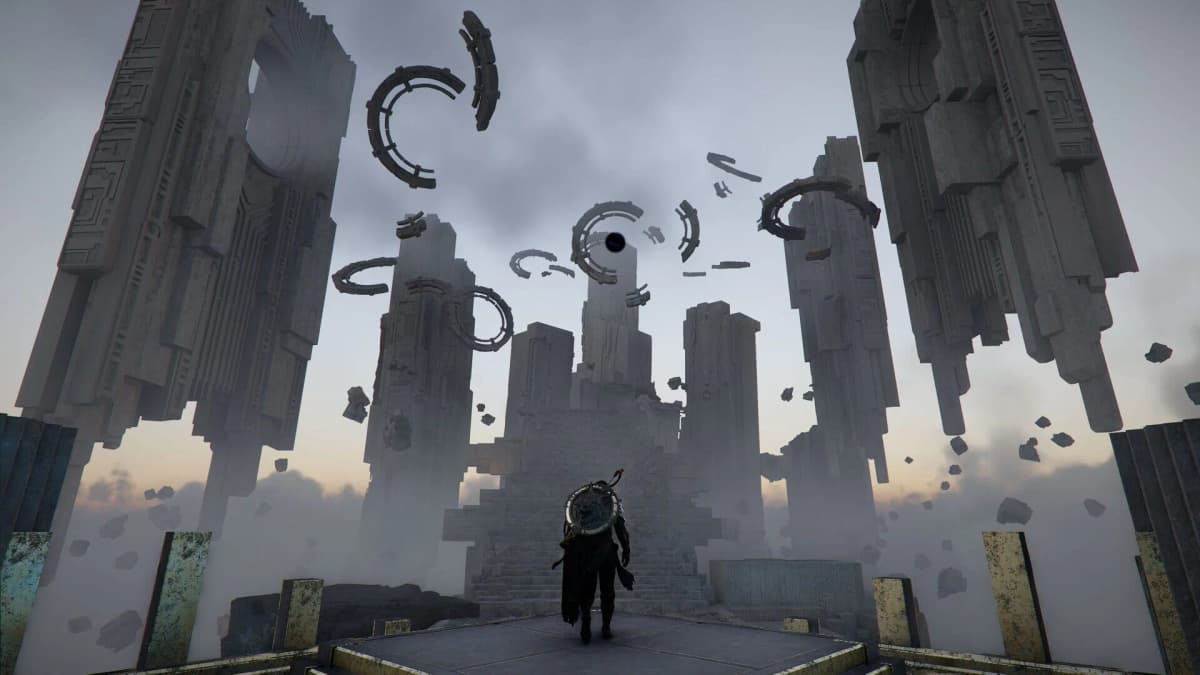
This is why short, segmented movement stays better than hero plays. The puzzle does not grade style. It only checks whether you kept still at the right times and actually reached the end.
Rewards: what you should expect from the puzzle
The reward reporting around this location is mostly consistent, but not identical across coverage. Some walkthroughs simply note completion, enemy drops, and the successful interaction at the ruins. Other reports specifically identify the payoff as an abyssal fragment and an unlocked or nearby teleport point. The safest way to put it is this: Mount Benus is worth doing for its completion reward, local loot, and travel convenience, and multiple sources tie the puzzle to the kind of collectible progression item players are looking for in Delesyia.
If you are clearing the region efficiently, that alone makes the ruins worth the detour. Even when a puzzle is short, a teleport point plus collectible-style progression reward is exactly the kind of stop you want to chain into the rest of your Delesyia exploration route.
Fast troubleshooting if the puzzle still feels inconsistent
- Re-clear the route and make sure no vines or trunks are cluttering your line of movement.
- Start again from the western plate; do not assume the statue is active if you approached it from the front.
- Swap from walking to rolling if your character keeps taking an unwanted extra step.
- Use first-person to read the head turn instead of estimating from the side.
- Put your weapon away before the attempt.
- On the last approach, commit to the finish instead of stopping early.
FinalBoss // Gear
Level up your setup
01Top-rated gaming headsetson Amazon→02High-refresh gaming monitorson Amazon→03Gaming chairson Amazon→04Discounted game keyson Kinguin→
Affiliate links · As an Amazon Associate, FinalBoss earns from qualifying purchases.
Want to Level Up Your Gaming?
Get access to exclusive strategies, hidden tips, and pro-level insights that we don't share publicly.
Ultimate Guide Strategy Guide + Weekly Pro Tips