
Crimson Desert didn’t just launch – it went live. Pearl Abyss shipped a massive, messy open-world RPG on March 19, then immediately switched into full-on live-ops mode: emergency patches, balance passes, control overhauls, and now an internal audit because players found AI-generated art in the game’s world.
It’s the kind of post-launch scramble you expect from an MMO expansion, not a $70 “not-an-RPG” single-player epic. And it tells you exactly how Pearl Abyss plans to run this thing.
Table of Contents (7)
Key takeaways (that aren’t in the patch notes)
- Pearl Abyss is rebalancing bosses, overhauling controls, and adding core quality-of-life systems within days – treating Crimson Desert like a live service, not a finished product.
- The game quietly shipped with AI-generated 2D art assets; the studio admits it, calls it a mistake, and is now auditing all in-game assets.
- Despite the chaos, Crimson Desert has sold around 3 million copies in five days and climbed from “Mixed” to “Very Positive” on Steam as patches land.
- Big question going forward: will Pearl Abyss fix the deeper design weirdness, or just keep sanding off rough edges while the AI debate hangs over its art pipeline?
Pearl Abyss is running a boxed RPG like an MMO
Crimson Desert hit PC, PS5 and Xbox Series with all the classic “too big to fully QA” problems: clunky controls, strange difficulty spikes, bugs, and basic usability gaps like not having a decent way to store all the junk you pick up. Steam players loved the scope, but not enough to overlook the friction – reviews settled at “Mixed” out of the gate, even as the game rocketed to 2 million sales in 24 hours.
Most studios at that point would put out a generic statement about “monitoring feedback” while quietly planning a long-tail roadmap. Pearl Abyss instead did what an MMO studio does: start patching like the game is on fire.
Within days, a series of updates dropped that, taken together, fundamentally change how Crimson Desert plays:
- Controls overhauled on both gamepad and keyboard/mouse – addressing widespread complaints that the input layout felt unintuitive and sluggish.
- A full storage system added – letting players stash items properly at camp instead of juggling inventories like it’s 2007.
- Food now restores more health – softening how punishing basic exploration and combat felt.
- More fast travel points (“Nexos del Abismo”) – cutting down on tedious backtracking across its enormous map.
- Bosses rebalanced and abilities made easier to learn – toning down some notoriously spiky encounters and smoothing combat onboarding.
- 120 Hz option on PS5 and Xbox Series X|S – plus general performance optimisations for smoother play on high-refresh displays.
- Annoying progression bugs fixed – including a nasty issue where swapping back to Kliff from another character could lock out interactions.
- Localization pass across all languages – cleaning up awkward or incorrect text.
That’s not a “hotfix”. That’s a systems pass you’d normally expect months into a live game, compressed into the first week because players bounced off the rough edges faster than Pearl Abyss expected.
To their credit, it’s working – at least on the numbers we can see. As PC Gamer points out, Crimson Desert’s Steam rating has climbed from “Mixed” to “Very Positive” off roughly 25,000 user reviews, and Pearl Abyss says it’s now sold around 3 million copies in five days. People are coming back, or hanging in long enough for the patches to matter.
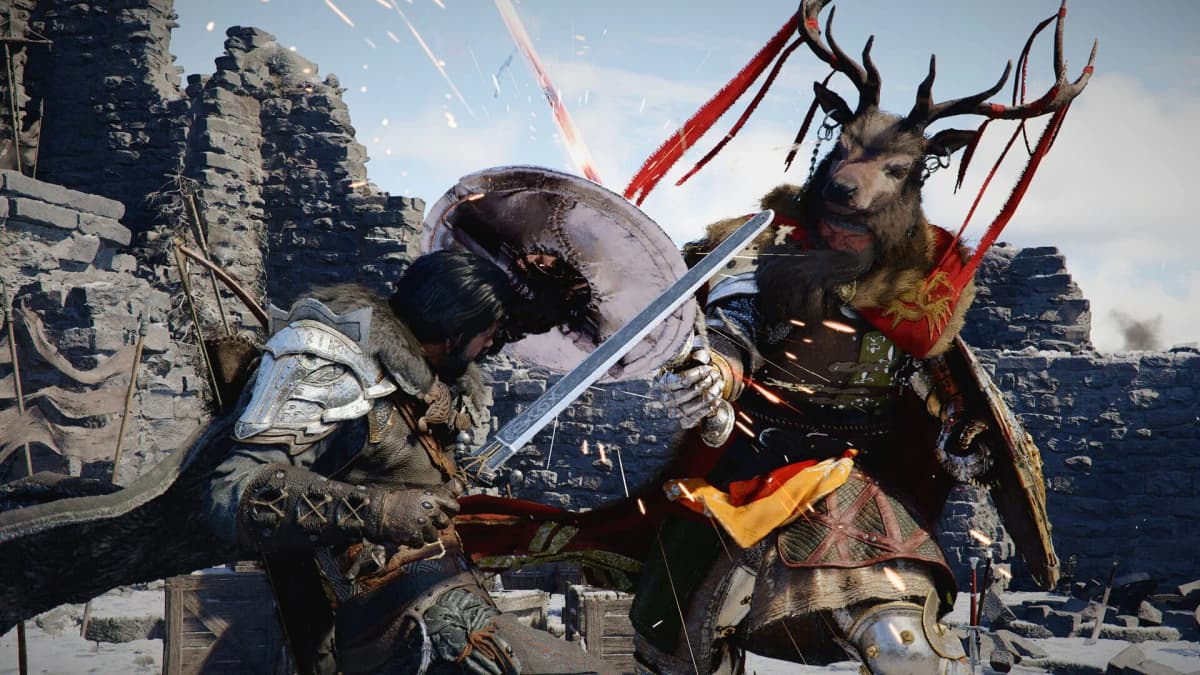
Controls, bosses, storage: things that shouldn’t need day-three surgery
Let’s be honest: most of what this “big patch” fixes are problems that should never have shipped.
Confusing control schemes on both pad and keyboard? That’s not mysterious emergent behaviour, that’s someone not doing enough usability testing. No proper storage in a loot-heavy open world? That’s Game Design 101. Boss fights tuned like they’re endgame raids, dropped into an early campaign? That’s the kind of thing players will absolutely maul you over on launch day, and they did.
The upside is clear: Pearl Abyss didn’t dig in or try to defend every decision as “intended”. They acknowledged players weren’t vibing with the controls, agreed some bosses were too punishing, and pushed out meaningful changes fast. That’s light-years better than the “we hear you” non-apologies we’ve seen around disastrous launches in the last few years.
The downside is equally clear: this is a pattern now. Big-budget RPG launches come in hot, get patched into their “real” form a few weeks later, and early adopters are effectively paying to be part of an extended beta. Crimson Desert is just doing it more transparently, and at higher speed, because Pearl Abyss’ Black Desert DNA is showing. They are used to reacting to player data on a weekly cadence.
If I had Pearl Abyss’ PR rep in front of me, the obvious question is: why weren’t these control and difficulty adjustments part of a day-one build that matched how you knew people actually played? Because once you ship and then start rewriting fundamentals, you’re no longer just “fixing bugs” – you’re changing the experience your marketing sold.
The AI art “mistake” is about pipelines, not posters
On top of the gameplay issues, Crimson Desert walked straight into 2026’s other favourite fight: AI in games.
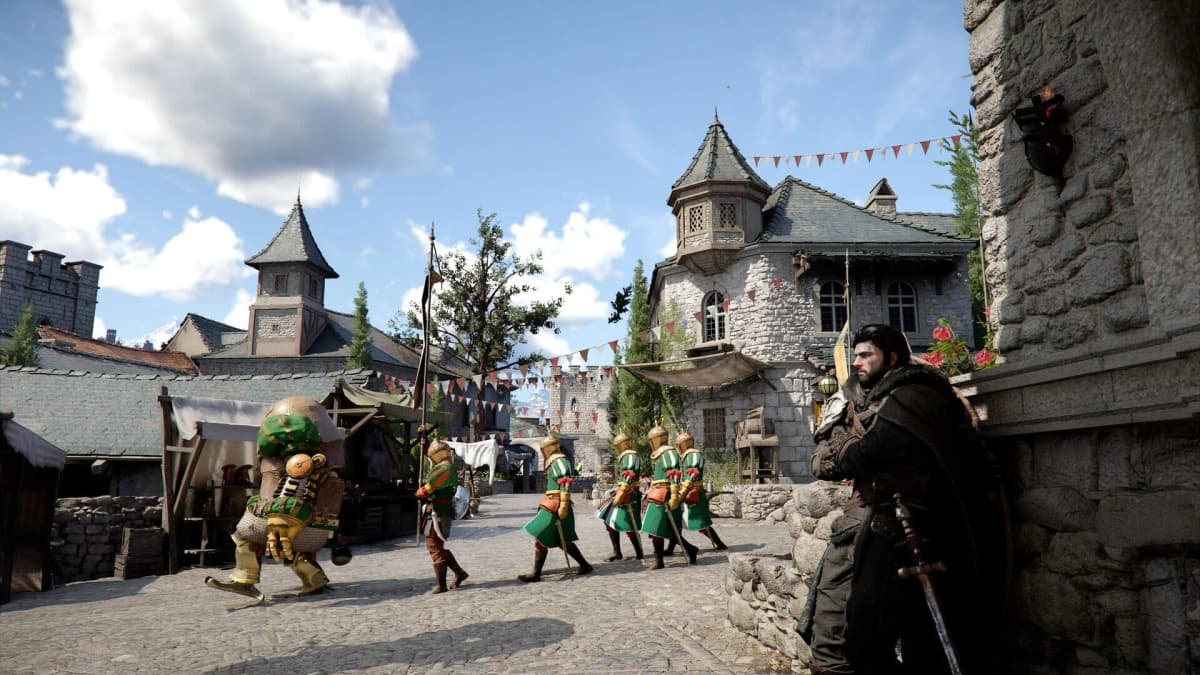
Players quickly spotted background illustrations – paintings, posters, signage – that had all the telltale AI artifacts. As JeuxVideo.com reports, Pearl Abyss didn’t stonewall. On March 22, the studio confirmed that yes, some 2D elements were created with “experimental AI generation tools” during early prototyping. The idea, they say, was to rapidly explore tone and atmosphere, with the intention of replacing those assets with proper, hand-crafted work later.
According to the studio, those placeholder AI assets were “inadvertently” left in the final build. They’ve promised a “comprehensive audit of all in-game assets” and say the AI-generated pieces will be replaced in upcoming updates.
The internet has heard this song before. GamesRadar+ points out the same excuse was used around Clair Obscur: Expedition 33 last year: it was just concepting, it wasn’t meant to ship, we’ll replace it. Maybe that’s true. But at some point, “we only used AI for concept art” stops sounding reassuring and starts sounding like a new normal.
Indie devs haven’t been subtle about how they feel. Tyler Glaiel, co-creator of Mewgenics, called concept art “one of the worst possible places you could use AI” because that’s where you want to be most creative – and, as he bluntly added, he doesn’t want “managers with minimal artistic talent being the ones in charge of the art.” David Szymanski, creator of Iron Lung, echoed the sentiment.
The real issue isn’t that a few background paintings in Crimson Desert were AI-assisted. It’s that those assets made it all the way through a modern AAA pipeline and onto the disc. Someone generated them, someone integrated them, someone signed off on the build. Replacing them after Reddit catches you is damage control, not a policy.
To Pearl Abyss’ credit, they owned it faster than most. But if they’re serious about this being a one-off, the audit needs to actually find things and remove them, not just calm the discourse for a week. That’s one of the next milestones to watch.
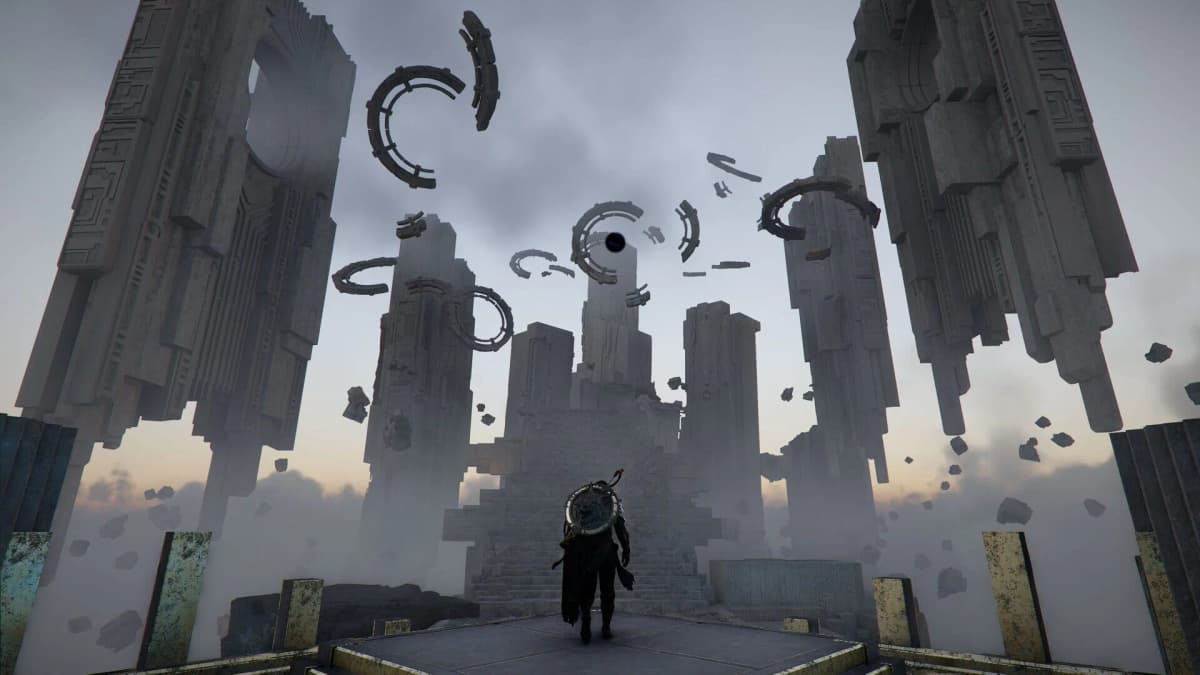
Players are warming up – but the design is still weird
The story so far looks like this: Crimson Desert launches over-ambitious and under-polished, review average on Steam tanks to “Mixed”, AI-assets discourse lights up, Pearl Abyss patches hard, ratings climb to “Very Positive”, sales hit 3 million in under a week.
Underneath that, though, a lot of criticism hasn’t gone away. Even the more positive reactions, like PC Gamer’s, still flag “obtuse” quest design and eccentric systems that are more charming if you like weird RPGs, less so if you came expecting a streamlined blockbuster. The studio, bizarrely, keeps insisting Crimson Desert is “not an RPG” even as players treat it exactly like one.
That’s the next phase of this story: we’ve seen Pearl Abyss can fix pain points fast. But will they touch the structural stuff? Quest readability, UI clarity, onboarding for its stranger mechanics – none of that gets solved by more generous food healing or extra fast travel nodes.
And there’s a thin line between “responsive to feedback” and “designing by Twitter.” If every loud complaint turns into a nerf within 72 hours, you don’t have a vision, you have a focus group. Pearl Abyss needs to prove it can keep its weirder ideas intact while still sanding off the genuinely bad friction.
What to watch next
- Next major patch notes – If we start seeing changes to quest structure, UI, or progression logic (not just numbers tweaks), that’s a sign Pearl Abyss is willing to rethink deeper design decisions.
- AI asset replacements – The studio has promised to audit and remove AI-generated 2D assets. When a patch explicitly calls that out – and players confirm it – we’ll know how serious that commitment was.
- Console stability at 120 Hz – The new high-refresh option on PS5 and Xbox is great on paper. If it comes with frame pacing issues or instability, expect another round of performance work.
- Steam review trend over April – If “Very Positive” holds or climbs as the novelty wears off, that means the patches aren’t just quick band-aids; people are actually sticking with the game.
- How “live” Crimson Desert becomes – If Pearl Abyss keeps dropping big, fast updates, we might be looking at a pseudo-live-service RPG in all but name.
TL;DR: Should you jump in now?
Crimson Desert launched like an overstuffed, under-sanded epic, but Pearl Abyss has already pushed out MMO-speed patches that overhaul controls, add storage, rebalance bosses, improve performance, and promise to remove AI-generated art that slipped into the final build. The result is a game that’s rapidly getting more playable and better reviewed, even as awkward quest design and the AI pipeline controversy hang over it. If you bounced off at launch, the latest patch is a good excuse to give it another shot; if you’re cautious, waiting for one or two more big updates – and concrete proof those AI assets are gone – is the smart play.
FinalBoss // Gear
Level up your setup
01Graphics cardson Amazon→02Gaming laptopson Amazon→03High-refresh gaming monitorson Amazon→04Discounted game keyson Kinguin→
Affiliate links · As an Amazon Associate, FinalBoss earns from qualifying purchases.
Want to Level Up Your Gaming?
Get access to exclusive strategies, hidden tips, and pro-level insights that we don't share publicly.
Ultimate Gaming Strategy Guide + Weekly Pro Tips