
Table of Contents (5)
Why Pearl Abyss’ surprisingly modest PC specs actually matter
This caught my attention because big open-world games usually demand cutting-edge GPUs or generous RAM. Instead, Pearl Abyss published official PC requirements for Crimson Desert that read like a handshake to mid-range and even older rigs: minimums include Windows 10, a Ryzen 5 2600X or Core i5‑8500, 16GB of RAM, a GTX 1060 or RX 6500 XT, DirectX 12-and critically-a 135GB SSD. The recommended list sits at Ryzen 5 5600 / i5‑11600K and an RX 6700 XT or RTX 2080. In short: you don’t need bleeding-edge silicon to get in the door, but you do need an SSD.
- Key takeaway: Pearl Abyss is aiming for accessibility over trophy-hunting performance targets.
- Practical win: decade-old GPUs like the GTX 1060 are still listed as minimum – helpful for lots of players on older builds.
- Real caveat: SSD is non-negotiable; open-world streaming will punish HDDs.
- Why now: the requirements landed ahead of release, giving buyers time to plan upgrades during ongoing component shortages.
Breaking down the specs — what you actually need
Pearl Abyss’ official minimums are straightforward: a six-core CPU from the Ryzen 2000 or Intel 8th-gen era, 16GB RAM, a DirectX 12-capable GPU roughly equivalent to a GTX 1060 or AMD’s RX 6500 XT, and about 135GB of SSD space. The recommended tier nudges you to a Ryzen 5 5600 or i5‑11600K and a GPU in the RTX 2080 / RX 6700 XT class if you want stable 60fps at higher settings.
What’s notable is the decision to keep RAM at 16GB across the board. That signals Pearl Abyss expects optimization to handle large open-world datasets without demanding 32GB as standard—good news for most players. The SSD requirement isn’t surprising for a modern open world, but it’s worth repeating: if your boot drive is still a spinning hard disk, you’ll see hitching and long streaming pauses.
Why this is a little surprising — and why to stay skeptical
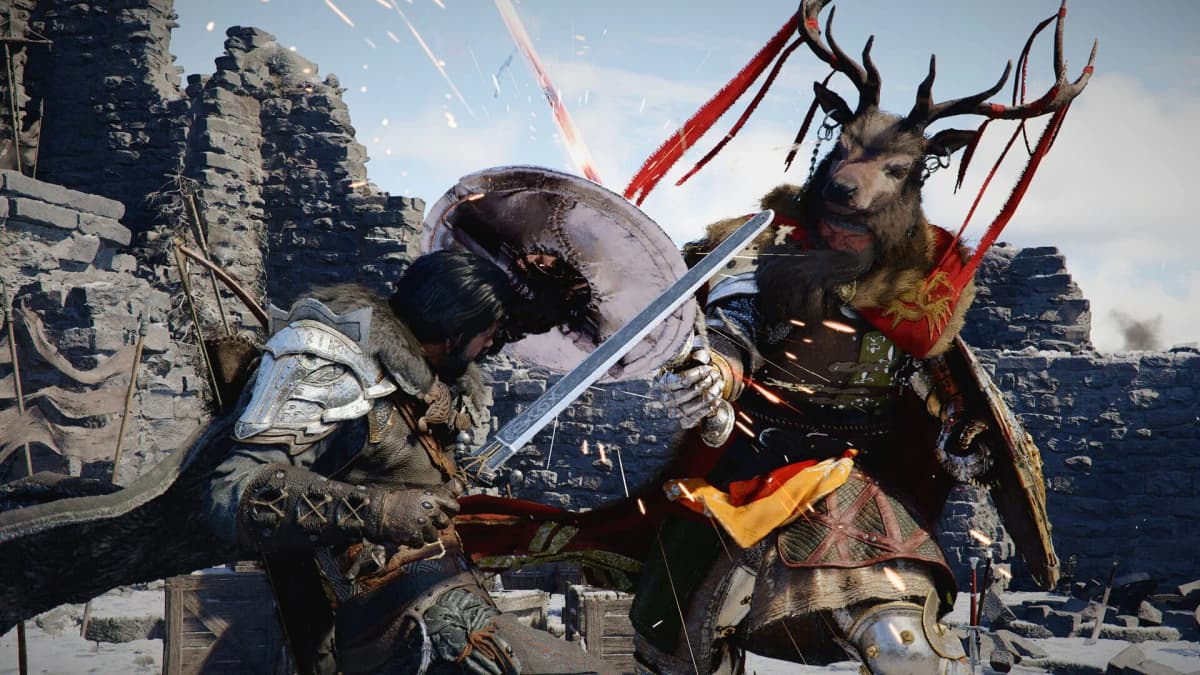
Open-world visuals, particle-heavy combat, and thousands of AI actors usually push studios to recommend upper-mid-range hardware to avoid poor experiences. So seeing a GTX 1060 on the minimum line is attention-grabbing—especially because that card is over a decade old. On the other hand, minimum specs often mean “playable” with compromises: expect lower shadow detail, fewer crowds, and scaled-down post-process effects to reach stable frame rates on older GPUs.
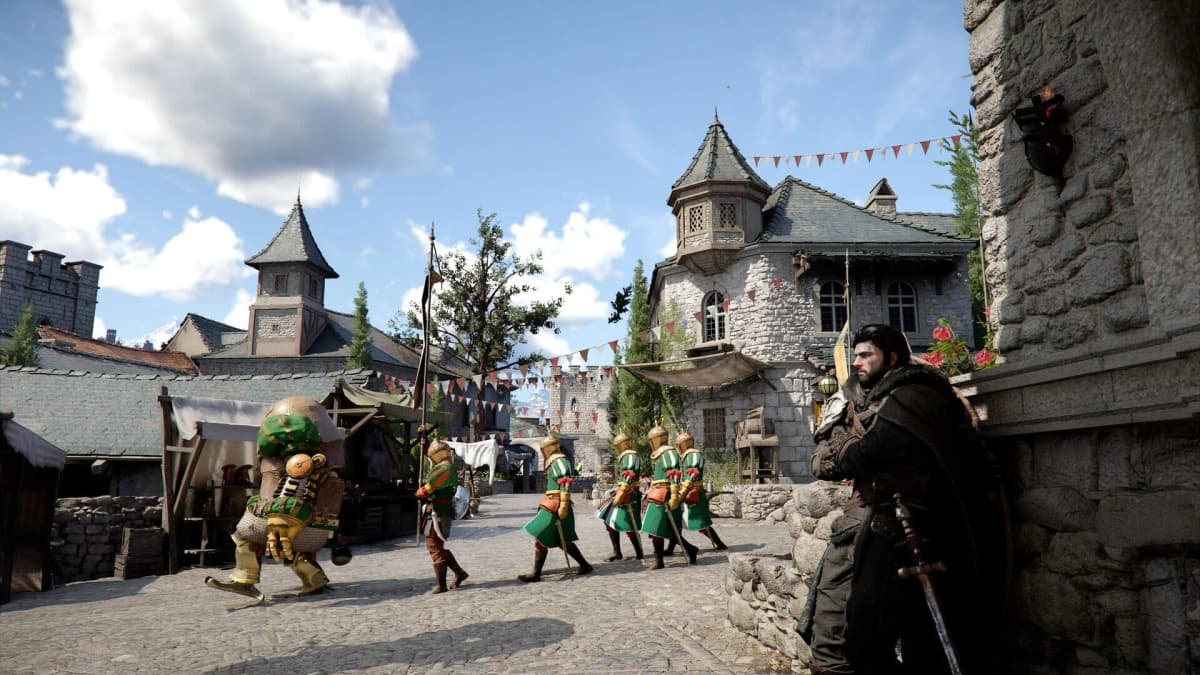
There’s also the usual release-time caveat: vendors sometimes publish conservative requirements to broaden market appeal, then tweak after player testing and day-one patches. Pearl Abyss dropping these requirements before launch gives players time to prepare, but also lets early adopters confirm real-world performance when the first benchmarks and user reports roll in.
What this means for PC builders and buyers
If you bought a mid-range PC between 2018 and 2022, you’re probably fine—Crimson Desert is clearly tuned for accessibility. If you’re still on older integrated graphics or a small-capacity HDD, you need to upgrade the storage at minimum. For buyers weighing upgrades during current component shortages: prioritize an NVMe SSD and 16GB RAM before chasing a newer GPU, because storage and memory will have outsized impact on stutter and load times.
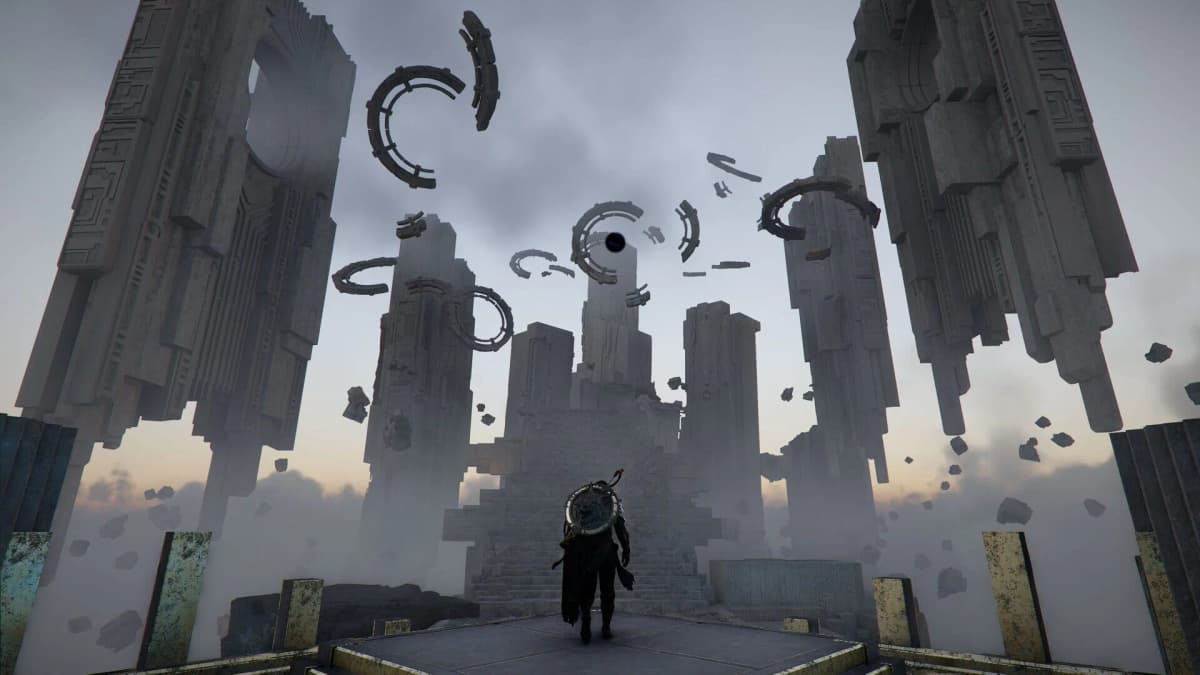
- Budget move: add a 1TB NVMe and keep an older GPU for now; you’ll reduce stutters more than a mild GPU bump would.
- Mid-range move: a Ryzen 5 5600 or used RTX 2080 / RX 6700 XT will land you 60fps at higher settings.
- High-end move: skip unless you want 4K/ultra—these specs are squarely aimed at 1080p/1440p experiences.
TL;DR — Should you worry?
No need to panic. Pearl Abyss’ requirements for Crimson Desert are refreshingly reachable: older mid-range GPUs like the GTX 1060 make the minimum cut, 16GB RAM is standard, and the SSD requirement is the real must-have. That combination means a lot more players can boot into Pywel without immediate, expensive upgrades—but expect to tune settings if you’re on ancient hardware. The early reveal is a practical gift: you’ve got time to prioritize an SSD or modest CPU/GPU upgrades before launch rather than getting caught off-guard on day one.
FinalBoss // Gear
Level up your setup
01Graphics cardson Amazon→02Gaming laptopson Amazon→03High-refresh gaming monitorson Amazon→04Discounted game keyson Kinguin→Affiliate links · As an Amazon Associate, FinalBoss earns from qualifying purchases.
Want to Level Up Your Gaming?
Get access to exclusive strategies, hidden tips, and pro-level insights that we don't share publicly.
Ultimate Gaming Strategy Guide + Weekly Pro Tips