
If you play Crimson Desert the way Pearl Abyss games have trained you to play – clear every camp, wipe every fort, hunt every marker – the game eventually hits you with a quiet kind of punishment: you run out of enemies. Not metaphorically. Literally.
Table of Contents (9)
Key takeaways
- Crimson Desert’s world is heavily persistent: most enemies and camps don’t respawn, and many quests aren’t repeatable, so late-game zones can turn into empty landscapes.
- Players with 100+ hours report a “peaceful” Pywel with almost no combat, making endgame gear, builds and alt characters feel pointless.
- This isn’t just a tuning issue – it’s a fundamental clash between a finite, story-first world and the “forever game” expectations Pearl Abyss cultivated with Black Desert.
- Fixing it will require Pearl Abyss to pick a lane: double down on a one-and-done RPG, or rebuild the endgame with respawns, repeatable content and new systems.
A persistent world with nothing left in it
The current wave of complaints started with something that sounds like a joke: players claiming they had killed everything in Crimson Desert and were now wandering a dead world. But under the memes is a real design problem.
Across Reddit and social channels, high-hour players — we’re talking 100+ hours, not speedrunners glitching past content — describe the same pattern. Clear the main story, clean up camps and side objectives, and Pywel slowly empties out. Bandit camps stay cleared. Many roaming enemies never return. Quests are one-and-done. Push hard enough, and the game’s sprawling map becomes a very pretty walking simulator.
Eurogamer’s Portuguese edition summed it up bluntly via one player quote: after eliminating almost every hostile on the map, they “have nothing to do.” A Spanish outlet framed veteran advice this way: “don’t be too aggressive if you don’t want a world that’s too peaceful.” That’s not exactly the power fantasy Pearl Abyss was selling.
This isn’t the usual “I finished all the quests, now what?” moan. Open-world RPGs almost always leave you with something to kill: respawning bandits in The Witcher 3, forts that repopulate in Assassin’s Creed, dungeons that reset or NG+ in Soulslikes. Crimson Desert goes harder on persistence than most of its peers, and the cost is becoming obvious at the high end.
Pearl Abyss overcorrected away from its MMO roots
To understand how we got here, you have to remember what Crimson Desert started as. This game began life as a Black Desert Online spin-off — at various points sold as an MMO, then “MMO-ish,” before Pearl Abyss pivoted hard to single-player action RPG after years of turbulent development.
In Black Desert, the studio’s live-service juggernaut, enemies are infinite. Spawns, rotations and grind spots are the entire endgame. In fact, that game has had its own long-running arguments about mob density and respawn rates in high-end zones. Pearl Abyss has already spent years tuning how fast things reappear for hardcore players.
Crimson Desert feels like the reaction to that. Instead of “mobs forever,” Pearl Abyss chased the prestige single-player ideal: a handcrafted, persistent world where your actions leave permanent scars. Clear a camp, and it stays cleared. Finish a quest, and that chapter is closed. Villages are freed, routes are safer, you can see the aftermath of what you’ve done.
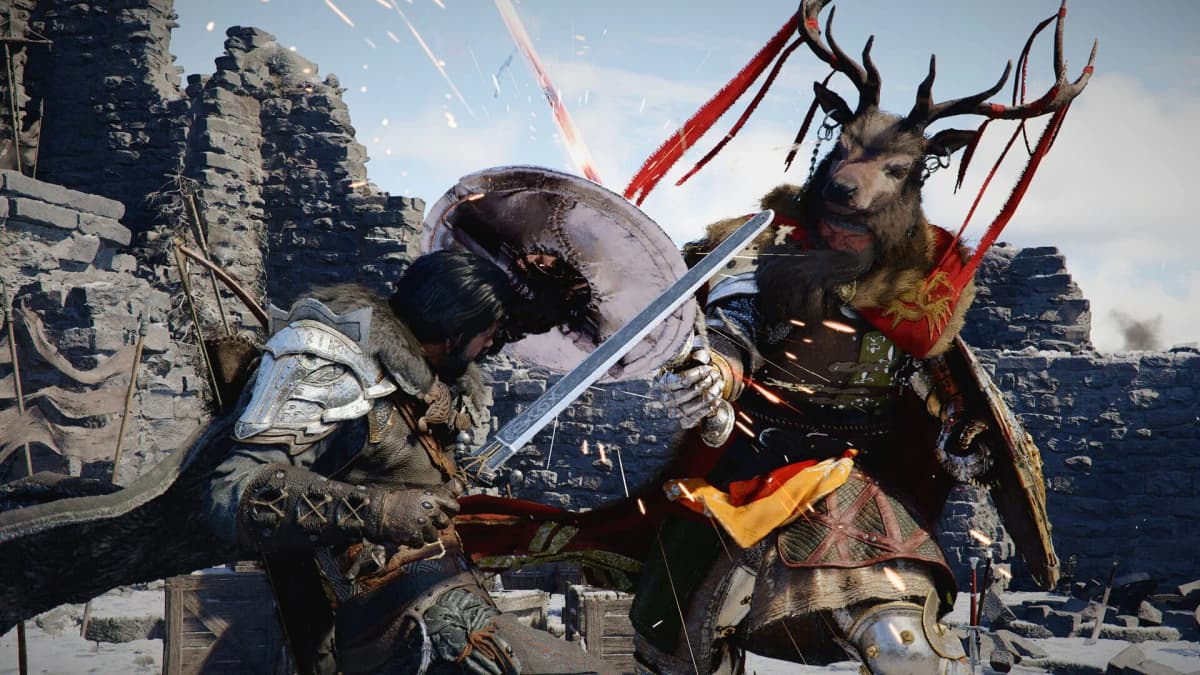
On paper, that’s a cool answer to the usual MMO grind. In practice, when you bolt it to an enormous map and give players overpowered toolkits, you end up with a problem: the most committed fans are the ones who burn the content to the ground first. The players currently complaining are not tourists — they’re exactly the audience that sticks with an action RPG long-term.
And this is where Pearl Abyss’s history cuts against it. The studio has built its reputation (and skepticism) on designing games to be engaged with for thousands of hours. Cosmetics, grindable gear, intricate combat systems — that stuff invites a certain mentality. You can’t sell that fantasy, then quietly ship a one-and-done world and expect people to put the brakes on themselves.
Endgame is where the design really breaks
Most players will never fully strip Pywel of enemies. For them, Crimson Desert is a long, dense campaign with more than enough combat. The problem is what happens once you cross that invisible line into “I’ve done almost everything.”
At that point, several things happen at once:
- Your endgame gear chase hits a wall. Why min-max weapons and armor when there’s nothing left that actually challenges you?
- Alternate characters become pointless. There’s no repeatable mission structure, no dungeon resets, no instanced zones. You’ve already emptied the toy box.
- The map itself stops supporting the fantasy. Fast travel into an area you remember as hostile, and it’s… quiet. Not “safer,” just dead.
Some players are now deliberately avoiding clearing camps or pushing the story, because community threads have warned them the game gets too peaceful if they play aggressively. That’s the most damning part: people are self-handicapping to preserve basic fun. Not for challenge runs. Just to keep enemies on the map.
From a design point of view, this is the worst of both worlds. You’ve committed to permanence strongly enough to empty the game for veterans, but not strongly enough to truly support a “the war is over, now you live in what you built” epilogue. There are no deep management systems, settlement sims, or radically different post-war mechanics. It’s just… less of the game you bought.
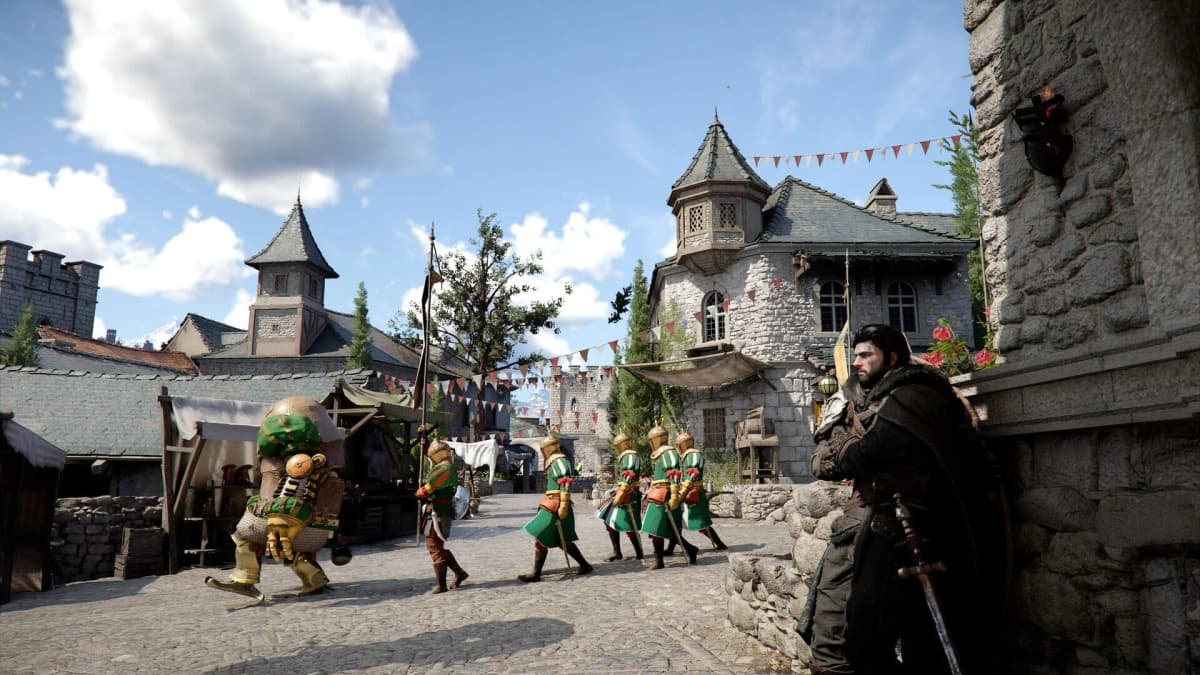
Hotfixes won’t solve a structural problem
Pearl Abyss has already started rolling out updates, including hotfix 1.02.00, which mostly tackles crashes, performance issues and some world glitches. So far, nothing publicly resembles a full rethink of respawn logic or endgame structure.
Could they quietly nudge more enemies back onto the map? Sure. They can bump spawn rates in the wild, add patrols on roads, even respawn certain camps under new factions. Those are table stakes if they want Pywel to stop feeling like a post-apocalyptic museum for the top 5% of players.
But the real issue goes deeper than timers. The game currently treats “you killed them” as the end of that story thread, full stop. If they start arbitrarily respawning the same camps you permanently liberated, they undercut their own narrative pitch of a world shaped by your actions. If they don’t, endgame remains a husk for anyone who sticks around.
That’s the bind: the more seriously Crimson Desert takes its one-shot, persistent world, the less it can behave like the kind of open-world action RPG people expect to live in for months. And Pearl Abyss, of all studios, knows that “months” is where the real money and community stickiness live.
Players are already designing better fixes than the game has
Browse the Reddit threads and you’ll see the same ideas pop up over and over, usually in more detail than most patch notes:
- Layered respawns. Story-critical camps stay cleared for good, but wilderness spawns, roaming bands and random ambushes regenerate on a timer, especially in late-game regions.
- Dynamic invasions. Factions move into “liberated” areas over time, with stronger enemies and new loot tables, preserving the feeling that the world responds to your actions without staying static.
- Repeatable contracts or bounties. A board system in major settlements that sends you back into old zones with new objectives, modifiers or elite variants.
- A separate roguelite or arena mode. Keep the main world mostly permanent, but bolt on a repeatable, combat-focused side mode where you can actually stress-test your builds.
- New Game Plus that isn’t just stat inflation. Bring your character and gear into a remixed world with different enemy layouts, harder encounters and altered quest chains.
None of this is magic. Other open-world games have already walked this tightrope: Far Cry repopulates outposts via new factions or escalation systems, Assassin’s Creed Odyssey and its successors lean on contracts and mercenary loops, Soulslikes give you NG+ as a clean reset button. Crimson Desert is sitting in a weird gap where it wants you to feel consequences, but also wants to be an open-world combat playground. Right now, it’s failing the second part for its most dedicated players.
The uncomfortable question for Pearl Abyss
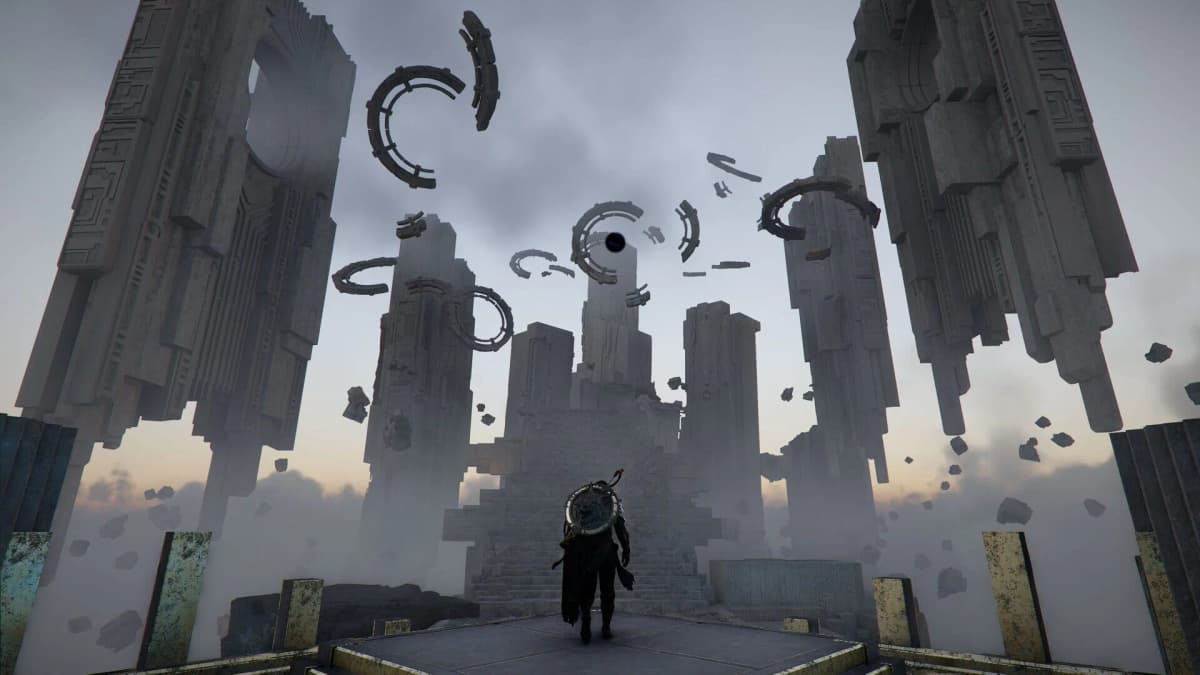
If I had one question for Pearl Abyss’s PR and design leads, it wouldn’t be “are you going to add more enemies?” That’s the easy part. It would be: what did you actually intend Crimson Desert to be six months after launch?
Because right now, there’s a mismatch between the game’s systems and the audience it attracted. The marketing and the studio’s reputation scream “massive, replayable combat sandbox you can live in.” The shipped design whispers “finite, curated world you’re meant to put down when you’re done.”
Both approaches are valid. Plenty of legendary RPGs are basically “one incredible 80-100 hour run and out.” But those games are clear about it, and they usually don’t come from studios whose entire business model was built on endless grind. Crimson Desert sits in the uncanny valley between “prestige single-player” and “forever game,” and the no-respawn endgame is where that indecision hurts the most.
Whatever Pearl Abyss does next will effectively declare what Crimson Desert is going to be remembered as. If future updates focus on performance, bug fixes and a bit of side content, that’s a quiet admission that this is a long-but-finite RPG. If they roll out systems-level changes to respawns, bounties and endgame loops, they’re conceding that the launch structure wasn’t enough.
What to watch next
There are three concrete signals worth watching over the next few months:
- Patch notes that mention respawns or endgame explicitly. The moment you see “adjusted enemy respawn behavior” or “added repeatable endgame content” in a major update, you’ll know Pearl Abyss has accepted this is a design problem, not just player impatience.
- Any talk of New Game Plus or separate modes. An NG+ announcement or a dedicated combat mode would be a clean way to give hardcore players something to chew on without completely rewriting the main world.
- How the studio frames player feedback. If official posts lean on “some players are rushing” or “we intended a more relaxed endgame,” expect minimal changes. If they acknowledge that late-game feels empty for veterans, real structural updates are more likely.
Crimson Desert isn’t the first open-world game to misjudge its endgame, and it won’t be the last. But when your most loyal players are telling newcomers “don’t play too well or you’ll break the game’s fun,” you either fix the system or accept that Pywel is a beautiful place most people will visit once and never come back to.
TL;DR
Hardcore Crimson Desert players are discovering that once you clear enough of the map, enemies and camps largely stop respawning and the world turns eerily empty. That design might make sense for a finite, story-first RPG, but it clashes with the long-term, combat-heavy experience Pearl Abyss’s audience expected. Watch the next few major updates; if they start rewriting respawn rules and adding repeatable content, that’s the sign the studio knows it shipped an endgame with nothing left to kill.
FinalBoss // Gear
Level up your setup
01Top-rated gaming headsetson Amazon→02High-refresh gaming monitorson Amazon→03Gaming chairson Amazon→04Discounted game keyson Kinguin→Affiliate links · As an Amazon Associate, FinalBoss earns from qualifying purchases.
Want to Level Up Your Gaming?
Get access to exclusive strategies, hidden tips, and pro-level insights that we don't share publicly.
Ultimate Gaming Strategy Guide + Weekly Pro Tips