
Crimson Desert didn’t bomb. It did something Wall Street hates even more: it landed in the messy middle – ambitious, flawed, and very likely profitable – instead of the industry-defining masterpiece some investors had already priced in.
Table of Contents (9)
Key takeaways
- PC reviews settled around a 78 Metacritic at embargo lift, praising the scale and systems while hammering the story, coherence, and controls.
- Pearl Abyss stock dropped roughly 29-30% after reviews hit, a brutal correction for a game with a reported €116M+ budget that’s still topping Steam charts.
- Everything around the launch – Twitch Drops, GeForce NOW day-one support, synchronized release, no early-access upsell — screams “long-tail sandbox,” not one-and-done blockbuster.
- The real test won’t be critic scores, but retention, patch cadence, and whether Pearl Abyss can turn this “solo MMO” into a platform instead of a one-off swing.
A 78 isn’t a disaster — unless you bet on a 90
On PC, Crimson Desert launched into the world with more than 80 critic reviews and an average score sitting at 78 on Metacritic when the embargo lifted on March 18-19. Eurogamer Portugal notes those reviews are all PC — Pearl Abyss didn’t send PS5 or Xbox Series X|S code to press ahead of time, so console performance (and scores) are still an unknown.
Critics are broadly aligned: it’s a technically wild open world packed with things to do, wrapped in a story and structure that can’t keep up. The high end includes outlets throwing out 8s and mid-80s, while harsher reviews dip into the 5-6/10 range and one notable 4.5/10, usually citing a flat narrative, forgettable cast, and clunky controls even after remapping.
Investors, meanwhile, clearly thought they were buying the next Elden Ring. According to Eurogamer PT, Pearl Abyss shares slid from roughly €27.14 to about €16 on the day the reviews hit — a ~29% plunge — almost entirely on the back of that 78. The reported budget north of €116M (roughly mid-$100M range) meant expectations were “game of the generation,” not “really big, slightly messy sandbox.”
Here’s the uncomfortable bit: a 78 for an expensive new IP in 2026 doesn’t automatically spell commercial failure. It means the story investors told themselves — GOTY contender, unstoppable scores, maybe a Korean GTA moment — just died on impact.
An overbuilt sandbox critics still want to play
Strip away the stock chart and the picture is more nuanced. Across reviews, you see the same compliments repeat: Crimson Desert is visually stunning, with varied biomes, chunky physics, and a world that constantly throws new activities at you. NVIDIA’s own GeForce NOW blog leans into this, calling it a “stunning, open-world action adventure” and bragging that it arrives in the cloud with “GeForce RTX 5080-class power.” It reportedly passed 3 million wishlists on Steam before launch.
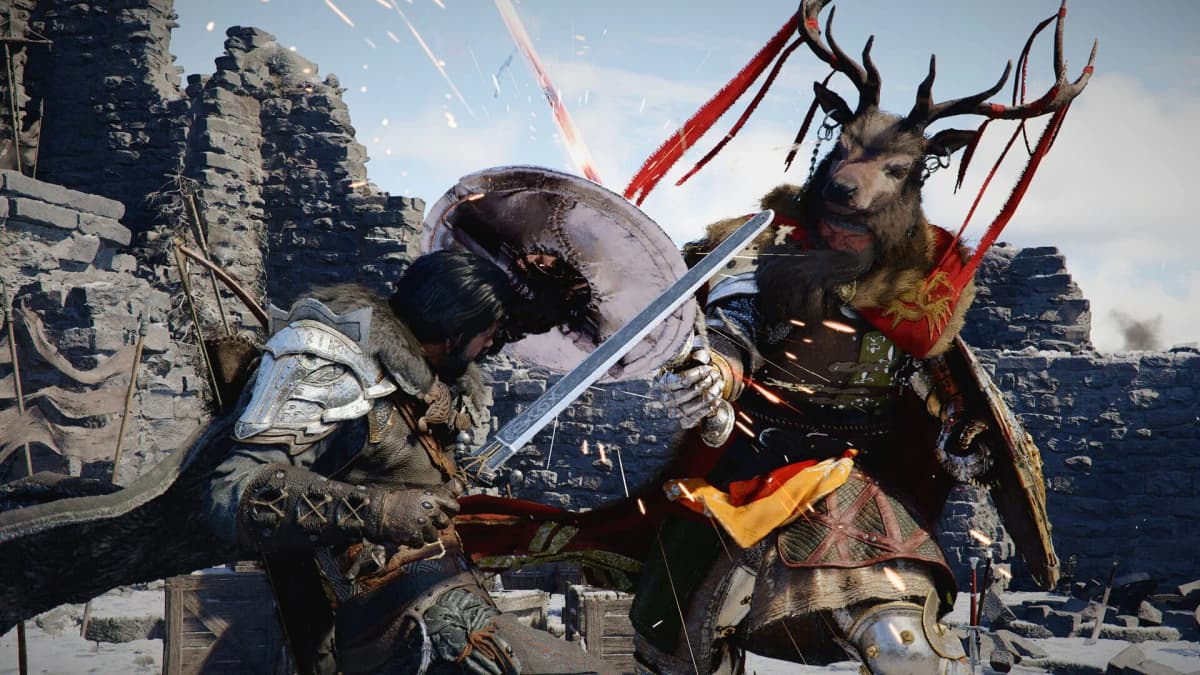
Playtime estimates are just as telling. Multiple critics talk about 150–200 hours for completionists, describing it as a “solo MMO” — a single-player game built with MMO DNA: endless side content, systems layered on systems, and a map that’s more buffet than main course. That scale is part of the appeal, but it’s also where the criticism hits hardest. Many reviews say the sheer amount of stuff dilutes narrative focus and pacing, and that the game’s best moments are when you ignore the plot and just mess around in Pywel.
The biggest red flag isn’t performance — PC coverage is surprisingly light on technical horror stories — it’s feel. Over and over, players and critics call out controls that never quite click, odd input latency on certain actions, and combat that looks better in trailers than it feels after 20 hours. For a game that lives or dies on moment-to-moment action, that’s exactly the kind of problem you can patch… if you choose to make it priority one.
The launch strategy screams “live platform,” not one-weekend hype
While the market is acting like the book has already closed, Pearl Abyss is clearly planning for a long tail.
The launch strategy screams “live platform,” not one-weekend hype
While the market is acting like the book has already closed, Pearl Abyss is clearly planning for a long tail.
🎮 Get This Game at the Best Price
Compare prices instantly and save up to 80% on Steam keys with Kinguin — trusted by 15+ million gamers worldwide.
*Affiliate link — supports our independent coverage at no extra cost to you
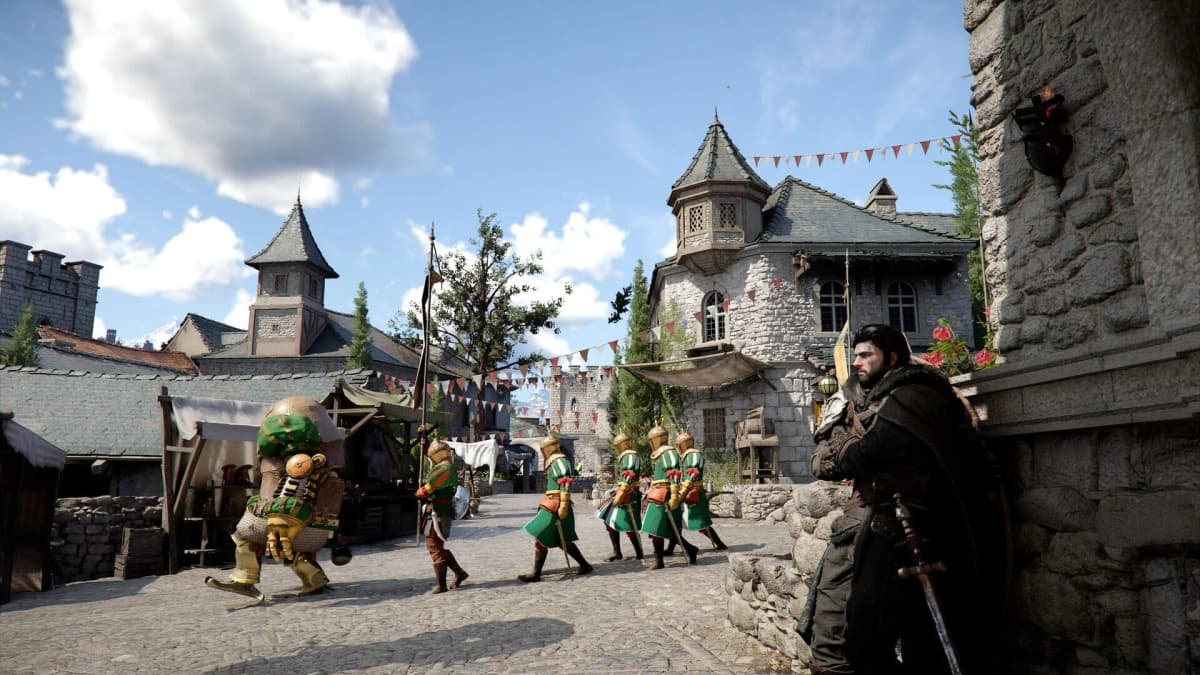
WePC highlights the global, synchronized launch on March 19: PC, PS5, and Xbox Series X|S all unlock at the same time, no staggered regions, and — notably — no paid early-access tier. Just Standard and Deluxe editions (around £54.99 and £64.99 in the UK) and everyone in on day one. In an era where most AAA games squeeze 3–5 days of “Deluxe early access” out of fans, that’s a deliberate choice to avoid splitting the playerbase.
Then there’s the surrounding ecosystem. NVIDIA put Crimson Desert front and center in its latest GeForce NOW update, putting the game in the cloud at launch with RTX 5080-class streaming. At the same time, GeForce NOW is rolling out 90fps support for VR headsets like Apple Vision Pro, Quest, and Pico — not because Crimson Desert is a VR game, but because “virtual big screen” cloud play is becoming another way to access massive PC titles without owning a high-end rig.
On the engagement side, VidaExtra details two weeks of Crimson Desert Twitch Drops running March 19 to April 1. Watch approved streams long enough and you unlock an explorer’s blue shield, then a full set of blue horse gear (stirrups, chest protection, saddle) across two weekly reward tracks. You don’t even need to own the game yet; you just bank the loot for later, across all platforms if your accounts are linked.
This is not how you market a disposable single-player title. This is how you seed a world you expect people to live in for months while you patch, tweak, and expand.
The real question I’d ask Pearl Abyss
If I had one question for the PR team, it wouldn’t be about the Metacritic average or the stock. It would be: Do you treat Crimson Desert as “shipped,” or as an early version of the game you actually want it to be?
Because all the signals are there: strong preorder interest (Eurogamer PT notes it leading Steam sales and charting near the top on PS5), a huge world that people genuinely enjoy exploring, and a critical consensus that says “we like being here, but parts of this design are fighting us.” In industry terms, that’s fertile ground for a turnaround story — but only if Pearl Abyss is willing to make big, possibly uncomfortable changes to controls, UI, and pacing instead of just hammering out bugs and tweaking numbers.
Investors bet on a flawless blockbuster and got a “very good, occasionally brilliant, sometimes clumsy” open world instead. Players might be fine with that trade — especially if the studio uses the next six to twelve months wisely.
What to watch next
- First-month sales and CCU: Steam concurrent player peaks, console chart positions, and whether it holds its top-seller spots past launch week.
- Patch notes, not promises: Look for early updates that directly tackle control responsiveness, combat feel, and quest flow — not just “stability improvements.”
- User scores and word of mouth: If Steam reviews trend “Very Positive” and console performance holds up, the market overreaction is going to look very silly, very fast.
- Pearl Abyss communication: A clear post-launch roadmap and honest acknowledgement of criticism would signal they see Crimson Desert as a platform, not a sunk cost.
TL;DR
Crimson Desert launched with a 78 Metacritic on PC: a huge, technically impressive open world that stumbles on story, coherence, and controls. Investors, who clearly priced in a 90+ “GOTY or bust” scenario for a reported €116M+ project, nuked Pearl Abyss stock by nearly 30% on review day. The real story now is whether strong sales, aggressive post-launch fixes, and a long-tail live-ops strategy can turn this “solo MMO” into the hit its player interest — and not its Metacritic average — suggests it can be.
FinalBoss // Gear
Level up your setup
01Top-rated gaming headsetson Amazon→02High-refresh gaming monitorson Amazon→03Gaming chairson Amazon→04Discounted game keyson Kinguin→
Affiliate links · As an Amazon Associate, FinalBoss earns from qualifying purchases.
Want to Level Up Your Gaming?
Get access to exclusive strategies, hidden tips, and pro-level insights that we don't share publicly.
Ultimate Gaming Strategy Guide + Weekly Pro Tips