
Crimson Desert finally got the kind of postgame patch it probably should have shipped with. Patch 1.05 adds two systems that go straight at the game’s biggest late-game problem: once you had cleared enough of Pywel, too much of it stopped pushing back. Now players can rematch 69 previously defeated bosses and trigger hostile takeovers of liberated strongholds through a new Re-blockade system. That is the headline. The real story is that Pearl Abyss is no longer pretending the endgame “quiet” was a feature.
The update went live on May 2 and, on paper, it is exactly what lapsed endgame players wanted: more reasons to use completed builds, more repeatable combat, and fewer dead zones after major progression milestones. It also comes with a pile of quality-of-life fixes, some combat and UI cleanup, and a couple of new legendary pets. Nice extras, sure. But the patch lives or dies on Rematch and Re-blockade, because those systems are doing the heavy lifting for the game’s long-term replay value.
Table of Contents (4)
This patch is less “new content” and more damage control for a solved world
Rematch is the cleaner win here. Players can revisit defeated bosses by lighting a lantern at encounter sites and reading Memory Fragments, which unlocks refights against 69 bosses. Pearl Abyss also avoided the obvious mistake of making this a one-size-fits-all nostalgia button. There are two modes: Reminisce, which recreates the original difficulty and character state of the encounter, and Resonate, which scales the fight to your current progression.
That distinction matters more than it sounds. Reminisce is there for players who want to re-experience a boss as it was designed, not as a stat-check victim. Resonate is for everyone who spent dozens of hours improving gear, builds, and muscle memory and would like the game to acknowledge that effort. Too many action RPGs and open-world combat games add a replay mode that immediately collapses because old bosses melt in 20 seconds. Pearl Abyss at least seems aware of that trap.
The more revealing addition is Re-blockade. Patch 1.05 allows up to 23 previously liberated forts and quarries to be retaken by 13 hostile factions, with the system able to trigger after loading events like teleporting, saving and reloading, or sleeping. In plain English: the game is putting enemies back into spaces that players had effectively emptied out for good.
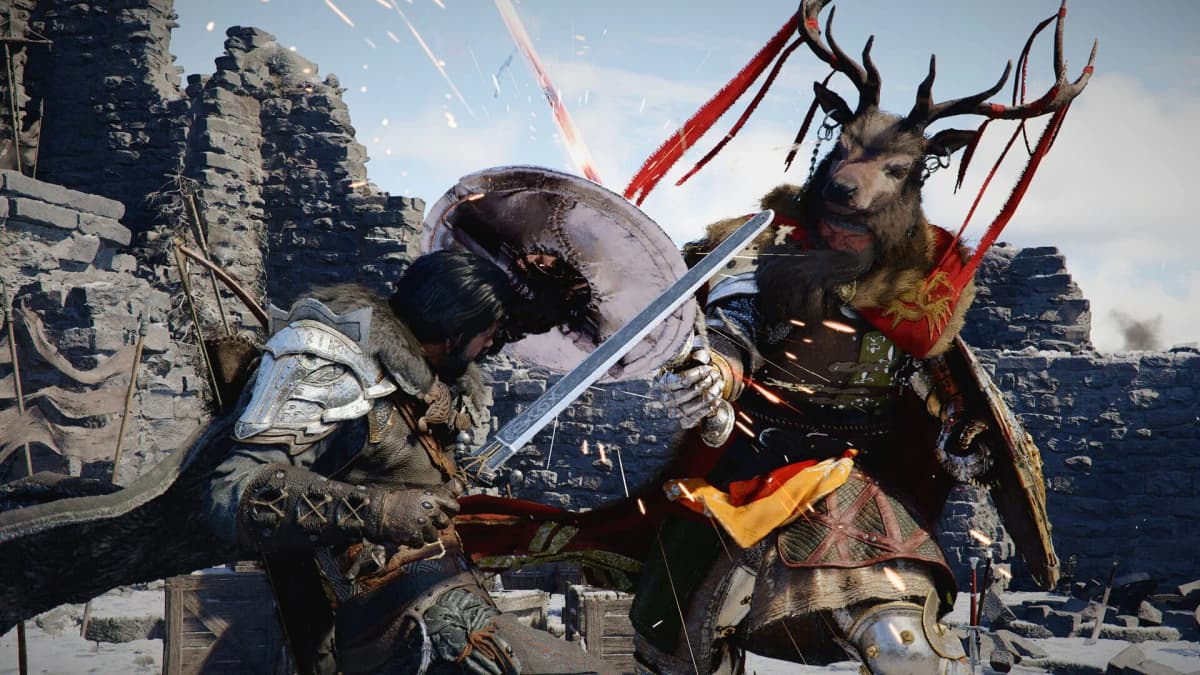
That is not just a feature. It is an admission. Open-world games love to sell permanent conquest as progression, but there is always a cost: if every outpost stays cleared forever, the map slowly stops being a game space and starts becoming real estate you already processed. Ubisoft has wrestled with that for years. So have live-service RPGs that confuse “completed” with “engaging.” Crimson Desert hit the same wall. Pearl Abyss is now rebuilding friction after the fact.
The good news: Pearl Abyss picked practical solutions, not fake busywork
There is a version of this patch that would have been much worse. Boss rematches could have been buried in some currency grind. Re-blockades could have been hard-timed seasonal chores. Instead, the studio went with systems that are pretty legible. You beat bosses, then you can revisit them through Memory Fragments. You clear territory, and the world has a chance to become hostile again later. That is far less obnoxious than most modern retention design.
Reports around the update also point to adjustable Re-blockade settings, which is the right call if accurate. If players can tune how often the world repopulates, that gives Pearl Abyss room to serve two very different audiences: people who want a calmer completionist sandbox, and people who would rather not ride through a liberated wasteland wondering where the combat went.
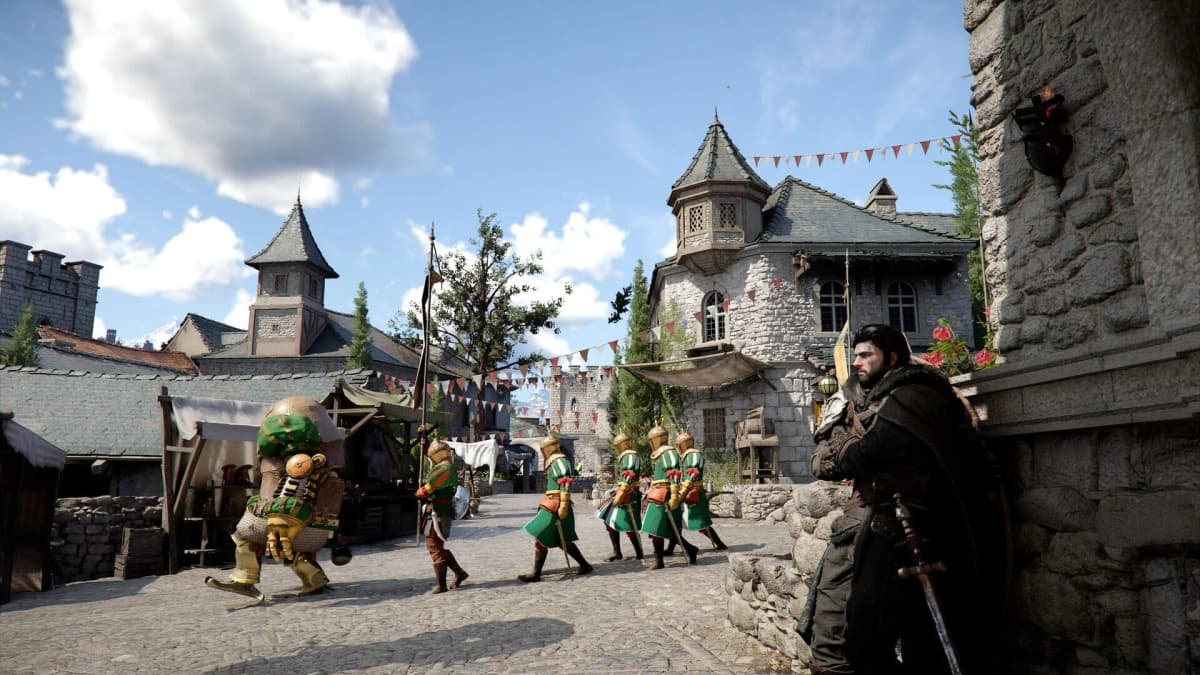
There are also smaller additions around the edges, including new legendary pets like Iron Eagle and Mountain God Boar, plus other exploration, shop, interface, and performance tweaks. Useful? Sure. Transformative? Not really. They are garnish around the meal.
The catch is obvious: repeatable doesn’t automatically mean rewarding
The question Pearl Abyss still needs to answer is the uncomfortable one: what exactly is the long-term incentive loop here? A boss rematch mode is great for testing builds, chasing mastery, or revisiting standout encounters. But if those fights do not have a meaningful reward structure, a lot of players will treat them like a novelty tour and move on.
That is the part PR blurbs tend to glide past. “You can fight 69 bosses again” sounds substantial, and mechanically it is. But players who are already in the endgame are not just asking for more buttons to press. They want reasons to care after the first few rematches. Cosmetic unlocks, ranking hooks, build-specific rewards, rotating modifiers, or some kind of progression layer would all change the equation. Without that, Rematch risks becoming a very polished museum mode.
Re-blockade has a similar risk. It fixes the empty-world problem, but it also walks a fine line between making the world feel alive and making player progress feel temporary. If strongholds are constantly flipping back too aggressively, the system could start feeling like housekeeping. If it triggers too rarely, the postgame drift returns. This is one of those features that will be judged less by its patch-note description than by its actual rhythm after 10 or 20 hours.
What I’d watch next is whether Pearl Abyss turns this into a real endgame layer
The next meaningful signal is not another feel-good patch note about pets or UI cleanup. It is whether Pearl Abyss follows this with deeper reward tuning and broader Re-blockade expansion. The studio has reportedly framed the current rollout as an initial one, which matters. If more regions, stronger faction behaviors, or better rematch incentives arrive quickly, Patch 1.05 will look like the start of a proper endgame rebuild.
If not, then this update will still count as a smart correction, just not a complete one. Right now, Patch 1.05 makes Crimson Desert more replayable in the most direct way possible: it puts bosses back on the menu and puts enemies back in the world. That is good design triage. It is also a reminder that when players say an open world feels empty after completion, they usually are not asking for bigger maps or more collectibles. They are asking for the world to keep fighting back.
FinalBoss // Gear
Level up your setup
01Top-rated gaming headsetson Amazon→02High-refresh gaming monitorson Amazon→03Gaming chairson Amazon→04Discounted game keyson Kinguin→Affiliate links · As an Amazon Associate, FinalBoss earns from qualifying purchases.
Want to Level Up Your Gaming?
Get access to exclusive strategies, hidden tips, and pro-level insights that we don't share publicly.
Ultimate Gaming Strategy Guide + Weekly Pro Tips