
Crimson Desert just got a harsher, more coherent survival layer – not from Pearl Abyss, but from a modder who turned a disabled internal system back on.
Under the name “Cut Content Restored Food Risk System”, modder claramercury has reactivated a fully built “food consequence” framework that Pearl Abyss shipped in the files and never enabled. The result: food stops being a zero-risk power tap and becomes a genuine survival mechanic, with over 50 hidden skills, meaningful risk/reward, and cooldowns that heavily nerf the game’s infamous food spam meta.
Table of Contents (7)
Key takeaways
- A NexusMods project re-enables a dormant food consequence system in Crimson Desert, using only data Pearl Abyss left in the shipped game.
- The system adds 50 food-related skills across 15 categories, mixing strong buffs with real debuffs like poisoning, drunkenness, and other status effects.
- Presets from “Adventure” to “Iron Stomach” let players decide how punishing the survival layer is, while cooldowns directly target food spam.
- This is less “fun mod” and more an X-ray of Crimson Desert’s design: a fully implemented system cut late in development that modders are now choosing to restore.
A complete system Pearl Abyss shipped, then buried
According to the mod’s description and coverage from multiple outlets, everything this mod uses already existed in Crimson Desert’s binaries. No new assets, no bespoke scripting layer – just flags, data tables, and logic hooks that Pearl Abyss never activated.
Binary analysis of the files surfaced:
- 50 distinct “food skills”, grouped into around 15 categories.
- Buffs that cover temperature resistance, elemental resistances, combat boosts, health and stamina bonuses, and high-tier immunities intended for late-game zones.
- Mirrored negative states: food poisoning, drunkenness, “thinshots,” and other debuffs that can stack if you push your luck.
In other words, this is not a prototype. It’s a designed system with data, scaling, and categories that look ready for play. Pearl Abyss clearly invested in a model where food was a double-edged tool: you eat for warmth, resistance, and power, but every strong meal is also a dice roll against status ailments.
Instead, the launch version of Crimson Desert shipped with cooking that is almost pure upside. As long-form impressions like TheLazyPeon’s 130+ hour breakdown have already pointed out, stacking food is one of the easiest ways to trivialize the game’s combat and difficulty. The newly restored system changes that dynamic completely.
From power-fantasy buffet to survival economy
The mod’s name is slightly dry; its impact isn’t. Once installed, food stops being an always-on buff carousel and turns into a risk-managed resource economy.

The core behavior looks like this:
- Weak, basic foods stay safe. Low-tier meals are your “bread and water” layer: reliable, minimal-risk sustenance with modest benefits.
- High-tier food carries real danger. The more potent the dish, the more it can swing either way – big resistances or stat spikes on success, but a fair chance of poisoning, drunkenness, or other debuffs on failure.
- Effects and penalties can stack. Players leaning on back-to-back high-end meals can find themselves juggling multiple simultaneous conditions.
- Cooldowns are enforced. Food use is throttled so you can’t just chug your way through encounters, directly undercutting the “heal-tank via the pantry” strategy.
To keep this from being a binary “love or hate hardcore survival” switch, the mod ships with several presets:
- Adventure: A lighter configuration where only max-effect food carries a moderate risk. This retains a sense of danger without turning every snack into a gamble.
- Survival-style setups: Mid-ground profiles that increase the chance and severity of negative effects for more impactful decision-making.
- Iron Stomach (also referenced as “Iron Gut” in some coverage): The harshest variant, where every meal can trigger multiple debuffs. This is the closest Crimson Desert gets to a survival sim.
The important point is not just “more difficulty.” It’s pacing. When food can hurt you, you plan routes differently, think twice before chain-pulling enemies, and treat cooking as a strategic layer rather than a background buff station. The mod nudges Crimson Desert away from pure power fantasy and toward something closer to a survival-tinged action RPG.
What this reveals about Crimson Desert’s design process
For anyone who has spent a lot of hours with Crimson Desert, this mod doesn’t just add mechanics — it explains some of the game’s weird gaps.
Criticism so far has landed on a consistent theme: an impressive world and combat spectacle wrapped around inconsistent systems. Progression is opaque, UI is cluttered, and there are hints of deeper mechanics that never quite matter. Food was one of the more obvious culprits: an elaborate crafting and ingredient system feeding into what is, in practice, a low-friction buff hose.
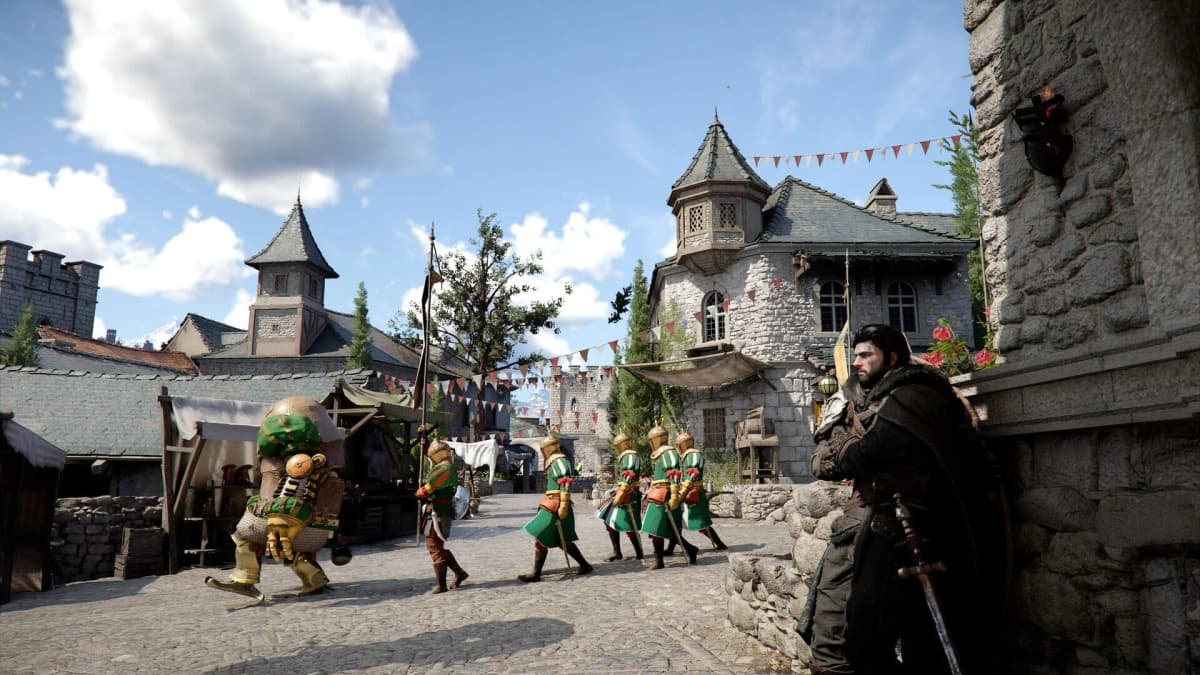
The existence of a “fully-designed food consequence system” under the hood reframes that. It suggests Pearl Abyss originally intended cooking to be a meaningful survival layer, then backed away late enough that they didn’t pull out the data — they simply disabled it.
There are several plausible reasons for that kind of last-minute retreat:
- Friction concerns. Survival mechanics are polarizing. Pushing them too hard risks losing players who just want a cinematic action RPG, not status-micromanagement between cutscenes.
- Clarity and UI debt. Communicating 50 overlapping food skills and debuffs cleanly is a UI and tutorial problem, and Crimson Desert’s interface is already overloaded.
- Difficulty tuning. Once you tie combat power, resistances, and immunities to volatile food states, the balance of every boss, zone, and encounter becomes more complex.
Still, the picture you get is of a team that built more game than they were willing to ship. Crimson Desert already feels like a design chimera; this hidden system confirms that there were even more teeth just under the skin.
If I had one question for Pearl Abyss’ systems team, it would be straightforward: what was the specific moment or metric that convinced you to deactivate this system? Was it playtest feedback, time constraints on UI/tutorial polish, or a strategic call to keep Crimson Desert away from the “survival” label for marketing reasons?
Modders are quietly becoming co-designers
This isn’t the first time a PC mod has restored cut content in a big-budget game, but the pattern is evolving. In older RPGs, cut assets tended to be half-finished questlines, unused weapons, or orphaned dialogue. In Crimson Desert, we’re looking at an entire balancing framework that rewires how players engage with core resources.
That has a few notable implications:
- Design intent is no longer binary. Players can choose between the official “food as free power” tuning and a community-restored version that likely sits closer to an earlier internal vision.
- Cut systems don’t really disappear on PC. If the data ships, someone will eventually surface it. That reality should factor into how studios think about “soft” cuts versus hard removals.
- Balance authority is fragmenting. For anyone playing Crimson Desert on PC with this mod, Pearl Abyss is no longer the final arbiter of how dangerous food, healing, and resistances should be.
There’s also a less romantic angle: this mod spotlights how overbuilt and under-edited some large games have become. When one person with time and a hex editor can flip a switch and materially improve gameplay coherence, it suggests the real bottleneck is not creativity or resources, but decision-making discipline.
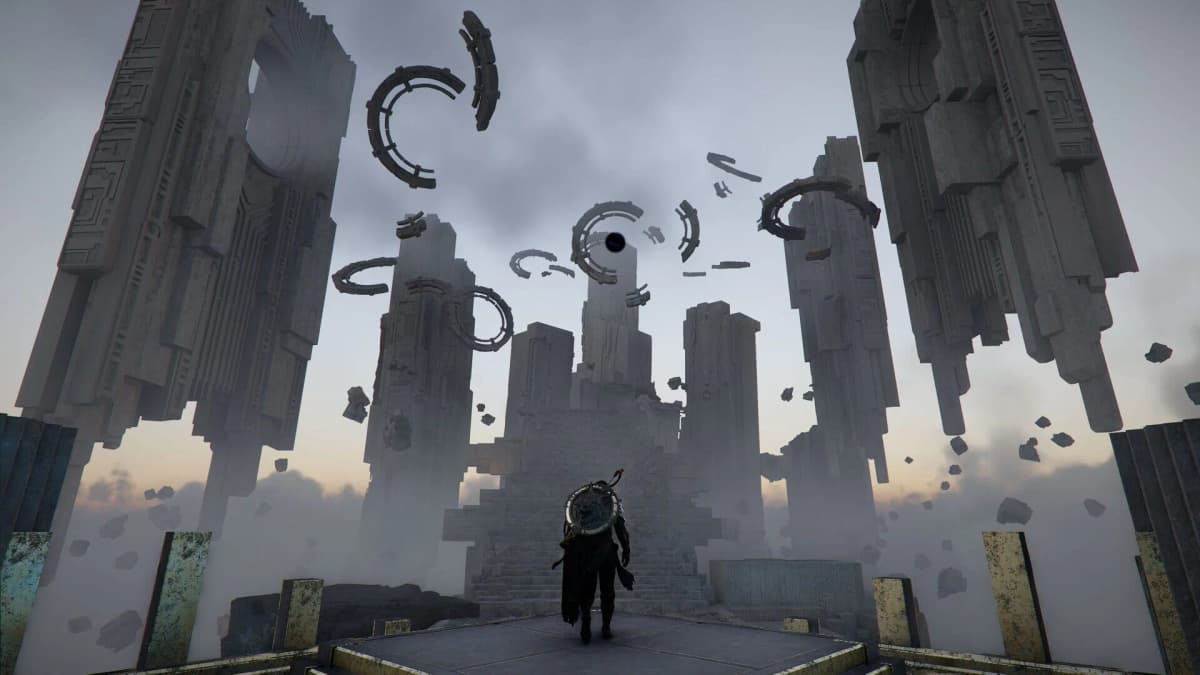
Crimson Desert now effectively has two design lines running in parallel: the shipped version, where cooking is a comfort mechanic, and the restored one, where it’s a calculated risk. The fact that both feel plausible highlights just how undecided the underlying game has been about what, exactly, it wants to be.
What to watch next
The interesting part now is not whether this mod exists, but how Pearl Abyss and the broader community respond to it.
- Official patches. If a future update quietly alters or removes the dormant food data this mod relies on, that will be an explicit statement about how much autonomy Pearl Abyss is willing to cede to PC balance mods.
- Adoption and mod stacking. As other modders build on top of this system — tweaking debuff severity, adding UI clarity, or integrating it with difficulty overhauls — we’ll effectively see a community-defined “hard mode” fork emerge.
- Future design decisions. Any eventual balance pass or survival-style mode from Pearl Abyss will be read against this discovery. Once players know a deeper system was already built, lighter tweaks will be harder to sell as meaningful change.
For now, the most important takeaway is simple: Crimson Desert shipped with a sophisticated, survival-flavored food framework that the developers didn’t trust enough to turn on. A single NexusMods upload has now put that system into circulation — and made the studio’s design hesitations visible in the process.
TL;DR
A NexusMods project by claramercury reactivates Crimson Desert’s hidden “food consequence” system, unlocking 50 food skills across 15 categories with buffs and meaningful debuffs. That change effectively turns cooking into a survival mechanic, limiting food spam and forcing real risk/reward decisions about what you eat and when. More than a fun tweak, it exposes how much fully built design Pearl Abyss left dormant — and how far modders are now willing to go to decide what version of a AAA game actually gets played.
FinalBoss // Gear
Level up your setup
01Top-rated gaming headsetson Amazon→02High-refresh gaming monitorson Amazon→03Gaming chairson Amazon→04Discounted game keyson Kinguin→Affiliate links · As an Amazon Associate, FinalBoss earns from qualifying purchases.
Want to Level Up Your Gaming?
Get access to exclusive strategies, hidden tips, and pro-level insights that we don't share publicly.
Ultimate Gaming Strategy Guide + Weekly Pro Tips