
CrisisX at Gamescom: Can Hero Games’ Massive Survival Sandbox Live Up to the Hype?
Game intel
CrisisX
Immerse yourself into a realistic open world experience and find your way out in the ruins of a dying world. Survive the threats from the Infected, the living…
Why CrisisX at Gamescom Actually Caught My Eye
When I first heard CrisisX described as a “cross-platform survival crafting action game” promising a 1,200 km² open world and 5,000 concurrent players per server, I’ll be real: my first reaction wasn’t “Wow!” but, “Okay, what’s the catch?” The survival sandbox genre is already overflowing, and bold claims about scale rarely translate cleanly to the games we actually get to play. But Hero Games, fresh off the jaw-dropping success of Black Myth: Wukong, isn’t a nobody-and that’s exactly why CrisisX demands attention ahead of its Gamescom showing.
- Promise of 5,000-player servers in a world 10x bigger than Rust or DayZ
- Cross-platform support from the jump (PC and mobile, not just PC ported later)
- Publisher pedigree: Hero Games has genuine hits under its belt
- Visions of roaming mutant Titans, armored vehicles, and actual guild territory wars
Key Takeaways: Big Ambitions, Bigger Questions
- CrisisX could move the needle in survival MMOs-but execution is everything
- The jump to 5,000 simultaneous players isn’t just hype, it’s a technical mountain
- With gameplay promising both large-scale chaos and cozy crafting, where will it really find its groove?
- Hero Games’ track record gives hope, but mobile-first ambitions are a double-edged sword
The Real Story: Survival Crafting Needs Fresh Ideas-Does CrisisX Deliver?
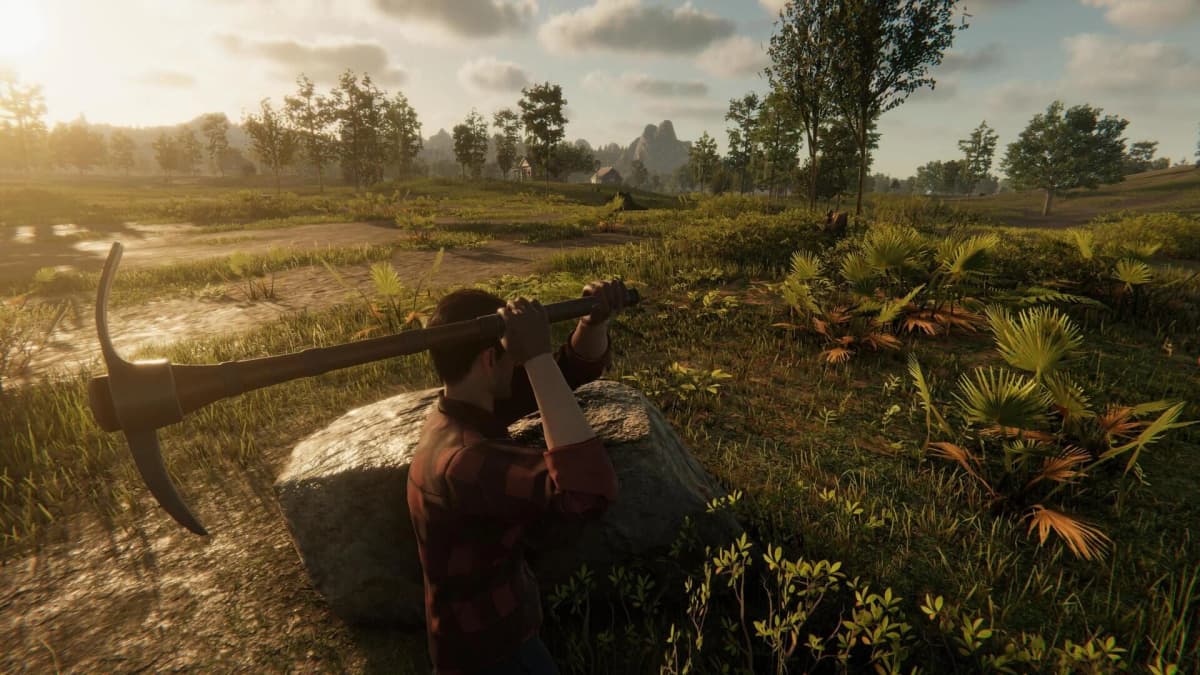
We’ve seen this pitch before, but rarely at this scale: 5,000 players, 1,200 km², 12 unique biomes, and the kitchen sink of features. The map size alone dwarfs most competitors—think ten times bigger than the original DayZ map—and if Hero Games actually nails the balance between wilderness, loot zones, and living world detail, that could be transformative. But for every “massive online sandbox” success, there are two more that launch with empty servers and content so stretched you feel the emptiness everywhere.
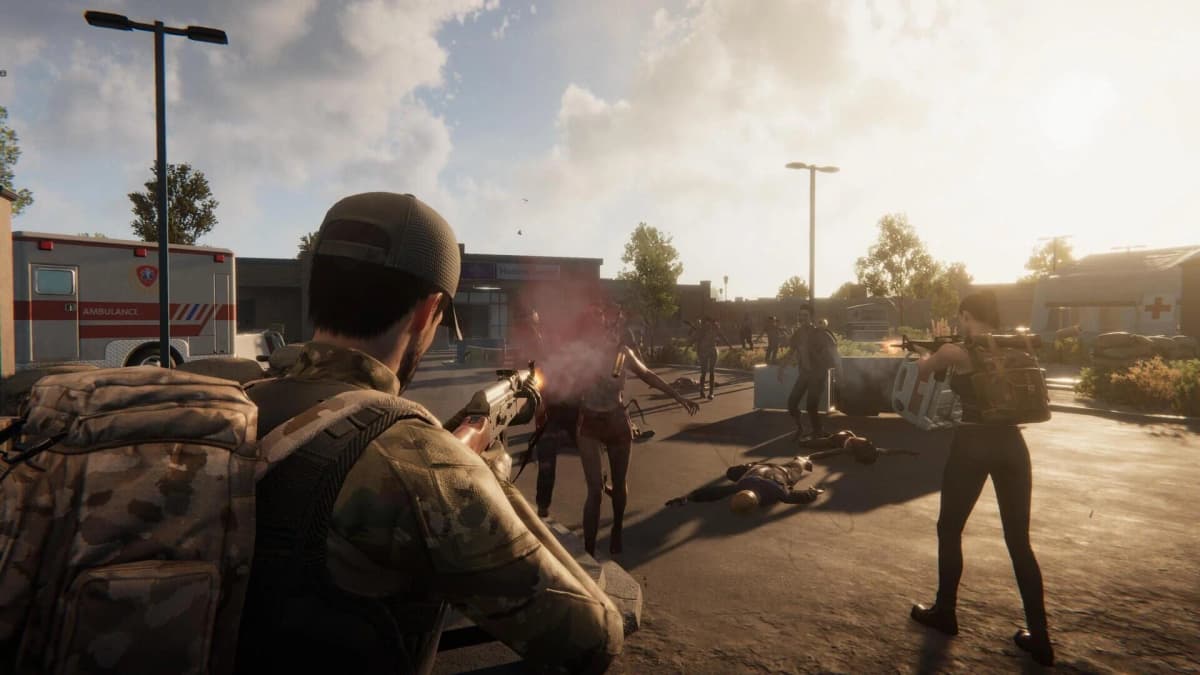
The combat promise mixes classic PvE apocalypse vibes—Infected hordes, hulking mutant Titans—with PvP group warfare fueled by armored vehicles. The nostalgia of rolling into a territory fight with an M4 Sherman tank (apparently craftable?!) is cool as hell, but it also risks feeling cartoony if there’s no meaningful scarcity. And let’s be honest: survival games live or die by how well the basics work. Will building a farm, raising livestock, and defending against rivals actually matter—or will they just be busywork while sweaty super-guilds dominate the oil wells and rare resources?
Hero Games Has Chops—But Cross-Platform Ambitions Are a Gamble
This isn’t a greenlight from some no-name studio. Hero Games published Punishing: Gray Raven—a slick, content-rich action RPG—and invested in Game Science (yes, that Black Myth: Wukong). That’s real money, team experience, and global ambition. Their prior titles also suggest a knack for keeping a live service game feeling fresh, which is essential for a world this huge.
But the “cross-platform at launch” boast is a massive technical headache waiting to happen. PC and mobile players are notoriously tough to please at the same time, especially in a twitchy, PvP-heavy action sandbox. Balancing controls, UI, cheating, netcode—for 5,000 players, across multiple platforms? That’s not just a feature list, that’s a minefield.
Why CrisisX Could Shake Up (or Stall) the Survival Genre
What does this all mean for actual gamers? If you love survival sandboxes but are burned out by empty promises (remember Last Oasis, or the messiest days of Ark?), you’re right to be skeptical. But even a halfway-decent execution of the “thousands of players, real territory control, mutant terror, deep base building, and actual resource wars” concept could set a new genre benchmark—especially if mobile players aren’t treated as afterthoughts.
On the flip side, if the balance is off, we may just get another world where solo players get stomped, progression is pay-to-win, and the “open world” is just one big loot grind. As someone who’s spent more time than I’d like to admit base-building and blueprint-hoarding in Rust and DayZ, I want to believe—but I’ve learned to wait for real hands-on impressions before buying into the hype.
Want to Level Up Your Gaming?
Get access to exclusive strategies, hidden tips, and pro-level insights that we don't share publicly.
Ultimate Gaming Strategy Guide + Weekly Pro Tips
TL;DR—Cautious Hype for a Genre Ready for Disruption
CrisisX is gunning for survival genre dominance with raw scope—gigantic world, thousands of players, real territory and PvE/PvP ambition—and Hero Games has enough pedigree to make this more than a vaporware dream. But cool features are only as good as their implementation, and the cross-platform gamble could make or break the entire experience. If they pull it off, this is one to watch; if not, chalk it up as another case of big promises meeting harsh reality.