
Critter Crossfire’s Physics-First Tactics Shake Up RNG
Game intel
Critter Crossfire
A genre-breaking fusion of Turn-Based Tactics and First Person Shooting made by a solo developer. Position your units in a detailed 3D environment and skillful…
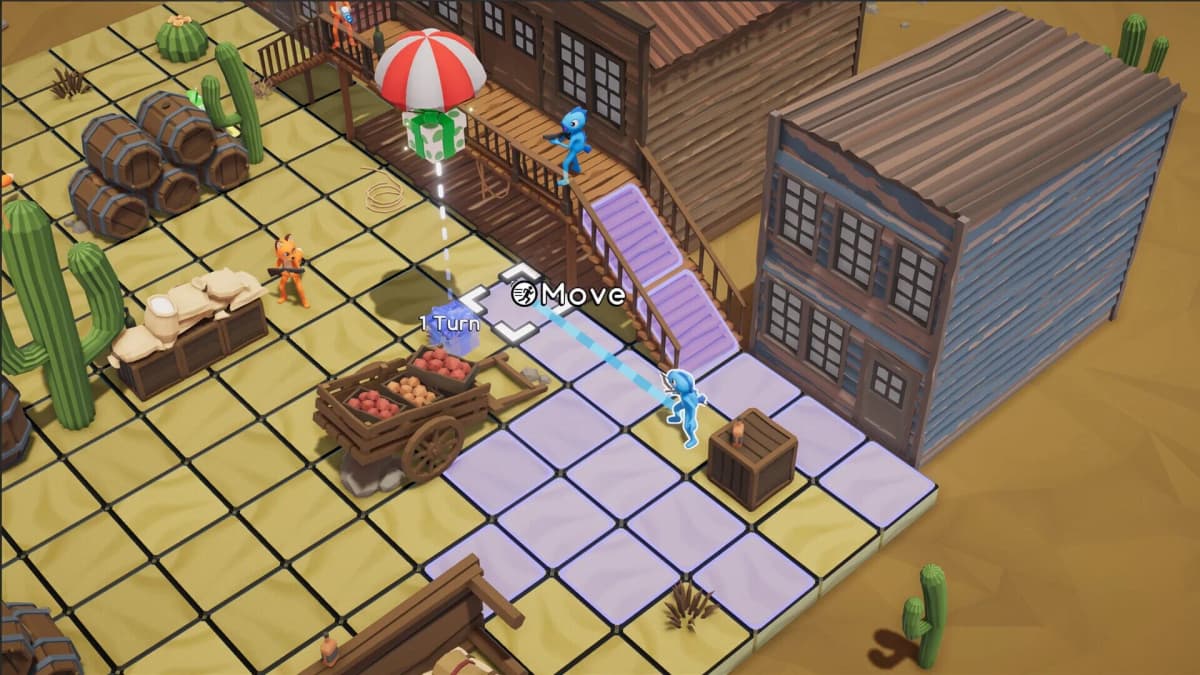
Critter Crossfire, launching July 10 on Steam, proposes a radical departure from the usual “95% hit chance” tropes in turn-based tactics. Solo developer Evan Polekoff replaces hidden dice rolls with a deterministic physics engine, putting every outcome squarely in the player’s hands. But what does that mean for strategy, replayability, and long-term balance? Let’s break it down.
A Physics-Driven Approach to Combat
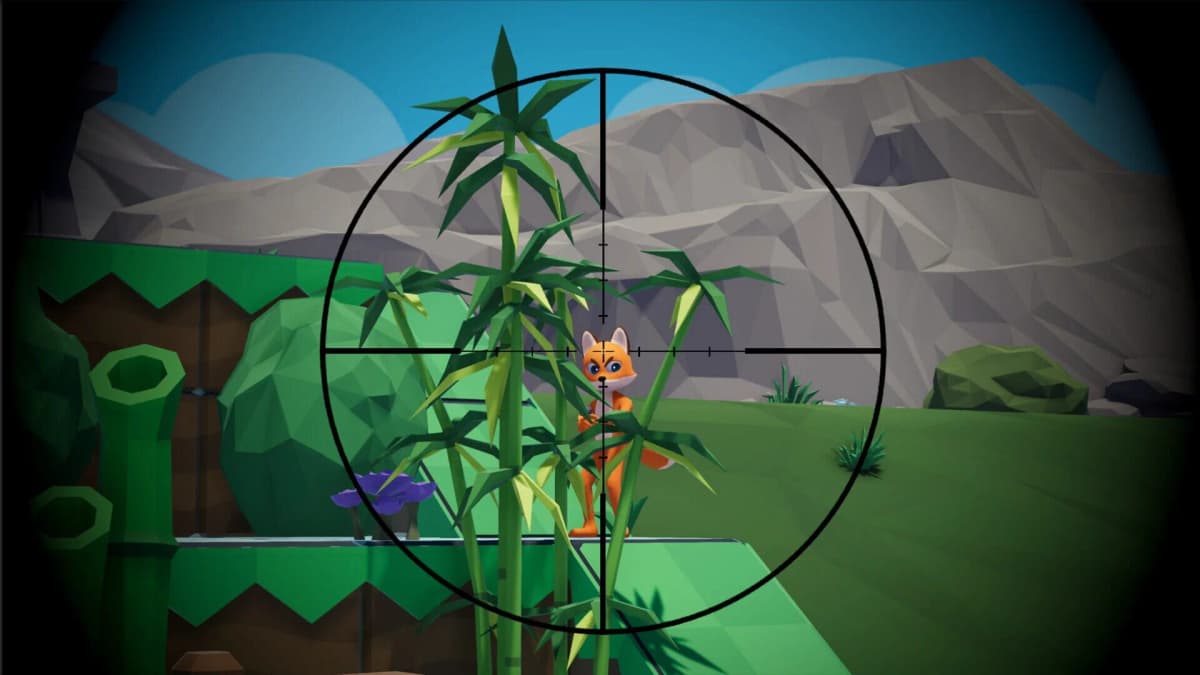
Instead of factoring in a percentage meter, every projectile in Critter Crossfire obeys the same collision, trajectory, and momentum rules you’d expect in a physics sandbox. You must account for:
- Line-of-sight calculations based on obstacles, cover, and ricochet surfaces.
- Dynamic elements—conveyor belts, rotating shields, falling debris—that alter shot timing and path.
- Force and angle interactions, where even a grazing blow can deflect and damage unintended targets.
This framework rewards spatial awareness and precise inputs over statistical chance. As a result, planning feels more like solving a puzzle and less like hedging a bet.
Gameplay Mechanics and Strategic Depth
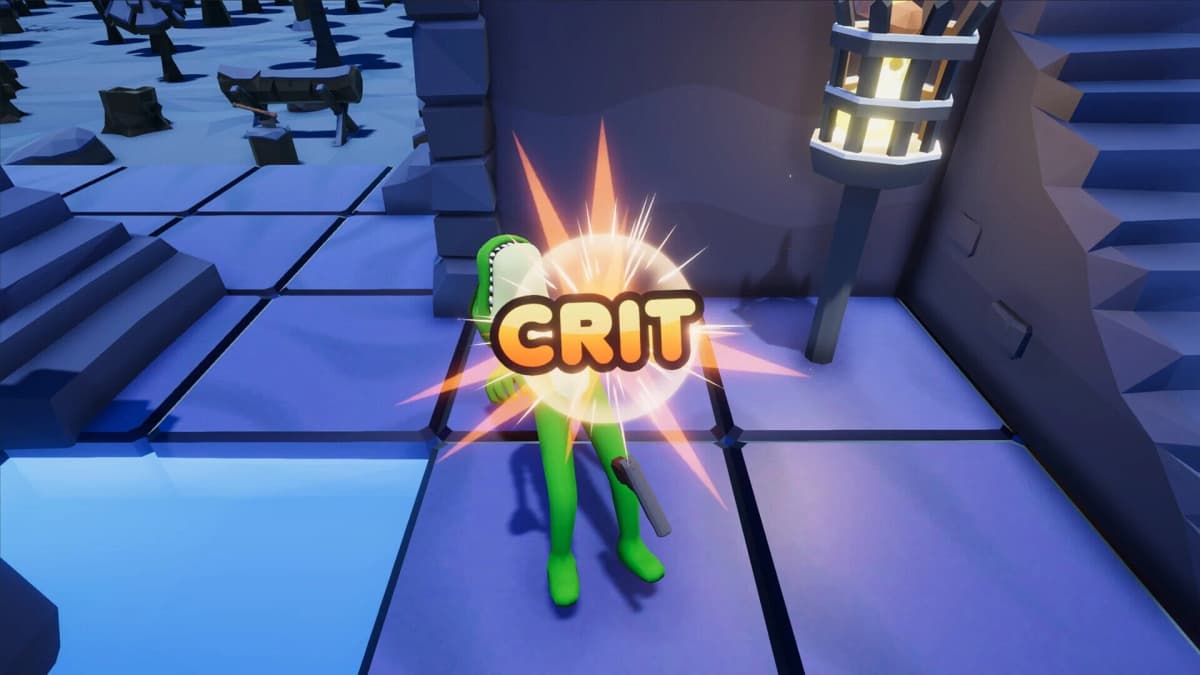
By removing RNG from hit-miss determination, Critter Crossfire shifts the strategic focus. Players are encouraged to:
- Experiment with unconventional angles—think banking lasers off mirrors to clear multiple enemies in a single turn.
- Time actions carefully, since moving platforms and spin traps can turn a straightforward shot into a lethal chain reaction.
- Prioritize positioning as aggressively as resource management—one misstep can send your hero sliding into hazards.
This engine also amplifies emergent tactics. Rather than defaulting to an optimal “meta build,” every level’s layout and physics quirks creates fresh problem-solving opportunities. Over a full run, that can foster inventive playstyles—whether you’re ricocheting rockets through tight corridors or using environmental hazards to your advantage.
Customization and Wacky Replayability
Critter Crossfire’s roguelike loop is underpinned by a diverse arsenal of over 100 items. From gravity-bend grenades to spring-loaded boots, each tool interacts uniquely with the physics world:
- Combine spring traps with explosive barrels for chain-reaction combos.
- Use adhesive darts to pin moving obstacles, altering the battlefield mid-match.
- Experiment with modifiers—like low-gravity zones or bouncy floors—that test your adaptability.
Sixteen distinct campaign challenges ensure you’re never running through the same scenario twice. These environmental presets encourage skill mastery: once you understand the mechanics, you can push them to their limits in pursuit of satisfying, reproducible tactics.
Want to Level Up Your Gaming?
Get access to exclusive strategies, hidden tips, and pro-level insights that we don't share publicly.
Ultimate Gaming Strategy Guide + Weekly Pro Tips
Potential Challenges and Considerations
While a deterministic system feels fairer in principle, it also raises design hurdles:
- Physics unpredictability: Even the best engines can produce odd glitches or frame-rate–dependent outcomes that frustrate players expecting consistency.
- Learning curve: Newcomers to tactics games may struggle to gauge risk when there’s no hit-chance indicator—especially under pressure.
- Balance tuning: Without RNG to soften failures, devs must carefully calibrate item power and environmental hazards to avoid overpowered or unwinnable scenarios.
Future developer commentary or post-launch performance metrics could shed light on how Critter Crossfire addresses these concerns and iterates on its core systems.
Why It Matters for Tactics and Roguelike Fans
Critter Crossfire’s bold experiment offers a pathway for tactics titles to evolve beyond percentage-based resolution. It appeals to:
- Skill-focused players tired of assigning blame to hidden dice rolls.
- Couch co-op groups seeking unpredictable, physics-driven mayhem in hot-seat or Remote Play sessions.
- Strategy enthusiasts curious about how deep emergent mechanics can flourish when chance is removed.
Whether it becomes a genre staple or a fascinating one-off, Critter Crossfire underscores the value of rethinking core design assumptions. Keep it on your wishlist—and watch for detailed post-launch analyses that reveal how its physics engine holds up under real-world play.