
Table of Contents (5)
Crossout Legends on Switch: Hype Meets Cautious Optimism
As someone who’s clocked a ridiculous number of hours in the original Crossout on PC (yes, I do have a soft spot for post-apocalyptic car carnage), I did a double take when Gaijin’s press release landed. Crossout Legends is now free on Nintendo Switch (and confirmed for Switch 2), tossing its unique blend of vehicle-building and explosive mayhem into the growing library of pick-up-and-play handheld titles. But if you’ve followed the mobile spin-off scene, you know things aren’t always as seamless as they sound. So, what’s the real deal here for Switch owners and veterans of the wasteland alike?
- Gaijin brings its “craft, ride, destroy” loop-famous from Crossout-to Nintendo’s portable scene, with a full cross-platform suite.
- Players customize rides from 1000+ parts and jump into a buffet of PvP/PvE modes-on paper, the feature set is stacked.
- Promised mobile optimizations mean streamlined controls and UI—sometimes good for accessibility, but can alienate hardcore builders.
- It’s free-to-play, so watch for Gaijin’s familiar monetization tricks—are we talking fair fun or grindy frustration?
Why Crossout Legends Earns a Second Look
This caught my attention for two reasons. First, vehicular combat rarely gets its due on consoles these days—after Twisted Metal faded, and with mainstream publishers mostly retreating from the genre, Gaijin’s dogged support of Crossout has quietly shaped a dedicated community. Second, the Switch crowd is a fickle bunch. There’s a reason ports of “mobile-first” games tend to either soar or flop hard. Bringing a complex, modular builder like Crossout to Nintendo’s handheld feels equal parts masterstroke and potential minefield.
What’s Actually Inside the Crossout Legends Package?
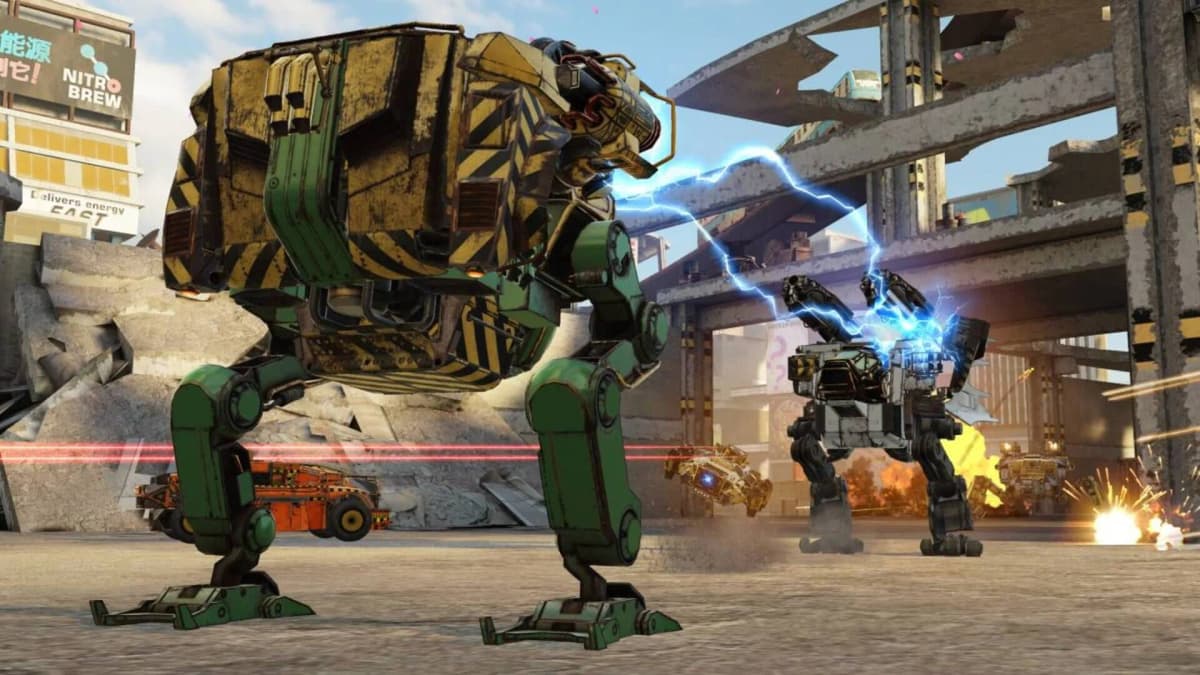
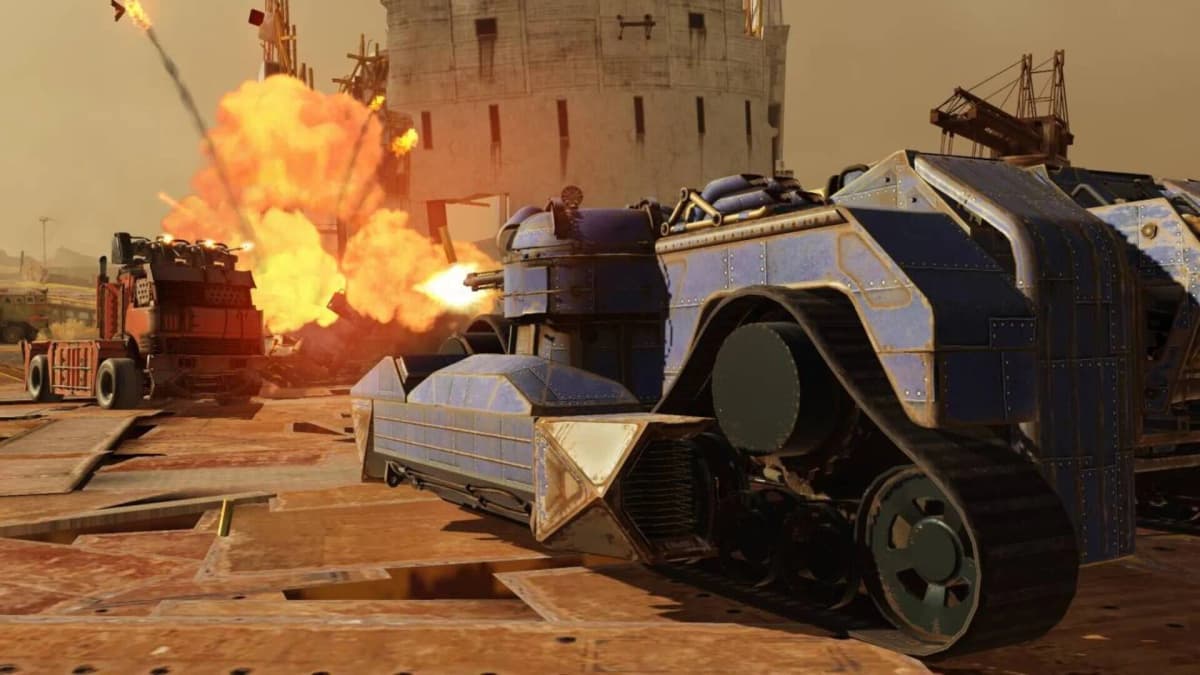
On paper, Crossout Legends is no watered-down sideshow. We’re talking 1019 buildable car parts (seriously, do any other Switch games get this obsessive with customization?), 17 maps, a rotation of 29 time-limited battle modes, and crossplay with mobile platforms. The “streamlined for handheld” approach sounds like a smart move—assuming it doesn’t sand down the complexity that makes Crossout addicts return. If you’ve ever had your joy-con drift betray you in a Smash round, the prospect of precise weapon placement and quick-turn driving on a touch or stick interface is both intriguing and a bit daunting.
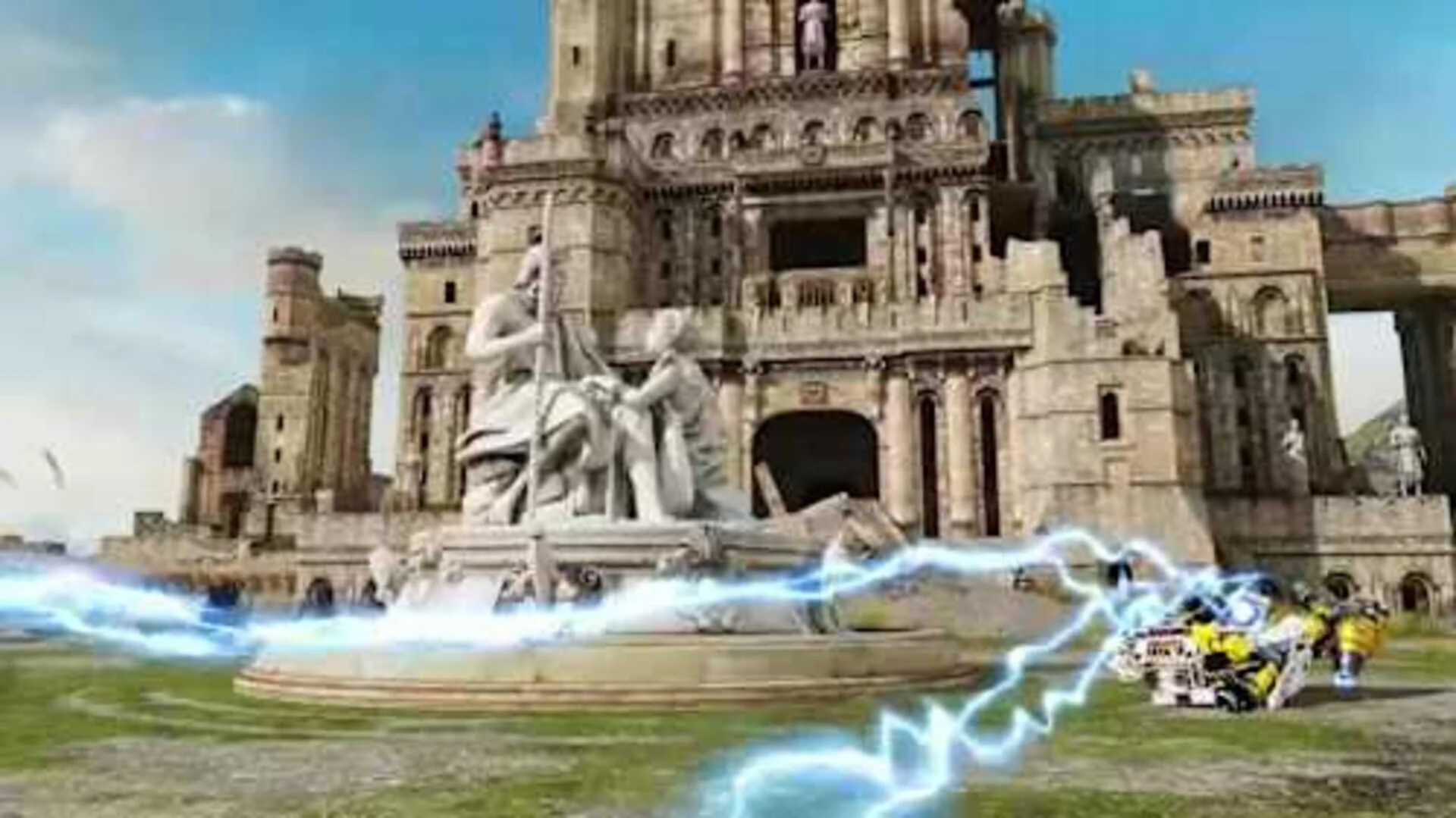
But let’s be real: “fully featured” rarely means “identical experience” in F2P ports. If you played the PC version, expect concessions—less granular physics, maybe, or a grindier economy. Part of what makes the original Crossout so satisfying is the feeling that your janky wedge-of-doom can actually work, and the sweat you pour into that perfect cannon placement pays off. If Legends leans too hard into mobile gating or overbearing RNG lootboxes, that risk of pay-to-win (or pay-to-unlock-anything-cool) looms large. Gaijin’s track record? They walk a fine monetization line—mostly fair, but watch for creeping spend traps over time.
The Industry Context: Can Mobile DNA Thrive on Switch?
This release is a curious sign of the times. We’re seeing more mobile-first projects leapfrog onto “hybrid” consoles, betting that crossplay and pick-up-and-play convenience will overshadow the genre’s rough edges. With Switch hardware showing its age, a tightly optimized experience (rather than a straight PC port) could actually be an unexpected boon for players craving quick matches or sofa co-op chaos. But the Switch audience is savvy and historically less tolerant of aggressive cash shops than mobile audiences. If Crossout Legends can hit that sweet spot—arcade fun with deep systems and restrained monetization—it could sneak into the regular rotation for a lot of Switch fans starved for fresh multiplayer action.
Let’s not forget: Gaijin has a reputation (see War Thunder) for supporting games with regular tweaks, maps, and events. They know how to grow a game over years, not just blow all the content at launch and bounce. If they bring that same energy to Legends, it bodes well for the long run—especially with Switch 2 on the horizon.
TL;DR
Crossout Legends wheels onto Nintendo hardware promising deep customization and wasteland combat, but the jury’s out on whether its mobile roots will gel with Switch gamers who expect substance over flashy free-to-play hooks. Give it a shot for the wild car-modding, but keep your wallet close and your expectations grounded.
FinalBoss // Gear
Level up your setup
01Best-selling Switch 2 gameson Amazon→02Switch 2 accessorieson Amazon→038BitDo controllerson Amazon→04Discounted game keyson Kinguin→Affiliate links · As an Amazon Associate, FinalBoss earns from qualifying purchases.