
Table of Contents (7)
What happened when VAC started banning players right after a CS2 update
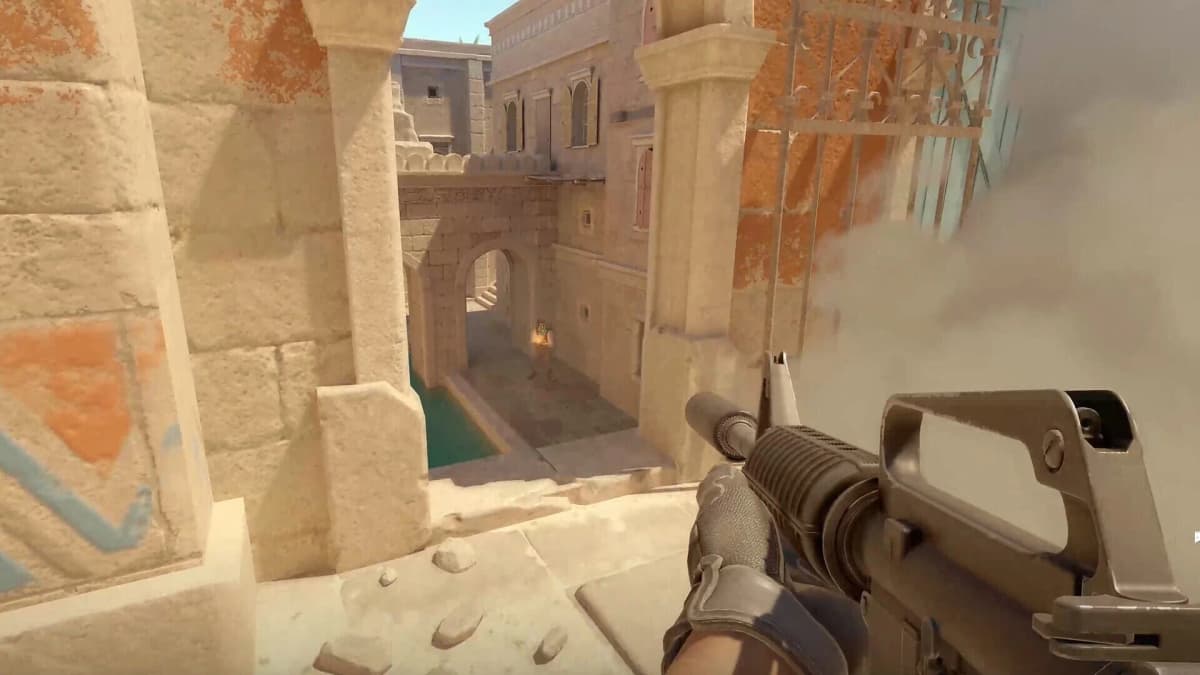
This caught my attention because a ban wave that sweeps up long-time, vocal members of a game’s community – including a map designer whose work was just shipped – is the kind of event that exposes how brittle opaque anti-cheat systems can be. Within hours of a Counter-Strike 2 update and the kickoff of Premier Season 4, X and Reddit filled with screenshots of permanent VAC bans. Many affected players claim they’ve never cheated; others simply show bans landing mid-match. One of the more surreal examples: Alpine map designer Timur Aisin (g3om) tweeting “I literally got VAC banned on my own map lmao” with a clip of the ban happening live.
Key takeaways
- Dozens of players reported permanent VAC bans immediately after a CS2 update and Premier Season 4 launch; social feeds are full of screenshots and clips.
- At least one victim is Alpine map designer Timur Aisin, banned mid-match while their map went live – an unusual, high-profile example that raises suspicion of false positives.
- Valve fixed an erroneous-ban issue in December and reversed those bans, so this could be a repeat bug — or a deliberate tightening of VAC that’s catching more cheaters.
- VAC bans are effectively permanent for players: reversals are possible but rare and handled quietly, leaving many legitimate players locked out of Competitive, item trading, and Premier play while Valve investigates.
{{INFO_TABLE_START}}
Publisher|Valve
Release Date|September 27, 2023 (Counter-Strike 2 launch)
Category|Multiplayer FPS / Anti-cheat incident
Platform|PC (Steam)
{{INFO_TABLE_END}}
What the logs and social feeds are showing
Within hours of the update, players posted Steam profile screenshots showing VAC bans and caps of the in-game notice that appears when a ban is applied. The tenor on X and Reddit is the familiar mix of anger, insistence of innocence, and suspiciously convenient evidence. The timing is notable: many reports trace the bans to the same window immediately after the update and with Premier Season 4 going live.
Two broad explanations fit the observable facts. First: a VAC detection bug was introduced or triggered by the update — similar to the small batch of erroneous bans Valve reversed after the December 8, 2025 patch. Second: Valve modified VAC rules or thresholds, and the new logic is sweeping up accounts that previously slipped through. The difference matters: a bug is fixable and reversible; an intentional tightening may expose long-hidden cheating but also raise collateral damage.
Why this is particularly painful for CS2 players
VAC bans in Valve’s ecosystem are blunt instruments. They lock accounts permanently out of VAC-protected play, block access to certain multiplayer modes, and can wreck trading inventories and tournament eligibility. For competitive communities, sudden mass bans — even if correct — create distrust in matchmaking and league systems. If legitimate players are hit, the emotional and financial fallout is real and immediate.
The Alpine designer’s ban is more than an amusing anecdote: it puts a reputable community creator in the spotlight and raises the bar for evidence that this is a systemic issue rather than isolated cheating admissions. When map creators, modders, or known community figures appear on ban lists, the community’s default response shifts toward demanding accountability and transparency.
My read and likely outcomes
Given Valve’s prior reversal in December for a small set of erroneous bans, the most likely near-term outcome is that Valve investigates and — if a bug is found — quietly rolls back affected bans in a future update. However, Valve’s anti-cheat is deliberately opaque: public statements are infrequent and details about detection heuristics are never disclosed. That means players can expect an uneasy wait and sporadic communication.
If the bans are intentional and based on improved detection, Valve faces a public relations problem: even correct bans are controversial when they hit recognizable community members. The company will need to balance anti-cheat gains against trust erosion in its player base.
What this means for players right now
Players who were banned should check Steam’s account pages and Valve’s support channels for any official updates. Unfortunately, VAC appeals are limited; reversals typically come only when Valve itself acknowledges a mistake. Expect disruption to competitive queues, Premier participation, and item markets for affected accounts until Valve addresses the situation.
For the broader CS2 community, this is a reminder that anti-cheat updates can have collateral damage. Community-facing transparency and faster communication from Valve would reduce speculation and help prevent reputational damage for honest players and creators.
TL;DR
A sizable wave of permanent VAC bans hit immediately after a recent CS2 update and Premier Season 4 launch, sweeping up players who claim innocence — including Alpine map designer Timur Aisin. The most likely explanations are a VAC bug (Valve has reversed similar mistakes before) or a tightening of detection. Either way, affected players face immediate, serious consequences while the community waits for Valve to confirm, explain, or reverse the bans. This incident underlines how fragile trust is between an opaque anti-cheat system and the players it protects.
FinalBoss // Gear
Level up your setup
01Graphics cardson Amazon→02Gaming laptopson Amazon→03High-refresh gaming monitorson Amazon→04Discounted game keyson Kinguin→Affiliate links · As an Amazon Associate, FinalBoss earns from qualifying purchases.
Want to Level Up Your Gaming?
Get access to exclusive strategies, hidden tips, and pro-level insights that we don't share publicly.
Ultimate Gaming Strategy Guide + Weekly Pro Tips