
CS2’s 150ms Defuse Delay Could Flip Clutches — And Maybe Smooth Your FPS
Game intel
Counter-Strike 2
For over two decades, Counter-Strike has offered an elite competitive experience, one shaped by millions of players from across the globe. And now the next cha…
Why this CS2 beta caught my eye
Valve just pushed a Counter-Strike 2 beta depot build (1.41.1.3-rc1) that tweaks a sacred end-round ritual: the 1v1 defuse dance. The headline change is simple but spicy-after defusing (or releasing the defuse), your weapon is lowered, you can’t scope, and you can’t fire for 150ms. On paper that’s tiny; in practice, it changes the geometry of clutches. Combine that with a rework to bullet-penetration simulation aimed at lowering CPU overhead, and this patch touches both the brain and the frames.
Key takeaways
- New 150ms delay after exiting a defuse stops instant counter-peek shots and slightly favors Ts on bomb taps.
- AWP clutch nonsense (scope-pop-shot the instant you let go) is basically dead; you can’t scope during the defuse and can’t insta-fire after.
- Expect more deliberate CT decision-making: commit to stick, or tap and reposition-no more “hold angle, insta-unstick one-tap.”
- Bullet penetration simulation has been optimized to reduce CPU cost, which could smooth firefights and big spam battles.
Breaking down the 150ms: why it matters in clutches
Valve’s exact wording: “Defusing C4 will now lower the viewmodel weapon, prevent scoping, and delay firing the weapon by 150ms after exiting the defuse.” That’s not a theoretical footnote-this alters how both sides play sound-cue chicken. Right now, strong CTs often “hold the off-angle while sticking,” letting go the instant the T swings to land a near-instant shot. With 150ms of enforced downtime, the CT loses that get-out-of-jail free card.
Reaction time context: average human reactions hover around 200-250ms; top pros can flirt closer to 150-180ms on simple stimuli. If you’re T-side and you swing the moment you hear the tap or the defuse release, you now get a small but real window where the CT literally can’t shoot. That’s the difference between eating a pre-placed headshot and getting your duel on your terms.
This also nerfs goofy edge cases. The AWP “scope-unstick-pop” in a smoke? Off the table. You can’t scope while defusing, and even if you let go, the 150ms buffer blocks the instant body shot as you swing back into ADS. Force-buy Deagle heroes will still exist, but even they have to live inside that enforced pause.
Does it flip the whole meta? No. This is surgical: it buffs Ts in the most volatile micro-scenario at the end of rounds without gutting CT economy or retake incentives. It forces CTs to think in branches again—tap and instantly commit to a reposition, or stick with better cover and utility (smokes/HEs/molotovs) to buy time. “Pros don’t fake” remains the meme, but pros will definitely fake smarter.
Context: CS2’s sidedness and why this tweak feels healthy
CS2’s balance has been seesawing as the map pool rotates. With Anubis out and Overpass in, the game has felt more CT-leaning lately. Personally, Counter-Strike is in its best place when defenders have a slight edge overall but Ts still get legit clutch agency post-plant. When the game swings too T-heavy, you get dead retakes and save-fests; too CT-heavy, and late-rounds devolve into coin flips around hero plays.
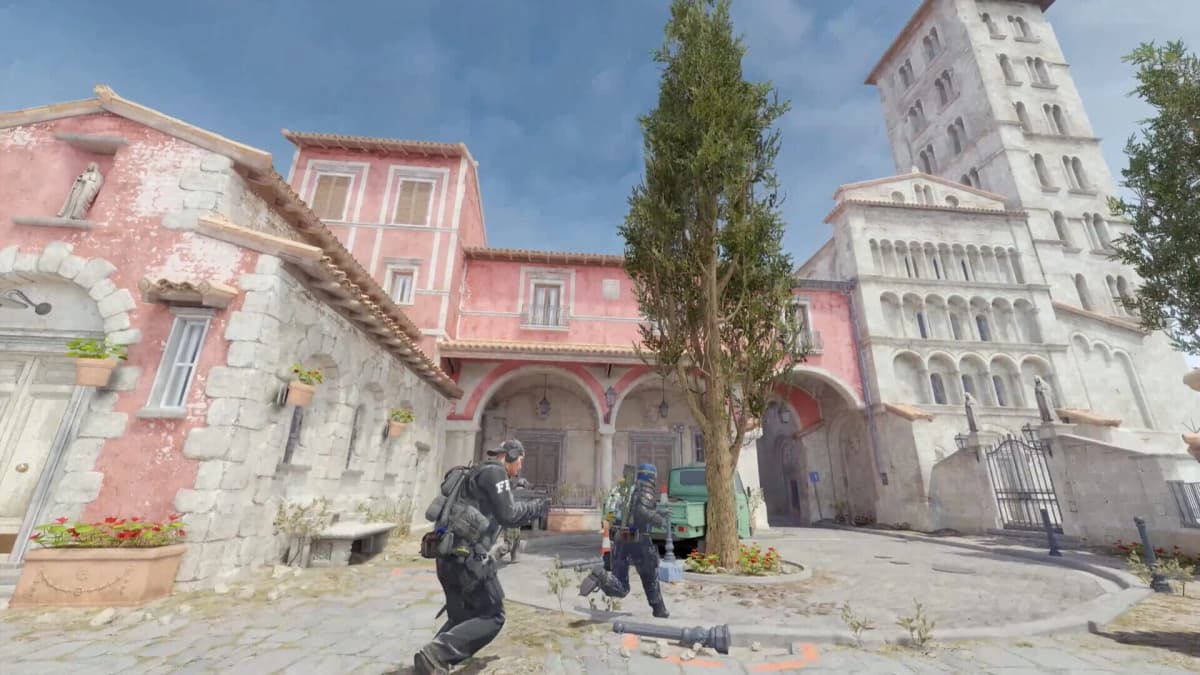
This 150ms rule lands in a sweet spot. It doesn’t nerf the kit, the smoke, or the utility chess. It just stops the CT from abusing sub-tick responsiveness to unstick-snap a perfect shot the instant a T peeks. It also shines a light on sound cues again—if you’re T-side, you can play off the beep and body your timing. If you’re CT, tapping at “kit timing” and hugging better postures (pillar, default, coffins—site-dependent) becomes the way to outplay, not just out-click.
Want to Level Up Your Gaming?
Get access to exclusive strategies, hidden tips, and pro-level insights that we don't share publicly.
Ultimate Gaming Strategy Guide + Weekly Pro Tips
The performance angle: bullet penetration rework
The other meaningful change is under the hood: bullet-penetration simulation has been reworked to reduce CPU overhead. Translation: the game should spend fewer cycles figuring out what your bullets can chew through, especially during wallbang-heavy sequences. Think Nuke’s hut spam, Mirage’s palace posts, or Overpass bathrooms when two squads trade through smokes and wood.
If you’ve ever felt micro-hitching during multi-kill trades, this is where you might notice smoother frametimes. It won’t magically fix a GPU bottleneck, but players on older or mid-tier CPUs—and anyone chasing 240Hz+—could see more consistent performance during the worst kind of stress test: five rifles spraying through surfaces at once. Given CS2’s sub-tick architecture, stable frametime can matter more than raw FPS. Less CPU thrash equals more reliable peeks.
Caveat: this is beta. Valve could tweak values, adjust how different materials calculate pen, or discover edge-case regressions. But optimization in the “bullets are flying” path is one of the highest-impact places to claw back performance without touching visuals.
What to watch if this ships to live
- T-side clutching: Swing on the tap. Don’t over-cook jiggles—commit when you hear the cue; that 150ms is your best friend.
- CT decision trees: Tap and insta-reposition rather than “unstick and snap.” Use nades to force bad T timing before you stick.
- AWP etiquette: Snipers should cover the defuser, not be the defuser. Post-nerf, the big green is worse than ever for the kit-holder.
- Ninja attempts: Smokes still matter, but expect fewer miracle unstick headshots through them. Positioning beats cheese.
- Performance sanity checks: Pay attention to frametime during spammy retakes. If your stutters ease up, thank the pen rework.
TL;DR
CS2’s beta adds a 150ms lockout after exiting a defuse, removing the instant unstick shot and nudging 1v1s slightly T-side—where they arguably should be. Valve also optimized bullet penetration to cut CPU cost, which could smooth out messy firefights. Small changes, big feel: smarter clutches and cleaner frames if it hits live.