
Table of Contents (8)
Cthulhu: The Cosmic Abyss treats deduction as your last line of defense
Cosmic horror usually asks you to run, shoot, or scream. Cthulhu: The Cosmic Abyss asks you to think. Big Bad Wolf’s upcoming game sidelines combat and leans hard into investigation – an AI-assisted mind‑palace, branching puzzle solutions that cost or preserve sanity, and gorgeous Unreal Engine 5 environments that turn the ocean into a slow, patient threat.
- Key takeaways:
- Investigation and puzzles are core – combat is intentionally minimal.
- The “mind‑palace” clue-mapping and AI companion Key shape how you solve problems and how sane you stay.
- UE5 visuals and deep‑sea claustrophobia sell atmosphere, but preview builds hint danger might feel less immediate than in action horror.
Why this matters: cosmic horror as a detective story
Big Bad Wolf is best known for narrative-first experiments (The Council, Vampire: The Masquerade – Swansong). With Cthulhu: The Cosmic Abyss they’re applying that pedigree to Lovecraftian dread: you’re Noah, a 2053 investigator whose missing colleague leads him to a deep‑sea mining complex and, eventually, a passage to R’lyeh. The game strips away the usual shooter trappings and asks a simple question – can fear be generated by puzzles and atmosphere alone?
What actually stood out in the preview
The preview build shows the systems the studio is betting on. First, the mind‑palace: clues, scanned objects and memories live in a Vault you can rearrange to form lines of reasoning. It’s Frogwares’ Sherlock Holmes with tonal shifts toward the cosmic; pattern‑matching becomes emotional currency. Second, Key, your AI companion, scans environments, records findings and can even hand you the straight answer if you want to cheat the deduction process. That relationship feels modern — an investigative tool with personality rather than a plotless hint system.
Finally, the sanity mechanic is the hinge. Many puzzles have multiple solutions: leaning into otherworldly logic yields faster answers but costs your mind; scientific routes preserve sanity but take longer. That tradeoff is the game’s promise. If the final game makes those sanity shifts matter narratively and mechanically, the “choice” will feel real. If they’re cosmetic, the whole idea collapses into window dressing.
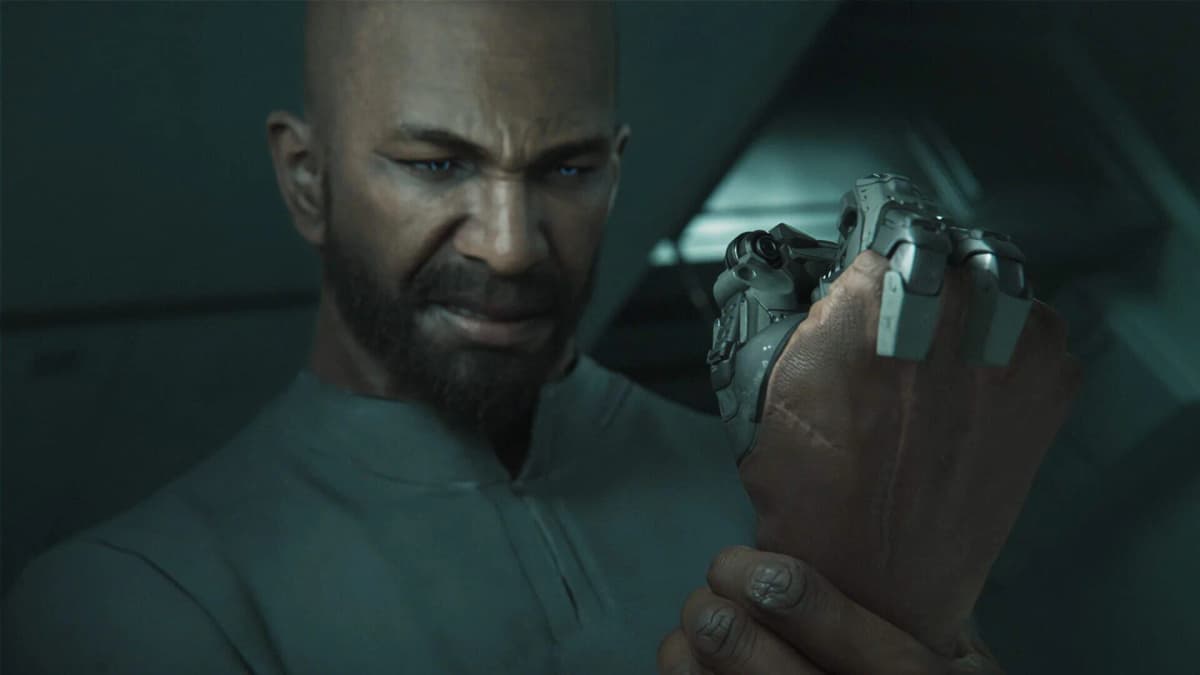
The uncomfortable question the PR blurb hopes you miss
In the preview, palpable danger felt muted. There were no enemy melees in the chapters shown — threats were implied, not immediate. That’s a design choice aligned with Lovecraft, but it also raises a design risk: tension accrues differently when you can’t fail by being physically overwhelmed. My uncomfortable observation is simple: the game can look and sound terrifying, but if puzzles never carry real risk or consequence, “investigative horror” can feel safe rather than existential.
Also: a preview bug flipped controls to AZERTY and briefly felt like a cheeky homage to Eternal Darkness’ mind games. It wasn’t. But the incident shows the line the game is trying to walk — psychological trickery vs. broken UX.
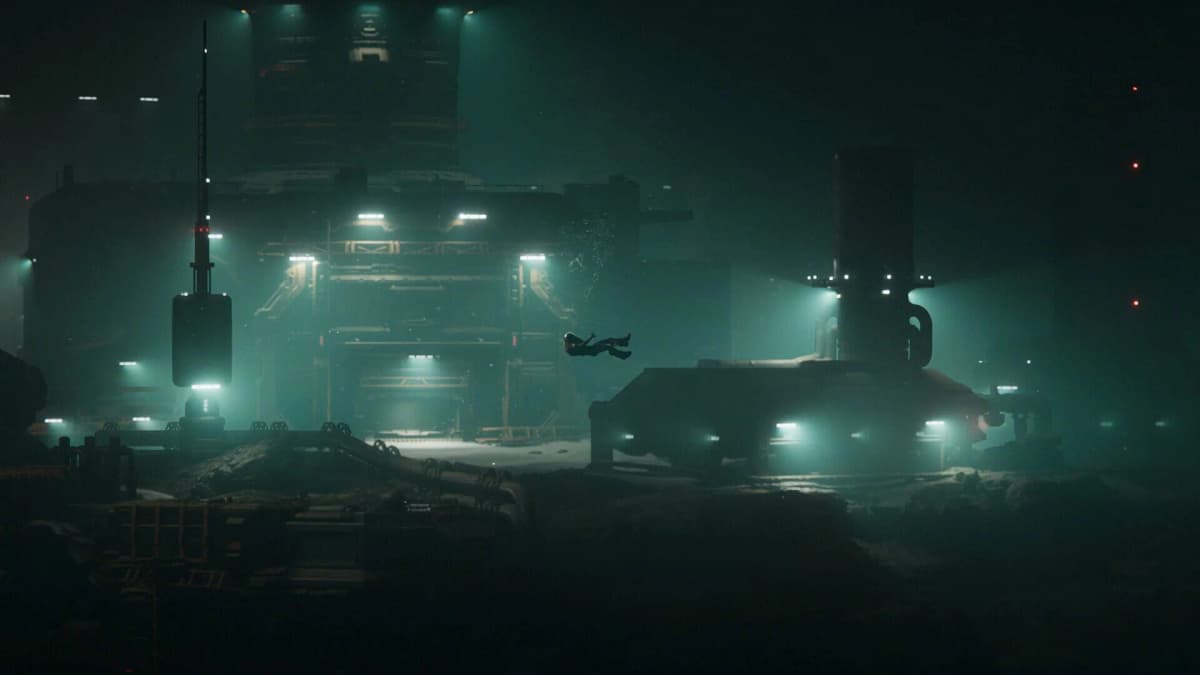
Why I’m cautiously optimistic
UE5 visuals are not just pretty; they sell scale. Thalassophobia is used well — the open water and submerged corridors create a slow dread that combat can’t replicate. And Big Bad Wolf’s narrative chops suggest the sanity system will probably have real narrative payoff. But the studio needs to make the stakes clear: losing your grip on sanity should change how you play, not just what the HUD says.
The question I’d ask the PR rep
How final and consequential are sanity penalties? Do they alter puzzle availability, perception, or endings, or are they primarily aesthetic? Say that out loud and I’ll judge whether this is daring design or clever skinning.
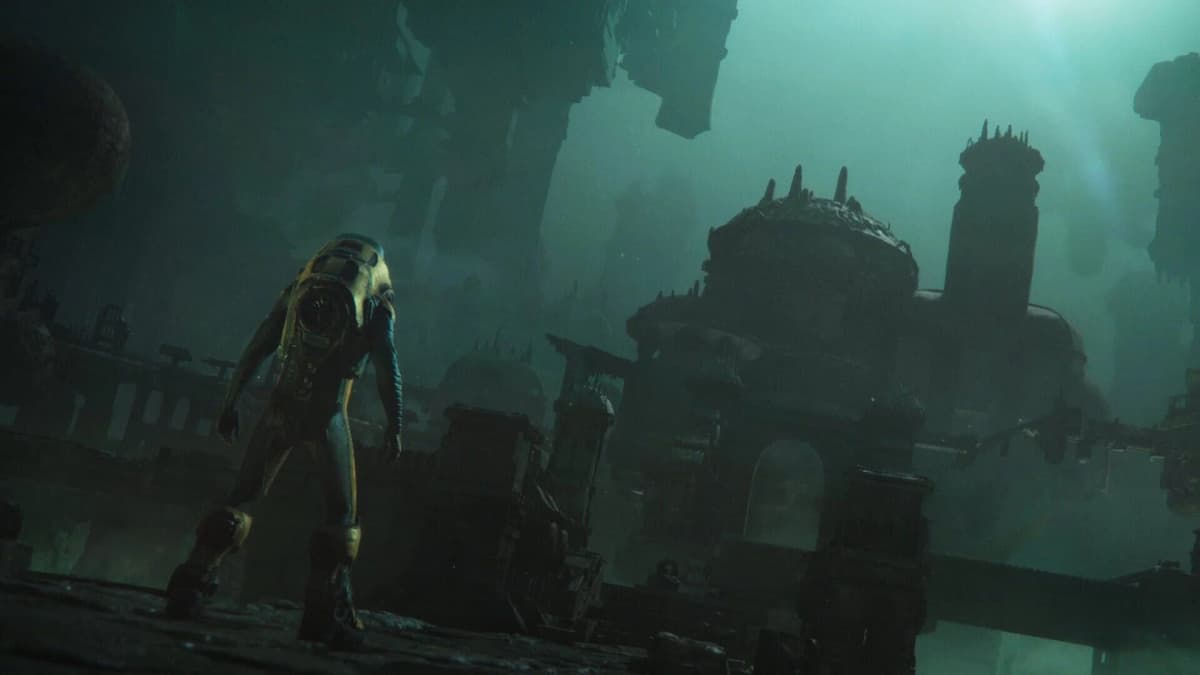
What to watch (and when)
- April 16, 2026 launch window — watch for final sanity-impact details and whether enemy encounters make danger feel real.
- Post‑launch updates: do developers add consequences or tighten risk if early feedback calls the tension too tepid?
- Speedruns and community writeups — if puzzle branches are meaningful, you’ll see players deliberately “go mad” or “stay clean” to compare outcomes.
If Big Bad Wolf delivers on the promise of consequential sanity tradeoffs and keeps puzzles from feeling like safe puzzles with spooky lighting, Cthulhu: The Cosmic Abyss will be one of the rare modern horror games that trusts your brain to be the scariest weapon.
TL;DR
Cthulhu: The Cosmic Abyss ditches guns for deduction, pairing a mind‑palace and an AI sidekick with UE5 visuals to make investigation the engine of fear. It looks and sounds excellent; the real test is whether the sanity mechanic and puzzle consequences actually bite. Watch April’s release — that’s where “psychological horror” either earns its name or settles for atmosphere.
FinalBoss // Gear
Level up your setup
01Top-rated gaming headsetson Amazon→02High-refresh gaming monitorson Amazon→03Gaming chairson Amazon→04Discounted game keyson Kinguin→Affiliate links · As an Amazon Associate, FinalBoss earns from qualifying purchases.
Want to Level Up Your Gaming?
Get access to exclusive strategies, hidden tips, and pro-level insights that we don't share publicly.
Ultimate Gaming Strategy Guide + Weekly Pro Tips