
Cursemark Demo Drops—Why This Roguelike’s Grim World Deserves Your Attention
Game intel
Cursemark
Cursemark is an action-exploration roguelike where you forge unique equipment to pierce the depths of the Unknown Lands. Unlock hundreds of items and spells, t…
Cursemark’s Demo Drops: Why I’m Paying Attention (and You Should Too)
The roguelike scene is more crowded than ever, with new contenders popping up seemingly every week trying to snag your attention (and time). So when Casey Clyde-the dev behind cult favorite Into the Necrovale-announced the demo launch for Cursemark, a pitch-black action roguelike aiming for Diablo-meets-Hades vibes, I had to check it out. Here’s what makes Cursemark more than just another drop in the indie bucket-and a few reasons to keep your hype in check.
- Demo is out now on Steam with a meaty first look at combat and buildcraft
- Draws inspiration from Diablo, Hades, Blasphemous—a bold mix with real potential
- Hand-crafted worlds and branching paths could set it apart from pure procedurally-generated fare
- Build experimentation is central, but balance will make or break replay value
Not Another Cookie-Cutter Roguelike? The Real Story
If you’re feeling roguelike fatigue, you’re not alone. In 2025, it feels like every indie game on Steam slaps “roguelike” somewhere in its description. But Cursemark immediately caught my attention for two reasons. First, Casey Clyde already proved he gets dark atmosphere and progression right with Into the Necrovale—a game that quietly built a hardcore following. Second, the press release specifically name-drops Diablo, Hades, and Blasphemous. That’s either setting the bar unreasonably high or signaling actual ambition beyond surface-level genre tropes.
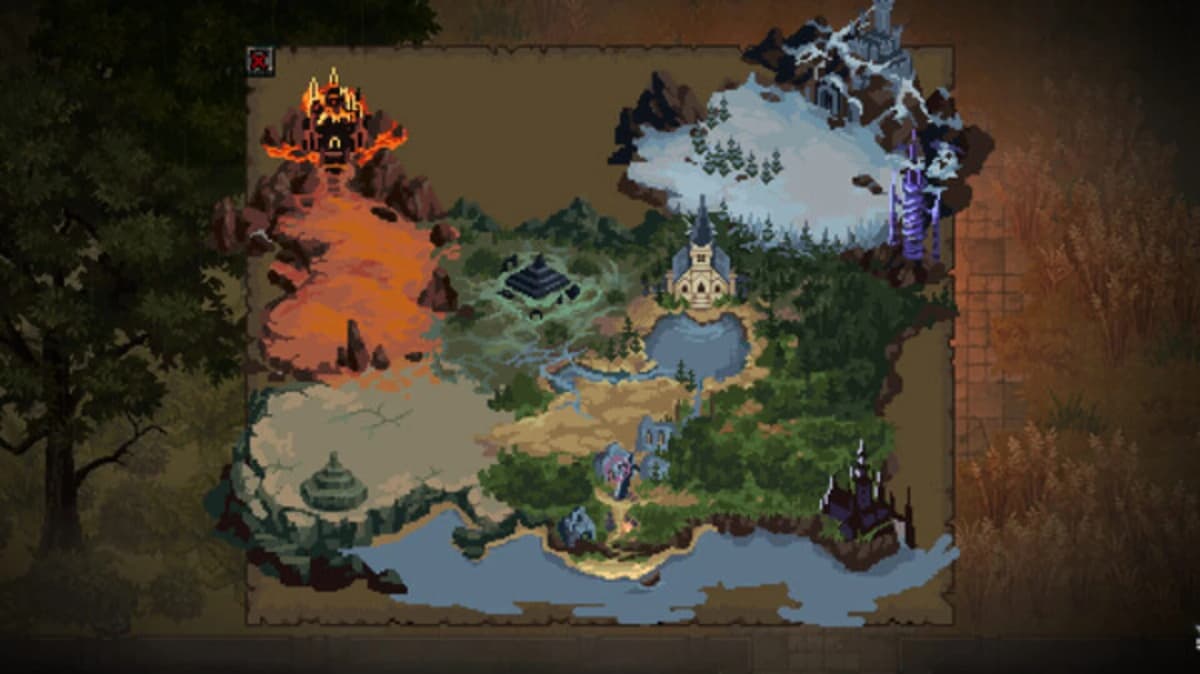
Hand-crafted worlds are a big promise. Most roguelikes hide repetition behind procedural generation, but Cursemark claims to offer branching, curated paths with varied biomes—from gloomy ruins to surreal hellscapes. If Clyde pulls this off, it could finally scratch the itch for meaningful exploration that “one more run” games often lack.
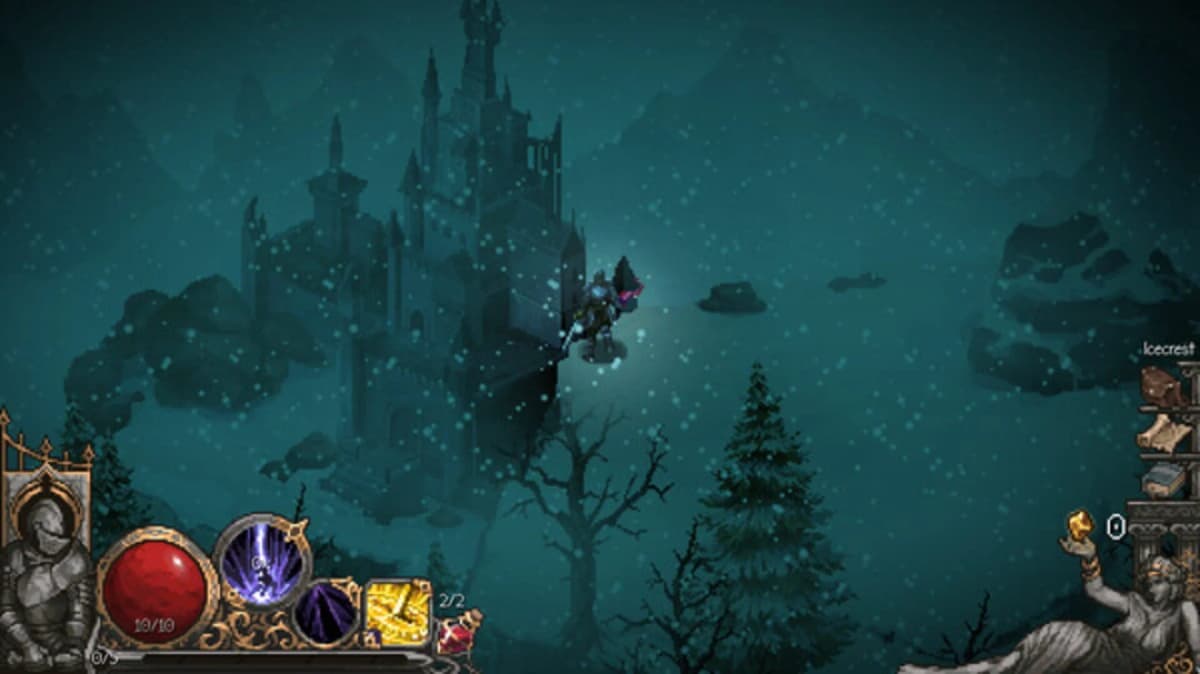
The demo gives a real taste: atmospheric art direction, dangerous enemies, and a buildcraft system that’s already deeper than most at launch. You experiment with spells, wards, and ultimates, hunting down broken synergies while getting your face stomped by tough bosses. It’s equal parts rewarding and punishing, in the best tradition of the genre.
Industry Context: Chasing the Shadows of Giants
Let’s be honest: anytime an action roguelike invokes the likes of Diablo and Hades, expectations shoot through the roof. Diablo laid the groundwork for dark, loot-driven dungeon crawlers. Hades turbocharged roguelikes into the mainstream—setting a bar for fluid combat, impossible-to-put-down core loops, and storytelling that keeps each run fresh.
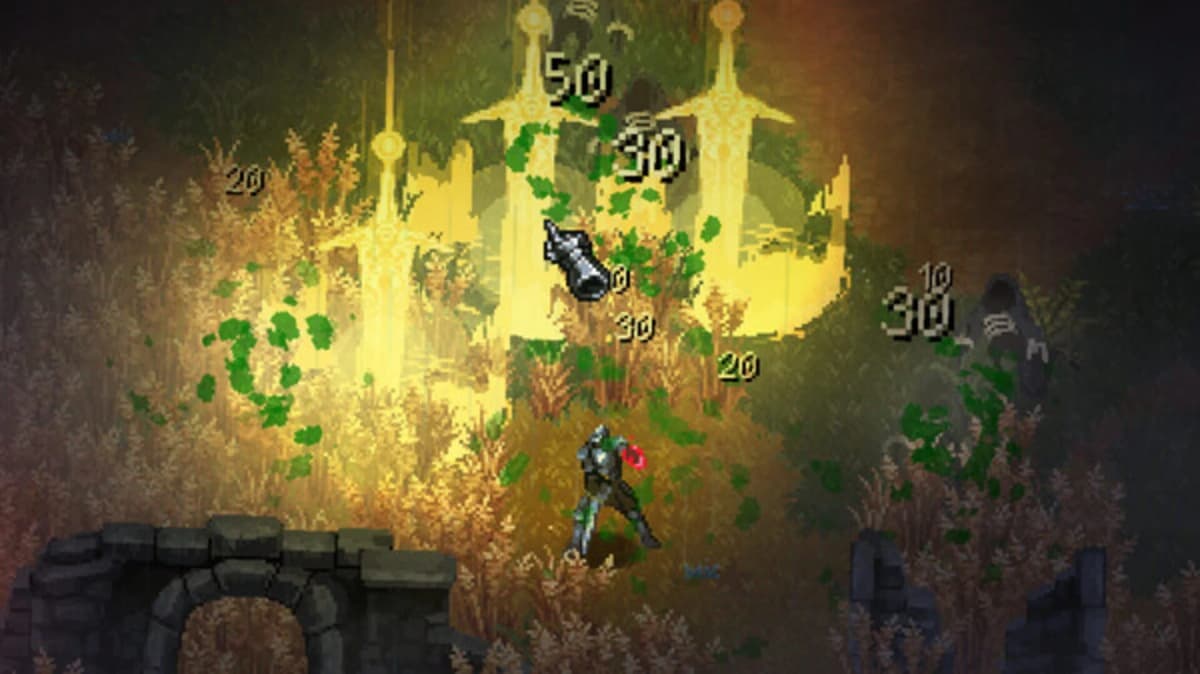
Cursemark wisely tries to split the difference. It’s not leaning solely on randomness or spectacle. Echoes of Blasphemous also signal a willingness to push for visual storytelling and a bleak tone that’s more “gothic horror” than cartoon violence. Given Clyde’s proven knack for worldbuilding, this could become a real draw for gamers tired of quirky pixel roguelites with little bite.
Want to Level Up Your Gaming?
Get access to exclusive strategies, hidden tips, and pro-level insights that we don't share publicly.
Ultimate Gaming Strategy Guide + Weekly Pro Tips
What Gamers Need to Watch For
The meat of Cursemark’s promise lies in “buildcraft”—that addicting loop of mixing spells, wards, and ultimates to discover game-breaking combos. In the demo, I already discovered a few setups that felt legitimately clever and powerful (before I got obliterated, naturally). But here’s where the skepticism kicks in: Balance is everything. Roguelikes live or die on whether every build feels at least possible. If one meta always dominates, or the RNG is too punishing, all the hand-crafted zones in the world won’t save it.
The demo’s combat already feels punchy, with decent variety in spells. But the “just one more run” pull will depend on whether further progression and content updates keep things fresh, especially after 20+ hours. Basically, Cursemark needs to dodge the fate of games like Children of Morta—stellar first impressions, but shallow replay once the curtain’s pulled back.
TL;DR
Cursemark’s demo is a sharp, atmospheric first taste of a roguelike that maybe—just maybe—won’t drown in a sea of copycats. There’s promise in its buildcraft, curated world design, and grim aesthetic. But until we see how it holds up across dozens of hours and updates, it’s cautiously optimistic hype from me.