
How a Free Student Puzzle Game Became an Emotional Masterpiece
Every so often, a game from a fresh-faced team feels like it sprang from a top-tier studio—and Curyeux is exactly that kind of rare gem. Developed as the graduation showcase for Campus ADN’s 2024–2025 cohort, this poetic puzzle-platformer on Steam is completely free, with zero ads, DLC, or microtransactions. In just twenty to thirty bite-sized puzzles and roughly 1.5 hours of playtime, you’ll explore Lucienne’s shifting memories through painterly worlds and gravity-bending challenges. It’s proof that passion, collaboration, and ingenuity can rival even the heftiest budgets.
What Makes Curyeux Shine
- Truly Free and Complete: Download on Steam with no hidden fees—just a polished experience built for immersion, not microtransactions.
- Painterly Depth: Every screen feels like a moving watercolor painting, where Lucienne’s recollections unfold in soft pastels, vibrant sunsets, and stormy blues tied to her inner emotional state.
- Emotional Resonance: Without text-heavy exposition or spoken dialogue, Curyeux weaves its narrative through visual transitions, ambient audio cues, and well-timed color shifts that guide you through joy, nostalgia, and bittersweet reflection.
- Student Ingenuity: Crafted by a tight-knit team of a dozen graduating students, the game highlights the remarkable talent emerging from collaborative campus projects and real-world mentorship.
Stepping into Lucienne’s Watercolor Dreams
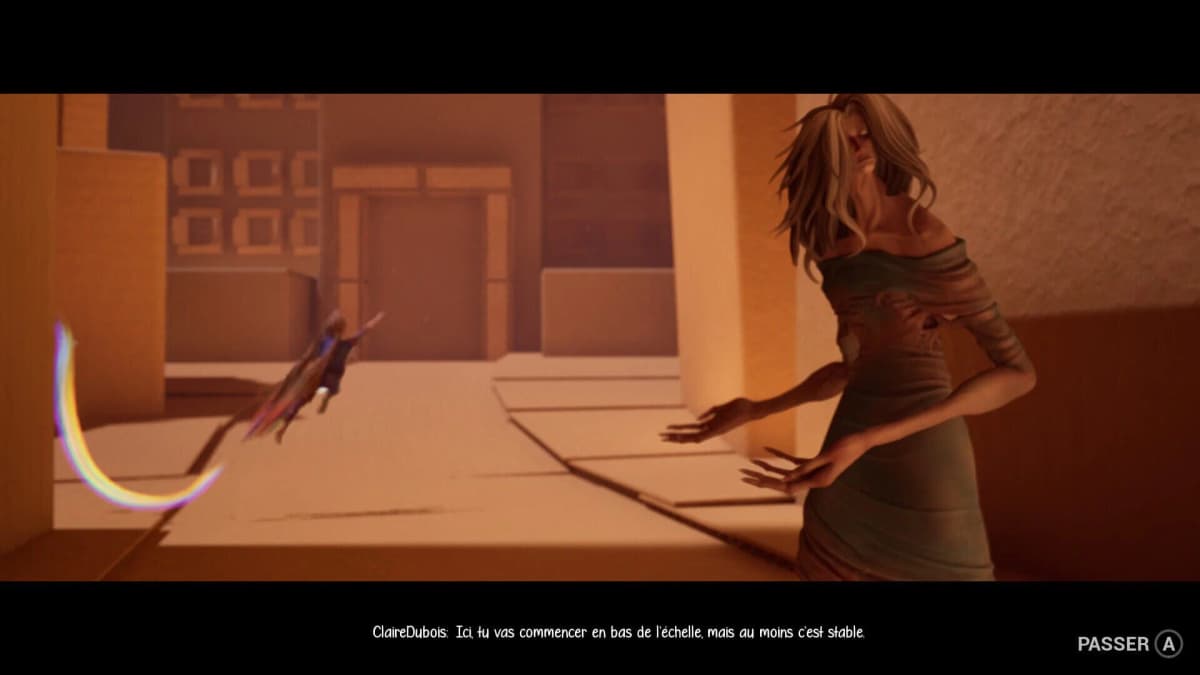
From the very first pastel brushstroke, Curyeux invites you into Lucienne’s psyche. Soft hues of dawn fade to deep twilight, mirroring her joy and melancholy as you navigate each scene. Ambient sounds—like the distant patter of rainfall or a subtle heartbeat—punctuate your progress, revealing emotional beats without a single line of dialogue. As you guide Lucienne through shifting platforms, color-coded zones trigger new alignments and hidden memories burst to life in every corner.
Puzzles That Flow with Feeling
Curyeux’s puzzles reward intuition over trial and error. Early challenges introduce you to color mechanics: step on a pastel yellow tile and watch nearby ledges realign; cross a lavender threshold and gravity flips upside down. As you advance, mystical glyphs unlock hidden passages, and layered mechanics steadily build complexity just as you master previous ones. The result is a smooth rhythm of discovery—every puzzle twist ties back to Lucienne’s evolving emotions, making each solution feel personally meaningful.
Thematic Layers and Storytelling
At its heart, Curyeux is more than just a sequence of brain teasers: it’s a window into memory. Lucienne’s journey unfolds in three broad chapters—Childhood Reverie, Shifting Foundations, and Bittersweet Horizon—each defined by its own color palette and environmental motif. In Childhood Reverie, pale greens and soft pinks evoke carefree wonder, while Shifting Foundations drenches you in stormy blues and charcoal grays as the world tilts beneath your feet. Bittersweet Horizon employs deep reds and fading golds, evoking nostalgia and the ache of remembering what’s been lost. Though the game never hands you a line of text, it uses intuitive design to ensure you understand Lucienne’s inner world.
Audio and Soundscape
Sound design in Curyeux is a masterclass in subtlety. An original ambient score—composed by a student specializing in audio—threads gentle piano melodies with environmental noise: rustling leaves, distant wind chimes, and the hush of falling rain. Strategic use of silence heightens emotional peaks, such as when a sudden swell of strings accompanies a pivotal gravity shift. These audio cues guide your feelings, reinforcing color transitions and puzzle milestones without ever feeling overbearing.
Artistic Influences and Visual Style
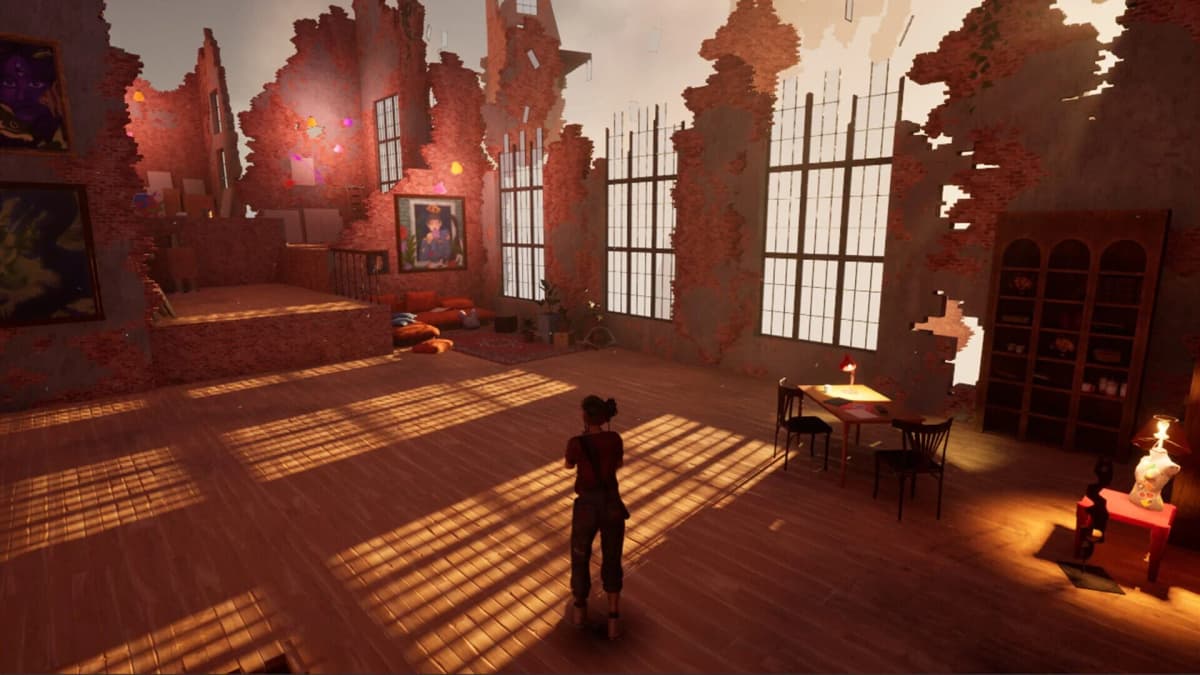
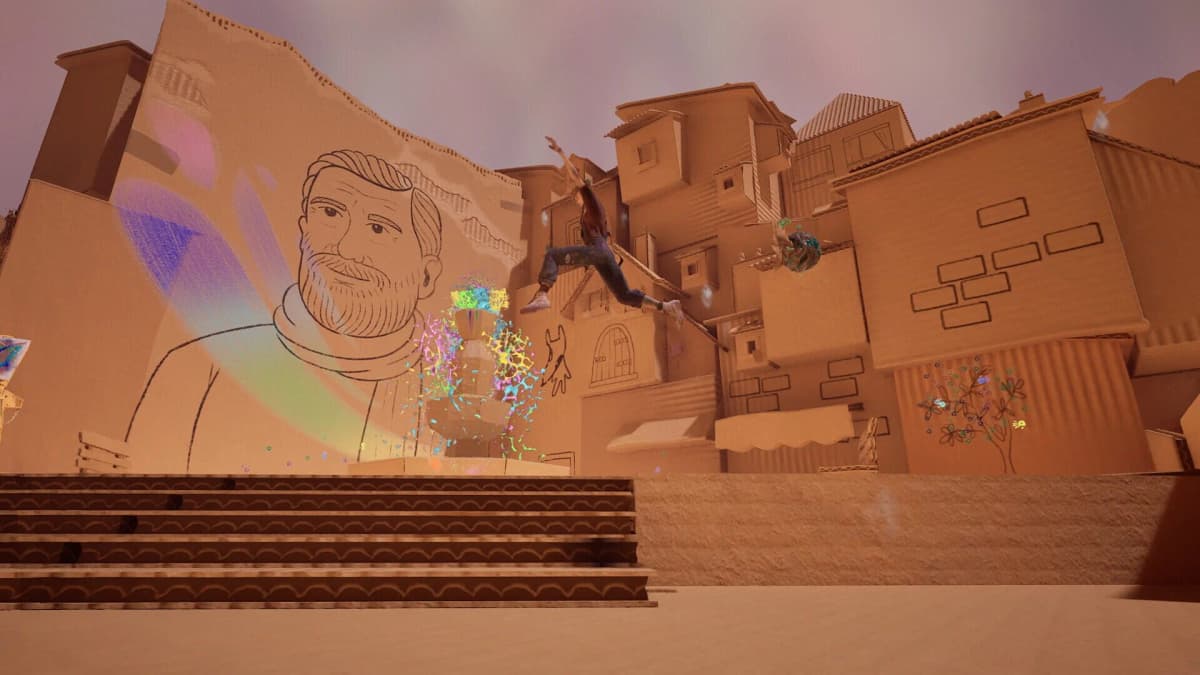
The game’s dynamic watercolor palette draws inspiration from classic animation backgrounds and contemporary digital painting. You can spot echoes of Studio Ghibli’s hand-painted scenes and the minimalist charm of independent art pieces. Rather than crisp, photoreal textures, Curyeux opts for broad, expressive brushstrokes that soften edges and blur detail—an artistic choice that reinforces the idea of memories, which are vivid yet elusive. Interactive shaders gently smear colors when Lucienne moves, making every leap feel like you’re stepping through a living canvas.
Level Design Breakdown: From Simplicity to Sophistication
Curyeux introduces mechanics one at a time. The opening levels focus purely on color swaps—learn how yellow hues lift platforms, then graduate to purple shifts that invert gravity. Mid-game, multi-zone puzzles require chaining color changes to open hidden alcoves, and final challenges blend all previous mechanics in intricate setups. Each of the roughly twenty structured levels concludes with a brief pause—a moment to absorb the scenery before diving into the next vignette. This pacing keeps the experience tight and ensures the entire journey fits neatly into that 1.5-hour window.
Technical Craft: Building a Watercolor World
Campus ADN students spent months iterating on a custom pipeline using open-source tools and engines. While the exact engine choice is unconfirmed, the team leveraged community-maintained shader libraries for watercolor effects and professional audio middleware for spatial sound. Collaborative sprints—akin to small indie studios—encouraged cross-disciplinary feedback: artists tweaked level geometry to accommodate narrative beats, programmers fine-tuned collision detection for gravity flips, and composers adjusted tempo to match puzzle flow.
The Making of Curyeux: A Campus Incubator
Behind the scenes, Campus ADN mentors and industry advisors guided students through every stage. Weekly workshops brought illustrators, sound designers, and programmers into the same room—sometimes literally chalking mechanics on classroom walls. Students gained firsthand experience with Agile-style sprints, asset integration, and iterative design feedback, while also learning project management, milestone planning, and pitching to stakeholders. This academic environment doubled as a professional incubator, preparing graduates for real-world studio pipelines.
Why Student Projects Matter
Curyeux isn’t just a free game; it’s a beacon for the power of education-driven creativity. Graduation showcases like this serve as living portfolios, catching the eye of recruiters and publishers scouting fresh talent. Game schools that invest in these capstone projects fuel innovation far beyond campus walls: we’ve seen alumni of similar programs go on to build acclaimed indie hits or join AAA teams. Imagine a future where every reputable design program releases its own standout game—today’s classroom experiment could be tomorrow’s flagship title.
Comparisons to Puzzle-Platformer Classics
Veterans of Limbo, Inside, or Braid will recognize familiar puzzle motifs: gravity shifts, contrast-based platforms, and minimal storytelling. Yet Curyeux distinguishes itself with its watercolor presentation and ultra-tight runtime. Whereas many indie puzzle-platformers stretch to three or four hours with optional collectibles, Curyeux remains laser-focused. Every mechanic serves both gameplay and narrative, a streamlined approach that feels like a distilled conversation rather than an essay.
Community Buzz and Early Feedback
In just a few weeks, Curyeux has sparked lively discussion on Steam forums, Discord channels, and streaming platforms. Players praise its “hauntingly beautiful art style,” “flawless puzzle flow,” and “emotional punch packed into a concise package.” Streamers often pause to admire a particularly striking scene—such as when Lucienne’s world fractures into stormy reds—drawing spontaneous gasps from their audience. On Steam, recent user reviews trend overwhelmingly positive, with tags like “Innovative,” “Artistic,” and “Emotionally Charged.”
Quick Facts
- Runtime: Approximately 1.5 hours of tightly woven storytelling and puzzles
- Platform: PC (Steam), free to download with no ads or microtransactions
- Developer: Campus ADN graduating cohort, class of 2024–2025
- Monetization: None—purely design-driven
- Art Style: Dynamic watercolor-inspired palette that shifts with the narrative
- Mechanics: Color-coded platforms, gravity inversion, glyph-activated passages
- Sound Design: Original ambient score with environmental cues and strategic silence
Future Prospects and Impact
While Curyeux itself has no planned expansions, its true legacy may lie in who it inspires next. Campus ADN’s success story could become a blueprint for other institutions, encouraging more ambitious student showcases. And for players, Curyeux offers a glimpse of what happens when pure creativity meets dedicated mentorship. It reminds us that sometimes, the most heartfelt games don’t come with big price tags—they come from classrooms, late-night collaboration sessions, and young designers eager to make their mark.
Bottom Line
Curyeux stands as a shining testament to what small teams can achieve when creativity, collaboration, and ambition unite. If you’re looking for a heartfelt, gorgeously crafted puzzle-platformer that won’t cost you a penny, step into Lucienne’s watercolor dreams today. You may just find yourself surprisingly moved by a journey you never saw coming.