
Table of Contents (6)
.hack//Z.E.R.O. isn’t just a new entry – it’s CyberConnect2 taking the IP back
When a studio asks for the keys to its own franchise, it’s not usually for theatrics. CyberConnect2’s announcement of .hack//Z.E.R.O. – unveiled around the studio’s 30th anniversary and confirmed in a Famitsu interview – is a deliberate, high-stakes pivot: the developer requested management of the .hack IP from Bandai Namco and will self-publish the game. That removes the usual publisher guardrails and puts both creative control and the financial tab squarely on CyberConnect2’s desk.
- Key takeaways:
- CyberConnect2 is self-publishing .hack//Z.E.R.O., reclaiming IP control from Bandai Namco (permission was granted).
- CEO Hiroshi Matsuyama says self-publishing lets the studio apply “all know‑how and passion,” but also accepts financial risk.
- The project is an action RPG in early development (teaser cinematics only); composer Taro Hakase is attached.
- No platforms, release window, or gameplay yet — the company is signaling a long, carefully controlled revival.
Why this matters now — and why CyberConnect2 chose to go it alone
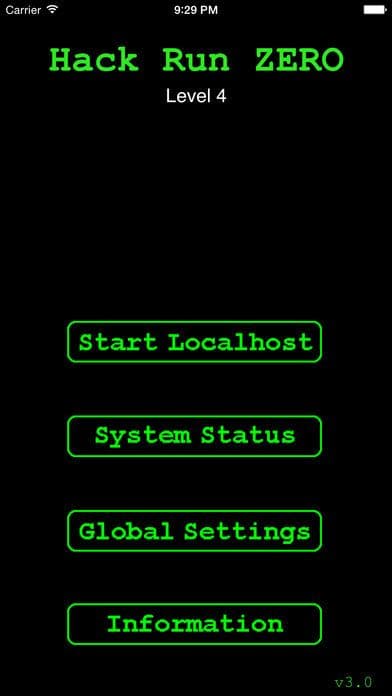
For decades .hack has been a series about blurred boundaries: online worlds leaking into the real one. The new title, styled .hack//Z.E.R.O., is being billed as a restart — “from zero” — and CyberConnect2 has framed self-publishing as the necessary tool to execute that vision without compromise. Matsuyama told Famitsu the team’s goal is to pour all its experience into a title that combines real‑world drama with in‑game action, and that removing a publisher’s editorial influence is central to doing that.
That sounds good on paper, and it’s the line most outlets will run: a passionate studio getting the freedom to remake a beloved franchise. What most coverage will skip is the flip side: self-publishing grants full creative freedom only at the cost of taking on distribution, marketing, and financing responsibilities traditionally handled by a publisher — especially important for a revival that needs to reach both nostalgic fans and newcomers.
The uncomfortable observation: freedom costs money — and attention
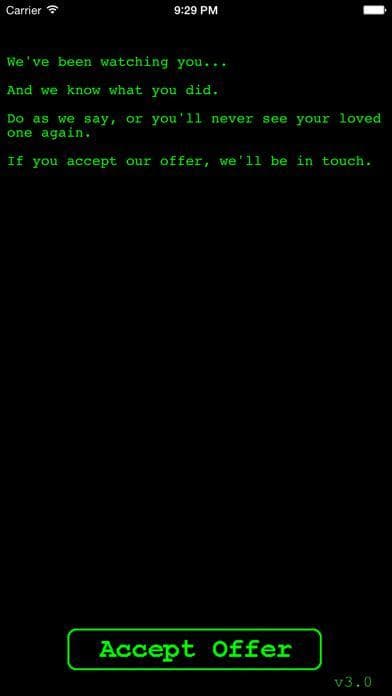
CyberConnect2 has credibility as a studio that knows how to make melodramatic, action-heavy games with strong anime sensibilities. But self-publishing turns an access-focused revival into a business bet. The studio says the project has roots stretching back a decade and has begun early development work; the teaser released on the official channel is cinematic, with no gameplay footage. That’s deliberate control of the narrative, but also a reminder the title could be years away.
Meanwhile, Bandai Namco’s absence is notable. The publisher’s retail relationships and marketing machinery are non-trivial advantages — especially for a console-focused game that needs visibility in Western markets. CyberConnect2 is gambling that the brand, a tasteful composer attach (Taro Hakase), and nostalgia-fueled demand — evidenced by plushes selling out in Japan after the announcement — will buy it the runway it needs.
The question I’d ask in the next interview
If I were across the table from Matsuyama, I’d ask: “How will CyberConnect2 fund and market a global console relaunch without a publisher’s distribution channels — and what compromises, if any, are you willing to make if the budget or reach falls short?” That’s the practical, non-romantic part of this story that determines whether this is a creative win or a mid-budget slog lost in the release calendar.
What to watch next
- Official platform confirmation and a target release window — CyberConnect2’s site and Famitsu follow-ups are the next signals.
- The first gameplay reveal — a cinematic teaser proves concept; gameplay will prove capacity.
- Marketing and distribution partners — any signs CyberConnect2 is striking deals to cover retail and localization will be decisive.
- Budget signals: team size, engine choice, and whether CyberConnect2 seeks external financing or publishes entirely in‑house.
- Bandai Namco commentary clarifying the IP-management terms; those details affect future cross-media projects.
All of this is unfolding under the studio’s 30th anniversary banner, which gives CyberConnect2 cover to be ambitious. For fans, the plush sellouts and composer reveal are promising. For skeptics, the lack of gameplay and the move to self-publish are a reminder that creative control and commercial success are different beasts.
TL;DR
CyberConnect2 is self-publishing .hack//Z.E.R.O. to reclaim creative control and reboot the franchise. That could let the studio deliver a purer vision — but it also puts marketing, distribution, and financial risk on CyberConnect2’s plate. The next true test: a gameplay reveal, platform details, and how the studio plans to fund and sell its ambitious restart.
FinalBoss // Gear
Level up your setup
01Top-rated gaming headsetson Amazon→02High-refresh gaming monitorson Amazon→03Gaming chairson Amazon→04Discounted game keyson Kinguin→Affiliate links · As an Amazon Associate, FinalBoss earns from qualifying purchases.
Want to Level Up Your Gaming?
Get access to exclusive strategies, hidden tips, and pro-level insights that we don't share publicly.
Ultimate Gaming Strategy Guide + Weekly Pro Tips